Hello everyone! I hope this post finds you well. I got up this morning and opened my blinds and saw the snow and ice hadn’t melted overnight. There were a few birds hopping around on the ground looking for food. The feeder was still almost full. So, I made coffee, fed the cats, and decided I would get a little birdseed and sprinkle it on the ground. As I approached the tree, they didn’t fly off like they normally do…
White-Breasted Nuthatch
I was 5-6 feet from the feeder and I looked up and saw a White-Breasted Nuthatch peeking around at me from behind. I SSSSLLLLOOOOWWWWLLLLYYYY reached in my pocket and got my camera. The Nuthatch moved to the side of the feeder for a better shot. They are such neat little birds and quite comical the way they sometimes back up on tree limbs.
Then something even more exciting happened…
Tufted Titmouse
A Tufted Titmouse flew right on the feeder in front of me… For me, to be that close to a Tufted Titmouse was incredible. They are very cautious and trying to get a good photo of one was always a challenge. I have tried to get photos a multiple of times but they just won’t sit still. I have taken photos that are blurry and some even with no bird because by the time I took the shot they were gone. Watching it at the feeder so close kind of made me feel all warm ad fuzzy. OK, I made that part up…
I wonder what would happen if I sat in a chair under the feeder? Well, I think I should do that where I feed in the back yard. People driving by and the neighbors would think I completely lost my mind…
I ventured out to the chicken house to check their feed and water then decided I would take a few photos of the Chinese Elm disaster.
I kind of knew it would happen sooner or later because one of the limbs that fell yesterday was kind of growing horizontal toward the shed (which is not in the photo). I used to have my plant on a couple of tables behind the shed and was always standing on the tables removing branches that were hanging down. I am thankful I moved the tables to the front and back porch. Several limbs had already fallen out of this tree before.
LUCKILY the only damage to the pickup was on the bed. The biggest limb was actually right smack on top of the cab and one of its branches was on the hood. Apparently, the one that fell on the bed kept the other one from doing as much damage.
As I went back to the house it started sowing a little. It looked like little styrofoam balls falling from the sky… On the steps, I could see a few that looked like tiny stars…
I have to admit, snowflakes are a marvel of nature…
What is this world coming to? I am taking photos of snowflakes!!! With that, I think I better stop! At almost 3 PM when I am finishing this post, it is “s-ing”… I mean REALLY ‘S-ING”… The forecast last night said we had a 20% chance this afternoon… It is very fine and I need to go clean the church. I guess I better get on with it. 🙂
Hello everyone! I hope this post finds you well. We had a lot of wind and rain during the night then it started getting quiet. I could still hear a few drops hitting the vent in the restroom (attached to my bedroom) off and on. I gt up and went to the kitchen maybe at 5 AM and I looked outside and could tell the rain had frozen and it was “S-ing” just a little but it was very fine.
It was a good thing I bought bird food yesterday and filled the feeders… I hadn’t seen many birds until this morning. Even a Tufted Titmouse made an appearance but she wouldn’t sit still long enough to get a photo.
You know I am not a big “S” fan, but I have to admit it looks pretty neat stuck to the ice on the branches.
Jade wanted outside, so I opened the front door so she could go on the porch. She poked her head out then changed her mind. Later on, she decided to go out for a spell but she didn’t get off of the porch…
I hope we all have a much better 2021. We have had our ups and downs during 2020 with COVID and the election ordeal, but hopefully, soon they will both be behind us so we can move forward with a brighter future…
Until next time be safe, stay well, stay positive, and always be thankful.
Hello everyone! I hope this post finds you well. All is well here for the most part. I am sure if I looked hard enough I would find more that needs attention. Christmas came and went like any other day, and I was able to sneak my birthday by without hardly anyone noticing. Soon New Years Day will come and go as well. I stopped making resolutions because they seemed to linger on for the whole year only to have some of them repeated for the next year.
Anyway, this post is about theMammillaria muehlenpfordtii. His common name is Golden Pincushion, but I have been calling him Mr. Muehlenpfordtii. He is doing great, but he is a bit of a leaner. I think he must have fallen asleep while standing up and he just keeps leaning more. I got tired of looking at him like that and was concerned he might just fall over and roll off of the shelf and onto the floor, so I decided I better straighten him up…
With spines like this, he needs some respect and careful handling.
He is getting a little gray on the bottom, but I guess that is normal. His white radial spines are so closely packed together I can’t tell what color he is down there. Information says Mammillaria muehlenpfordtii has between 24-50 radial spines per areola, not to mention the long central spines…
Mr. Muehlenpfordtii isn’t a guy you just want to grab and hold and a hug is out of the question. I just let him lay comfortably in my hand and pulled the pot off. Besides, he is sleeping and I definitely didn’t want to wake him up… It would be like exciting a Porcupine…
As always, the potting soil the cactus and succulents are in gets very hard this time of the year when it dries up. The peat dries and shrinks and seems to squeeze their roots. So, even though most people probably re-pot in the spring, I like to do it in the fall and winter so their potting soil will be loose and airy. I removed most of the old potting soil without breaking many roots…
I decided I would increase his pot side as well. He was in a 4″ diameter x 3″ tall pot and the new one is 4 1/2″ diameter x 4″ tall. Depending on the cactus, increasing the diameter of the pot by 1/2-1″ is plenty because they grow fairly slowly and don’t usually have a big root system. I started using a 50/50 mix of Miracle Grow Potting Soil and 1/8″ pumice for the cactus and succulents in 2018 and it worked very well. I had been using 2 parts potting soil with 1 part additional pumice and 1 part chicken grit for many years. I liked the pumice pretty well, so when I ran out I ordered 1/4″. There are a lot of pretty elaborate potting soil recipes online but they do just fine with a simple concoction as long as the soil is very well-draining and doesn’t hold water for a long period of time. I always like the water to drain out of the bottom as fast as I pour it in from the top.
Now when Mr. Muehlenpfordtii wakes up he will be in a new pot with fresh dirt. 🙂
Most of the cactus still need re-potted as well as some of the succulents. I continually update the plant pages (to the right) over the winter months and am making a few changes in appearance. It seems I have an idea that changes somewhat from page to page then I have to start over to update the change on the pages I already updated. 🙂
I think I will talk about Aloe next…
OK, that’s enough for now… Until next time, be safe, stay well and positive, and always be thankful. If you can get dirty… GET DIRTY! 🙂
Hello everyone! I hope this post finds you well. It has been cool and cloudy the past several days and we had a little snow yesterday evening. By the time I got out of bed, it had almost all melted.
I went to get the mail and was surprised by a box… Hmmm… I wonder what this is? The box is actually bigger than it looks in the photo.
I put the box on my bed and opened it only to find it stuffed with paper… Hmmm…
HOLY COW! PLANTS!!!
Well, I knew what was in the box because I had been expecting it. Tony Tomeo, a fellow blogger and friend that you may know, offered to send a few Epiphyllum and I couldn’t very well refuse. I have not grown any, so it seemed like a great opportunity to give them a shot. I am barely trying to give a good enough reason to acquire more plants even though I personally don’t need a reason or excuse. 🙂 But if someone were to ask why… Truthfully, no one comes for a visit so I don’t have to explain myself to anyone. That’s a good thing, because if anyone was to come and ask “why” I would probably just look at them rather blankly. It’s isn’t like I am a plant hoarder. 🙂
Information from the tracking number Tony sent said they were supposed to be here on Monday. Monday came and I went to the USPS website and put in the number. The first several times I tried, it said “the service wasn’t available at the moment” or something to that effect. Finally, it said Monday was the expected delivery date but it could be delayed… Well, by that tie my mail had already arrived and there was no package. I stopped by the post office later in the afternoon and gave the clerk the tracking number and he said packages are 4-5 days behind… He said if I didn’t get it by Thursday to come back… GEEZ! Luckily, the plants arrived safe and sound although very cold but they seem OK.
The plants were all wrapped very well so they couldn’t help but arrive safe and sound. The largest group is a white cultivar Tony said were his favorite and they produce very big and fragrant white flowers.
One group is a white Epiphyllum oxypetalum, one is a red cultivar, and the other is likely the pink and white cultivar Tony mentioned. Now, I will put them in pots so they can do their thing…
I want to thank Tony for sending so many plants and giving me the opportunity to try something different. Variety, you know, is the spice of life. 🙂 It is so good to have friends that help with a good addiction in a positive. Plant collecting is a great hobby and is no different than some people collecting baseball caps and cards, antiques, old tools, teapots, oil lamps, coins, stamps… Well, you get the picture.
If you don’t know Tony Tomeo, pop on over to his blog by clicking HERE. He is very well experienced and knowledgeable in the horticulture field and always has interesting posts and plenty to say.
Well, I better close this post so I can do some potting. I am also in the process of repotting the cactus and succulents. I know “most people” probably do it in the spring, but I like to do it in the fall and winter because their potting soil gets very hard once you stop watering. From the time I bring the plants inside for the winter in mid-October until sometime in late April to early May, the cactus and succulents get barely any water. Because of that, the peat in their potting mix gets VERY HARD so I re-pot with fresh so it will be nice and airy. I mix Miracle Grow Potting Soil 50/50 with pumice. I used 1/8″ before but I have switched to 1/4″.
Until next time, be safe and well, stay positive, and always be thankful. Always try to get as dirty as you can even if it is inside. 🙂
Schlumbergera truncata (Holiday cactus) on 12-13-20, #770-1.
Hello everyone! I hope this post finds you well. The Schlumbergera truncata are doing very well on the kitchen windowsill. I have been watching them for signs that the hand-pollinating experiment worked…
Schlumbergera truncata (Holiday Cactus), the yellow-flowered plant, 12-13-20, # 770-2.
As the flowers started wilting I started watching and waiting to see what would happen next. As the days passed by, I could see that something a little different was going on with the wilted flowers. The flowers I hadn’t pollinated just fell off but the ones I did remain on the plants.
Schlumbergera truncata (Holiday Cactus), the yellow-flowered plant, 12-13-20, # 770-3.
The next thing I knew, a small swelling appeared which continued to get larger. WE HAVE FRUIT!!!
Schlumbergera truncata (Holiday Cactus), the red-flowered plant, 12-13-20, # 770-4.
The two flowers I hand-pollinated on the red-flowered plant did the same…
Schlumbergera truncata (Holiday Cactus), the red-flowered plant, 12-13-20, # 770-5.
Now I have to wait for a year before I can remove the fruit and seed to see if they will germinate. Just an experiment…
Schlumbergera gaertneri (Easter Cactus) on 12-13-20, #770-6.
The new Schlumbergera gaertneri (Easter Cactus), also on the kitchen windowsill, is doing well and its new segments are starting to grow. They looked a little strange at first because they were almost black…
Schlumbergera russelliana (Christmas Cactus) on 12-13-20, #770-7.
The new Schlumbergera russelliana (Christmas Cactus) has perked up nicely and is also doing quite well. It looks like only three upper segments dried up (which I removed after I took the photo).
On Monday, I am supposed to receive the package sent by Tony Tomeo… SO, I am anxiously waiting…
Until next time, be safe, stay well and positive, and always be thankful.
New cactus from Wal-Mart after I brought them home on December 2 (2020). I identified the plant on the right front as Gymnocalycium baldianum (Dwarf Chin Cactus), and the one in the rear on the right as Mammillaria nivosa (Wooly Nipple Cactus). The two on the left… Mammillaria ?.
Hello Everyone! I hope this post finds you well. I went to Wal-Mart on December 2 to do a little shopping but mainly because I needed more saucers to go under pots. A lot of the old ones had gotten worn out plus I needed a few more. While I was in the plant department I decided to check out the “cactus corner” where they keep the cactus and succulents. As usual, they were over watered and otherwise neglected. Anyway, I found four that I decided to bring home.
I knew one was a Gymnocalycium and the other three were Mammillaria species. The label on the side of the pots…
The labels were mostly uninformative and basically just said “CACTUS” with a little growing information. Labels like that don’t give you much to go by. Even if there was an outdated name it would have been much better. The grower is the same as the last plants I bought at Lowe’s. Finding their correct names is a lot more difficult especially when it comes to Mammillaria… They were in 3 1/2″ pots, though, and all had plenty of room to grow.
Gymnocalycium baldianum (Dwarf Chin Cactus) at 1 1/6″ tall x 2″ wide on 12-2-20, #767-2.
The Gymnocalycium was fairly easy to identify because I already have a G. saglionis (Giant Chin Cactus) that I had brought home from Lowe’s in March of 2019. It is a great plant, so bringing this one home was a no-brainer. With only 61 species to choose from in the genus, it wasn’t that difficult to figure out this plant was a Gymnocalycium baldianum commonly known as the Dwarf Chin Cactus. It is very small at only 1 1/6″ tall x 2″ wide.
Gymnocalycium baldianum (Speg.) Speg. is the correct and accepted scientific name for this species of Gymnocalycium. It was named and described as such by Carlo Luigi (Carlos Luis) Spegazzini in Anales de la Sociedad Cientifica Argentina in 1925. It was previously named described as Echinocactus baldianus by Mr. Spegazzini in Anales del Museo Nacional de Buenos Aires in 1905. The International Plant Names Index (IPNI) has more than 2,700 records for plant names of which Mr. Spegazzini is either the author, co-author, or involved in the basionym.
The Dwarf Chin Cactus is a native of the Catamarca Province of Argentina where it grows in a fairly restricted range. Its major threats are collection and fires.
Gymnocalycium baldianum (Dwarf Chin Cactus) on 12-2-20, #767-3.
This species is rather small, growing to only 3-4″ tall x 3-5″ wide, and can be grayish-brown to blue-green, sometimes almost bluish-black. They have 9-10 rather broad ribs with prominent tubercles divided by deep axils. The areoles on the end of the tubercles have a small tuft of wool and 5-7 very short, somewhat recurved, radial spines. It looks like there is a smile between each tubercle… There is a name for that but I forgot what it… I read about that as a distinguishing feature of another species. 🙂
Gymnocalycium baldianum (Dwarf Chin Cactus) on 12-2-20, #767-4.
The apex of the plant is concave or “sunk-in” which is a pretty neat feature of most cactus. As plants grow, they just kind of unfold. Always constantly moving, but every so SSSSLLLLOOOOWWWWLLLLYYYY…
Gymnocalycium baldianum has received the Royal Botanical Society’s Award of Garden Merit.
Mammillaria nivosa (Wooly Nipple Cactus) at 1 3/4″ tall x 2″ wide after I brought it home on 12-2-20, #767-13.
The second plant that was fairly easy to identify was the Mammillaria nivosa whose common name is Wooly Nipple Cactus. It was easy to identify because I put photos on a Facebook Group and a member told me what it was. I didn’t feel like going through Mammillaria photos to figure it out. Most of the photos show their flowers and not the plant itself… This plant is 1 3/4″ tall x 2″ wide and can grow up to 10″ tall.
This species is fairly unique because of where it is native. While most cactus are native of Mexico through South America, this one is found on several islands in the Caribbean. Its native habitats are declining due to urbanization and tourism but it is also found on Mona Island which is a protected nature reserve.
Mammillaria nivosa Link ex Pfeiff. is the correct and accepted scientific name for the Wooly Nipple Cactus. It was named and described as such by Louis (Ludwig) Karl Georg Pfeiffer in Enumeratio Diagnostica Cactearum hucusque Cognitarum in 1837. It had previously been named and described by Johann Heinrich Friedrich Link but his description wasn’t validly published. Mr. Pfeiffer then used his name and description giving Mr.Link the credit.
Mammillaria nivosa (Wooly Nipple cactus) on 12-2-20, #767-14.
In the wild, Mammillaria nivosa can be found as solitary plants, but usually grows in colonies and readily offsets to form a small mat. Plants are dark green but turn a bronze color in more sun. Plants are globe-shaped and cylindrical with obtusely conical and laterally compressed tubercles.
Mammillaria nivosa (Wooly Nipple Cactus) on 12-2-20, #767-15.
Its tubercles have wooly areoles that usually produce one central spine and 6-13 radial spines. The spines are bright yellow to dark brown and are approximately 1 1/2″ long, point away from the stem, and are VERY stiff and sharp. There is ample wool in the axils between the tubercles as well. This plant does well in sunny to partly shady areas, but bright light is supposed to bring out the bronze color, encourage flowering, and heavy wool and spine production…
NOW FOR THE OTHER TWO PERPLEXING PLANTS…
One of the members on the Facebook group suggested the other two were Mammillaria hahniana. My thoughts and reply were, “I already have a Mammillaria hahniana and it looks nothing like these two.” I posted a photo of my Mammillaria hahniana and received several “likes”. No one else had any other suggestions so after a few days I posted photos on three other Facebook groups. NOTHING. I was pretty surprised no one had any other suggestions. That never happens! SO, I revisited my Mammillaria hahniana page and went to the description on Lifle (Encyclopedia of Living Forms). There were also quite a few photos online that sort of revealed my screw up… Mammillaria hahniana is A “VARIABLE” species. OH, I had already sent photos to Daiv Freeman of the CactiGuide explaining the ordeal and I received no reply from him either. That also never happens. It was like his silence was telling me I had it already figured it out. GEEZ! The reality of having brought home two more Mammillaria hahniana was setting in… The goal is to collect more species not more of the same… You can clearly understand how that can happen when there are “variables” involved. All three plants are completely different… After thinking about it, I was OK with having three Mammillaria hahniana, since they show the variations of the species. I named them Unos, Dos, and Tres. 🙂
Mammillaria hahniana (Old Lady Cactus) #2 (Dos) at 1 3/4″ tall x 2″ wide on 12-2-20, # 767-6.
The first one in question, Dos, is sort of club-shaped and a darker green. It measured 1 3/4″ tall x 2″ wide and is very hairy…
Mammillaria hahniana (Old Lady Cactus) #3 (Tres) at 1 1/8T tall x 2″wide on 12-2-20, # 767-10.
Tres is shorter than Dos at 1 1/8″ tall but it is also 2″ in diameter. When I measure cactus I ignore the spines and focus on the body (stem) of the plant. Tres is kind of squat and globe-shaped like a pumpkin. It is kind of more bluish-green in color which can throw you off a little… The Mammillaria muehlenpfordtii in my collection is a bluish-green and AWESOME!
Mammillaria hahniana (Old Lady Cactus) #2 (Dos) on 12-2-20, # 767-7.
From the above close-up of Dos, you can see hairs, wool, and spines. There is just a little speck of wool growing from the axils between the tubercles. Some of the “hair” is also coming from the axils but you have to get a magnifying glass to tell. The areoles on the tip of the tubercles have 1-4 very short central spines and 20-30 hair-like radial spines… Some are very short and others VERY LONG. Information on Llifle says these hair-like spines can be from 5-15 mm long which is just over 1/4″ to just over 1/2″. Some of the longer hairs on this plant are nearly 1″ long which I think are coming from the axils. Dos has more of a flat top similar to Unos…
Mammillaria hahniana (Old Lady Cactus) #2 (Dos) on 12-2-20, # 767-8.
The apex of Dos (#2) is clearly concaved with a lot of wool in the center. The areoles also have more wool around the top of the plant but seem to disappear somewhat farther down the stem (as the plant grows).
Mammillaria hahniana (Old Lady Cactus) #3 (Tres) on 12-2-20, # 767-11.
Tres has A LOT more and larger tufts of wool in its axils, especially around the top, and its hair is not as long.
Mammillaria hahniana (Old Lady Cactus) #3 (Tres) on 12-2-20, # 767-12.
From the top, Tres looks A LOT different than Dos. The concaved apex is barely visible from all the wool. The hair-like radial spines and axil hair give Tres a cobwebby appearance.
The Mammillaria hahniana trio. Unos in the back, Dos on the right, and Tres on the left on 12-5-20, #768-1.
Once I came to the conclusion that it was definitely possible the two new Mammillaria were M. hahniana, I took all three plants to the back porch for a photoshoot. I brought Unos home from Wal-Mart on February 1, 2016, when it was just 1 7/8″ tall x 2 3/8″ wide. On October 15 (2020) when I moved the plants inside it measured 3 5/8″ tall x 3 5/8″ wide.
Mammillaria hahniana Unos, Dos, and Tres from the top on 12-5-20, #768-2.
From the top view, Unos, Dos, and Tres look nothing alike. You can certainly tell how someone would think they are three different species. Am I sure they are all three Mammillaria hahniana? NOPE! Unfortunately, the description of Mammillaria hahniana fit all three. Umm, the two smaller ones more than Unos. Unos has transformed into a massive ball of wool!
The next post will be short, but I have a big surprise coming in the mail very soon…
Until next time, stay well, be safe, stay positive. Always count your blessings and give thanks. You are unique and special. If you can and are able, go outside and get dirty!
NEW PLANTS! Schlumbergera russelliana in the center, Mammillaria senilis on the right, Parodia crassigibba on the left on 11-30-20.
Hello everyone! I hope this post continues to find you well. We had a cold spell but it didn’t get quite as cold as the forecast said. The north wind picked up over the weekend and I begin to wonder… I covered the Phlomis and put the plastic on the windows in the chicken house. It was a nice sunny day and rather pleasant but it is supposed to be in the 20’s (F) at night for several days with daytime temps between 41-50° F. Chance of rain on Thursday and partly cloudy through Monday…
As I mentioned in a previous post, I ordered a few new plants from Succulent Depot on Ebay. The order confirmation said they would be here on December 3 but they arrived on November 30. I debated whether or not to add one of those heat packs to the order but it looks like they came through fine.
Schlumbergera russelliana (Christmas Cactus) on 11-30-20, #766-10.
I knew the Schlumbergera russelliana was coming as a rooted cutting, but I was surprised when this many came and how big they actually are. There were five nicely rooted cuttings. They look like they got a little cold in transit but hopefully, they will be OK. The top segments may not make it… By the time I finished this post on Wednesday evening, the top segments are very droopy and the tips are drying. The lower segments look fine, though…
Schlumbergera russelliana (Christmas Cactus) on 11-30-20, #766-11.
This is either a genuine Schlumbergera russelliana or perhaps an x buckleyi hybrid (The Buckley Group). The seller has them listed as Schlumbergera bridgesii, which is sort of what they are, except that name is now a synonym of S. russelliana. This species is normally considered the true Christmas Cactus because it flowers a little later than its cousin Schlumbergera truncata. As I mentioned in a previous post, Schlumbergera truncata (and the Truncata Group) are called Thanksgiving or Holiday Cactus. For both, flowering is triggered by decreasing day length and temperature. I am not sure if they will flower at the same time if they are treated the same or not. Both will flower any time of the year if their light and temperature are controlled. The x buckleyi hybrids (The Buckley Group) are a cross between the two species but are more like S. russelliana in appearance. Their segments are “scalloped” rather than having hooks or claws like S. truncata or the Truncata Group. Their flowers will look similar, but they hang downward rather than being held more or less horizontally.
Schlumbergera russelliana (Christmas Cactus) on 11-30-20, #766-12.
I had ordered a new bag of pumice from General Pumice a few months ago but I hadn’t even opened the box. I had forgotten I ordered a larger size, I think 1/4″, so when I opened the box I was a little dumbfounded for a minute. Anyway, I mixed Miracle Grow Potting soil with the new pumice, 50/50 and potted the cuttings right away. When I was putting the cuttings in a pot, I decided I would take two of the cuttings to Mrs. Wagler. She was very happy to get them. A few more of her S. truncata have opened, but most are still in bud. I told her about how easy it was to pollinate the flowers and she was curious, so I showed her how to do it. Then I explained if it worked the fruit would stay attached when the flowers fell off. Then, after a year, you can squeeze the seeds out of the fruit and plant them. If they come up, it would take 2-4 years for them to flower… She agreed that was a long time to wait to see what happens.
Normally, when buying plants on Ebay I don’t look to see what else the seller has for sale. It is too tempting. This time, however, I did. Succulent Depot has several hundred listings for different plants and I found a couple I thought I would like. Of course, the reason I chose them was because I didn’t have any like them and/or they were weird… Strangely, neither one of them have common names… I think that makes four cactus in my collection without common names…
Mammillaria senilis after it came in the mail at 1″ tall x 1 1/2″ wide on 11-30-20.
There wasn’t much of a description on her listing about the Mammillaria senilis but I could tell it wasn’t any ordinary Mammillaria. Just look at those LONG, THIN, HOOKED spines! This plant came in a 2″ square pot and it measured only about 1″ tall x 1 1/2″ wide (ignoring the spines). It came wrapped in a newspaper but the cactus had been covered with tissue (like what you blow your nose on). When I was removing the tissue, the hooked spines stuck in my fingers. While I was pulling my fingers off of one hand, they stuck on my fingers on the other hand. They don’t just poke, they hang on… 🙂 I could have carried the plant around hanging by my fingers.
The species name is pronounced SEE-nil-is and it means “Of an old man”… Well, he wasn’t bald. 🙂
Mammillaria senilis on 11-30-20.
Besides having 4-5 central spines (upper and lower with hooks), it also has 30 to 40 radial spines PER tubercle!!! Its tubercles also have wool and bristles. It grows from 6-8″ tall x around 4″ when mature and branches basally to form clumps. There are actually several species of Mammillaria with these hooked hairs (unless “they” decide they are all the same species eventually). Maybe make a new genus called Hookalarria. 🙂 You saw that first here on the Belmont Rooster, so it will be Hookalarria L.Mil. 🙂
LLIFLE (Encyclopedia of Living Forms) says Mammillaria senilis grows on moss-covered boulders in pine forests in Chihuahua, Jalisco, and Sinaloa in Mexico around 7,800 to over 9,000 feet (2400-2800 meters) above sea level. Hmmm… We are only 912 feet above sea level here! Growing at that high of an altitude, they are cold hardy down to around 20° F (-5° C) with reports as low as 14° F (-10° C) and lower.
The great thing is that this plant is supposed to have LARGE bright red-orange flowers. Then again, if it is Mammillaria senilis var. albiflora, it will have whitish flowers. It could also have yellow flowers. GEEZ! Since it is small, I am not counting on flowers for quite a while… Maybe by then it will make up its mind. I will put a label in the pot that says “THINK RED” to encourage it.
Parodia crassigibba after it arrived in the mail on 11-30-20, #766-6.
Well, this one isn’t near as exciting or dangerous. The listing was for a Parodia werneri but that name is now a synonym of Parodia crassigibba. You would think when they choose a name they would go for the one that is the easiest to pronounce. I think par-ROH-dee-uhWER-ner-ee is much easier to say than par-ROH-dee-uhkrass-ih-GIB-uh. This plant is sold under both species names…
This plant is only 7/8″ tall x 1 7/8″ wide…
Parodia crassigibba at 7/8″ tall x 1 7/8″ wide on 11-30-20, #766-7.
This cactus started out its life growing in somewhat rocky soil in the Rio Grande Do Sul area in southern Brazil. Minding its own business and getting along happily until its life was turned upside-down. The area started being converted into agricultural land for crops and grazing and now it is an endangered species. For many years, teams of researchers scoured the area naming and renaming many species of cactus. It was a disaster!
I wrote several paragraphs several times about this species name. I kept deleting it because I thought it was a bit too much. Then I kept doing it… That’s why it has taken me so long to finish this post! Personally, I think they accepted the wrong name but I am not going to go into the whole ordeal. Maybe on its own page when I get it finished. It is a perfect example of how many explorers/researchers/taxonomists, etc. had their own opinions and gave them several different names in multiple genera. The Parodia genus is complicated…
ANYWAY…
Parodia crassigibba on 11-30-20, #766-9.
This is one of the smaller growing species of globose shaped cactus. Mature specimens only grow to about 6-8″ tall (depending on which website you look at). The species grows 10-16 ribs (mine has 13), and has broad, chin-like tubercles between the areoles (Hmmm… That’s what the experts say, but I thought areoles grow on top of the tubercles…). It has 6-14 radial spines that are somewhat appressed and, if there is a central spine present, it points downward. You can actually pick it up without getting stuck. It is normally a solitary growing cactus, meaning it doesn’t normally grow in clusters, BUT sometimes it does. Hmmm…
I will end this post now because I went and did it again. I brought home four more unlabeled cactus from Wal-Mart on December 2. I have two figured out, but the other two are complicated. They are making me wonder about my Mammillaria hahniana… I may have been calling it the wrong species since 2016. GEEZ!!! Surely not. 🙂 I will say it again, I do not like the word “variable”.
UNTIL NEXT TIME… Be safe, stay well, and always think positive. Be thankful and roll with it. 🙂
Hello everyone! I hope this post finds you well. This was supposed to be a Six On Saturday post but it turned out to be an Eleven On Sunday. Here it is November 29 and another year is almost gone. Most of the perennials have gone dormant while a few are still not quite ready. A few Fall wildflowers are now growing as well. Saturday, when I took these photos, was nice and sunny at 54° F but I am afraid it isn’t going to stay that way. Sunday the high will be 48° with a low of 25 but Monday… A high of 39 with a low of 18° F. Hmmm… IN NOVEMBER! I have to put a sticky note on my computer to remind me to cover the Phlomis… OH, yeah, the Phlomis…
I walked around the house to see what I could find. As I mentioned, some of the wildflowers that come up in the fall are up and running…
The above photo is one I am not sure how many would call a wildflower. Chickweed (Stellaria media) is NORMALLY a pain in the neck but it is OK growing in the beds over the winter. But you know what? I must be getting senile because it normally comes up in the spring. I suppose it has always come up in the Fall and I just really never paid much attention to it. You have to admit it does look nice and green. 🙂
I walked around the house and didn’t see anything too interesting to photograph. The Celosia argentea (var. spicata) ‘Cramer’s Amazon’ went completely wild this summer and is now dead. I didn’t have time to thin the thousands of seedlings when they came up this spring so they just took over the south bed. If much of anything else survived I will be surprised.
Allium ampeloprasum var. ampeloprasum (Elephant Garlic).
Of course, the Elephant Garlic (Allium ampeloprasum var. ampeloprasum) survived and is growing nicely in several areas in the south bed. This is great stuff!
Phlomis ‘Edward Bowles’.
The Phlomis ‘Edward Bowles’ (Jerusalem Sage) has been weird since I moved it from the southwest corner bed to the southeast corner bed. It has NOT been its robust self which I don’t quite understand. I am finding out it is more cold tolerant than I thought because I haven’t covered it all fall and we have had several “F’s”. Don’t make me say that word… It hasn’t flowered for several years but I like it anyway because of its HUGE, somewhat fuzzy leaves. Well, it hasn’t had HUGE, fuzzy leaves since I moved it either. Maybe if I don’t baby this winter it will get with the program in 2021. Well, that won’t happen because after I cover it on Monday with the big pot next to it I am likely to forget to remove it. OH, I guess the sticky note will remind me to uncover it as well. 🙂
Stachys byzantina (Lamb’s Ears).
I was kind of surprised to see the Lamb’s Ears (Stachys byzantina) still growing. It died last summer then amazingly came up a couple of feet from where it was. Here is, all green and fuzzy and hanging in there.
Malva sylvestris (Meadow Mallow)
HMMMM… I found this plant at Wagler’s, I think in 2018, that was unlabeled and not flowering. It looked like a Hollyhock in a way, but it reminded me more of the plants that were growing in the bed at church. You know, Malva sylvestris…. Anyway, Mrs. Wagler said it was a miniature Hollyhock. So, when I got home, I looked up Miniature Hollyhock online and it was NOT what was in the pot. At least, I hoped not. Luckily, once they flowered it did turn out to be Malva sylvestris. Since it wasn’t labeled, I don’t know for sure but their flowers look similar to the cultivar ‘Zebrina’. A week or so after it started flowering, I was walking around taking photos and the plant had been shredded by some kind of caterpillars. I know that’s what did it because some were still on the plant’s stems. There were no leaves left. Well, it completely died… Amazingly, they came back up again in the spring from seed but once again they disappeared. When I was taking photos on Saturday, low and behold, there was this clump with flowers…
Lamium purpureum (Dead Nettle)
The Lamium purpureum (Dead Nettle) by the back porch has been enjoying the spring-like days. I am not 100% sure this is Lamium purpureum since a few Lamium amplexicaule (Henbit) grow in this area, too. 95% sure… 🙂
Malva neglecta (Common Mallow).
The native Malva neglecta (Common Mallow) that grows along the east side of the house (especially around the AC) is still growing a little and flowering. I just let them grow here because not much else will. It is an area with fill dirt and just not a place I can decide what to do with. Yeah, one of “those spots”. It’s like an itch I can’t reach…
Then I went to the other yard…
Cylindropuntia imbricata (Tree Cholla)
The Tree Cholla (Cylindropuntia imbricata) looked a little hungover when I took this photo. I think it is worn out from guarding its territory from the invading Sedum spurium ‘John Creech’. Excuse me, I mean Phediumis spurius ‘John Creech’… I think it is contemplating putting up a border wall… 🙂
Then to the chicken house…
Equisetum hyemale (Horsetail)
OH MY GOODNESS! I did something wrong a few years ago when I let the Horsetail Equisetumhyemale) out of their pot. I dug a few of these plants out of a yard when I lived in Mississippi and kept them in a pot while I was there. Even after I came back here I left them in the pot until 2014 when I got the brilliant idea to plant them in front of the chicken house. I knew what could happen, but honestly, I never saw this plant where it has been allowed to do its thing. If I had, I may have left them in the yard I took them or at least left them in pots. I admit I think the Horsetail is a great plant and I am happy to have it here because I do think it looks neat. The area in front of the chicken house is somewhat of a problem area and they grow great here. The biggest problem is that they are coming up as far as 20′ away… Equisetum is the single surviving genus of a class of primitive vascular plants that dates back to the mid-Devonian period (350 + million years ago).
Achillea millefolium (Yarrow) next to the chicken house.
I love Yarrow but I haven’t found its sweet spot here. A friend of mine in Mississippi gave me the start of this old Achillea millefolium cultivar from a HUGE colony in her back yard. She yanked them up by the handfuls like she was really eager to get rid of some. They grow like mad down there in the south, but not so here because I have neem somewhat reluctant to let them have their way. I think they know that because they always creep their way to a sunnier spot. It has really been fun to watch them do this and I am sure if they could they would just pick up and move. One clump has actually adapted to the shade in the north bed but it sends rhizomes out 3-4 feet away. The clump by the chicken house is moving around the corner to get more sun and is finding the Chinese Elm very annoying. They have a nice surge of growth late in the summer and through the Fall and it isn’t until it gets very cold that they completely disappear. Once spring gets close, they start sending up leaves to see if the coast is clear.
Rudbeckia fulgida var. sullivantii ‘Goldsturm’.
This spring took several Rudbeckia fulgida var. sullivantii ‘Goldsturm’ and Echinacea purpurea (Purple Coneflower) to the church instead of going to the greenhouse to buy more plants. The Veronica and Dracaena came up from last year so they didn’t have to be replaced. For some reason, the Rudbeckia in the right side of the bed is still flowering but on the left side they aren’t. The bed here hasn’t been flowering for a very long time either… Nature is a wonderful mystery sometimes.
I think I am finished with this post. I have no idea what I will write about next… I do know I need to do a lot of updating on the pages. I am sure there are several name changes I have to update.
I have a question… I write about a photo (under the photo) and I always add a space between what I wrote and the next photo. Lately, I have not been adding a space. Does it still make sense or do you like the separation between the words and the next photo better?
So, what do you want me to post about? Politics. LOL!!!!!! Religion? I don’t think either would be a good idea.
OK, now I am finished. Until next time, be safe, stay well, and stay positive.
Three new Schlumbergera from Wagler’s Greenhouse after I brought them home on 11-17-20. A red and yellow Schlumbergera truncata in the back and a Schlumbergera gaertneri (Easter Cactus) in the front.
Hello everyone! I hope this post finds you well. As I am writing this post, it seems I have multiple tabs open in two windows. Normally, I just have one window with multiple tabs open but I had to re-read what I had already read before and didn’t want to get more confused all over again. Well, I had it figured out before, but then I ran across another website that was somewhat controversial. SO, I had to re-read some of the previous information again. Finding consistent accurate information on plants that are popular on a seasonal basis is tough!!! The only time most people pay much attention to them is when they are flowering and the rest of the year they just throw a little water on them. Ummm… I might be guilty of that on occasion myself. Hmmm… Maybe I am just talking about myself. Maybe I should delete the last few sentences. Ah, heck. I’ll just go with it. Only a handful of people will read it anyway. 🙂
I snuck this photo when I went back to Wagler’s on the 23rd before Mrs. Wagler came to the greenhouse. The photo may disappear later. 🙂
As I mentioned in the last post I went to Wagler’s Greenhouse on November 17 to see if she had any peach flowering Schlumbergera truncata. I was very surprised to see that she had A LOT of Schlumbergera truncata but not any peach. She had a lot of pink, red, and yellow. No peach, orange, or white… I picked out a yellow and another red one. I picked out another red one because mine isn’t flowering and it is a smaller plant. THEN she said,
“I have a few Easter Cactus in the back that are different. You can have one of those if you want one.”
I had just been doing research on the different species of Schlumbergera so I hoped she really did have a genuine Easter Cactus. I followed her to where she had them and she picked up a pot with three cuttings and handed it to me. SURE ENOUGH, I was holding a genuine Schlumbergera gaertneri!!! She had a few other pots with three cuttings in each one and another pot she had taken the cuttings from. MAN!!! Personally, I think she should hide them all.
GENUINE Schlumbergera gaertneri (Easter Cactus) on 11-18-20, #761-1.
You may be laughing, but this is an important find. Now, I am laughing. 🙂 The segments are different with this species as they are thicker and the margins are wavy (scalloped) and have no “teeth” or “claws”. They have different flowers as well. You can go to the page I wrote for Schlumbergera gaertneri if you want to read more about the species and see more photos of the segments (close-up) by clicking HERE…
Schlumbergera gaertneri is one of many species of controversy. It has been in five other genera since it was first named Epiphyllum russellianum var. gaertneri by William Regal in 1884, then became its own species in 1890. Although it was first moved to the Schlumbergera genus in 1913, it was renamed five more times! Its most recent name was Hatiora gaertneri (1953) but DNA testing proved it should in fact be Schlumbergera gaertneri.
Many stores may sell Easter Cactus during Easter that are actually Schlumbergera truncata, S. russelliana, or x buckleyi hybrids they have forced to flower for Easter sales. You can tell by the segments and fowers.
Schlumbergera truncata, the yellow-flowered pot, on 11-17-20, #760-2.
The yellow-flowered Schlumbergera truncata I brought home looks very nice. Mrs. Wagler said the flowers will be kind of a creamy color, not bright yellow.
Schlumbergera truncata (Holiday Cactus), the red-flowered pot, on 11-17-20, #760-3.
There are two plants in this red-flowered pot. She said this one’s flowers will be kind of dark pinkish-red.
Schlumbergera truncata, yellow-flowered plant, on 11-18-20, #761-9.
This bud on the yellow-flowered plant is sharing the same areole as a new segment.
Schlumbergera truncata, red-flowered, on 11-18-20, #761-11.
I like the way the buds just push their way out of the areola. You can clearly see the segments have “teeth” or “claws” on the Schlumbergera truncata. That’s where one of the common names “Crab’s Claw” comes from.
Schlumbergera gaertneri (Easter Cactus), the biggest in the pot, on 11-18-20, #761-2.
You can see the difference in the segments with the close-up of the largest cutting of Schlumbergera gaertneri. The edges are scalloped or wavy with no claws… I don’t know what that pink thing is sticking out of the areole on this one is. Surely it isn’t a bud since they don’t flower until around April… HMMM…
Then it happened… ON Monday morning, the 23rd, I was greeted with this when I went to make my coffee…
Schlumbergera truncata, yellow-flowered on 11-23-20, #762-1.
Well, that was just AWESOME!!!
Schlumbergera truncata, yellow-flowered on 11-23-20, #762-4.
I think it not being pink made it even more AWESOME! It’s a guy thing because I think pink is girly.
Schlumbergera truncata, red-flowered on 11-23-20, #762-6.
The red-flowered plant is just about ready to spring open but there seems to be a lot of white for it to be red…
Schlumbergera truncata on 11-25-20, #763-1.
Then, Wednesday evening, I noticed one of the red-flowered plant’s flowers had opened. I decided to wait until Wednesday morning to take a photo. By then, there were two more almost open.
Schlumbergera truncata on 11-25-20, #763-2.
Well, it isn’t exactly red. IT’S BICOLOR! 🙂
Schlumbergera truncata on 11-25-20, #763-4.
The flowers have no issues when it comes to showing their reproductive parts. The above photo shows the stamen with the stigma on the end and filaments with anthers loaded with yellow pollen. If this were a Schlumbergera russelliana or any of the x buckleyi hybrids, the pollen would be pink. I have never seen a flower of any type with pink pollen… Some stigmas open up to a star-shape when the ovaries are receptive.
Schlumbergera truncata on 11-25-20, #763-6.
Somewhere at the base of the floral tube, where the flower emerges from the areola of the segment, is where the ovaries are. At the point where the ovary is, with Schlumbergera truncata, the floral tube bends upward. I think it is where the first set of petals are. After that point, the flower bends downward somewhat but it still held more or less horizontal. With S. russelliana and the x buckleyi hybrids, the floral tube bends downward at the point where the ovaries are and the flowers hang downward.
Pollinating Schlumbergera is pretty simple since all the necessary parts are right out in the open. All you have to do is rub the pollen from the flowers of one plant on the stigma of flowers from another plant. The stigma is somewhat sticky so the pollen sticks to it. You can cross-breed S. truncata with S. russelliana very easily which is how the x buckleyi hybrids came about. I tried it out for the heck of it and rubbed pollen from the flowers of the yellow on the stigmas of the red one and visa versa. Even the stigmas are not opened up, it will probably still work. Don’t know for sure because I never tried it before. If it works, I think the stigma is supposed to swell up. THEN when the flower wilts, the fruit the ovary produces will remain intact. After a year, the fruit can be removed and the seed squeezed out, allowed to dry for a few days then planted. The seeds will germinate in maybe 2 weeks. Plants from the seed will flower in 2-4 years… NOT that I want to go through all that when I can just take cuttings that will flower MUCH sooner. But, it is an experiment…
What else do I need to talk about? Hmmm…
Schlumbergera is a genus of nine species from southern Brazil in the Cactaceae Family. It is weird for them to be in the cactus family since they grow on trees and rocks. The plants we grow as houseplants come in multiple colors and are likely cultivars rather than the species. Species of Schlumbergera have been moved around a bit like most other species of plants.
Schlumbergera are easy to grow in a similar potting soil as other cactus (or regular potting soil or a similar mix as orchids and bromeliads) but their watering requirements are a lot different. Their soil “should” be kept fairly moist but never wet. Just check occasionally, and when the top inch or so is dry, give it a little water. As with other cactus and succulents, they require more water during the summer when it is warmer and they have better light. Inside during the winter, you can slow down a bit. I am used to neglecting my cactus and succulents during the winter, so I will have to check these guys more often. Maybe I will keep them in the bedroom once they finish flowering so I will be reminded I need to water them more often. BUT, they are drought-tolerant, so if I forget them it will be OK. Their leaves will shrivel a little but they perk back up.
Holiday Cactus need light shade to partly shady areas and should NEVER get full sun. They are an ideal houseplant! They can be forced to flower just about any time of the year, but you have to experiment with that. Light and temperature have to be controlled to do that…
I did go ahead and order the Schlumbergera russelliana (Christmas Cactus, ETC.) from a seller on Ebay plus a couple of other early Christmas presents to myself. Hmmm… Well, I may as well tell you… The listing on Ebay was for Schlumbergera bridgesii but that species is a synonym of Schlumbergera russelliana… The plant is likely to be small so it probably won’t flower for Christmas. 🙂
OK, I think I am finished now… I will probably think of something later. It only took four days to finish this post
You can view the page for Schlumbergera truncataHERE and Schlumbergera gaertneriHERE. Information about hand pollinating is on the Rainy Side Gardens website which you can read about by clicking HERE.
Until next time, be safe, stay po, stay well, be thankful, and GET DIRTY if you can. 🙂
Hello everyone! I hope this post finds you well. I finally finished the shelf for the front bedroom. I have put some plants on it already but I may make a few changes. I may put the cactus that are in front of the sliding door in the dining room on this shelf and put the Alocasia gageana in the dining room. The Alocasia gageana don’t really like the basement but they did OK in the dining room before. They didn’t seem to like the front window last year. The cactus will be fine either place because they aren’t that particular during the winter. The bigger Alocasia do fine in the basement and aren’t near as particular as A. gageana. But they are all still in the dining room and on the island/bar (whatever you call it) between the kitchen and dining room. The two pots of Alocasia gageana are on the new shelf in my bedroom. They are already stretching because they were in the living room practically in the dark. I put them outside again for a few days when it was warm but had to bring them back in because temps dropped from 70° F to 28. This past week has been nice, though.
This is the final cactus and succulent update. BUT, I have a confession to make. I had to go to Sedalia, about 28 miles away, and stopped by Lowe’s for a few things. I had to go to the plant department to check out the discount rack. It was STILL outside when temps were dropping all day. The door going outside was open and the cold air was coming in on the plants that were inside. I went to the outside area and the cactus and succulents on the discount rack were in terrible condition. I looked at the plants inside and the cactus and succulents looked OK but I didn’t see any I wanted. The industry, namely Altman Plants, has a new thing with their labeling, which I also noticed at Wal-Mart. They aren’t even putting the name of the plant on a lot of the labels. Before, even though the name may haven’t been up to date, at least it was a name… Anyway, I did find two plants that caught my eye I decided to adopt… An Aloe arborescens and Polaskia chichipe… 🙂 I think they make 67 different cactus and succulent species/cultivars. 🙂
<<<<Opuntia monacantha (var. variegata)>>>>
Opuntia monacantha (var. variegata) (Joseph’s Coat) at 6 1/4″ tall x 2 1/4″ wide on 10-15-20, #747-83.
This Opuntia monacantha (var. variegata)(Joseph’s Coat) is one of the newer cactus in my collection. I found it at Wagler’s Greenhouse on March 28, 2020, when I was there for a visit. It looked particularly strange and I didn’t recognize what it was at the time. Without really looking it over, I picked it up and brought it home. Mrs. Wagler has quite a collection of plants she takes cuttings from and other people must bring her plants as well. I don’t know how many I have taken to them and we aren’t keeping track. If I see plants I want that are from their stock she never charges me. I think sometimes that makes some of them harder to resist…
Once I got it home I looked it over while I was taking photos. This was one puzzling and weird creature but I noticed it looked kind of Prickly Pear-ish. Its main stem was wide and flat like a long, skinny pad. It also appeared variegated… Hmmm… I wasn’t about to get online and look through photos of the Opuntia species because there are 132. SO, I took photos and posted them on the Facebook group called Succulent Infatuation. Normally, it doesn’t take very long for someone to give me a suggestion. This time, a member said it was Opuntia monacantha var. variegata and they were correct.
Of course, as with most varieties and subspecies these days, Opuntia monacantha var. variegata is considered a synonym of Opuntia monacantha even though its name and description were validly published in 1874 in The Gardeners’ Chronicle… Well, the author’s name is “Anon.” which could be anonymous. Even so, it was in The Gardeners’ Chronicle!!! I can call it what I want anyway since this is my blog, right? 🙂
Opuntia monacantha (var. variegata) (Joseph’s Coat) on 10-15-20, #747-84.
When I brought this plant home it was 4 3/4″ tall x 2 1/4″ wide. On October 15 when I moved the plants inside, it was still 2 1/4″ wide, but it had grown to 6 1/4″ tall. The lower, um, branches or whatever is sticking out all over it, have gotten longer and flatter.
LLIFLE (Encyclopedia of Living Forms) list this plant as Opuntia monacantha f. monstruosavariegata which isn’t even listed as a synonym on Plants of the World Online. LLIFLE says this is a monstrous form of the species and is one of very few naturally occurring white variegated cacti. It says it is a dwarf, teratological variant of the larger Opuntia monacantha. This variegated variety can be variegated or marbled with white, creamy-white, yellow, green, and sometimes with pink in various patterns. Being a monstrous form, it looks nothing like the species. Apparently, this critter will grow to maybe at least 20″ tall, but it could grow to about 3′. The species, well, that is a different story. They are a bushy or tree-like species that can grow from 6 to 20′ tall. I don’t see how one can grow that tall without falling over… The Prickly Pear that grows here and when I was in Mississippi just kind of sprawled out over the ground and seldom are over 4-5 feet tall.
I really like monstrous forms of cacti because they are weird. They seem to be forms of their species that have decided to go their own way but most are “created” by humans. This one grows like this in the wild… It will be very interesting to watch this plant grow and do its thing… Thank you, Universe!
<<<<Parodia lenninghausii>>>>
Parodia lenninghausii (Golden Ball Cactus), both at 6″ tall x 2 3/8″ wide on 10-15-20, #747-89.
Something strange happened over the summer with the two Parodia lenninghausii (Golden Ball Cactus). I always called them “Greater” and “Lesser” because one was always tall than the other. Yeah, I know, I named the two Echinocactus grusonii (now Kroenleinia grusonii) “Greater” and “Lessor” because of the same reasons. The same thing happened with these two that happened with the other two. They are both the same size now! “Greater” on the right was always taller and thinner but they are both 6″ tall x 2 3/8″ wide now. Last October 11, “Greater” was 5 3/4″ tall x 2 1/4″ wide, and “Lessor” was 5 1/2″ tall x 2 3/4″ wide. Weird! I brought these two home with me from Wal-Mart on February 1, 2016, and I didn’t realize I had two until I got home (the same as with the Echinocactus/Kroenleinia grusonii…). I forgot to measure “Greater” at the time, but “Lesser” was only 1 7/8″ tall x 1 3/4″ wide. SO, they have grown A LOT!
Parodia lenninghausii (Golden Ball Cactus) with kids on 10-15-20, #747-90.
“Lessor”, on the left, had these two kids last year but now “Greater” also has one. I thought they were guys… Maybe they are like Penguins… One of “Lessor’s” kids has really grown over the summer. I hope the kid has better grooming skills…
Normally, these two joke around a lot with me, but I think parenting has made them more serious… They are great plants and I congratulate them on their offsets.
<<<<Parodia magnifica>>>>
Parodia magnifica (Balloon Cactus, ETC.) at 2 1/2″ tall x 2 3/4″ wide on 10-15-20, #747-91.
The Parodia magnifica (Balloon Cactus, ETC.) is a great little cactus with no issues. I brought it home from Lowe’s on March 29, 2020, when it measured only 1 3/8″ tall x 2 3/8″ wide. The weird thing is that it measured 2 1/2″ tall x 2 3/4″ wide on October 15. Hmmm… It was 2 5/8″ tall x 2 5/8″ wide last October 11. Well, that just seemed odd so I measured it again a few days later and it was the same. I checked AGAIN on November 13 and noticed the potting soil on one side of the pot is lower than the other. SO, I measured it again from the low side and it STILL says 2 1/2″ tall soI must have measured it from that side before. Then I measured its width for grins (in private) and it was 3″ wide!!!!!!!!!!!! I had to recheck three times! I mentioned before I watered the cactus the day before I moved them inside and I think they swell after they get water. Does that mean it takes a month for them to swell? HMMMM…
ANYWAY… I really like this cactus. It reminds me of the crown on the package of Imperial margarine. Remember the old commercials on TV? The man on the commercial takes a bite of something with Imperial margarine on it and the horn sounds and then a crown appears on his head. 🙂
Parodia magnifica (Balloon Cactus, ETC.) from the top on 10-15-20, #747-92.
Parodia magnifica has the same interesting hairdo as Parodia lenninghausii. But this one has fewer ribs and tufts of wool on the areoles than stream down the side a little. I have one photo on its page that shows it a lot woolier.
<<<<Dracaena hanningtonii ‘Samurai’>>>>
Dracaena hanningtonii (Syn. Sansevieria ehrenbergii) ’Samurai’/‘Samurai Dwarf’ at 3″ tall x 6″ wide when I brought it home on 10-15-20, #747-93.
I brought this neat Sanseveria ehrenbergii ‘Samurai’ home from Wal-Mart on January 8, 2020. It was 3″ tall x 6″ wide then and it was still the same size when I brought the plants inside on October 15. Oddly, it has grown 1/4″ since I bought it inside until now, which is November 14. I started this post on November 11 and no telling how much longer it will take. Anyway, this plant is very interesting with its short, wide, thick, rough, boat-shaped leaves with a very sharp needle at the tip. The actual species of this dwarf form get pretty large and it leaves are much different. The species is found in several countries in East Africa while this smaller version is supposedly only found in Somalia. Yes, it is naturally occurring and I highly doubt the name ‘Samurai’ or ‘Samurai Dwarf’ are registered cultivar names. LLIFLE has a page for a dwarf form called ‘Banana’ because someone thinks the leaves resemble a banana. That is also the one on Dave’s Garden… The name ‘Samurai’ probably comes from one of the common names of the species, Sword Sansevieria.
I would have probably been finished with this post on the 14th but I hit a snag… I hadn’t wrote a page for this plant, so I decided I would go ahead and do it while I was writing this post. I started out as usual writing the title, adding the photos, then going to the bottom of the page to add the websites to copy and paste links to for further information. All was well UNTIL I went to Plants of the World Online and did a search for Sansevieria ehrenbergii. Right before my eyes, it said Sanseveria ehrenbergii was a synonym of Dracaena hanningtonii. I WAS SHOCKED!!!
Trust me, I wrote many paragraphs and deleted them several times before I am making the short version… If you want more details, click on the plant’s name above.
In short, based mainly on testing, it was decided that species of Dracaena, Sansevieria, and I think the Pleomele should all be in the same genus. This controversy has been going on for many years, umm… Probably since the late 1800’s. In fact, most species of all three have synonyms that were once in the other generas. Before the testing was started, they based their arguments on flowers, fruit, leaves, how they spread, etc. Testing basically stopped all the arguments and genera with hierarchy won the prize. Dracaena was chosen over Sanseviera because it was named in 1767 while Savsevieria was named in 1794. Some species of Dracaena had the same species name as species of Sansevieria such (Dracaena trifasciata and Sansevieria trifasciata). Other species that were the same had different species names, such as the case between Dracaena hanningtonii and Sansevieria ehrenbergii. Same plant but it had two different species names. In fact, the species has seven synonyms from four genera.
Getting back to the plant… It was weird over the summer because it rejected the tag that came with it. It was this dangly tag that said Sansevieria ‘Samurai’ stuck on a stick in its pot. I put it back in the pot several times only to find it out of the pot again after a few days when I checked on the plants. The plant would have this odd grin like it had a dirty little secret…
OH, I went online to see if I could get more information about the name change and ran across this very good video by Summer Rayne Oakes. She not only talks about the name change, but she discusses the testing and even has an interview with a researcher and a member of the staff from the Royal Botanic Garden at Kew. It is very good…
Moving right along…
<<<<Schlumbergera truncata>>>>
Schlumbergera truncata (Holiday Cactus) flowering on 11-9-20, #759-1.
Many cactus and succulents have amazing flowers, some downright incredible that make you drool. Well, I am not drooling over pink flowers… The Schlumbergera truncata (Holiday Cactus) blooms at the time of the year when most plants are going into dormancy. They have several common names that apparently reflect when they flower such as Holiday Cactus, Thanksgiving Cactus, Christmas Cactus, and Easter Cactus. Other common names include Crab Cactus, Zygocactus, Lobster cactus, Claw Cactus, Linkleaf, Yoke Cactus, and Crab’s Claw Cactus. Decreasing day length and cool temperatures trigger their flowering period, so here in North America, they may start budding in mid to late October or a little later. They flower in May in their native habitat in the mountain forests and jungles in Southeastern Brazil. They are available in a variety of colors including red, pink, peach, purple, orange, white, or multicolored.
I always wanted at least one of these, but I didn’t want one with pink flowers. When I lived in Mississippi, one of my neighbors, who also collected plants and had an AWESOME yard, offered me one of these plants. I couldn’t refuse even though she said it would have pink flowers. I gave it to a friend of mine when I moved from Mississippi in 2013 and didn’t see any available until 2019. I had gone to Wagler’s Greenhouse to take plants in September and she had quite a few pots. The pots were labeled with the color they were supposed to be so I brought home one that said peach. It only had two flowers but they turned out to be pink. I went back to the greenhouse to see if she had more, but this guy from out of town kept buying all she had so there were none left. This past summer I found a few there and brought home one with a tag that said red…
Schlumbergera truncata (Holiday Cactus), the red one, on 11-15-20, #759-2.
The one that is supposed to be red hadn’t flowered and maybe won’t until next fall. I thought it had a few buds earlier, but they either fell off or turned out to be leaves (which aren’t actually leaves).
Schlumbergera truncata (Holiday Cactus) on 11-15-20, #759-4.
Schlumbergera species have leafless stems called cladodes that act as photosynthetic organs. The cladodes are made up of flat segments that have 2-3 teeth along their edges and ends. The species gets its scientific name, “truncata” from the word “truncated” meaning “cut off” or “abruptly cut off” because the tips look cut off rather than being round or pointed. The areola between the two teeth on the ends have brown wool and bristles and is where the flowers and new segments appear.
Schlumbergera truncata (Holiday Cactus) on 11-15-20, #759-5.
I never noticed the brown wool before, but the red one is quite wooly between the teeth at the tip. The red one also has darker segments and over the summer the whole plant was a shade of reddish-brown. Now it has these weird little aerial roots.
The Schlumbergera truncata are fairly easy to grow plants. I am not sure why they are in the Cactaceae Family because in their native habitat they grow on trees (epiphytic) or on rocks (epilithic) in high altitudes in a small area of the coastal mountains of southeast Brazil. They seem to grow in just about any type of potting soil but prefer a similar mixture as used for orchids, bromeliads, or other epiphytic plants. During the summer they like regular watering but likes their soil to slightly dry out between watering. They need a little more while they are flowering, but afterward not so much, maybe a little once a month over the winter.
I did sneak out to Wagler’s Greenhouse on Tuesday (Nov. 17) to see if she had any new Schlumbergera… You will see what I brought back in the next post. 🙂 🙂 🙂
<<<<Sedum adolphii ‘Firestorm’>>>>
Sedum adolphii ‘Firestorm’ on 10-15-20, #747-94.
Sedum adolphii ‘Firestorm’ did very well over the summer as expected. I was going to put the two Sedum adolphii on the back porch in full sun over the summer but I forgot about it. This cultivar of Sedum adolphii was introduced in 2014 from the Huntington Botanic Garden and I picked this one up from Lowe’s in July 2018. It was very small then… Sedum adolphii is the only Sedum species I have been able to grow inside with any luck. They have no issues inside or out whatsoever and make the transition with no ill effects.
Sedum adolphii ‘Firestorm’ on 10-15-20, #747-95.
‘Firestorm’ surprised me last April with a lot of flowers so hopefully, it will do that again.
<<<<Sedum adolphii>>>
Sedum adolphii (Golden Sedum) on 10-15-20, #747-96.
Sedum adolphii (Golden Sedum) has been a great companion and has hung in there since I brought it home in 2016. I brought my first one home in 2012 when I was in Mississippi and brought it with me when I moved here in February 2013. I had it until I gave up most of my plants in 2015, but found another one in 2016. In 2017 this plant was completely neglected because I was busy doing this and that. Grass grew in its pot and it lost a lot of leaves. It survived the winter SO, I put it in a better pot, took several leaf cuttings in the summer of 2018 and it has done very well since. I told it I would never let that happen again.
Sedum adolphii (Golden Sedum) on 10-15-20, #747-97.
I have always had the Sedum adolphii in light to part shade either under trees or on the front porch. I think they would fine, if not better, on the back porch in full sun. I am just somewhat hesitant… Maybe I will take some cuttings or cut their stems off and regrow them. I think they would stay more compact and their leaves would be bigger…
<<<<Stapelia gigantea>>>
Stapelia gigantea (Zulu Giant) on 10-15-20, #747-98.
HMMMMM…….. The Stapelia gigantea (Zulu Giant) had done very well over the summer and has filled the pot. I am kind of at a loss for words when it comes to writing about this plant. I ordered cuttings of this plant from a seller on Ebay which arrived on 10-9-18 (but it seems like last year). His offering was for five cuttings, seven came, and I put them all in the same pot. I realize now I should have put them in separate pots, or at least maybe put 3-4 per pot. Although this plant is considered a succulent, it and the Huernia schneideriana are both carrion plants and members of the Apocynaceae (Milkweed) Family. This one has soft, fuzzy stems that grow upright while those of the Stapelia are not fuzzy and grow long and hang down. I guess they aren’t really fuzzy fuzzy. Feels like felt.
Stapelia gigantea (Zulu Giant) bud on 10-15-20, #747-99.
Of course, the main reason wanted this plant was for its HUGE flowers. It had several buds last year before I moved the pot inside which dried up and fell off once the plant was inside. I noticed ONE bud in September which also dried up. SO, I need to do some experimenting… How do I keep the buds from aborting? Hmmm… I think I will divide this pot and put them on the shelf in the back bedroom. They will be in front of a south-facing window and the bedroom stays cool… I will have to keep an eye on it because last fall it had a few mealybugs… We shall see…
I took Mrs. Wagler a cutting that had been hanging over the side in 2019, so when I went there on Tuesday I asked her if hers flowered. Her reply was, “OH, I didn’t know they flowered.” HMMMMM… She went back to her house to bring it to me to make sure we were talking about the same plant. She brought out a pot of what looked like 4-5 cuttings stuck in potting soil. Yeah, it was the right plant, but I was wondering what happened to “the plant”. She said she kept taking cuttings and potting them up and people kept buying them. HMMMMMM….. She is Amish so I couldn’t say “HOLY S—T!!!” I did explain the flowers to her AGAIN…
Then she asked about the bulbs of the plant that smelled bad. She said I had given her several plants but people kept buying them and she only had one bulb left. She reached in a pot and pulled out a small Amorphophallus bulb… DOUBLE GEEZ!!! MAYBE TRIPLE!!! To think I got my start from her in the first place and she only has one small bulb (rhizome or whatever you prefer to call it… I can’t even think right now).
NOW, WHERE WAS I? Oh yeah, Fall 2020 Update Part 6…
<<<<Stenocereus pruinosus>>>>
Stenocereus pruinosus (Gray Ghost) at 5 1/4″ tall x 2 3/4″ wide on 10-15-20, #747-100.
The Stenocereus pruinosus (Gray Ghost, Oregon Pipe, ETC.) continues to do well and is now 5 1/4″ tall x 2 3/4″ wide. It was 2 7/8″ tall x 23/4″ wide when I brought it home from Wal-Mart on February 1, 2016. Last October 11 it was 4 3/4″ tall x 2 3/4″ wide, so it grew taller but is still the same diameter. I checked and it hasn’t swelled anymore since I bought it inside. 🙂 This is a neat cactus anyway you look at it but I still wouldn’t want to give it a hug… It is a bit pokey. 🙂
Stenocereus pruinosus (Grey Ghost) from the top on 10-15-20, #747-101.
Cactus are very interesting from the top and this one is no exception. I like the way it gets a purplish glow when it has been in the sun.
One more, I think… 🙂
<<<<Tephrocactus articulates var. papyracanthus>>>>
Tephrocactus articulatus var. papyracanthus (Paper Spine Cactus) on 10-15-20, #747-102.
Tephrocactus articulatus var. papyracanthus (Paper Spine Cactus)… I brought a small segment home from Wal-Mart on February 9, 2016 that had fallen off when I was looking at the cactus. I put the segment in my pocket because I figured it would just get thrown away. I didn’t steal it, I rescued it. 🙂 Anyway, I think it is pretty neat with the papery spines. This cactus is very fragile because the segments fall off very easily. I usually don’t measure it because it rarely gets very tall. I decided I would have a look at it while I was updating its page, and one plant has managed to branch out with two segments on one side and one on the other. So, I measured it and it is 3″ tall (the side with three segments) and the lowest segment is about 1 1/2″ in diameter. That is the biggest, so it is likely the original segment from 2016. Several plants in the pot have two segments. I think I need to put it in a larger pot since I haven’t done that in a few years. Then the segments can fall off and the colony will get bigger. GEEZ!!! Well, if I don’t they may fall into its neighbor’s pot or on the shelf. If I have it in a larger pot they won’t go very far. They spread in the wild when cattle or wildlife walk through a colony and the segments break off and get carried away in the fur.
Tephrocactus articulatus var. papyracanthus (Paper Spine Cactus) on 10-15-20, #747-103.
This is not a very good photo, but you can see this plant’s tubercles and glochids. Glochids are those tiny little spines that get stuck in your fingers that are nearly impossible to get out. Some species of Opuntia (Prickly Pear) have those and I remember them well when I was a kid. I don’t remember who had one, maybe my grandma, but I got them in my fingers and I didn’t like it very well. It was one of those with the pads that didn’t really have long needles, but it had those darn fuzzy glochids. I have never brought any of those home…
Tephrocactus articulatus var. papyracanthus (Paper Spine Cactus) on 10-15-20, #747-104.
Ahhh, here is a better photo of the top of one of the segments. You can see a little wool around the areoles and the glochids. The bigger spines are no problem. Other varieties of this species don’t have the papery spines. Of course, only the species is recognized as accepted, but the variety name was validly published in 1953 by Carl Backeberg when he also named the genus. It has been previously named Opuntia papyracantha in 1872. The species has 45 synonyms and has been in 3 genera. 21 are different species and varieties of Opuntia, 21 Tephrocactus species and varieties, and 3 Cereus species. Llifle (Encyclopedia of Living Forms) describes six varieties of Tephrocactus articulatus including two of this variety. One of the Tephrocactus articulatus var. papyracanthus has more raised tubercles… Of course, all six varieties are synonyms of Tephrocactus articulatus under the APG III System.
OK, now I am finished with the Cactus and Succulents.
WAIT A MINUTE!!!
I almost forgot about the two new plants I brought home from Lowe’s ON NOVEMBER 10…
<<<<Aloe arborescens>>>>
Aloe arborescens (Torch Aloe) at 6 3/4″ tall x 6 1/2″ wide on 11-11-20, #758-1.
After I had been outside in the garden center at Lowe’s on November 10, I came back inside and looked at the plants again. Their selection wasn’t that great, but after all, it is November, right? As I was leaving the area disappointed, I noticed more plants. I had already seen several Aloe vera, but I didn’t need any of those. If I wanted Aloe vera, I could get them from Mrs. Wagler. Then I spotted these odd-looking critters that looked like some kind of strange Aloe with teeth. The tag didn’t say what they were because there were no tags at all. They were in these gold-colored metal pots, supposed to be decorative. I took the pot it was in out of the metal pot to see if there was a tag… All the tag says is 11.00-OZ SUCCULENT METAL. Hmmm… By the time I got home, it was dark and I couldn’t take photos outside. I did take a couple but they will be on this plant’s page when it is finished. ANYWAY, I put the photo I took on the Facebook group called Succulent Infatuation. When I checked the next morning a member said it was an Aloe arborescens. AHHH! So that is what an Aloe arborescens looks like?
I had seen photos of these online but really never paid much attention to them until I brought one home. 🙂
Aloe arborescens (Torch Aloe, Etc.) on 11-11-20.
SO, what is an Aloe arborescens? Well, apparently, they definitely aren’t miniatures… Information online says they are a tree-like species of Aloe that can grow to around 10 FEET TALL! Hmmm… The things you learn after the fact. 🙂 I am pretty sure they won’t get that tall in a pot. Aloe arborescens also has the third largest distribution among the genus…
Aloe arborescens (Torch Aloe, ETC.) from the top on 11-11-20., #758-3.
Besides having these teeth, Aloe arborescens is prized for its flowers that attract birds, bees, and butterflies. One of its common names is the Torch Aloe… Information says they flower in the winter which is something I have to see. I have a few miniature Aloe that are flowering now but to see a big one flower in the winter in the house? Hmmm…
<<<<Polaskia chichipe>>>>
Polaskia chichipe (Chichituna, ETC.) on 11-11-20. The largest plant is 2 1/2″ tall and the cluster is 3 1/4″ wide, #758-4.
The other plant I brought home from Lowe’s on November 10 might be a Polaskia chichipe. At least that is what a member of Succulent Infatuation suggested. I am not 100% sure because the plants in this pot have 7 ribs while information on LLIFLE and other sites say they are supposed to have 9-12. HOWEVER, when checking images online, many had as few as 6 ribs. HMMMM… Some sites say the species has 9-12 ribs while they show photos of plants with 6. 🙂 I think they buy plants to sell and think it is one species and might be another. Who know since so many look so much alike. I sent photos to Daiv Freeman of the CactiGuide and SucculentGuide to see what he thinks…
Polaskia chichipe (Chichituna, ETC.) from the top on 11-11-20, #758-5.
The pot’s label just says 11.00-OZ CACTUS W/DECO FLOWER. The second line says Cactus w/ Decorative Flower / Cactus ssp…… GEEZ! Altman Plants grow A LOT of plants for the industry and it seems like they have completely given up on properly labeling them. Maybe they got tired of enthusiasts complaining about them using old names. Perhaps they realized the scientific names of some are changing and they can’t keep up. Even an old name pointed in the right direction but no name is even more confusing. Even just a common name would be great! If they should stop anything, it would be to stop using hot glue to stick those darn strawflowers on their cactus. The tallest plant in the pot had one on it but it was already about to come off. I removed it without difficulty but there is still a little damage. It will be OK, though. As the plant gets taller you might not even notice the scars.
Polaskia chichipe (Chichituna, ETC.) on 11-20-10, #758-7.
If these guys are definitely Polaskia chichipe, they are native to central and southwest Mexico where they grow up to 15′ tall, are short-stemmed, and have multiple branches. They produce pinkish-white or yellowish-green flowers and are highly prized for their fruit.
OK, NOW I am finished with this post and will start working on the next post about what I brought back from Wagler’s on Tuesday. :
Until next time, stay well, be safe, and stay positive.
Part of the cactus collection in front of the sliding door in the dining room on 11-1-20, #754-6.
Hello everyone! I hope this post finds you well. This post is about the Mammillaria species in my small collection of cactus. Mammillaria species come in all shapes and sizes and are very easy to grow and some flower off and on throughout the year. I took most of the photos in this post on October 15 as I was bringing the plants inside, but I had to take a few more on November 1 and 6… The longer it takes to finish this post the more photos I will probably take because of the flowers…
Plants of the World Online currently lists 164 species in the Mammillaria genus, which is up two from my last update. Although The Plant List is no longer maintained, even though it is still online and viewable, listed 185 accepted species, 93 accepted infraspecific names (varieties and subspecies), a total of 519 synonyms, and 448 unresolved names. So many species were given a multiple of scientific names over the years and it was quite an undertaking to resolve the issue. It will no doubt be a continual work in progress, even as new species are added. The Mammillaria genus alone has 20 synonyms… That is 20 previous genera whose species have been transferred to Mammillaria or attempts made to relocate them.
So, why do I like Mammillaria species? For one, there are a lot to choose from, they are easy to grow, they come in a wide variety of sizes and shapes, many freely flower, and some are just downright weird. All Mammillaria have one particular thing in common that makes them stand out. They have pronounced tubercles arranged in a particular manner, kind of looks like they are spiraling upward… If you have a cactus with pronounced tubercles, it is very likely a Mammillaria.
If you want further information about any of the Mammillaria in this post, or to see more photos, click on their name under the photos in green. That will take you to their own page.
Mammillaria decipiens (subsp. camptotricha)(Bird’s Nest Pincushion) at 1 3/4″ tall x 4 1/4″ wide on 10-15-20, #747-64.
I brought this AWESOME Mammillaria decipiens subsp. camptotricha (Bird’s Nest Pincushion) home from Wal-Mart in March 2018 because it was weird and I didn’t have one. It has done very well over the summer and the tallest plant in the pot was 1 3/4″ tall and the cluster measured 4 1/4″ wide on October 15. Like all cactus, they swell and shrink as water is available. I watered the cactus the day before I brought them inside because I thought they would swell somewhat before I took measurements. Apparently, I should have done it several days before that… Sunday, as I was taking photos of few of the Mammillaria with flowers, I noticed the biggest one in this pot looked bigger than before. SO, I went and got the tape measure and it was 2″ tall! GEEZ! That’s 1/4″ taller than it was on the 15th!
That isn’t the first time that happened. When I was writing the post Cactus Talk & Update… OUCH! in December 2018 several had done that. They hadn’t been watered since October but they were swelled up.
Getting back to the Mammillaria decipiens… It was cramped up in a 2 3/4″ diameter pot when I brought it home and the cluster of plants was 1 1/2″ tall x 3″ wide. The pot was literally bulging and the plants were hanging out over the top somewhat.
After doing a little research, I found out this cactus was a subspecies called Mammillaria decipiens subsp. camptotricha. The species has 5-11 radial spines per tubercle that are a whitish color and the spines are shorter. The subspecies have 4-5 radial spines per tubercle that are longer and bristly… Describes the one I brought home perfectly. BUT, “those in charge” have decided the subspecies is a synonym of the species. HOWEVER… Since the subspecies name was validly published in 1997, I can go ahead and use it if I choose. 🙂
This species got around A LOT and has 19 synonyms covering seven genera…
<<<<Mammillaria elongata>>>>
Mammillaria elongata (Ladyfinger Cactus) at 6 1/8″ long/tall x 7″ wide on 10-15-20, #747-66.
Hmmm… As you can tell, the Mammillaria elongata (Lady Finger Cactus)is doing well. This has been an interesting cactus and I have had no issues with it. We got off to a rocky start but that was my fault. This plant, or cluster of plants, was stuffed into a small pot which I accidentally knocked off on the floor a few days after I brought it home in March 2018. Of course, most of the offsets fell off. I stuck them back in the small pot the best I could at the time. It had no side effects and didn’t even get upset. To say this species freely offsets would be an understatement. Even the kids have kids…
On October 15 when I brought the plants inside, the longest or tallest, umm… The main stem in the center, the mother plant, measured 6 1/8″ long, or tall, whichever you prefer. The entire cluster was 7″ wide. After I remeasured the Mammillaris decipiens I wondered about this plant. In fact, last year it was over an inch longer in November than it was in October, up to 7 3/8″! This time it is 6 1/8″ long??? I remeasured it again when I was putting the measurements on the journal and it definitely was 6 1/8″. So, for the heck of it, I remeasured it AGAIN as I am writing this post. Hmmm… 7 3/4″!!! Believe it or not, I do know how to use a tape measure and I am not going to fall for this Mammillaria conspiracy. They did this to me last year…
<<<<Mammillaria hahniana>>>>
Mammillaria hahniana (Old Lady Cactus) at 3 5/8″ tall x 3 3/8″ wide on 10-15-20, #747-67.
Several Mammillaria species have a lot of wool like the Mammillaria hahniana (Old Lady Cactus). I have had this cactus as a companion since I brought it home from Wal-Mart on February 1, 2016. It was only 1 7/8″ tall x 23/8″ wide when I brought it home now it is 3 5/8″ tall x 3 3/8″ wide. NO, I am not going to measure it again to make sure…
Mammillaria hahniana (Old Lady Cactus) on 10-15-20, #747-68.
The Mammillaria hahniana is quite a bloomer and may surprise you anytime throughout the year. Most Mammillaria species are sort of concave at their apex and their spines just kind of unfold as they grow. Mammillaria hahniana is sort of flat-topped and you can clearly see how concave it is in the center. This species is rather globe-shaped when young but can become more columnar with age. Over time they can form good-sized colonies but I don’t think they divide dichotomously.
Mammillaria hahniana (Old Lady Cactus) on 11-6-20, #755-1.
I had to take the above photo on November 6 because it has more buds. It will continue growing more, maybe in 2-3 rows. Llifle (Encyclopedia of Living Forms) lists several subspecies and varieties of Mammillaria hahniana but none are currently accepted even though they were once validly published. They all have certain peculiarities in the quantity and size of spines (central and/or radial), wool, flower color, etc. One even has white flowers. While it may be true they are the same species, these characteristics set them apart so I personally think the intraspecific names should be used to distinguish them from one another. When young, they might look very similar, but these different “features” become more pronounced with age.
<<<<Mammillaria karwinskiana>>>>
Mammillaria karwinskiana (Silver Arrows) at 3 5/8 tall x 3″ wide on 10-15-20, #747-69.
The Mammillaria karwinskiana (Silver Arrows) is a great little cactus that has gotten more wooly since I brought it home from Lowe’s on 9-21-18. It was 1 7/8″ tall x 2 3/16″ wide when I brought it home and now it is 3 5/8″ tall x 3″ wide. If you find this plant at Lowe’s or Wal-Mart it is likely to be labeled Mammillaria nejapensis which is a synonym. In fact, this species has 60 synonyms!!! Ummm… There were only 45 the last time I updated its page last December. GEEZ!!! Where did they all come from? OH, I know… POWO has been uploading a lot of names from the International Plant Names Index (IPNI) they didn’t have in their database. Maybe that’s why…
Mammillaria karwinskiana (Silver Arrows) with lots of wool for the winter on 7-15-20, #747-70.
The tufts of wool on the Mammillaria karwinskiana reminds me of tiny rabbit’s feet (you know, the rabbit’s foot keychains).
Mammillaria karwinskiana (Silver Arrows) with flowers on 11-1-20, #754-2.
It started flowering more shortly after I brought it inside. I am glad its flowers aren’t pink… Maybe this one is a guy.
<<<<Mammillaria muehlenpfordtii>>>>
Mammillaria muehlenpfordtii (Golden Pincushion) on at 4 1/8″ tall x 3″ wide on 10-15-20, #747-71.
I really like this Mammillaria muehlenpfordtii (Golden Pincushion) with its club-shape. I brought it home from Lowe’s when it was 3 1/4″ tall x 2 1/8″ wide in September of 2018. It had fallen over on the discount rack and was completely out of its pot. I picked it up and looked at it, put it back in its pot, then put it in my cart. There was barely any soil left because it had fallen out and onto the floor. This plant likely would have been thrown out and I certainly couldn’t let that happen… I liked its shape, its silver-bluish-green color, and the combination of very long and short spines. Sounded like a win-win for both of us so I bought it home.
The label said it was a Mammillaria celsiana but that species has been determined to be a synonym of Mammillaria muehlenpfordtii. This is one of several Mammillaria I now have in my small collection that divides dichotomously. That means the plant itself becomes two, then two becomes four, and so on. Well, the information says they do that when they “mature” which I have no idea when that will be. 🙂 Until they divide, they are said to be a solitary species. It doesn’t seem to mind its neighbors, though. They are always teasing the cats, trying to get them to jump on their table…
Mammillaria muehlenpfordtii (Golden Pincushion) from the top on 10-15-20, #747-72.
Information I have read says this is a summer bloomer but it is flowering now like it did last October. If it bloomed in the summer I missed it. Some Mammillaria flower just about anytime during the year. I told him “guys aren’t supposed to like pink.” He replied, “Who said I am a guy?” GEEZ! Some Mammillaria species are a bit of a smart aleck…
<<<<Mammillaria mystax>>>>
Mammillaria mystax at 2 3/4″ tall x 2 3/4: wide on 10-15-20. #747-73.
The Mammillaria mystax is a very neat and tidy cactus that hails from central and southwest Mexico. Ummm… There is still no common name given for this cactus. It has done very well since I brought it home from Lowe’s on September 21, 2018. It has grown from 1 3/4″ tall x 2 1/4″ wide to 2 3/4″ tall x 2 3/4″ wide. Even in nature, this species only grows to 6-8″ tall.
I think it is odd how the central spines close to the top are longer than the central spines farther down. Do they shrink as the plant grows or does it grow longer spines as it matures? I am learning that some species of Mammillaria change quite a bit as they age which led to many subspecies and variety names. I know, I know… I am repeating myself. Mammillaria have a tendency to make one talk to themself.
Mammillaria mystax has 28 synonyms now. The featured image on Llifle (Encyclopedia of Living Forms) for Mammillaria mystax shows a cactus that was formerly Mammillaria casoi with long, entangled spines… Supposedly, this species is highly variable. Hmmm… I don’t get it but I guess I don’t have to understand to be confused. 🙂
Mammillaria mystax from the top on 10-15-20, #747-74.
Hmmm… Still, no sign of flowers or buds but it is still a neat plant. Look at those spines! I like it because it is such a neat little ball of thorns plus I have to find out what this one will do as it matures…
<<<<Mammillaria plumosa>>>>
Mammillaria plumosa (Feather Cactus) at 1 3/8″ tall x 3 1/4″ wide on 10-15-20, #747-75.
The Mammillaria plumosa (Feather Cactus) is quite a neat clump of fuzz. I bought this cactus from an Ebay seller in September 2018 and I will never forget how it arrived. It was like a little ball all wrapped up in toilet paper. The cluster was only 2 1/4″ wide and the largest plant, the big one in the middle, was only 3/4″ tall. It has done quite well and now the biggest plant is 1 3/8″ tall and the cluster is 3 1/4″ wide. Or at least it was on October 15. It is a VERY slow spreader and I think I can barely see two very tiny offsets starting to peak through.
Mammillaria plumosa (Feather Cactus) on 11-6-20, #755-3.
I took a couple more photos of the Mammillaria plumosa to show its flowers.
Mammillaria plumosa (Feather Cactus) on 11-6-20, #755-4.
This hole has been here for a while and I think it is where a flower was last year. Maybe I need to comb it. 🙂
If you ever get a chance to get one of these, I think you will like it. Check on Ebay.
<<<<Mammillaria pringlei>>>>
Mammillaria pringlei (Lemon Ball Cactus) at 5 3/4″ tall x 2 1/2″ wide on 10-15-20, #747-76.
The Mammillaria pringlei (Lemon Ball Cactus) is the third oldest Mammillaria in my collection. I brought it home from Lowe’s on April 24, 2017, but apparently, I didn’t measure it until October 17 when I moved the plants inside for the winter. At that time, it measured 4 1/2″ tall x 3 1/2″ with the spines. Since 2018, I always measure the cactus body and ignore the spines he best I can. Anyway, this cactus always does well and on October 15 it measured 5 3/4″ tall x 2 1/2″ wide. Hmmm… That is the same width as last year BUT I am not going to remeasure it now because I have a sneaky suspicion it will be different. I don’t want to get caught up in remeasuring the Mammillaria again, even though I am curious… Maybe I can do it when they are sleeping so they won’t say, “AH HA! I knew you couldn’t resist.” 🙂
Mammillaria pringlei (Lemon Ball Cactus) from the top on 10-15-20, #747-77.
Mammillaria pringlei is quite a bloomer. It flowers off and on during the summer but really puts on a show in the fall.
Mammillaria pringlei is one of the only species of Mammillaria with yellow spines. They look more white in the photo because of the light.
Mammillaria pringlei (Lemon Ball Cactus) on 11-1-20, #754-3.
I took another photo of the Mammillaria pringlei on November 1. I just had to do it. She asked, “where is your tape measure? Hiding in your pocket?”
This species was once considered a subspecies of Mammillaria rhodantha (next one on the list) then included in the Mammillaria rhodantha Group…
<<<<Mammillaria rhodantha>>>>
Mammillaria rhodantha (Rainbow Pincushion) at 4 1/4″ tall x 2 5/8″ wide on 10-15-20, #747-78.
Mammillaria rhodantha (Rainbow Pincushion) is quite a cactus! Its reddish spines make it a very attractive show-stopper. This was one of my first cactus from Wal-Mart when I started rebuilding my collection of plants in 2016. Until then, I previously had quite a few succulents but not that many cactus. I realized that many succulents I had in Mississippi where I had five sunrooms did not like the low light during the winter here. SO, when I started collecting plants again I went for more cactus because they can handle low light during the winter. I didn’t measure the Mammillaria rhodantha when I first brought it home from Wal-Mart on February 1, 2016, but it was 3 3/4″ tall x 3″ wide (including the spines) on October 17. On October 15 when I brought the plants inside it measured 4 1/4″ tall x 2 5/8″ wide. Hmmm… That is a little shorter than last October when it measured 4 1/2″ tall. Like I mentioned, that is probably because I watered the cactus the day before and they hadn’t “swelled” yet. Even in the wild, Mammillaria rhodantha only grows from 6-12″ tall, so it likely grows fairly SSSSLLLLOOOOWWWW.
The species is variable and some Mammillaria rhodantha have yellowish or whitish spines.
Mammillaria rhodantha (Rainbow Pincushion) from the top on 10-15-20, #747-79.
The Mammillaria rhodantha typically flowers from spring through fall, but this one didn’t flower well until last year. It seemed to be loaded with buds at times but they never grew or opened. Other species in my collection start flowering in one spot then kind of go around the circle. This one will produce buds but the flowers open without a system.
My last update of this species own page was in November 2019 when Plants of the World Online listed 115 synonyms of Mammillaria rhodantha. Now there are 132!!! 78 species are other Mammillaria that were decided were actually Mammillaria rhodantha. There are 35 varieties, subspecies, or forms of Mammillaria rhodantha named that were once valid accepted names. An additional 54 are from when some of those infraspecific names were species in other genera as well as Mammillaria, some fairly recent and some very old names. That doesn’t include names that were not validly published… Mammillaria pringlei was also once considered a subspecies of Mammillaria rhodantha, and apparently, there are variants of it with yellow and whitish spines… Hard to explain it, but there are, or were, six other genera that many species of Mammillaria were in at one point. Heck, most of the older named species in any genera of cactus started out in the genus simply called Cactus…
<<<<Mammillaria vetula (subsp. gracilis)>>>>
Mammillaria vetula (subsp. gracilis) at 1 3/8″ tall on 10-15-20, #747-82.
The Mammillaria vetula (subsp. gracilis) (Thimble Cactus) is hanging in there to be a good parent. Some of its kids stayed attached better the past summer and the ones that fell off are taking root. This is “one of those” you have to handle with care but not because of its spines. The offsets fall off very easily which is why one of its past scientific names, “fragilis”, was very appropriate. I had a fairly large pot of this one before, but I hadn’t really been to Lowe’s or Wal-Mart that much to find another one. When I did go to Lowe’s and was looking for one like before, I choose the “Arizona Snowcap’ (below) instead. Then when I went to Wagler’s Greenhouse to take plants in September 2019, I noticed a very small cactus with a few tiny offsets sticking out of it. I looked at it and realized it was a Mammillaria but it didn’t quite look familiar. Well, I brought it home and it turned out to definitely be a Mammillaria vetula subsp. gracilis. I was always used to seeing them available in clusters not as a single specimen. It did perfectly fine over the winter and the next summer and grew quite a bit, well, the offsets did. By the time I moved the plants inside for the winter, most of its offsets had fallen off. Then it was a little plant AGAIN! Fortunately, as I said, most of the offsets it grew since then have managed to stay attached. It measures only about 2″ tall which is pretty good considering… Umm… Considering it was 2″ tall last October. 🙂 Actually, to be honest, it was only 1 1/2″ tall on October 15 but I did measure it again a few days later and it had swelled to ALMOST 2″. 🙂 🙂
Mammillaria vetula (subsp. gracilis) with a flower and several buds on 11-6-20, #755-6.
I had to get another shot of this plant on November 6 because it was waving its flower at me. It wants me to also tell you about the marble in its pot. After I brought it home from Wagler’s it kept growing toward the light and almost fell over SO, I put the marble next to it to hold it up. I was going to take it out of the pot, but apparently, it got so attached to the marble it wanted me to leave it. I guess it is like a pet rock or maybe it is afraid it will need it again…
Plants of the World Online lists Mammillaria vetula subsp. gracilis as a synonym of Mammillaria vetula (1832) even though there are differences. One difference is that Mammillaria vetula has 1-2 central spines and 25 radial spines. The subspecies does NOT have central spines. I choose to continue to use the subspecies name because it was validly published and accepted in 1997. It replaced the name Mammillaria gracilis (1838). The industry still sells this plant as Mammillaria gracilis var. fragilis which was named and accepted in 1929.
Mammillaria vetula (subsp. gracilis) ‘Arizona Snowcap’ at 1 1/2″ tall on 10-15-20, #747-80.
The Mammillaria vetula (subsp. gracilis) ‘Arizona Snowcap’ did great over the past summer and now, FINALLY, is looking like this cultivar is supposed to again. When I found this cluster at Lowe’s on July 18, 2018 it was a 2″ tall x 5″ wide cluster of balls hanging over the sides of a 3 1/2″ diameter pot. The reason I chose this cultivar over the regular Mammillaria vetula subsp. gracilis was because many of the balls were covered with thick, white spines and I hadn’t seen any like it before. Well, it was just flat neat! I brought it home and took photos. Of course, I put the cluster in a larger pot. Over the next summer, 2019, the plants that were more white died off! After I moved the plants inside for the winter I removed the dead plants and kind of spruced up the pot a little.
Mammillaria vetula (subsp. gracilis) ‘Arizona Snowcap’ on 10-15-20, #747-81.
Fortunately, over the summer, the cluster is looking GREAT! As you can see in the above photo, one of the plants has a circle of buds.
Mammillaria vetula (subsp. gracilis) ‘Arizona Snowcap’ on 11-6-20, #755-5.
I took another photo on November 6 after most of the flowers had opened. It is really neat to see such a small plant have a circle of flowers.
According to LLIFLE (Encyclopedia of Living Forms), this cultivar is a monstrous form, or mutation, of Mammillaria vetula subsp. gracilis that is not found in the wild. They say it is of garden or nursery origin and perhaps a hybrid…
Well, that’s it for the Mammillaria update and it only took about three days to finish. Seems like a week! 🙂 I can get the remaining 10 cactus and succulents in the next post.
Until next time, take care, be safe, stay positive, and always be thankful! I hope you are all doing well…
Kalanchoe luciae with friends on the shelf in front of a south-facing window in the back bedroom on 11-1-20, #754-1.
Hello everyone! I hope this post finds you well. Since the “S” we have had rain. Last week was rainy for several days then the sun finally came out. This post is for the Kalanchoe and Ledebouria in my small collection and most of the photos were taken on October 15 when I brought the plants inside for the winter. I learned a few things while making this post that calls for a little further research… My Kalanchoe daigremontiana may NOT be a Kalanchoe daigremontiana after all. Hmmm…
All the plants on this post have their own pages which you can view by clicking on the name in green under the photo.
<<<<Kalanchoe x laetivirens>>>>
Kalanchoe x laetivirens (Mother of Thousands) on 10-15-20, #747-51.
The Kalanchoe x laetivirens (Mother of Thousands) has definitely been a plant I have had to grow with. It is kind of like being in a relationship with someone that starts out interesting then it just kind of gets weird. It wasn’t perfect in the beginning but you expected them to just grow with you and blossom. When they didn’t do what you expect, you kind of neglected them then they just stopped being the best they could be for you or themselves. You felt they were just hanging in there until you paid attention and gave them what they needed from you. Well, then I figured out what this relationship needed. Like any good and lasting relationship, you have to take care of it and then it will blossom and be great. Well, at least we hope so. Love is about devotion, honesty, loyalty… It is giving and receiving at the same time. Gardening is the same way, as is anything worthwhile. You get more of what you give sometimes, and you do have to give. The Kalanchoe x laetivirens is definitely a plant that you will either love or hate. You will love it if you know how to take care of it, and hate it if you don’t. So many of these plants are sold and given away only to have them neglected then discarded. If you follow a few basic rules, they are great plants and there is hardly a more beautiful plant than a well-grown Kalanchoe x laetivirens. I brought my first one home from Wagler’s in 2014 and it became a beautiful plant. After I gave up most of my plants in the late summer of 2014, it wasn’t until late in 2015 that I started to rebuild my collection. One of the first plants I brought home was another one of these plants. It started out great and it was a nice plant, too. However, in 2016 it started getting tall and strange. By 2017 it was tall and straggly and its leaves were smaller. It was NOT a pretty sight… Not to mention all those darn plantlets that were coming up everywhere!
Kalanchoe x laetivirens (Mother of Thousands) platelets on 10-15-20, #747-52.
Over the years I have figured out to remove the plantlets when I bring the plants inside. They fall off and come upon every pot close by. I have found them in pots that weren’t even close. Like kids, if you want them to grow into nice plants you have to give them attention, too. Removal of the plantlets is kind of like birth control. Just think of how many babies are born every year that weren’t planned… I have no clue where that came from… GEEZ! According to the experts, the leaves of these plants are not really leaves…They are actually phylloclades which are flattened branches modified for photosynthesis.
Kalanchoe x laetivirens is a native of Madagascar and is listed as an invasive species in several parts of the world. It can produce over 16,000 seeds per fruit not to mention the plantlets!
ANYWAY…
Kalanchoe x laetivirens (Mother of Thousands) on 10-15-20, #747-50.
NICE! Well, I suppose I better tell you the whole story. The two plants in this pot are actually offsets from the parent plant… Here it goes…
The strangest thing happened to my Kalanchoe x laetivirens last winter. In January, I went into the bedroom where the plants are and it had buds. I had seen flowers of them online but this was the first time mine had ever bloomed. OK, I will show you…
Kalanchoe x laetivirens (Mother of Thousands) flowers on 2-21-20, #670-2.
I was shocked! A week or so after I saw the buds I moved the plant to my bedroom with the plants in there so I could keep an eye on it. After the flowers faded I just left the stem attached to see what would happen next. Over the summer I was pretty busy with the garden and this and that and I more or less didn’t pay much attention to the plants on the front porch. After all, they were succulents for the most part and they would be OK. And they did just fine… The main plant just kind of fizzled out, because this species is monocarpic, but two NICE offsets came up next to it… NOT plants from the plantlets (there were several of them too), but NICE big plants… So, the plants in the photos are those two offsets.
So, what became of the old flower stem?
Kalanchoe x laetivirens (Mother of Thousands), where the flowers were, on 10-20-20, #748-1.
The flower stem had fallen over but it produced MORE plantlets where the flowers had been. What else did you expect from this plant? I didn’t notice any fruit or seed pods, but this plant can produce over 16,000 seeds per fruit.
All parts of this species contain a very toxic steroid known as daigremontianin but many commercial drugs are produced from compounds of this plant (from Wikipedia).
Although Kalanchoe x laetivirens is the accepted name at the moment, sometimes it is Bryophyllum x laetivirens. For a while every time I checked it had changed from one name to the other. I left both names on the captions on its page so I wouldn’t have to keep changing it. It miraculously hasn’t changed since I last updated its page in October 2019. There is even confusion online about this plant, and some have it confused with Kalanchoe delagoensis.
I had been calling this plant Kalanchoe daigremontiana since I brought the first one home in 2014. I had to do some did some further research because I just read Kalanchoe daigremontiana is supposed to have purple markings under its leaves which mine does not have. How come I never saw that before? Another accepted species, Kalanchoe x laetivirens, is very similar with no purple markings under the leaves. Hmmm… Even though POWO says it is an accepted name, Wikipedia says is it likely a hybrid between Kalanchoe daigremontiana x Kalanchoe laxiflora, therefore, lists it as Kalanchoe x laetivirens. It’s odd how original research led me to believe this plant was a Kalanchoe daigremontiana and I thought it was correct all this time. I had to change the name on a lot of captions, posts, and its own page…
<<<<Kalanchoe luciae>>>>
Kalanchoe luciae (Paddle Plant) on 10-15-20, #747-53.
Kalanchoe species come in a wide array of sizes and leaf shapes and Kalanchoe luciae (Paddle Plant) is a great example. I brought home my first Kalanchoe luciae from Wal-Mart on February 1, 2016. I have never had issues with this species and it doesn’t proliferate like its life depends on it. I have four pots and they all have offsets. Actually, the top pot has three offsets of the original plant which was cut off and is now in the pot on the left. The original plant grew a long stem and was hanging out of the pot. I thought that was kind of neat so I left it like that until I need to cut the plant in the pot on the right off and regrow it. It keeps wanting to fall out of the pot. Ummm… There seems to be a pot missing.
Kalanchoe luciae (Paddle Plant) on 10-15-20, #747-54.
The leaves of Kalanchoe luciae are kind of ovalish, light green, with kind of chalky undersides. When in good light, the leaves get kind of a reddish-orange-peachy glow. There is a similar species, Kalanchoe thrysiflora, which share some of its common names but the leaves don’t take on the color in brighter light. The industry sells plants with the name Kalanchoe thrysiflora that are really Kalanchoe luciae. I guess they think they can sell more plants like that and it is a good trick. Most people would never know the difference, but K. thrysiflora is actually a rarer plant and unlikely found in stores. So, if you have a plant labeled Kalanchoe thrysiflora and its leaves turn a reddish color in the sun, you actually have a Kalanchoe luciae. Oh yeah, cooler temps in the winter can also promote the leaf color. Flowers are also different between the species. K. luciae flowers do not have a strong scent while those of K. thrysiflora are strongly scented.
Kalanchoe luciae (Paddle Plant) on 10-15-20, #747-55.
The stems have this neat chalky stuff called “bloom”. The bloom will actually rub off.
Common names for this plant include Flap Jack, Red Pancakes, Paddle Kalanchoe, Northern White Lady, Pancake Kalanchoe, Flipping flapjacks, White Lady, Flapjacks, Dog Tongue Plant, Paddle Plant, Paddle Leaf, Desert Cabbage, and maybe more… Kalanchoe thrysiflora share some of these names.
Kalanchoe luciae (Paddle Plant) on 10-15-20, #747-56.
Ahhh, there you are. This pot was hiding among the smaller succulents on the right side of the table. This is the one I experimented with last summer in full sun on the back porch. Its leaves turned a bright reddish-orange. The right side of the table seems to get more light so it is glowing.
Kalanchoe luciae are easy to grow and are low maintenance. Once they lose a lot of lower leaves just cut the stem a few inches from the lower leaves, let the stem scab over for about a week, then put it in the soil up to the leaves. That’s it!
Give them regular watering over the summer but very little during the winter. Only give them a little water when you notice its leaves starting to wrinkle and get somewhat soft.
Keep them in as bright a light as possible over the winter otherwise, they will stretch a bit. If this happens, just whack off the stem and regrow the plant in the spring. This is true for A LOT of succulents and other plants as well.
<<<<Kalanchoe marmorata>>>>
Kalanchoe marmorata (Penwiper Plant) on 10-15-20, #747-57.
The Kalanchoe marmorata (Penwiper Plant) has been simply weird. I bought this plant from a member of a Facebook group and it arrived beautifully in April 2018. The seller shipped it bareroot and it was beautiful and LOADED with leaves. I put it in potting soil thinking all would be well. It wasn’t. This plant went into shock and lost all but four leaves on top of the stem. Even so, it grew an offset. Since then, it has survived but it is still weird. Last summer I cut off the stem in half and put the offset in its own pot. Sometimes they look like they are getting somewhere but not really… The offset stays short while the other one has grown to 7″ and the leaves fall off as it grows. I am going to have to cut off the stem again this spring (if I can wait that long).
Kalanchoe marmorata (Penwiper Plant) on 10-15-20, #747-58.
It looks good on the top. I will figure out what this plant needs one way or another… Llifle says this is an easy plant to grow. Hmmm… I really want to like this plant because of its interesting leaves. After all, that is why I bought it.
<<<<Kalanchoe orgyalis>>>>
Kalanchoe orgyalis (Copper Spoons) at 25″ tall on 10-15-20, #747-59.
The Kalanchoe orgyalis (Copper Spoons) I brought home from Mast’s Greenhouse in June 2018 has been pretty entertaining. Apparently, I didn’t measure it when I brought it home, but it has grown 6 1/2″ taller than last October to 25″. It seems a little strange for a 25″ tall plant to be growing in a 6 1/2″ pot and it is somewhat top-heavy. I have found it laying on its side a couple of times this past summer when the soil was dry even though I keep bricks around the pots. It was like the wind just lifted the pot up and then the plant fell over but luckily it had close friends to catch it so it never fell on the porch floor. I have a heavier, more decorative, clay pot that might be a good idea for this plant. It is a little too big so I may have to do some improvising… Even though this plant is 25″ tall, it doesn’t have that much of a root system so you have to be careful not to put it in a pot with too much soil.
Kalanchoe orgyalis (Copper Spoons) on 10-15-20, #747-60.
One of the common names for this species is Copper Spoons due to its spoon-shaped leaves of a coppery-brown. As the leaves get older the color changes to a browner tone. The leaves are kind of fuzzy like mohair seats but they don’t smell like a wet dog when they are wet.
I hate to do it because I like watching this plant get taller, but at some point, it may need to be whacked in half. The two lower branches are growing, but there are upper branches that are not getting with the program…
Now, for the Ledebouria… 🙂
<<<<Ledebouria socialis>>>>
Ledebouria socialis (var. paucifolia) on 10-15-20, #747-61.
If you haven’t tried Ledebouria socialis (Silver Squill, Etc.), I suggest you do. These are great plants and very easy to care for. Plants of the World Online still doesn’t recognize the varieties of Ledebouria socialis but I include the variety name in parenthesis because there are definite differences. Although Ledebouria species are grown by many succulent enthusiasts, they are bulbous perennials in the Asparagaceae Family (Llifle still says Hyacinthaceae). The variety above could possibly be the “original” species and the others may have “evolved” from it. The species was also named Scilla socialis, Scilla paucifolia, and Ledebouria paucifolia. Scilla laxa is also a synonym. It was first in the Scilla genus, which is still genus, but some differences determined they are Ledebouria. The Pacific Bulb Society has a lot of information about this genus which you can find a link to on the plant’s page. The information they provide is somewhat out of date, name wise, but it makes for an interesting read. Ledebouria species are natives of South Africa.
Ledebouria socialis (var. violacea) on 10-15-20, #747-62.
The Ledebouria in the above photo was previously named Scilla violacea and Ledebouria violacea but most botanists decided it should be a synonym of Ledebouria socialis. Even so, it is different in several ways from the others. For one, the leaves have larger and darker spots with violet undersides. This one also grows and spreads like crazy compared to the other. I had to ut it in a larger pot last year because it had gotten so cramped in the other. It still has some growing room in this one…
Ledebouria socialis (var. violacea) on 10-15-20, #747-63.
This one didn’t flower this summer and I think that is because I didn’t move them to the cooler bedroom early enough so they could go dormant properly. I had them in my bedroom for a while then noticed they just kept growing and the new leaves were long and skinny. Well, that’s what information said they would do if they weren’t allowed to go dormant. They will continue growing and not flower if you don’t move them to a cooler spot and stop watering them. I didn’t put them into the other bedroom until December last winter but they are already in there now. Just since I moved them inside on October 15, they have grown new leaves that are already long and skinny. NO MORE WATER!!! So, now what will happen is the leaves will start dying off, which will take a while, then the bubs will start to shrivel. That process may take a couple of months. Then I will say, “HOLY CRAP”! Then I will be tempted to give them water. So, this will be my first winter with them properly forcing them to go dormant. We shall see what happens…
I will end this post now and get ready for the next one. It will be about the Mammillaria species in my collection.
This week’s forecast is bright ad sunny so I wonder what I can get into. I have gotten all the nails out of the boards I will use to build the new plant shelves, so that will be the main project for the week.
Until next time, take care, be safe, stay positive… You know the drill…
Cylindropuntia imbricata (Tree Cholla) on 10-28-20, #753-1.
Hello everyone! I hope this post finds you well. I don’t want to talk about the weather except to say the “S” is all gone and it is supposed to get up to 42° F today.
The above photo is the Cylindropuntia imbricata (Tree Cholla). I always forget about it, the three Sedums, and the Sempervivum ‘Killer’ that are outside in the bed in the “other yard”. They stay outside, of course, and I suppose the cactus and succulent updates are about the plants I bring inside. But still, I shouldn’t exclude the plants that go through the winter outside… As I was taking the above photo, I started to pick off some grass clippings and leaves that had got stuck in its spines. It said, “Leave it there”, and gave me a little poke to let me know he was serious. Well, it is always serious…
If you want to go to the plant’s own page for more information, click on its name under the photo in green.
<<<<Espostoa melanostele subsp. nana>>>>
Espostoa melanostele subsp. nana (Peruvian Old Lady) at 9″ tall x 2 1/2″ wide on 10-15-20, #747-30.
The Espostoa melanostele subsp. nana (Peruvian Old Lady) is quite interesting. It has grown A LOT since I bought it home from Wal-Mart on February 1, 2016. It was only 2 3/4″ tall x 1 3/4″ wide at the time and now has grown to 9″ tall x 2 1/2″ wide. It would definitely be top-heavy so keeping the pots side-by-side keeps it from falling over. The subspecies name is accepted for this plant and the species is not as hairy.
Espostoa melanostele subsp. nana on 10-15-20, #747-31.
Of course, the most interesting feature of the Peruvian Old Lady Cactus is its hair. This plant may look soft and cuddly, but under the hair are a lot of spines. So you still have to handle it with care.
<<<<Euphorbia mammillaris>>>>
Euphorbia mammillaris (Indian Corn Cob) at 8″ tall on 10-15-20, #747-32.
The Euphorbia mammillaris (Indian Corn Cob, ETC.) is a very interesting plant. I brought this plant home as a cutting on March 29, 2019 when it was quite small. The cutting had a main stem with four side branches on one side which kind of makes it look a little lop-sided. I thought about removing the side branches and letting them grow into four separate plants but so far I haven’t done that. Last October 11 when I moved the plants inside, the main stem measured 5 3/4″ tall and this year it has grown to 8″ tall. Information online says it is a fast grower and it will reach as high as the ceiling. Well, that may take some time.
Euphorbia is one of the most diverse of all genera and includes species of cactus, succulents, perennials, wildflowers, trees, and shrubs… I probably missed something.
Euphorbia mammillaris (Indian Corn Cob) on 10-15-20, #747-33.
I really like the combination of leaves, thorns, and the geometric shapes of the tubercles. I have had a few other Euphorbia species that have been a lot more delicate. You never know when you try a species if it will work out or not.
<<<<Ferocactus wislizeni>>>>
Ferocactus wislizeni at 2 3/8″ tall x 2 3/8″ wide on 10-15-20, #747-34.
The Ferocactus wislizeni is a neat cactus that gets a reddish glow in the sun. It has prominent ribs and long enough spines to keep any cat from sticking its nose where it shouldn’t be. I brought this cactus home from Lowe’s on 3-19-20 when it was just 1 5/8″ tall x 2 1/8″ wide. It has now grown to 2 3/8″ tall x 2 3/8″ wide.
This species was first put in the Echinocactus genus in 1848 then moved to Ferocactus in 1922. Several other species were determined to be synonymous with Ferocactus wislizeni. It is believed that the spines of this species were once used as fish hooks which led to one of its common names, Fishhook Barrel Cactus. I had a similar species of fish hook cactus with much more curved spines but for some reason, it didn’t live long. I haven’t found a replacement yet…
Top view of the Ferocactus wislizeni on 10-15-20, #747-35.
New spines are reddish with a lot of wool on the areoles. Quite neat, I think…
<<<<x Gasteraloe ‘Flow’>>>>
x Gasteraloe ‘Flow’ at 5 1/4″ tall x 10″ wide on 10-15-20, #747-36.
I think x Gasteraloe are great plants and x Gasteraloe ‘Flow’ is no exception. ‘Flow’ is my fourth x Gasteraloe and the only one I have now, but not because the others died… This is one of the first plants I brought home when I “started over” in 2016 but I can’t remember where I got it. Lowe’s or Wal-Mart probably. I don’t have any measurements for it until October 17, 2017, when it measured 4″ tall x 6″wide. It is currently 5 1/4″ tall x 10″ wide which is a little smaller than last year. Hmmm… Well, leaves die and new ones grow so that isn’t uncommon when a plant has reached maturity. This plant flowered last year but not this year. I could have missed it since I was busy, but that is unlikely…
I haven’t really figured out the exact lineage of this plant and there isn’t a lot about that online. Most websites say it is an intergeneric hybrid between Gasteria carinata var. verrucosa and an unknown Aloe species. Others say it is a cross between Gasteria and Aristaloe aristata… The leaf coloration certainly resembles Gasteria carinata var. verrucosa but of course, it grows much more like the Aristaloe aristata (which was previously Aloe aristata).
x Gasteraloe ‘Flow’ with new offsets on 10-15-20, #747-37.
This plant had four nice, good-sized offsets but when I repotted it in September 2018 I gave the offsets their own pots. Well, that didn’t work so well because the offsets aren’t doing so well. In fact, they are now MUCH smaller and barely surviving. ‘Flow’ now has a few more offsets which I will NOT be removing…
<<<<Gasteria ‘Little Warty’>>>>
Gasteria ‘Little Warty’ at 5 1/4″ tall x 5 1/4″ wide on 10-15-20, #747-38.
The Gasteria ‘Little Warty’ did very well over the summer and is now 5 1/4″ tall x 5 1/4″ wide. I removed an offset when I reported it last year and it is doing very well, too. I forgot to take its photo but it is now 2 1/4″ tall x 2 3/4″ wide. I brought this plant home unlabeled from Wildwood Greenhouse on May 8 in 2019 when it was 2″ tall x 3 1/2″ wide. Gasteria ‘Little Warty’ is a result of a cross between Gasteriabatesiana x Gasteria ‘Old Man Silver’ from Australian hybridizer David Cumming. It has neat rough leaves…
The family that owned Wildwood Greenhouse relocated to another Amish community and I was sorry to see him go. His greenhouse wasn’t as large as the other three, but he had great plants and quite a selection.
<<<<Gasteria sp. ?>>>>
Gasteria sp. at 4 3/4″ tall x 6 3/4″ wide on 10-15-20, #747-39.
This is my first Gasteria sp. that I brought home from Wal-Mart on March 19 in 2018. I thought it was AWESOME and I still do. Some Gasteria species have smooth leaves and some are bumpy. This one has smooth leaves but I have never figured out the species or possible cultivar. Believe me, I tried. I was told by an expert it is possibly an unnamed hybrid. It is plain and simply a mystery. So, I stopped trying to figure out its name and am just enjoying its companionship. I repotted it last year when it had two offsets in the center. It must have approved because now there are SEVEN. This plant has smooth leaves that are kind of a silvery-green on top and speckled on the bottom. The edges of the leaves feel like a closed zipper, kind of smooth but rough at the same time. The tallest plant in the pot measured 2 3/4″tall x 3 3/4″ wide when I bought them home and it now measures 3 7/8″ tall x 6 3/4″ wide. NICE!!!
<<<<x Graptosedum ‘California Sunset’>>>>
x Graptosedum ‘California Sunset’ on 10-15-20, #747-40.
The x Graptosedum ‘California Sunset’ from my friend Walley Morse of Greenville, Mississippi is still doing very well. He sent it to me, along with another succulent and cuttings from Tradescantia pallida (Purple Heart) in 2018. The other succulent didn’t survive nor did I figure out what its name was. Of course, the Purple Heart is doing very well… Walley goes to a lot of plant shows in the spring and brings home a lot of plants. He has an AWESOME yard and we traded plants quite a lot. He wound up with two carloads of my plants when I moved back to Missouri in February 2013. He didn’t know the name of this plant so I put photos on a couple of Facebook groups specializing in succulents, It was suggested it was an x Graptosedum ‘California Sunset’. Close enough. 🙂 It will definitely need to be regrown next spring… Ummm… I don’t have a page for this plant yet.
x Graptosedum ‘California Sunset’ on 10-15-20, #747-41.
There are A LOT of x Graptosedum cultivars and they are very popular. They are very easy to grow and propagate very easily from stem and leaf cuttings. This particular cultivar is the result of crossing Graptopetalum paraguayense and Sedum adolphii. Information online says they grow in a rosette form like an Echeveria… Hmmm… If you know anything about succulents, that is a very vague statement. Many succulents may start out growing in a “rosette form” but then start growing stems that can get quite long. Many Echeveria species do that. Both of the parents of this cultivar do that as well… They do OK in part shade, but more light brings out the color the best. Not enough light will also cause them to stretch, especially during the winter months inside. I keep most of the succulents in the south-facing in the back bedroom where it is cool over the winter for that reason.
<<<<Gymnocalycium saglionis>>>>
Gymnocalycium saglionis (Giant Chin Cactus at 2″ tall x 3 3/8″ wide on 10-15-20, #747-42.
I really like the Gymnocalycium saglionis (Giant Chin Cactus). It is one cactus that you definitely have to measure to see if it is growing because it seems to just sit there. It doesn’t talk much or move around. It is always right where I saw it before so I never have to look for it. It was 1 1/8″ tall x 2 5/8″ wide when I brought it home from Lowe’s on March 29, 2019. It has grown to 2″ tall x 3 3/8″ (not including the spines).
This cactus is “possibly” the subspecies Gymnocalycium saglionis subsp. tilcarense which has longer spines than the species. Like so many other species and varieties of legitimately published names, the subspecies is considered a synonym of the species even though uniquely different. The subspecies, in this case, have longer spines and the flowers have shorter floral tubes. The species is found throughout much of Argentina whereas the subspecies is only found near Tilcara. I hope someday those in charge will recognize more subspecies and varieties once again…
Gymnocalycium saglionis (Giant Chin Cactus) from the top on 10-15-20, #747-43.
With spines like it has, he really doesn’t get much lip from anyone. With such large recurved spines, if it were to fall off the table it would roll. Its large tubercles with a little wool make this cactus even more appealing. Did I mention I like this cactus? I always like finding unusual cacti to bring home.
<<<<Haworthiopsis limifolia>>>
Haworthiopsis limifolia (Fairies Washboard, ETC.) at 4″ tall x 5 1/4″ wide on 10-15-20, #747-44.
The Haworthiopsis limifolia is a very neat all-around species. It gets its common names Fairies Washboard, Fairy Washboard, and File Leaved Haworthia from its raised transverse ridges. I brought this plant home from Wildwood Greenhouse on May 19 in 2020 when it measured just 2 3/8″ tall x 3″ wide. It is now 4″ tall x 5 1/4″wide.
Haworthiopsis limifolia (Fairies Washboard, ETC.) on 10-15-20, #747-45.
It is hard to get a good photo of the ridges to really show the detail. It is very neat!
<<<Huernia schneideriana>>>>
Huernia schneideriana on 10-15-20, #747-26.
HMMM… Every time I walked by the Huernia schneideriana (Carrion Plant, Red Dragon Flower)) on the front porch all I could say was, “GEEZ!” This plant is something else! It flowers almost non-stop. I think the only time it doesn’t have flowers is for a short period in the winter when it is inside. The rest of the time it is LOADED. Mrs. Wagler, at Wagler’s Greenhouse, has a HUGE pot of these and I brought home my first start from her in 2014. After giving up most of my plants later that summer, I brought home my second one in 2015. It was unlabeled but Kate oftalltalesfromchiconia, said it was a Carrion Plant. I had to wait until it flowered in October 2015 to confirm the species. I was excited when it flowered but somewhat disappointed that it wasn’t one of the more colorful species with larger blooms. But, I am over that now…
Huernia schneideriana on 10-15-20, #747-47.
The flowers of this species of Huernia are fairly small compared to most and are not as colorful. Some species would make you drool… The good thing about this one’s flowers being small is that you don’t notice the foul odor. It is a Carrion Flower… Later in the updates, I will be posting about the Stapelia gigantea, which has not bloomed… But there is a bud.
Well, that’s it for this post… The next update will be about the Kalanchoe and Ledebouria.
Until next time, be safe and stay positive. I hope you are doing well and coping with the virus issues. We have a lot to be thankful for otherwise. Thanks for reading this post and I always appreciate your comments. I am sorry I haven’t been keeping up with your posts but I will try. I get busy doing this and that then get tired and don’t want to read anything. I hope you understand and accept my apology.
Hello everyone! I hope this post finds you well. I got up this morning and went to make my morning coffee as always. I looked out the window over the sink and saw this! I thought… Well, I was so shocked I don’t even remember what my first thought was. Maybe I was blank. Maybe I thought I was still not awake and I was having a nightmare. Maybe I went back to bed to try to wake up. But no, I was awake. Wide awake… It was really happening…
I don’t ever remember it “S’ing” this early here in my life. Not that “S” is a memorable thing, but one this early… It did “S” here on Thanksgiving in 2007, though. I don’t really know much about what happened from 1987-2013 because I wasn’t here. I have seen a few flakes early but you couldn’t really tell if it was “you know what”. It would be like one every 30 seconds to a minute. But not in October. Well, it is almost November, but still… I am never ready for winter anyway.
I went to feed the cats on the back porch and it was snowing there, too. Only two cats were present… The thermometer on the wall said 30° F. It wasn’t snowing that much, just a steady flurry. It had rained off and on during the night, but I certainly wasn’t expecting this. I hadn’t looked at the weather forecast for a few days but maybe I should have.
I opened the front door and there was “S” there, too!
The leaves are still on the trees… Jade normally wants to go outside but she was not even coming to the door…
We only had a light “F” on October 15, which is normal, so I hadn’t even cut down the Cannas or dug the Colocasia rhizomes…
The grass is still green, there are green leaves on a lot of the trees and shrubs. The Buick is normally in the garage but I have been cleaning it up and working on making it more organized. I had bought a new shelf to clean up the corner by the door. I wanted to put stuff on the shelf like gas cans, sprayers, etc. that have always been on the floor. That project was started on October 1, but a missing part delayed the whole operation…
The Alocasia watch on with discouragement. They were hoping for warmer temps so they could go back outside for a few days more. Their spot in the basement is ready but they really don’t want to go down there yet. The coffee table in the living room is also full of plants…
The cactus in front of the sliding door are not too happy about it “S’ing” so soon either. But they are glad they are inside instead of out in it.
I had plans today to finish the new shelf in the garage and start working on the new plant shelves. GEEZ!!! The part for the shelf in the garage finally arrived. I had called the company about the missing part and the lady said I would get it in 5-7 days. Well, it didn’t come. SO, I got on the company website and sent them an email. The next day I had a reply and I was once again told the part would arrive in 5-7 days. It was shipped promptly and they sent a tracking number. This time, it did arrive. Apparently, the person I talked to over the phone screwed up somewhere and the part didn’t get ordered.
I have been working on the Fall 2020 updates and am almost finished with #3. It will probably be finished today despite the interruption…
The extended forecast says it will be 54° F on Friday and 61 on Saturday and sunny…
How is the weather in your neck of the woods? As I am finishing this post, it is still “S’ing” a little. At least for the moment…
Until next time, be safe, stay positive, and so on. I am at a loss for words at the moment!
Hello everyone. I hope this post finds you well. This is the second part of the Fall update with more photos and measurements from October 15 when I moved the plants inside.
The former Western Auto building is being torn down so I decided I would get some boards from the building to make a couple more plant shelves. The shelves will replace the tables I have been using in the two front bedrooms. I may write a post about the old building in a future post… I think the old building, which is on one corner of Main and Benton Streets, was originally a bank (there was once a bank on all four corners). After the bank closed, the building was rented by Western Auto in 1938. The building itself is 140 years old. I may do a future post about the building so maybe I should take a few photos before it is completely gone… When I was in the building last week I was amazed by the number of laths on the walls and ceiling. Can you imagine how long it took to put them there?
OK, enough about the building. I am updating the plant’s pages as I go along and you can go to them by clicking on their names under the photos (not in the captions).
Let’s get started with…
<<<<Cereus forbesii f. monstrose ‘Ming Thing’>>>>
Cereus forbesii f. monstrose ‘Ming Thing’ at 2 3/4″ tall x 3 1/2″ wide on 10-15-20, #747-18.
The Cereus forbesii f. monstrose ‘Ming Thing’ is still alive and well and looking very good. This controversial little gem is very-slow growing and has FINALLY made it to 2 3/4″ tall. It was 2″ tall x 3 1/2″ wide when I brought it home from Wal-Mart on February 1, 2016 and has remained 3 1/2″ wide… I brought home my first ‘Ming Thing’ from Wal-Mart in Greenville Mississippi in 2009 when I was living at the mansion in Leland. I was glad to find another one to replace it, although MUCH smaller. I really like this cactus because it is so odd-looking being a monstrous form of the species. It has been doing much better since I started putting the cactus on the back porch during the summer. The crickets really did a number on this poor guy where it was before but it has healed nicely.
<<<<Cereus hildmannianus subsp. uruguayanus>>>>
Cereus hildmannianus subsp. uruguayanus (Fairy Castles)at 8 tall x 6 3:4 wide on 10-15-20, #747-19.
I must say the Cereus hildmannianus subsp. uruguayanus (Fairy Castles) has done much better over the summer on the front porch. I brought this plant home from Wal-Mart on January 28, 2016 and it was in a plastic sleeve and it was soaking wet. I removed the entire plant, dirt and all, from the pot and let it dry out for a few days. It has a lot of scars from crickets in 2017 but they haven’t been a problem on either the back or front porches. It has had issues growing because new growth from the scars on top of the stems are more fragile. When it was on the table on the back porch sometimes a cat would hit the top of the plant and knock new growth off while jumping on the railing. This summer I had this plant on the front porch in less sun and its color is looking much better. It actually grew 1 1/2″ taller and 2 1/4″ wider over the summer to 8″ tall x 6 3/4″ wide. Bravo!
This is the species that gets confused with the Acanthocereus tetragonus ‘Fairytale Castle’. Both are miniatures of their species. I am not sure if Fairy Castles is a cultivar or a common name of Cereus hildmannianus subsp. uruguayanus. It is a common name, but it may be a cultivar name as well since this subspecies can grow to 33′ tall in the wild… The species, Cereus hildmannianus, is usually a spineless cactus and there is an AWESOME monstrose form.
I could go on but I better move along because I really have no idea what I am talking about… I am not sure anyone really does. It would be great to see both species in the wild…
<<<<Cereus repandus f. monstruosus ‘Rojo’>>>>
Cereus repandus f. monstruosus ‘Rojo’ at 8 1/4 tall x 4 1/4 wide on 10-15-20, #747-20.
I really like the Cereus repandus f. monstruosus ‘Rojo’. I brought my first one home from Lowe’s in Greenville, Mississippi while I was living at the mansion in 2010. It looked nothing like this one and was much bigger around but not this tall. I brought this one home from Wal-Mart on March 19, 2018 when it was 5 1/2″ tall x 3 3 3/8″ wide. It is now 8 1/4″ tall x 4 1/4″ wide. So, it grew 1/4″ taller and 1/2″ wider in the last year. The industry is still using the name Cereus peruvianus f. monstruosus ‘Ming Thing’ although Cereus peruvianus has been considered a synonym of Cereus repandus for a while. Plants of the World Online lists 28 synonyms of the species…
<<<<Crassula ovata ‘Gollum’>>>>
Crassula ovata ‘Gollum’ at 8 1/2″ tall x 9 1/2″ wide on 10-15-20, #747-22.
The Crassula ovata ‘Gollum’ did very well during the summer despite a little neglect. I brought this unlabeled plant home from the Kuntry Store (one of the Amish owned stores) on May 5, 2018. I was hoping it was a ‘Lady Fingers’ like I had before but it has turned out to be ‘Gollum’. At least it seems to be ‘Gollum’. Some of the leaves look like ‘Lady Fingers’ but most of them look like the photos of ‘Gollum’. Anyway, it measured 8 1/2″ tall x 9 1/2″ wide which is an inch taller and 1/4″ wider than a year ago. I neglected to measure it when I brought it home but it was MUCH smaller. The leaves are much different than the classic Crassula ovata (Jade Plant, ETC.) which gives them their uniqueness.
<<<<Crassula tetragona>>>>
Crassula tetragona (Miniature Pine Tree) at 9 3/4″ tall on 10-15-20, #747-23.
My first Crassula tetragona died last winter for some reason. I had brought it home from Wagler’s in September 2018 and it grew to 16 1/2″ tall. When I finally gave up on it recovering I went to Wagler’s and brought home another one on March 28, 2020. She has a HUGE plant she uses for cuttings but she only had one smaller one. Its stem is crooked because it was growing sideways (I turned the pot so you can’t tell) but it was a nice plant otherwise so I brought it home. It measured 7 3/4″ tall at the time and now it is 9 3/4″ tall. It grew 2″ over the summer. It is quite common for the leaves to fall off and root in the pot as you can tell in the photo.
<<<<Echinocactus grusonii (var. albispinus)>>>>
Echinocactus grusonii (var. albispinus) at 3 1/2 tall x 2 3/4 wide on 10-15-20, #747-24.
When I measured these two characters they seemed to be the same size… The Echinocactus grusonii (var. albispinus) (Golden Barrel Cactus) are always joking around with me so I thought they were doing it again. The green pot is a little shorter than the other one, but oddly enough their measurements were the same. Usually one is a little taller and one is a little wider but I measured several times and I kept coming up with 3 1/2″ tall x 2 3/4″ wide for both of them. Last year one was 3″ tall x 2 3/4″ wide and the other was 2 7/8″ tall x 3″ wide. I always called one “Greater” and one “Lessor” but I can’t tell which is which. When I ask them which is which they point their fingers at each other. I always ignore the spines when I measure cactus otherwise they would be much bigger. They are intimidating enough as it is. Oh yeah, and if you water them a lot a day or so before you measure them they will be bigger than if they have been dry for a while. Maybe that’s just my opinion…
Echinocactus grusonii (var. albispinus) from the top on 10-15-20, #747-25.
These spiny guys always show a little color on their heads but their spines are whiteish. The species has smaller spines and are more yellow. Plants of the World Online listed “var. albispinus” as a synonym mainly because the variety name was invalidly published in 1981. When you sit the different varieties of a species together you can definitely tell there are differences which should be recognized with different variety names. Just makes sense but they didn’t ask me… I have had this discussion with “the guy” and I am told I can call them what I choose. GEEZ!!! Are there no rules? 🙂 Maybe I better check the link on the page for this plant to see if the intraspecific name is accepted yet…
WHOA! WAIT A MINUTE!!!
I just checked the link for the species and the name has changed!!! Echinocactus grusonii is now Kroenleinia grusonii!!! How did that happen?
OK, so with that, I am going to bed. I was on a good roll and it is late. I was going to finish this post before I went to bed then I hit this snag. GEEZ! Now I will have the THREE “W’s” on my mind while trying to sleep… WHY, WHO, AND WHEN.
DAY TWO…
The history of this species is interesting because it is one of very few that have had the same name since it was named and described the first time. It was named by H. Hildmann was back in 1886 and has remained unchallenged. The genus, Echinocactus, was named in 1827 and there were never very many species included. My last update on this species page was October 11, 2019 when I added the photo from when I moved the plants inside. There were still only six accepted species in the genus and Echinocactus grusonii only had three synonyms. Two of the synonyms were other Echinocactus species that were determined to be E. grusonii and the third synonym was… you guessed it… Kroenleinia grusonii (2014). Even though the later name was validly published due to findings from testing, there is a lengthy process and it sometimes takes SEVERAL YEARS for the name to be “officially” accepted. Testing proved that Echinocactus grusonii was actually more closely related to the genus Ferocactus than Echinocactus and was given its OWN genus… So, the new scientific name is supposedly…
Kroenleinia grusonii (Hildm.) Lodé
It was named and described as such by Joël Lodé in International Cactus Adventures in 2014. Joël Lodé has quite a website called Cactus Adventures International and has written several books and… Well, there is A LOT of information on his website. His latest work is “Taxonomy of the Cactaceae” which seems to be an ongoing series. So far I think there are four volumes. The first two are mentioned on his website and include a total of 1,436 pages and over 9,500 photos. He has been publishing journals since 1988 but only in English since 1996.
So, now I guess I have a little updating to do…
<<<<Echinopsis ‘Rainbow Bursts’>>>>
Echinopsis ‘Rainbow Bursts’ at 4″ tall x 7″ wide on 10-15-20, #747-26.
Hmmm… The Echinopsis ‘Rainbow Bursts’… Somehow I am at a loss for words whenever I look at this cluster. Every time I pick up this pot I look at and say, “Yeah, I know.” I don’t really know but I am just trying to be supportive. When I bought this plant from Walmart on February 1, 2016 it was only 2 1/4″ tall x 3 1/2″ wide. There were a few small, umm, offsets clinging all the way around it. The tag said it was an x Echinobivia ‘Rainbow Bursts’ and that it was a cross between Lobivia and Echinopsis. Well, the Lobivia genus became a synonym of Echinopsis quite some time ago and most of the species in the genus were determined to be synonymous with various Echinopsis species. At first, some of the species were transferred to other genera, but later they also became synonyms of Echinopsis. SO, as it turned out, ‘Rainbow Bursts’ has been an Echinopsis the whole time. Of course, the industry is still selling these incorrectly labeled plants. The interesting thing is I have no way of telling what species of Echinopsis it is. Echinopsis species flower in several different colors and they are spectacular. There are posts online from several people who bought this plant with photos of various colors of flowers. Llifle lists Echinopsis ancistrophora subs. arachnacantha that produces flowers of various colors that used to be Lobivia arachnacantha… This is a fairly new listing on Llifle because it wasn’t there before. Plants of the World Online does not list this subspecies as an accepted name.
<<<<Echinopsis huascha>>>>
The smallest Echinopsis huascha at 3 7/8″ tall x 2 1/4″ wide on 10-15-20, #747-27.
I checked to make sure this is still the correct name. The smaller Echinopsis huascha (Desert Blooming Jewel or Torch Plant) in the pot by itself measured 3 7/8″ tall x 2 1/4″ wide. So, it grew 5/8″ taller and lost a little around the waist. It’s not uncommon for cactus and has a lot to do with the amount of water they have retained. This plan measured 3″ tall x 2″ wide when I brought it home from Lowe’s on September 2, 2018. I accidentally took a photo of its bad side. Hmmm… Brown spots can be caused by several things but this looks like possibly fungal lesions that can be caused by cool, damp weather.
The pot of six Echinopsis huascha. The largest plant in the center measured 6 7/8″ tall x 3 1/2″ wide on 10-15-20, #747-28.
The pot of six Echinopsis huascha are all doing fine and have grown a lot. The largest plant in the center measured 6 7/8″ tall x 3 1/2″ wide when I measured it on October 15. It was only 3″ tall when I first measured it on November 29, 2018 when I took the plants outside for a photoshoot. It is weird, but in the above photo, you can’t tell how big they are really getting. Well, let me take another photo and sneak it in…
Echinopsis huascha inside 10-23-20, #750-2.
A few of the plants are nearly touching and this is an 11″ diameter pot. I spaced them out evenly in the beginning and a few are growing really fast.
Echinopsis huascha offset on 10-15-20, #747-29.
The big plant in the center has a kid… I am a grandpa again. GEEZ! But, the baby is not growing on the side like E. ‘Rainbow Bursts’.
My Echinopsis huascha companions resemble the description Llifle (Encyclopedia of Living Forms) gives for Echinopsis huascha var. grandiflora but that infraspecific name wasn’t validly published. Plants of the World Online currently lists 43 synonyms of the species (up one from the last time I updated its page). This species has moved from one genus to another since it was first named Cereus huascha by Frédéric Albert Constantin Weber in 1893. When I brought the plants home the label said they were Trichocereus grandiflorus hybrids. Hmmm… Anyway, it was given its current name in 1974.
The reason I have so many of this species is because I kind of screwed up. I was shopping for new cactus at Lowe’s and found the small one on a discount rack. Then I walked around a little and found a big pot of six cactus and a bigger one in the center that was dead. The whole pot was discounted quite a bit so I put it in my cart as well. When I got home I saw the label on the big pot was the same as the smaller one…
OK, I will stop here and get ready for the next post. It is 2:22 AM.
Until next time, be safe and stay positive, stay well, and always be thankful. COVID is in our midst. 🙂
Hello everyone! I hope this post finds you all well. The time of the year has come where I had to bring the potted plants (104) inside on October 15 because an “F” was in the forecast. As usual, we get a ZAP then the temps warm up again. Sometimes I put the plants back outside but that depends on the long-range forecast. It has been very windy for many days and it has been very dry. Monday we had a little shower and a little more yesterday. This morning it has rained quite a lot with thunder and lightning.
This post begins the cactus and succulent update where I photograph and measure the cactus and succulents. I have been measuring plants for probably 10 years, mainly the cactus and succulents. I like doing that because cactus grow so SSSSLLLLOOOOWWW and measuring them is a good way to tell how well they progress from one year to the next.
There will be several posts because I can’t possibly put them all on one… I think I will start the updates in alphabetical order… If you click on the highlighted name of the plant it will take you to its own page (except for a couple that I haven’t made a page for yet).
Acanthocereus tetragonus ‘Fairytale Castle’ at 4 3/4″ tall x 2 3/4″ wide on 10-15-20, #747-1.
First on the list is the Acanthocereus tetragonus ‘Fairytale Castle’. This particular “cultivar” could be a monstrous form of the species. The species can grow to around 23′ tall with stems as long as 10′. Monstrous forms mutate in several species of cactus either in nature or from human intervention and normally grow much slower and remain much smaller than the species. I brought this particular plant home from Wagler’s Greenhouse on 9-13-18 when it was only 3″ tall x 2″ wide. It now measures 4 3/4″ tall x 2 3/4″ wide.
Some have this plant confused with Cereus hildmannianus subsp. uruguayanus (Fairy Castles) which I will discuss later…
<<<<Adromischus cristatus>>>>
Adromischus cristatus (Key Lime Pie) on 10-15-20, #747-2.
Hmmm… That’s all I can say about the Adromischus cristatus (Key Lime Pie). I brought this plant home from Lowe’s on April 23, 2017 and it has been weird. Of course, it looked much better when I brought it home, in fact, it was a very cute plant… It went downhill over the first winter and I thought surely it would die. It didn’t die but it didn’t do much of anything else either. It survived the summer AGAIN so I brought it back in the house for the winter. I guess as long as it wants to live I will support its cause… I have repotted it and provided what it supposedly needs but it doesn’t do anything but survive… Maybe I should talk to it more… 🙂
<<<<Agave univittata>>>>
Agave univittata (var. lophantha) at 13″ tall x 27 1:2 wide on 10-15-20, #747-3.
I kept the Agave univittata (Center Stripe Agave) in a sunnier spot on the front porch this summer instead of the back porch. I tried it on the back porch last year and its leaves seemed to burn a little and left them brown. When I brought this plant home from one of the local Amish greenhouses in 2016 I thought it was going to be a miniature. Well, it was unlabeled and the leaves were short and broad. I have had several HUGE Agave species in the past when I lived in Mississippi and I really liked them, but here my space is limited especially in the winter. As it turned out, this Agave is not a miniature but they don’t get huge. Information suggests this species grows to 12-18 tall x 12-24″ wide. Hmmm… This plant measured 13″ tall x 27 1/2″ wide when I brought it inside. I really do think these leaves should be broader in correct light but I can’t seem to find the sweet spot… It either gets too much sun or not enough…
It is highly possible this plant is NOT an Agave univittata after all. The species has 20 synonyms including Agave lophantha which has several well-known cultivars including ‘Quadracolor’. Several Agave species are variable and its leaves can be a solid color, bi-color, or even tri-color. In the beginning (sometime after creation) these different colors were given separate species names, which were later changed to varieties. This plant here was originally thought to be Agave lophantha, whose common name was the Center Stripe Agave. Later, it was decided it was a variety of Agave univittata. Now even the variety is supposedly a synonym and they just say leaf color is variable. GEEZ!!!
I still use the name Agave univittata var. lophantha because it has a center stripe. It is/was a legit scientific name that was applied to this variety in 1959 even though it is now supposedly a synonym… At one point it was even Agave lophantha var. univittata (1914). After all, this is my blog and I can call it whatever I choose. 🙂 Agave lophantha goes back to 1829 and Agave univittata only dates to 1831… I better stop there.
Agave univittata (var. lophantha) on 10-15-20, #747-4.
Most Agave species have a VERY sharp needle on the end of their leaves and spines along the margins. Did I mention they are very sharp?
<<<<Agave/x Mangave ‘Pineapple Express’>>>>
Agave/x Mangave ‘Pineapple Express’ at 9″ tall x 13″ wide on 10-15-20, #747-5.
I always wanted an x Mangave ‘Bloodspot’ but I didn’t see paying the price some online stores were charging for them. Fortunately, I was able to find this x Mangave ‘Pineapple Express’ at Muddy Creek Greenhouse in 2019. x Mangave ‘Pineapple Express’ was introduced by Walters Gardens in 2016 and was bred by Hans Hansen. It is a cross between x Mangave ‘Bloodspot’ and x Mangave ‘Jaguar’. It was 4 1/2″ tall x 9″ wide when I brought it home and now it is 9″ tall x 13″ wide. It has the potential to grow 18″tall x 24″ wide… Ummm… I don’t have a page for this one yet.
Agave/xMangave ‘Pineapple Express’ on 10-15-20, #747-6.
I just love the spotted leaves on this plant! It has done very well and is maintaining a nice habit.
The xMangave is, or was, an intergenetic cross between Manfreda and Agave. Unfortunately, those in charge have decided the genus Manfreda is now a synonym of Agave despite its several differences. I had been corresponding with a man from Walters Gardens about a few plants when I bought this one. I mentioned the xMangave was now a synonym of Agave and had no reply. I have now gotten acquainted with a more enthusiastic fellow from Proven Winners, which is a division of Walters Gardens. I wonder what he has to say about name changes. Well, maybe I should wait.
I have to admit I was very excited when I found this plant as an x Mangave but not so much as an Agave. I am not certain if I am ready to call it Agave ‘Pineapple Express. There is something about it being an intergenetic hybrid that makes one tingle. Besides, Agave doesn’t have spotted leaves!!! 🙂
<<<<Aloe juvenna>>>>
Aloe juvenna on 10-15-20, #747-7.
In 2009 I was plant shopping in a Wal-Mart store in Greenville, Mississippi and I saw a piece of a plant on the shelf. I looked around and found a similar potted plant labeled Aloe squarrosa. In 2012 I brought home another similar plant labeled Aloezanzibarica (Zanzibar Aloe). When I was doing research for the blog I found out there was no scientific name for Aloe zanzibarica and my Aloe squarrosa was actually an Aloe juvenna. In fact, both plants were Aloe juvenna. I gave up those two plants but found the one I have now from Wagler’s Greenhouse in 2017. I think I may have given her this plant in the first place. Anyway, Aloe juvenna are easy to grow and pretty carefree. They are happiest when you leave the colony all together in a pot. You can propagate this one from offsets as well as stem cuttings although it may take them a while to root… Normally, this plant is nice and green if you don’t give it too much sun but for some reason, it started looking a bit off last winter…
<<<<Aloe maculata ‘Kyle’s Grandma’>>>>
Aloe maculata ‘Kyle’s Grandma’ on 10-15-20, #747-8.
I have the longest history with the Aloe maculata ‘Kyle’s Grandma’ than any other succulent here. When I was living in Mississippi, a friend of mine brought me a couple of offsets from his grandmother’s Aloe (spring 2009). I didn’t know what species it was at the time, so I called it Aloe ‘Kyle’s Grandma’. I had even met his grandmother yet but they all liked it that I named the plant after her. I named a lot of plants after the people who gave them to me. Anyway, at first, I found out this Aloe was Aloe saponaria, which it was at the time. When The Plant List first came online in 2010 I found out Aloe saponaria was a synonym of Aloe maculata. As usual, were a few differences between the two species, mainly having to do with their inflorescence (flower cluster). I was told, of course, the species is variable… Whatever you choose to call them, Aloe maculata is a great plant that freely offsets. I have literally potted HUNDREDS of these plants and gave them away to friends or anyone that wanted one. These plants will get HUGE and prefer their offsets to be removed from the pot. If you don’t do that you will have a big problem… The main plant in this pot grew to 19″ tall x 42″ wide by the time I moved the plants inside on October 11 last year. Unfortunately, it died in the spring before I moved the plants outside. I had screwed up and put the pot on the back porch one fine sunny day before spring arrived. I am not sure if it got too cold or if it was too much sun all at once. Whatever happened, it died leaving behind a bunch of orphans… I intended to put them in their own pots but got so busy I didn’t have time… So, here they are still in the pot on October 15… If you want to read more about this plant and my history with them, click on the name above.
<<<<Aloe x ‘Lizard Lips’>>>>
Aloe x ‘Lizard Lips’ on 10-15-20, #747-9.
Aloe x ‘Lizard Lips’ was the first Aloe I purchased when I was living at the mansion in Leland, Mississippi. I brought it home from Lowe’s in 2009 and we have had our ups and downs… I gave an offset to Mrs. Wagler (Wagler’s Greenhouse) in 2013 and I was glad I did. After I gave up a lot of my plants in 2014, I had to start over again in 2015. Well, I brought home the offset I had gave to Mrs. Wagler the year before… 🙂
Aloe x ‘Lizard Lips’ was hybridized by John Bleck using the offspring of Aloedescoingsii x Aloe calcairophila and crossing it with Aloe bellatula. It is a nice miniature Aloe that offsets like crazy which can pose some interesting issues… The pot gets so full it becomes hard to give it enough water… I gave the plants a good dose of water the day before I moved them inside, but this pot is very light and feels like it had no water at all. GEEZ!!! However, even though it looks sad, it is flowering so it is happy. 🙂
The cluster of plants is approximately the same size as it was in 2019 with nothing exciting to report. Right now it is flowering again which it does periodically throughout the year, inside or out.
Aloe x ‘Lizard Lips’ 10-15-20, #747-10.
Shriveling of its leaves is fairly common when it needs water or if it is getting too much sun. If it does this because it is cold and wet, you have an emergency on your hands. That was a problem I had with it a few times when I lived in Mississippi but I was a newbie at the time. During the summer, water once a week if it needs it, but no matter what, control yourself during the winter. One reason my succulents are in the back bedroom is so I won’t be looking at them every day and be tempted to water them too often. Once or twice during the winter is enough…
Not all Aloe species and hybrids are easy to grow. I have lost a few over the years because they were weird…
<<<<x Alworthia ‘Black Gem’>>>>
x Alworthia ‘Black Gem’ at 5 3/4″ tall x 10″ wide on 10-15-20, #747-11.
The x Alworthia ‘Black Gem’ is a great plant for sure. It is an intergeneric hybrid between Aloe speciosa and Haworthia cymbiformis. I brought this plant home from Wildwood Greenhouse on May 9, 2019 when it was 3 1/2″tall x 6 1/8″ wide. I put it in a larger pot on November 13, 2019 and it has done very well. Now it is 5 3/4″ tall x 10″ wide. I really like this plant and its dark green leaves.
I keep getting confused between intergeneric and intergenetic. When I think of “generic” it reminds me of generic brands of food and drugs. Intergeneric is the hybridization between two genera while intergenetic deals with genes. The “x” before the plant name indicates it is an intergeneric hybrid… I checked to make sure Haworthia cymbiformis is still a Haworthia species. 🙂
<<<<Aristaloe aristata #1>>>>
Aristaloe aristata #1 on 10-15-20, #747-12.
I brought this Aristaloe aristata home from Wal-Mart on March 19, 2018 and it always did well until I messed up. I put it in a larger pot in November 2019 which probably would have been fine. But, toward the end of the winter before I moved the plants outside in the spring, I gave several of the more root-bound Aloe a good soaking. Well, I did it with this one too which I shouldn’t have done since it was in a new and deeper pot. As a result, the lower roots rotted and it started going downhill. I put it in a shallower pot and removed its three offsets and it started slowly recovering. Not knowing if it would recover is the reason I had Nico from Succulent Market send the new one (which I wrote about a couple of posts ago). I didn’t measure this plant this time around because it had shrunk A LOT since so many of its lower leaves died. Right now, the plant from Nico is bigger than this one… OUCH! Live and learn…
<<<<Austrocylindropuntia subulata>>>>
Austrocylindropuntia subulata (Eve’s Needle) at 4 1/2″ tall on 10-15-20, #747-13.
Austrocylindropuntia subulata is definitely a mouth full and you can’t say it really fast three times. I brought this plant home from Wagler’s Greenhouse in November 2019 when I went out to see if she had more Christmas (Holiday) Cactus. The one I brought home from her earlier had a peach label and it turned out to have pink flowers… Anyway, she didn’t have any more peach but I did bring this delightful little Eve’s Needle home. It was very small at the time but it has grown to 4 1/2″ inches. I had a HUGE Austrocylindropuntia subulata f. cristata (Crested Eve’s Needle) but it died in over the 2013-2014 winter. It was AWESOME and I haven’t found a replacement so far.
I don’t have a page for this plant yet…
Well, I got through the “A’s”. There are no “B’s” so I will start with the “C’s” through part of the “E’s” on the next post.
Until next time, be safe and stay positive. Stay well and always be thankful…
Hello everyone! I hope this post finds you well. First I want to say I managed to get all the plants inside yesterday since an “F” was in the forecast. I photographed all the cactus and succulents, and a few others. I measured most of the cactus and a few of the succulents like I usually do to compare their progress with the year before. Before I went to bed I looked outside and it was frosty as predicted. At 3:30 AM I checked the temp and it was 34° F. I was glad I moved the plants inside.
Anyway, I bought a new flannel quilt from a seller on Etsy because my old quilt was falling apart. Jade thinks she always has to be where I am and likes laying on my bed. My computer is in the bedroom so it kind of doubles as an office so naturally she wants to be in there with me. I could normally get her to lay on the end of the bed as long as I had a newspaper for her to lay on. I don’t get it with the newspaper, but that was OK. At least it keeps her hair off the bed for the most part. The problem was after I put on the new blanket she wanted to lay next to the pillow. So, I started closing the door so she couldn’t get in the bedroom but then I could tell she felt neglected. She would paw at the door and meow wanting in and couldn’t understand why I didn’t want her in the bedroom.
I told her I would buy a bed for her so today I picked one up at Petsmart. I brought it home and she would have nothing to do with it. When I returned from the grocery store this evening she didn’t meet me at the door like she usually does. I walked around to the living room and she was in her new bed smiling. 🙂
This is my new flannel quilt just in time for cooler temps. Completely hand made and hand quilted.
I will be working on the cactus and succulent updates and will take several posts as usual.
Until next time, be safe, stay positive, stay well, and give thanks!
Hello everyone! I hope this post finds you well. I am very tardy in writing this post about the plants I received from Succulent Market on Augst 27. I did sneak in a photo of the box they came in the day they arrived but didn’t say anything about them. I was contacted by Nico Britsch of Succulent Market on July 30 but I didn’t notice his message until August 3. I check my comments sometimes several times a day, but rarely checked the feedback. Well, that’s where his message was. It was like one day I just decided to check the feedback and low and behold there were 20 messages.
He said: “Hi, my name is Nico Britsch and I am a third-generation cactus and succulent farmer. I admire your work to share your gardening knowledge and experience with your followers. The reason I am emailing you is because I have recently launched a website called Succulent Market. It is a website that sells my family’s cactus and succulents online. My family has been growing cactus and succulents for over 50 years and I am trying to get the word out about this new service that we now offer. If you like I would be more than happy to send you guys some of my family’s cactus and succulents. Just let me know what you want and I’ll send a package over! You can check out my family’s website at: https://succulentmarket.com/. If you like my family’s cactus and succulents maybe you could share our website with your followers with a blog post? Regardless I thank you for your time and consideration. Please don’t hesitate to ask me any questions. Best, Nico Britsch”
Well, as you might expect, the part about sending plants caught my eye. So, I checked out his website and read about the history of his family’s business. At first, I was somewhat reluctant to get very involved after visiting his website, Succulent Market...
I have ranted a lot about the industries mislabeling plants and his site was no different. Genus and species names not italicized, out of date plant names, and so on. I sent him a lengthy email and he replied with his story. I then realized he had a dream and I had an opportunity.
Nico’s grandparents, Hans and Gretel Britsch, started Western Cactus Growers in 1966. As botanists and immigrants from Switzerland, Hans and Gretel started Western Cactus as a mail-order company. Their son, Thomas, entered the business in 1988 and expanded it into an international wholesale enterprise. Nico, the third generation, launched the Succulent Market website in 2018 to bring the family’s wholesale business to the public online.
Nico started Succulent Market while he was a sophomore in college to earn extra money. Now that he has graduated he plans to pursue his own company full time. While his website does have that “industry look”, it is tastefully done and very easy to navigate. When you click on something you are directed right to where it is supposed to go. He offers a very good selection of individual plants, in bulk, cuttings, supplies, and a lot of tips and information. Now, if I can just get him to work on the plant names. 🙂
At first, I told him I didn’t need any plants because of my limited space, but then I checked out his selection of Aloe… I told him I didn’t have adequate light for succulents except for one room. He then mentioned the Haworthia fasciata ‘Super White’ his grandfather had selected over many years. He said their “Super Whites” have wider stripes are more resilient indoors with very little light. Then he asked if I would like him to send me one… Then, I looked at the Aloe selection on his site… I mentioned several in the next email and the next thing I knew I had an order confirmation for five plants…
The box arrived safe and sound and in very good shape. I opened it and saw it stuffed with paper… I will admit, I wasn’t jumping up and down for joy because a plant I ordered finally arrived. When I buy plants online they are rare finds, something I can’t find locally from someone from Ebay or a Facebook group. Opening the box to see how they are packed is almost as interesting as what I ordered. I never will forget the Mammillaria plumosa rolled up in toilet paper. Anyway, here the box is stuffed with paper.
His website says: “Each one of our cactus and succulent for sale is packaged by hand with love and care. We utilize craft and crinkle paper to protect your cactus and succulent order during delivery. Your potted succulent orders are carefully wrapped in bubble wrap and stuffed in crinkle paper.”
I removed the paper and this is what I first saw. Five plants peering up at me wondering what was going to happen next. My face was the first thing they saw after a long trip from California in a dark box. I looked at them for a while because I wasn’t expecting such HUGE plants in 4-inch pots. Well, the website did say they ship their plants in 4″ pots, but I was still surprised. The plants looked great! The pots were stuffed in the box so tight they couldn’t possibly move around. Quite a bit of soil had come out of one pot, but other than that they were perfectly fine with not one single broken leaf. I took the plants out and took their photos then tried to put the pots back in the box so I could carry them to the front porch. I could not get them back in the box… I have no idea how they managed to put five 4″ pots in the box without damaging any leaves
Nico said he is continually experimenting with better ways to ship plants. I told him I had ordered plants for many years and they are all shipped in a variety of ways. I suggested he order plants from a few sources to see how they do it. Shipping cactus and succulents, especially larger succulents, is not like shipping many other plants. They have fleshy stems and leaves and you can’t just fold them up and wrap them. No doubt, there are probably companies that make boxes and shipping supplies for plants.
This is the first time I have received succulents in the mail that weren’t damaged in some way. Cactus ship much better. Normally, I photograph and measure new plants as soon as they arrive or after I bring them home but I didn’t measure these until October 6.
Aloe x ‘Blue Elf’ from Succulent Market at 7 1/2″ tall x 4 1/2″ wide on 6-20-20, #746-1.
I had a pot of Aloe x ‘Blue Elf’ for several years and they really did great. I like their growth habit and the bluish hue of their leaves. They are somewhat slow to offset which isn’t a bad thing. Some Aloe’s offset A LOT and need to be repotted often. There were three of these in the same pot before and they look much better that way because of their upright growth habit. The problem is… This plant doesn’t look like my former Aloe x ‘Blue Elf’. It looks more like photos of Aloe x ‘California’ online…
Aloe x ‘Cha Cha’ from Succulent Market at 3″ tall x 63/4″ wide on 10-6-20, #746-2.
Information online says Aloe x ‘Cha Cha’ is a rapid grower to 6-12″ tall and wide. This should be interesting because it does not look like a plant that would grow to that size… I can already tell it will be quite a clumper and I need to resist the urge to remove its pups. Some Aloe do much better with their pups removed while others don’t like it. This may be a difficult Aloe but time will tell.
Aloe x ‘Doran Black’ from Succulent Market at 2 1/2″ tall x 5 1/2″ wide on 10-6-20, #746-4.
This one is an Aloe x ‘Doran Black’ and it looks really great. A few years ago I bought a small pot of an unlabeled Aloe that looked similar that I kind of decided was Aloe x ‘Wunderkind’ developed by Brian Kimble. There are several miniature hybrid Aloe that are similar to the Aloe x ‘Doran Black’ developed by several well-known hybridizers. This will definitely be a miniature plant and I was pretty excited with I saw a few buds already. Aloe ‘Doran Black’ has very good reviews and if you are looking for a nice miniature, it should be on your wish list. I accidentally killed my Aloe x ‘Wunderkind’ when i watered my plants in the morning instead of later in the afternoon when they were in the shade. It completely boiled once the sun was overhead…
Aristaloe aristata from Succulent Market at 3 1/2″ tall x 4 1/2″ wide on 10-6-20, # 746-6.
Aristaloe aristata… I already have one of these but it started ailing after I removed its pups and put it in a larger pot. I thought I would die over the summer but it seems to be doing better. The plant I already have was getting very wide with several pups so I definitely needed to repot it. But, the pot I put it in was too deep and it didn’t like that. Some Aloe have an extensive root system and need deeper pots while others do not. I have learned that miniature Aloe’s need shallower pots and kind of like cramped quarters. My Aloe x ‘Lizard Lips’drives me crazy for this reason!!! This particular species was moved from the Aloe genus into a genus of its own a couple of years ago but the industry continues to call it an Aloe. It was originally named Aloe aristata by Adrian Hardy Haworth in 1825 but testing showed it was not an Aloe. It was given the name Aristaloe aristata by James S. Boatwright and John Charles Manning in 2014. So, now its scientific name is Aristaloe aristata (Haw.) Boatwr. & J.C.Manning. A little useless information for you. 🙂 I really like this species with its very pointed leaves ending with kind of a string. The species name “aristata” comes from the Latin word meaning “bristly” or “awned”. Its common name is Lace Aloe, Guinea Fowl Aloe, and Torch Aloe. It is a good grower that will fill a pot pretty well in no time. Just don’t put it in too deep of a pot or you may be sorry…
Haworthiopsis ‘Super White’ from Succulent Market at 3 1/4″ tall x 5 1/2″ wide on 10-6-20, #746-8.
Last but not least in any way is the Haworthia ‘Super White’. This is the Haworthia fasciata Nico said his grandfather selected over a period of time to tolerate low light levels. It was selected to have more “white” on its leaves thus making it better in low light situations. I have not grown Haworthia species or cultivars for many years, since 2009, and had difficulty with them which is why I have been reluctant to bring any home. Well, I was a succulent newbie back then and my choices were difficult species to grow in the first place.
Actually, and I am no Haworthia expert, but from doing some research I think this Haworthia fasciata is actually Haworthia attenuata. Their leaves are different…
BUT, actually… I have to break the news to Nico. This Haworthia fasciata, or Haworthia attenuata, ‘Super White’ is no longer a Haworthia species. Like the Haworthia limafolia I brought home last year, the Haworthia fasciata (AND H. attenuata) was transferred to the newly formed Haworthiopsis genus by Gordon Douglas Rowley in 2013… Mr. Rowley authored and co-authored over 300 publications including 20 books. He named many plants, cactus and succulents becoming the focus of his life after the mid 1940’s. He passed away on August 11, 2019 at the age of 98.
So, I am going to give this ‘Super White’ a shot. I have passed over many similar-looking Haworthia over the years so this one will be my first of this “type”. I have no clue what I am talking about.
I know I get a little carried away sometimes with I talk about plant taxonomy but I enjoy doing a little research.
I just want to finish this post by saying if you want some really great plants you should head over to Succulent Market. While most online stores ship very small plants in 2-2 1/2″ pots, this company ships larger well-grown plants in 4″ pots. While most people probably pay no attention to details like non italicized scientific names and improper names, some do and may not buy from online stores because of that. Then again, I can’t italicize the plant names on the list to the right nor in the titles… But, Nico is very young and is the 3rd generation of a well established and experienced company. Hopefully, he will take the initiative and work on the names on his website (and a few other areas) and will be a great success. He is in a competitive business and he should do something to make his site stand out above the rest.
Unfortunately… We have an “F” in the forecast for Thursday night so I will have to start preparing to bring the potted plants inside. Fortunately, I did not add many new plants in 2020. I am considering building maybe two new shelves for the other two bedrooms like I did in the back bedroom. Using tables just doesn’t cut it. The old Western Auto building is being torn down and a good friend is helping with that project. I am hoping I can get some boards from it to make the new shelves. I like using old lumber especially if there is some known history behind the boards…
So, I better end this post and start preparing to bring the plants inside. I probably won’t bring them inside until Thursday because the forecast might change. I noticed last night three different weather websites all had different temps predicted, anywhere from 32-34° F. Yesterday, one site said there would be an “F” but today it doesn’t say that… GEEZ! Today’s high is 86° which is probably going to set a record. Tomorrow’s low may also set a record… You never know especially this time of the year.
So, until next time, be safe, stay positive, give thanks and GET DIRTY as much as possible…
Orange Glazed Chicken Thighs. Recipe from In Dianes Kitchen.
Hello everyone! I hope this post finds you well. While I was reading a few posts from other bloggers I ran across one of Diane’s newest posts about Air Fryer Chicken Thighs. Then, I saw her recipe Air Fryer Chicken Thighs. While looking at that one, I saw her recipe titled Orange Glazed Chicken Thighs. Well, I must say that one caught my eye.
I must admit I didn’t do a whole lot of cooking over the summer because I was busy outside until it became too dark to see. By then it was almost 9 PM. Then, as it started getting dark earlier, I wanted to start cooking regular meals again but I couldn’t decide what I wanted to eat. It was similar to having writer’s block only I had a cooking block.
I decided I would give Diane’s recipe a try. Now, for those of you who don’t follow In Dianes Kitchen, I suggest you head over to her blog and see what she has been up to. If you are bored with the same old thing, I am sure there is a recipe on her site that will catch your eye.
YUMMYLICIOUS!
I am not going to write down the recipe because you can find it on Diane’s blog. It is very easy to prepare and I think you will like it. The only thing I changed was substituting chopped onions for the green onions. I didn’t see any point in buying a bunch of green opinions when the recipe only calls for four. I already had onions… On, and I used thighs with the bones and skin while her recipe calls for boneless skinless thighs.
Along with the Oranged Glazed Chicken Thighs, I had green beans, sweet corn, and okra which I cooked in the steamer. They are all from the garden…
The ‘Jing Orange’ Okra is delicious, by the way. It is unique to most other okra I have grown. The plants are fairly short compared to the other varieties I have grown. Some believe red okra more tender than green varieties after the pods get fairly long. Personally, I think when it is hot and the pods are growing very fast (GEEZ) the pods of any variety are fairly tender up to about 6″. Okra grows the fastest when the temps are hot but slow down as the temps cool. When the growth of the pods slows down, they seem to become tougher at a smaller size. At least that is what I am finding out. When it was hotter, even the 6″ or longer pods were very tender and seemed to get that big after 1-2 days. Well, that’s the way with most okra and you have to pick them every day. The ‘Jing Orange’ pods seemed to have smaller seeds, even when longer, until their growth rate slowed down. Their flavor is great and they didn’t seem as gooey as some. Well, they are still somewhat gooey but seem more solid. I have no idea how to really explain it… Maybe my taste buds are out of whack, but they seemed to taste like vanilla ice cream. It was like eating creamy warm ice cream that didn’t melt. 🙂 PLEASE don’t quote me on that. I will say I can neither confirm nor deny. 🙂
I have been working on another post for a week so I better get it finished. We had a warm spell, but now the wind has picked up and the temps are going to drop again. Soon, an “F” will be in the forecast and I will have to bring the potted plants inside for the winter. That means I will need to photograph and measure all the cactus and some of the succulents like I always do this time of the year. They like it because I am giving them some attention after being neglected all summer.
SO, until next time, be safe, stay positive, stay well, and GET DIRTY if you can.
Hello everyone! I hope this post finds you well, maybe even better than before. Shortly after I wrote the last post I figured out what I need to do to do to get to the classic editor. Even though I had sent an email to support I didn’t check it until today and man was it long. Things had only changed a little and all I had to do was pay attention to what had changed. But, after you have been doing the same thing the same way for so long you don’t always notice one small, little detail…
Your dashboard may not even look like this. When I first started blogging in 2009 then moved and started a new blog in 2013 the dashboard looked similar to this. Then, when I started the current blog in January 2017 it was all different and blue… I got on a chat with support and they gave me a link to what I was used to. This is just part of the page and there are more features below the Feedback. If your dashboard looks different, I think you have to type https://yourblogname.wordpress.com/wp-admin/ and it will take you to this style dashboard.
Scroll down to “Posts” and click or click on “All Posts”… DO NOT CLICK ON “ADD NEW” OR IT WILL TAKE YOU THE NEW EDITOR.
After clicking you will see “Add New” with an arrow next to it. This is the small detail I had previously missed…
When you click on the arrow you are given the choice to click on “Block Editor” or “Classic Editor”.
There it is… The Classic Editor. Without having to upgrade to the business plan.
Thank goodness WordPress is meeting the needs of its seasoned bloggers and allowing us a choice instead of making us learn to use the new editor.
Ummm… The green dot is from Grammarly and not part of WordPress.
So, that’s how it works. I am working on a new post and all is well. Until next time, be safe, stay positive, be well and you know the rest…
Argiope aurantia (Black and Yellow Garden Spider).
Hello everyone! I hope this post finds you all well. It’s approaching fall and the temps are doing their silly fall dance. I thought I would take a walk to the back of the farm on Sunday afternoon since I haven’t been back there for a while. The hay was cut a while back so walking through the grass wasn’t as hard as it was before. Ummm… Just between you and me, I took the walk and the photos on September 20. 🙂
Sometimes It is hard to decide what title to give a post, but this one because easier as I walked. By the end of the walk I had it figured out.
I walked around the back barn and noticed a Cocklebur. The plant itself wasn’t it great shape but that wasn’t what caught my eye. There was a HUGE Black and Yellow Garden Spider (Argiope aurantia) with a Praying Mantis in its web. The Praying Mantis was even longer than the spider. I haven’t seen any of these spiders around the house this summer which doesn’t mean they aren’t there. Truthfully, I have been busy and haven’t paid much attention to anything around the house.
From there I walked into the main hayfield…
Vernonia baldwinii (Baldwin’s or Western Ironweed).
Most of the wildflowers have run their course but there are still several that are still going at it. Some regrow after they are cut and start flowering again. The milkweeds, even though they won’t flower again, are some of the first to spring back into action after they are cut and they start growing like their life depends on it.
Vernonia baldwinii, commonly known as Baldwin’s Ironweed or Western Ironweed, is another wildflower that grows back quickly. There are quite few small colonies scattered throughout the pastures and hayfields and the butterflies were very busy on their flowers. They wouldn’t sit stilling enough to get a photo, though.
Vernonia baldwinii (Baldwin’s or Western Ironweed).
I uploaded the above photo on iNaturalist and it suggested it was Vernonia missurica (Missouri Ironweed). The Missouri Ironweed has appressed bracts while Baldwin’s Ironweed has curved bracts.
Vernonia baldwinii (Western Ironweed).
Of course, I had to go back to the pasture with my camera and a magnifying glass to make sure. I have been taking photos of these ironwoods for several years and they are indeed Vernonia baldwinii… But just to be safe, I checked numerous colonies…
Vernonia with appressed bracts.
Of course, there had to be a couple of colonies with flowers with appressed bracts. So, could they be Vernonia missurica? Hmmm…
Conocephalus fasciatus (Slender Meadow Katydid).
Besides butterflies, there were numerous grasshoppers, beetles, and other small and odd looking creatures on the plants and flowers. The sun was pretty bright and the wind was blowing so I didn’t get many good bug photos. The above photo of the Slender Meadow Katydid (Conocephalus fasciatus) came out very good. This is a third common species of Katydids that I see here. It is pointing out this Ironweed has appressed bracts… Thanks for pointing that out, buddy.
I went on to the pond in the back pasture to see what else I could find…
Bidens aristosa (Bearded Beggarticks, etc.).
This time of the year many pastures are aglow with the golden-yellow flowers of Bidens aristosa. It has many common names including Bearded Beggarticks, Western Tickseed, Long-Bracted Beggarticks, Tickseed Beggarticks, Swamp marigold, and Yankee Lice. Although the flowers look amazing in mass colonies, the seed is what most of the common names indicate. The seed has a couple of small stiff stickers that stick to anything crazy enough to walk through the colony. Can you imagine how many seeds you would have to pull off your clothes? Since I am aware of this I avoid getting to close when there are seeds present. The biggest colony here on the farm is around the back pond, but I have seen them in the lower end of the south hayfield as well. They prefer damp soil, especially in low areas.
A friend of mine sent a photo a few weeks ago asking if I could identify the plants in his pasture. I went to have a look in person and the entire low area along the highway and his pasture was filled with Bidens aristosa. It was quite a sight… Well, his woods are where I took most of the wildflower photos this past spring. This area was standing in water at the time.
Penthorum sedoides (Ditch Stonecrop).
One of several interesting wildflowers on the farm, the Ditch Stonecrop (Penthorum sedoides) likes growing along one particular area of the back pond.
Penthorum sedoides (Ditch Stonecrop).
As usual, there were very few of its very odd-looking white flowers left but its fruit is also quite interesting.
Ludwigia alternifolia (Bushy Seedbox).
I wanted to get photos of the Bushy Seedbox (Ludwigia alternifolia) flowers earlier but I could never find the plants. For a while, I thought maybe they didn’t even come up. Fortunately, I was able to locate a small colony again but the wind was blowing so I couldn’t get good close-ups. The common name comes from the fruit being square like a box. Strange but true…
I always thought it strange the Bushy Seedbox is in the same genus as the Floating Primrose Willow (Ludwigia peploides) that grows in the ponds.
Eupatorium serotinum (Late Boneset).
There are plenty of the Eupatorium serotinum (Late Boneset) on the farm mainly closer to fence rows and areas that aren’t mowed. To me, its flowers look like Ageratum which is now Conoclinum… When I uploaded this photo on iNaturalist, a member disagreed and said it was Eupatorium serotinum (Late Boneset, Late Thoroughwort). He said to check the petioles… Hmmm… If I had have taken more photos like usual with I am identifying plants he wouldn’t have said that. The E. altissimum has narrower, lance-shaped leaves while E. serotinum has leaves that are broader at the petiole and taper toward the tip. I took photos of that species last fall growing along the fence behind the back yard.
Walking away from the pond, about halfway to the swamp…
Symphyotrichum sp.
Hmmm… There are multiple species in the Symphyotrichum genus that look so much ake I gave up on trying to tell them apart. Missouri Plants lists 14 species. Some have longer petals and some have shorter petals and some species are “variable”. They can have purplish or blueish flowers as well… They flower pretty much all summer right up until a hard “F”. There a lot of these on the farm and sometimes even the hayfields and pastures are full of them. Not just the hay fields here but other hayfields and pastures as well. This Aster species loves roadsides, fence rows, edges of pastures, and just about anywhere that can’t be mowed. They aren’t very showy because of their small flowers and to me, they just look like a weed. It is very bad to have a nice hayfield or pasture then all a sudden it gets covered with these.
I continued walking along the fence toward the southeast corner of the farm toward the swampy area. I had hoped to figure out what species of Panic Grass is growing in an area close to the electric fence that runs across the south end of the back pasture. But, no luck with that. It’s somewhat hard to explain this area and I suppose I should have taken a photo… The southeast corner is a grown-up mess that would like to get worse. Dad put up an electric fence between the boundary fence along the east side and hooked it up to the electric fence that runs along the trees between the back pasture and south hayfield… DEEP BREATH! Anyway, tree seedlings and blackberries just started taking over, and the deer continually ran through the fence. The largest Mullberry tree is also in this area with low limbs so moved the electric fence up past the tree. Limbs continually fall out of this tree and it was kind of a pain to always have to be repairing the fence.
Impatiens capensis (Jewelweed).
A few years ago, Jewelweed (Impatiens capensis) covered the swampy area but no more. The Canary Grass has taken over the swamp but the Jewelweed, being an invasive survivor, has escaped and is growing mainly along the edge now. It is also trying its luck along the south edge of the front pasture. Many low wooded areas along creeks are a great environment for the Jewelweed. They have neat flowers, but they become quite invasive and can displace native species after a few years.
Prunella vulgaris (Common Selfheal).
One of the neatest wildflowers on the farm is the Prunella vulgaris commonly known as All-Heal or Common Selfheal. It doesn’t get very tall but it manages to grow among taller plants and grassy areas along the edge of the pasture, fence rows. I even noticed a small colony close to the back pond last year. They have neat flowers that seem to pop out anywhere on the inflorescence with no particular plan in mind. I found these for the first time last year and what a find they are.
I wanted to walk along the edge of the south hayfield but I had to find a place to cross the fence when I am not met with poison ivy or some kind of stick tights or beggarticks…
Silphium integrifolium (Wholeleaf Rosinweed).
Hmmm… Don’t see many of these here especially where I found it. Normally the Wholeleaf Rosinweed (Silphium integrifolium) is growing along the edge of the hayfield where it hasn’t been mowed but this one is right out in the grass. I found the first one after it had flowered a few years ago along the edge of the back pasture (where I just left). The plant looked like it had neat green flowers but come to find out the petals had already fallen off.
Silphium integrifolium (Wholeleaf Rosinweed).
The Silphium integrifolium is quite a majestic plant that can get quite tall and can be found growing along back roads along fences.
Silphium integrifolium (Wholeleaf Rosinweed).
Their flowers resemble small sunflowers… Well, once they become flowers.
Lonicera maackii (Amur or Bush Honeysuckle).
The Lonicera maackii (Amur or Bush Honeysuckle) flowers are all gone but their red fruits dot their stems now. This honeysuckle is not invasive and has stayed put in the same spot along the trees in the south hayfield since I have been here.
Walking west along the edge of the south hayfield where it becomes a mess of blackberry briars, Japanese Honeysuckle, and whatever has managed to overwhelm or survive the border between the old railroad right-of-way. In some areas, the blackberries are growing out into the hayfield.
I contacted a man from the Missouri Department of Conservation about the area to see what could be done. The old Rock Island Railroad is now a trail that is part of the state park system. There is at least 30 feet between the boundary and trail that is overgrown mainly with blackberry briars, vines, and small trees. It is quite a mess and would make a great native wildflower habitat. The man I emailed replied and said he would love to visit but because of the virus he wasn’t able to come until restrictions had been lifted. That was back in April so I think another email to him is in order.
Argiope aurantia (Black and Yellow Garden Spider).
Lady in waiting. There were two more Black and Yellow Garden Spiders fairly close to one another hanging around in the vegetation along the hayfield. They were HUGE! I really love seeing these spiders and they bring back memories of when I was a kid. I never will forget the one that was in a web under the eve of our old chicken house where we lived when I was a kid. I would catch big grasshoppers and throw them in the web and watch the spider pounce on them and twirl them up like a mummy.
Solidago sp. (Goldenrod).
There are still quite a few Goldenrods (Solidago sp.) flowering but many are also starting to go to seed. There are numerous species of Solidago in Missouri that are very similar so I haven’t ventured to figure out which one(s) are growing here. The Missouri Pants website list 13 species. I have noticed some differences between some of the colonies here but they may also be variable. Last year there was a HUGE colony next to one of the Mulberry trees in the front pasture where they hadn’t been before. This year they didn’t even come up… Weird.
Symphyotrichum sp.
This is another of the complex Symphyotrichum genus. This colony has purplish-pink flowers. Kind f hard to explain the color. They have kind of a bluish, purplish, pinkish color. GEEZ! Now, while most of these plants grow between 24-36″ tall, some can get much taller. Along the fence in the front pasture, I have seen them grow well over 6 feet tall. I would say 8 feet but you would think I am exaggerating… There is another genus with similar flowers, also beginning with an “S”, but I cannot think of it at the moment…
What a variety…
This photo is where I came up with the title “I Love You, I Hate You” and maybe should have been the first photo on the post. Probably my favorite wildflower in this photo is the white flowers of the Eupatorium altissimum. They really do look like white Ageratums. The worse is of course the seed of the Desmodium species or Beggarticks… Of course, the blackberry briars by themselves would keep anyone from diving in… It is just incredible how many species of plants you can name in some photos… I see at least five in this one. 🙂
Darn it!
I looked down at my pant legs and no matter how much I try to avoid it, I always manage to wind up with beggarticks… It’s not the ones you notice and not walk in that get you. It’s the ones you don’t see that wind up on your clothes.
I reached the end of the south hayfield journey and decided to walk along the fence in the front pasture. So, I went through the gate and around the fence to the south side of the front pasture that borders the trail. Again, the area between the fence and trail is a jungle of briars, vines, and small trees. There are big trees along the trail, of course, but it is the area between that you don’t want to walk in…
I walked along the fence then crossed the ditch that runs from the big pond and behind the smaller one. The ditch goes to a culvert that runs under the trail that goes to a ditch that drains into the park lake. When I crossed the ditch I saw them… I had seen them last year but I didn’t take their photos.
Humulus lupulus (Common Hops).
It is pretty funny to think I had contemplated buying hops seed to grow on a trellis a few years ago only to discover a vine growing in the trees over the fence. This is Humulus lupulus also known as Common Hops. It is pretty unmistakable when you come to think of it, but I couldn’t think of what it was because it never entered my mind that there were hops growing in the wild along the fence.
Humulus lupulus (Common Hops).
I uploaded the photos on iNaturalist and it gave me two choices for Humulus. One was this one and the other was the thorny species Humulus japonicus… The two also have different leaves.
Up a little bit from the hops is probably the most interesting plant on the farm and I was glad to see them again. I first identified this species in this same location in October 2018…
Verbesina virginica (White Crownbeard).
This is the awesomely amazing Verbesina virginica commonly known as White Crownbeard AND Frostweed. The name Frostweed comes from its peculiar frozen “flowers” that emerge from the stems during the first hard “F” (OK, freeze). I have only seen photos so I must remember to go and have a look when that dreaded time comes. It may very well be the highlight of the winter. It is actually caused as the water inside the stem freezes causing the stem to bust creating an icicle.
Verbesina virginica (White Crownbeard).
This species grows very tall and produces large clusters of white flowers. Its cousin, Verbesina alternifolia known as the Wingstem, produces very interesting yellow flowers. I photographed that species for the first time at a friend’s farm in September 2019. I found another colony along the Tebo Creek when on the wildflower hunt this past spring. I really need to go to Jay’s farm where I photographed their flowers last September or to Kevin’s woods along the creek (s) to see if I can get new photos of their flowers.
Verbesina virginica (White Crownbeard).
There were quite a few interesting critters on the White Crownbeard’s flowers.
Verbesina virginica (White Crownbeard).
One of the interesting features both Verbesina virginica and Verbesina alternifolia have in common is their unique winged stems. For some reason, I am amazed by weird stems…
Ancistrocerus campestris (species of Potter Wasp).
Several wasps were busy snacking on nearby asters. This particular wasp is Ancistrocerus campestris which is one of several species of Potter Wasps.
Clematis terniflora (Autumn Clematis).
The Autumn Clematis (Clematis terniflora) has not gotten too out of hand which has surprised me. Please don’t quote me, but I think it is a neat vine. It has been in this same spot for several years without spreading that much…
Clematis terniflora (Autumn Clematis).
Well, it did spread a little… Now it is growing on the fence along the street where it gets more sun which apparently made the flowers fade sooner. The flowers are nice, but the fruiting phase is plain weird.
Strophostyles helvola (Amberique Bean or Trailing Fuzzy Bean).
Walking on up the fence in the front pasture I realized I missed the Strophostyles helvola flowering AGAIN. Its common name is Amberique Bean or Trailing Fuzzy Bean. I first noticed it last September when there were a few flowers and beans on dead stems just like now. I looked for it earlier in the summer but couldn’t find it. I need to tie a piece of material on the fence to mark its location…
Strophostyles helvola (Amberique Bean or Trailing Fuzzy Bean).
Maybe I should take some of the seeds and scatter them along the fence here and there. 🙂
While I don’t like the velcro-like seeds of Beggarticks, I really dread the seeds of the Hedge Parsley. There is somewhat a controversy of whether Torillis arvensis and Torillis japonica are the same species or distinct species and which one is the Upright Hedge Parsley or the Japanese Hedge-Parsley. Even whether or not to use a “-” between Hedge and Parsley. Plants of the World Online list both species as accepted for the moment… It doesn’t matter to me which is which I just try to avoid them this time of the year. I have hated getting the stick tights on my clothes ever since I was a little kid. I would come inside with the stick tights on my socks and throw them in the hamper like that. Mom complained about it because she had to remove the stick tights. Then she decided to teach me a lesson and she left them on my socks… GEEZ!!! After that, I picked them off myself but soon learned not to get them on my socks in the first place…
For crying out loud! Now I have stick tights on one leg and beggarticks on the other… Believe me, I have had them much worse. I am still learning to wait until I am finished walking before removing them.
Xanthium strumarium (Rough Cocklebur).
NORMALLY in the spring and during the summer when I see a Cocklebur I get rid of. However, with the pasture being leased for the past couple of years I have neglected to do that. When I had cows they kept the grass short and I could easily walk through the pasture and cut the thistles and pull up certain weeds. Some are easier to spray. BUT, with the pastures being used for hay now, walking through the tall grass isn’t so easy. I guess that is a pretty good reason for being neglectful. Reason or excuse, I still don’t like unwanted weeds. The difference between a weed and a wildflower, in my opinion, is that a wildflower has more than a few benefits to the environment, insects, not too invasive, doesn’t have seeds that stick to your pants, etc. A weed, although it may be a wildflower of sorts, produces massive amounts of seed and becomes invasive and hard to control, has awful fruit or seed that sick to everything, and a plant that I just don’t much benefit from it. What is a cocklebur good for? I have no idea and I don’t really care to do research to find out…
Eleusine indica (Goose Grass, Crowsfoot).
As I as getting ready to end my walk, I stumbled upon a patch of the DREADED Crowsfoot. Of the multitude of grass species growing on the farm and in the yard, Eleusine indica is the worse. It’s blades are very tough and its roots are firmly anchored into the soil. You can’t pull it up and when you mow it with a lawnmower you have to mow over it several times.
WHY DO WE HAVE TO CHANGE WHEN WE DON’T WANT TO?
Well, this post started out well even though it took a while to get it finished. When I started to finish up this afternoon I only had two more photos add. BUT I was greeted with something I had managed to escape from for quite a while… There it was happy to greet me and help with my post… The new block editor. I figured sooner or later I would have to accept things not looking like they always do when I am writing a post. I don’t want to figure it out… I don’t want Facebook to change the way it always looked worked for me either. Why don’t we have a choice? You would think with all the negative reviews and feedback they would get the hint and make the new look optional. Or at least make the old way optional.
You can tell where I added the photos with the new editor because the captions are different. GEEZ!!!! NOT FUNNY even though I had to laugh. 🙂
Well, I was at the end of this post anyway… Until next time, stay well, be safe, stay positive, always be thankful and GET DIRTY if you can.
Hello everyone! I hope this post finds you all well. I went to Jay Wagler’s a few days ago since he grew a lot of watermelons as part of his business. We talked and laughed about the many ways people have to tell if watermelons are ripe. He laughed when I told him, “Yeah, but none of them work for ‘Black Diamond’. He said one of his neighbors grew ‘Black Diamond’ last year and he said they were really tough. He wasn’t sure, but he thought maybe he didn’t even get a ripe one. Then he gave me the way he used to tell if a watermelon is really ripe…
Making videos is kind of new for me so sometimes I forget what I intend to say. When he said to press down on the top of the watermelon, I asked him what if you press too hard. He got a laugh out of that but it is kind of like the scratch test. How hard do you scratch? The older a melon is the harder you have to scratch it, but it still leaves a mark. So, how hard do you press on a watermelon? Well, here’s the thing I forgot to mention since I had already found out the watermelon was ripe on Friday morning. This video was taken Friday evening and it didn’t make a sound then because it already did it that morning… The first two melons I pressed down on didn’t make a sound but the third one did. It didn’t hardly take any pressure at all. In fact, I was very surprised that I barely had to press down on it. I pushed harder on one because it didn’t make a sound, and when it did I think it was the inside of the rind that split instead of the flesh inside.
If you have grown watermelons before you may know I exaggerated somewhat when I sampled the melon and said how good it was. Truthfully, when you pick a watermelon and it has been in the hot sun all day it doesn’t taste all that great. That’s why when watermelon growers pick melons they let them sit in a cool place or in the shade so they will cool off. Once this watermelon was in the refrigerator overnight it was much sweeter.
‘Black Diamond’ is an heirloom variety with sweet pink flesh and is known for being called the king of the watermelons. At this moment I have to honestly say I have had much sweeter watermelons. This particular one weighed 26 pounds and I picked another one later that weighed 28. I gave half of this one to a friend and the bigger one to the neighbors across the street. The biggest one in the patch didn’t make a sound yet…
I made another video today to try and find one that would make the sound while recording. I walked around the entire patch pushing on melons and didn’t hear anything. It was very windy so maybe I just didn’t hear it. That would not be good because they may not do it the second time.
Linda, who has a blog titled “Life On A Colorado Farm”, said in a previous post’s comment how her grandfather taught her how to tell if a watermelon is ripe.“He taught me to hold the melon against my stomach and pat it. If the water sounds and feels like a rock skipping across a lake…the melon is good to eat!” Well, I couldn’t quite get that or even picture it in my head. So, I asked her a little more about it . She replied, “Pick up the melon, try not to tear the vine, hold the melon close to your body on your stomach. Pat the melon sharply several times. If you can feel the water in the melon moving through the melon like ripples then it is ready to eat.” SO, I tried that with one of the ripe melons after I had picked it and you can actually feel the water in the melon vibrating… So, I guess I need to try that with one on the vine that isn’t ripe to see what it does. She said he taught her that trick when she was 8 or 9 and she is still using it. Linda has a great blog about her and her husband’s life on their Colorado farm (obviously). Thanks for the tip, Linda!
That’s it for this post! Until next time, be safe, stay positive, stay well and GET DIRTY if you can.
Hello everyone! I hope this post finds you well. So, how many rules can a ‘Black Diamond’ Watermelon break?
DAYS TO MATURITY
Hmmm… Information online says says “Black Diamond’s’ reach maturity from90-95 days. OK, so maybe I don’t know exactly when they came up but I know they were a few inches tall on June 7 because I have a photo to prove it…
SCRATCH TEST
Well, no one ever said how hard to scratch…
YELLOW/WHITE BELLY
Well… It has only been light green, and tonight it was kind of dark and I thought it was more yellow. One of the bigger melons like this one has a white belly, however, I know it isn’t as old as this one. The flower didn’t make a melon for a couple of weeks after the one here. Besides that, there are smaller melons with white and yellow bellies and they can’t possibly be ready.
DRIED TENDRILS
HA! Information online says when the tendrils are brown they are as ripe as they will get BUT… For some, including the ‘Black Diamond’, that could signal when they are beginning to ripen. The tendrils opposite the stems where the watermelons are attached have been brown for weeks and most of them have completely fallen off. One thing for sure, there is a lot of difference and days between “ripe” and “beginning to ripen.”
WHAT ELSE?
A few days ago I was talking to this older guy at a store in town about the watermelons. He said, “Don’t you know how to tell if a watermelon is ripe?” I gave him a list and he gave me a rather disgusted look almost as if I were an idiot. He said, “When the end of it turns brown or black it is ripe.” He further said you can also tell by thumping on it. Well, for his information I have been thumping on watermelons all my life. Well, maybe not all my life… I had to learn how to walk first. OK, so maybe we can add that one to the rules.
THUMP TEST
Now, after watching everyone thump on watermelons since I was a kid, I always figured it was just the right thing to do. Tonight, I even thumped on the one that was rotting and it sounded like an old flat tire or maybe my stomach when I have eaten too much. Well, so did the one I just cut, and the bigger melons all sound like an old flat tire… When I actually get a ripe melon I will remember what it sounds like.
BLACK OR BROWN END
Wait until I see George! He will ask “Was it black?” I will say, “You said black OR brown. What if it is black and brown?”
SO, WHAT HAPPENED?
I call my friend with the scale again and asked if I could borrow it. She said, “You didn’t?” My reply was, “NO, but I am going to.” SO, I went out and did it and darn near dropped it on way to the water hydrant. I washed it off and my pants almost fell down by the time I got it inside the house. I put it on a towel and went to get the scales. For the life of me I can’t find my own. It’s amazing how things aren’t where they always were since my son was here. It has always been in the cabinet in the main bathroom… I know he used it before because I saw him do it… I would ask him what he did with it but he has been gone for a while and I haven’t heard from him in several weeks.
SO, I waited for 90 days. I have spent weeks of thumping, scratching, and checking the bottoms on several of the watermelons WAITING impatiently. Well, as you know, I wasn’t patient the first time. Last week I picked one that had a few holes in the bottom and was starting to rot. It weighed 23 pounds and wasn’t ripe either. Then, there was a smaller one whos stem turned brown and fell off. I cut it open and it wasn’t ripe… One small melon literally exploded and I saw another one tonight that had rotted. Both of those weighed maybe 10 pounds and had just somehow turned to yellow mush inside.
A lot of the vines are starting to die now because it is just that time. The vines and stems attached to the watermelons, besides that one, are still green even though there may be no leaves on the vines. With no leaves, many of the watermelons are turning yellow on top from the sun.
This particular melon has been a shiny dark green from the beginning while most of them have a bluish-green color with a chalky appearance. This one also has a lot of lumps…
SOOOO, what did it look like on the inside?
Hmmm… They always say practice makes perfect but I am not sure if this is progress or not. The one with the holes in the bottom was riper than this one… 38 pounds, almost 18″ long, and about 38″ around. Even though it isn’t ripe I had a few bites. It was sweet and juicy but definitely not quite there…
But, I will learn. By the time I get a ripe watermelon, I will know… With the cool temps and rain we have been having off and on, I hope they don’t rot before they ripen.
I put the other watermelons on the porch before I took them to the chickens the next day. I found out butterflies like watermelon… Later on, I spotted a hummingbird taking interest but I never saw it eat. Somehow a few very large holes appeared.
Well, that’s it for this one. Until next time, take care, be safe, stay positive, and do your best to GET DIRTY!
Hello everyone! I hope this post finds everyone well. We have had several days where it has been pretty hot. I had a little setback last Monday which put many things to a screeching halt and left me a little bewildered.
I had been working part-time but getting paid well. It required a lot of driving and for that, I was using a friend’s pickup. Well, last Monday I was traveling on a back road a was in an accident. I approached an intersection where there were no stop signs and weeds growing up so tall and right down to the road I couldn’t see if anything was coming on the left. I slowed down and proceeded only to be hit after about halfway through the intersection. The guy in the other vehicle had the same problem with not being able to see me. The road he was on had also been freshly graded which hampered his ability to stop. Luckily, we had both slowed down because of the intersection and not being able to see. He hit me in the driver’s side door. Since it is an extended cab, both doors were moved inward. I managed to get the door open but now it won’t latch. I guess I should have gotten out the other side instead of forcing it open, huh? Anyway, luckily there were no injuries and it could have been much worse if we had have been driving faster. Normally, there is hardly ever any traffic on the back roads but we both just happened to be there at the same time. So, I spent over a week getting dad’s 1996 Buick Century ready to drive, insured, and licensed. It runs well in town and you wouldn’t notice it had some issues on the highway. On rare occasions, I drove it out of town it would sputter and act crazy when picking up speed. So, I gave it new spark plugs and plug wires and now it runs much better… I hadn’t driven it for a while because I was using my friend’s pickup. I hadn’t been insured for a while which the old insurance company didn’t like very well. Not to mention the fact my license had been suspended for back child support, which I thought was straightened out with this new job. Unfortunately, to my surprise, it hadn’t been. Here I had been driving around with a suspended license. Fortunately, when the accident happened, we just exchanged insurance information and didn’t call the sheriff. When the insurance companies called neither one even asked about our driver’s license… One other reason I couldn’t get insurance with the old insurance company I had was that the driver of the other vehicle had insurance with them. I actually didn’t know my license was still suspended until I tried to get insurance. Anyway, I went to one insurance company to get the Buick insured and they wanted over $80 per month. I thought “HOLY CRAP!” Then, once I received the letter in the mail stating my license was good to go, I went to another insurance agency and they quoted me $156 for six months. WHEW! WHAT A DIFFERENCE! SOOOOO, it took me from Monday last week until Wednesday this week to get everything straightened out so I could get the Buick’s new license. Now I am told I will have to work out of the area and possibly stay at motels in order to continue working… Still only temporary… Finding a job at my age hasn’t been easy… I have not been “employed” for five years…
OK, so there are a lot of changes being made in so many areas. It makes one wonder what is going to happen next. A while back Facebook came out with a new version they wanted everyone to try out. I tried it out for a few minutes and didn’t like it so I switched back to the original. They have updated off an on over the years, but the basic “look” was barely changed and easily adapted to. Then last week, the popup covered almost the entire screen and it basically said we “had” to try it and get used to it because soon we would have no choice. So, I had no choice but to try it AGAIN. I basically only use Facebook to send messages to friends and family. At that time, I got on FB to message a friend but I couldn’t even find my friends list. After a few minutes of insanity, I found out how to switch back to the classic look. Last night, I again got on FB and the same darn popup was starring me right in the face AGAIN. You can’t just X out of it, you have to “try it”. Then, you have to go to your account settings to switch back to classic. I have been a FB member since 2007 and although changes have been made, it has always been similar and easy to navigate. I don’t use Messenger and I don’t have a cell phone.
Another website I use frequently changed their appearance but you could switch back to the old way. Then they asked why you switched back. They must have gotten a lot of bad reviews because now it is back to normal. They did make some good changes which is better for people using cell phones and tablets. Ummm, I only use a desktop computer (for now) and I don’t have a cell phone or tablet… Hmmm…
Now, I have been hearing a lot about WordPress bloggers having to use the new editor. When I started blogging again in 2017, everything had changed. I couldn’t find the old dashboard I was used to so I got on chat with support. They sent me a link so I could use the old version which I am still using even with this post. A few months I was prompted to try the “new block editor”. So, I did and after a few minutes, I deleted the post and went back to the old way. I understand updates have to be made for many reasons but when “seasoned” bloggers are used to writing and uploading photos a certain way we don’t like to change. It works perfectly fine the way it is. Now, if you want a little more pizzaz, you can choose from many themes. I have been blogging since 2009 and I have been using the same old way since I started. Updates have been made but they haven’t affected me at all. There have been moments I have had issues, but they have been because of my computer’s operating system updates. I had been using the Premium membership with WordPress for many years but then, because of a lack of funds, had to go back to the free WordPress. Fortunately, last week I was able to purchase the Personal membership. Nothing changed in appearance and everything is working the same as usual. It would have been the same even if I had purchased the Premium membership. The best thing is no ads on my blog now. The other thing is that I was using 93% of my space on the free membership which made me leery about adding a lot more pages and photos. I was told by support I could start seeing “things” disappear. Hmmm… SO, I upgraded and now I am using 46% of the space allowed. The reason I don’t like ads on my posts is because I have no control over where they are stuck. I checked before and they were randomly placed here and there interfering in the post. I didn’t like it but I couldn’t complain… Besides, with a free blog, I couldn’t chat with anyone to give my opinion. LOL!
I am confused somewhat why so many things are updating, upgrading, or whatever you want to call it. Why can’t they be made without changing the way sites look and work? Of course, we like new features that are helpful, but we don’t like having to deal with learning how to make things work. We all know barely anything lasts forever and has to e replaced like coffee pots, cars, lawnmowers, trimmers, clothes, etc. Sometimes we have to get newer computers because the old ones we have used for years are no longer upgradable. When we buy a new appliance we have no choice but to learn how to use it.
My 4 cup Mr. Coffee pot decided to die a few weeks ago. I went to get a new one and it was $17.00 at Wal-Mart. I paid less than $10 for the old one and I didn’t feel like paying $17 for a new one. SO, I got out the old percolator and used it for a while. When my son was here he had a nice fancy Keurig which I didn’t use. Oddly enough, he used my coffee pot more than the Kruig. Before he came here, he had lived with his mom for a while. I thought it was weird that he complained about her hiding her coffee pot in her bedroom so he couldn’t use it. He said, “why would I use her coffee pot when I have a Keurig?” Well, why did he use my coffee pot more than his Keurig? He is the one that even dug out the old percolator from the basement in the first place. He has been gone for a while, but I still had the old pot in the kitchen so I just started using it when the Mr. Coffee quit. Somewhere, the one we replaced it with is still here but I can’t find it… The coffee pot I used in Mississippi is also here somewhere but I can’t find it either… Maybe I got rid of them but can’t remember… I don’t think so… My memory is still fine. 🙂
ANYWAY, when was at Wal-Mart a few days ago I decided I could afford a new coffee pot. I still didn’t want to spend $17 for a 4-cup coffee pot nor did I want their cheaper Mainstays version. I don’t like cheaply made products and would rather do without than waste my money. I remember the days when I had an awesome Bunn coffee pot but I certainly didn’t want to spend that much for only a couple of cups of coffee per day. So, I looked around and there were less expensive Keurigs but I still didn’t want to pay $60 for a pot. SO, I opted for a less expensive Faberware that does the same thing. Well, that may have been a bit impractical because I paid more than a new Mr. Coffee would have cost me. I had a couple of pods laying around from somewhere that I tried out. Settings let you select either a 6, 8, 10, 12, or 14-ounce cup. You can also select if you are using a K-Cup or ground coffee and they have a gizmo for each one. I use a 12-ounce insulated cup for it to pour in and I think it would overflow if I selected 14-ounce. Then I add a little addictive creamer to an 8-ounce cup and pour my coffee into it. It is still a little strong but the creamer helps with that. This morning I used grounds and I will have to tweak that a little. It makes coffee stronger than the old pot and percolator, so I can actually use less coffee. This is not a complicated change and it works very well. I get my coffee in much less time.
I really want another cappuccino machine. I had one of those in Mississippi, too. The machine was in Suzanne’s stuff she had for the store, but I brought it home after she passed. A friend of mine there used to work in a coffee shop so he showed me how to use it. I wore it out after a few years… It was AWESOME!!! I had my own version of a white mocha latte.
Some things that upgrade I like. I like the new TV’s and I like new vehicles. I like the convenience and anything that helps us make our life better. I don’t like it when gadgets don’t work properly or fall apart. I always believed if you want something to last you have to pay the price. That I have done and basically do without until I can afford quality. I would love a new Ventrac with several attachments but that will have to wait until I get my lottery check.
COVID-19
My thoughts about COVID-19 are not that great. While I don’ think it is a joke like so many do around here.
Having to wear a mask when I was working was a pain in the neck but it was required. It itches, fogs up my glasses, and falls down when I talk. BUT, I think it is something necessary that should be done, especially in crowded places. I was in a larger community about 40 miles away one day and needed o go to Wal-Mart before I left. I decided not to go because that area had A LOT more positive cases than where I live or even where the Wal-Mart is I normally shop at. While working, I have stopped at a few convenience stores in different communities. Rural communities, where testing has not been done, seem to have a careless attitude toward the virus and no one wears masks except for store employees. In bigger communities, most customers are also wearing masks. Here in my home town, 99% of the people in stores and restaurants do not wear masks. While it is true we have only had maybe three people test positive it is likely because not many people have been tested. Supposedly, the clinic in town tests everyone that comes in and they have not reported any cases. The first case we had was an elderly lady that had been moved to the nursing home from another area. After a few days, she tested positive and was moved out. Another man tested positive after returning home from traveling. Another person, maybe his wife, also tested positive.
I watched a video on FB that is titled “THE FIRST COUNTRY TO WIN AGAINST COVID-19?” The guy was talking about Taiwan for the most part. Taiwan is a country with a population of 23,823,665 that has only tested 86,826 people. If they tested more I think they would have a different story. The United States has administered 79,472,486 tests and has a population of 331,309,290. Hmmm… I think someone screwed up when they decided to test so many people. It makes us look bad compared to countries like Taiwan. It was a good video, though, and shows the importance of wearing masks when in public. I think it is probably a good measure especially when you are around a lot of people not wearing them…
Now, I think we have all been pretty much exposed to the virus and a lot of us are positive or have antibodies indicating we had it and got over it. I had this weird cold or something that I mentioned a few posts ago. It is getting better now since my new supplements from Nature’s Sunshine arrived earlier this week. I stopped using nasal spray as soon as I started taking the pills. No cold/allergy medicine I had taken for three weeks helped one lick except to reduce the feverish feeling I would sometimes get. I started using the nasal spray in January because I was not allowed to take my elderberry supplements (because I was scheduled to have kidney stone surgery). The problem with cold medicine is that it took a while to feel better after taking it and then when it would wear off I wouldn’t feel so good again. With the supplements, I don’t have that rise and fall. My sinuses are now draining well and I am feeling better but it may take a while to feel as well as before. I didn’t go to the doctor for several reasons. One is that I am not a prescription drug taker. I know sometimes we have no choice or don’t think we do, but I am a believer in herbal and holistic medicine. Nature’s Sunshine has been a brand I have used for MANY years and I have always felt the difference when using their products. Many other brands I have tried don’t work that well.
I decided I would also try a vitamin supplement because I am getting, umm, older and I don’t always eat well. Even though the supplement has 500 mg of Vitamin C, I am still taking 500 mg from the bottle I had before.
You never know. Maybe I have COVID! What would happen if I got tested? Would I be quarantined? Sent to a facility somewhere? Who would take care of the chickens, cats, my plants, and the garden? What about the watermelons that are about to ripen? I have waited so long for a ripe one!
MY THOUGHTS ABOUT INCONVENIENT UPGRADES…
The problem with upgrades is that we can’t get an upgrade ourselves. We should be able to own a gizmo we can step into or lay down on like a tanning bed. We get in and get out and look and feel 20-30 years younger. Not that I am old, or even feel old, I am just “looking” older. This is where I think god screwed up. Notice I use “g” instead of ‘G”. I know about the Sumerian tablets (etc.) and have a different opinion about our creation than what the bible teaches… Hmmm… And to think I am an elder at the church I attend…
HMMM… I JUST DELETED ABOUT 1,000 WORDS…
THEN ANOTHER 1,000!
WELL, over the past four years I have done a lot of research and have my own opinion. One that I am not quite ready to share. I am quite sure my opinions and beliefs are the same as a lot of others but none of us want anyone else to know what we think. That is why we have so many issues on this planet. I have a lot to talk about but I am not sure how to go about it…
OK, I think I should wind this post up for now. I have several others in the works I can finish now before I get behind and they become old news…
I did get some new plants in the mail from a cactus and succulent farm I have to write about. Well, that was part of the deal I think even though it wasn’t directly stated. 🙂 Well, you know what I think about the industry’s misnaming of plants and their website is no exception. I will have to have some “rules” in place if I am going to help promote the company. The plants are great, though!
SO, until next time, be safe, stay positive, always be thankful, embrace life, stay well, and so on. GET DIRTY when you can and take a deep breath of fresh air!
Hello everyone! I hope this post finds you all well and you enjoyed your weekend. I have been wanting to do a few videos because I seem to get behind writing posts. I take a lot of photos and then don’t have time to write the post. This morning I took quite a few photos then I needed to finish mowing the yard. After that, I needed to work on the Okra and plant the second row of snap peas where the fava beans were earlier.
Okra ‘Jing Orange’ after pruning a few leaves.
I have planted several varieties of Okra since 2009 but this year I planted ‘Jing Orange’. I like experimenting and there are probably several hundred varieties of Okra. When I lived in Mississippi Okra was popular so I had no problems giving it away to friends and neighbors. Here it isn’t as popular so I freeze a lot of it. I like it steamed and fried but you can use it in a variety of recipes.
When I lived in Mississippi I became acquainted with an older gentleman by the name of Mr. Step. I forgot his first name… Anyway, I went to visit him one day in his HUGE garden and he was in his Okra patch with his pocket knife whacking off the leaves. He said, “You have to chop off the leaves to get “R” to em.” What he meant was they need good air circulation to produce well so you have to remove the big leaves. So, I have been doing that each year and they have done very well. Probably better than I needed.
I made a few videos about the okra, tomatoes, and watermelons but you can’t just upload to WordPress. SOOOOOO, so I created another YouTube channel. GEEZ!!! Of course, it is called The Belmont Rooster. 🙂 I actually need something a little different because it takes a VERY LONG TIME to upload a good-sized video. I just took the videos with my camera but I may need a video camera.
The first one is longer and it took HOURS to upload. I am pretty new to doing videos but we’ll see where this leads… There is some way you make the size of the videos smaller. Hmmm… That’s not quite what I want to say. You go to some settings and change the size somehow, kind of like when you change the size of photos so they will upload faster. I’ll figure it out somehow. 🙂
Well, I better close for now and think about going to bed…
Until next time, be safe and stay positive. I hope you have a great and blessed week. Get dirty if you can and take a big breath of fresh air.
Hello everyone! I hope this post finds you all well. The past few weeks have been very busy and I finally finished picking the sweet corn a few days ago. I only had time to pick a 5-gallon bucket or so almost every night. I started this post on July 15 and just now had time to finish it. Sometimes time flies by and sometimes it just seems to drag. When it comes to watermelons the anticipation will drive you completely insane. I have taken 48 photos of the watermelons since June 7 which kept getting out of date for a post.
SO, today is the day I finish… Hmmm… I think I said that to myself several days in a row starting with last Sunday.
Gardening has its ups and downs and this year has been no exception between standing the sweet corn back up several times and the armyworms on the tomatoes. As always you deal with these problems and move forward. You learn that once you have picked the sweet corn you don’t have to worry about the wind anymore. You learn that the armyworm problem only lasts so long then their time has passed. The kale, well, it to had its pests and I think there were more than just what I knew about. The snap peas turned out to be snow peas which was a disappointment. I did get more and I planted about half of the seeds on August 1. The lady from the garden center assured me that the ones she planted turned out fine so I took her word for it (just like I expected snap peas in the first place). The tomatoes have done great and I had plenty to eat and give away. The sweet corn fooled me despite several issues and I was surprised to add 380 ears to the freezer. More than ever before and without help shucking it. It will last until the next harvest if I can stop eating 2-3 every night for dinner.
THEN, THERE ARE THE WATERMELONS just taking their sweet time enjoying life at a snails pace as if nothing else is going on in the world around them…
Before I get too deep into this post I think I better be completely honest with you. Although my grandpa was one of the local watermelon kings in this area until his death at 83 in 1981, this is the first year for me. I did plant a few seeds in an area behind the chicken house in 2017 but that doesn’t count. I planted them in an open area and the deer or something ate some of the plants and they just fizzled out. During my childhood, I was around a lot of fresh fruit and vegetables that my grandparents and parents grew. Eating juicy, sweet, ripe watermelon with my grandpa was always a special treat. He got a lot of joy taking his vegetables to the Missouri State Fair and Calhoun Colt Show and won a lot of blue ribbons. Watermelons were one of his specialties and he saved seed from the best of many varieties every year. One year someone gave him seeds from a yellow-fleshed watermelon which he grew the following year. He didn’t like the flavor so he didn’t save any of their seed. The next year he wasn’t too happy to find out they had crossed with some of his prize melons and he still had several with yellow flesh…
Every year I get some pretty good watermelons but sometimes they are just so-so. I have always longed to relive those days as a kid with a mouth-watering, juicy, sweet watermelon. I mean, one that is just so AMAZING and dripping with juice, so sweet and flavorful you will remember it for a lifetime. So, I decided I was going to plant watermelons in 2020…
My grandpa planted several varieties every year. I remember Kleckley’s Sweet, Crimson Sweet, Charleston Gray, Black Diamond, Dixie Queen, some variety of Rattlesnake, and probably others I can’t remember. One of our favorites was always Black Diamond. Finding a Black Diamond these days is like pulling hen’s teeth so I decided that is what I would plant… Black Diamond…
WHEN TO PLANT WATERMELONS?
Watermelon ‘Black Diamond’ on June 7.
Some of the old-timers used to say to plant watermelons on the first day of May in your shirttail. Hmmm… What does “in your shirttail” mean anyway? I guess it means to get out of bed bright and early on May 1 and plant watermelons before you even have your first cup of coffee. You haven’t slept all night because you are thinking about getting up early to plant the watermelons. You get up, put your pants and shirt on, put on your boots, and go outside without tucking in your shirt. You may even go out in your boxer shorts but you have to put on a shirt or you aren’t following the rules.
Some of the “rules” say to plant 5 seeds per hill and thin to three plants after they come up, but you know how I don’t like to thin. I planted five seeds in five hills and if they all came up they were allowed to remain. There are a lot of ideas about planting melons and one site said to make hills five feet in diameter. Hmmm… Many people just plant them in rows “so many” feet apart and don’t bother with hilling. You can even buy plants from garden centers (and online) and transplant them. I opted to buy 25 seeds from a seller on Etsy and I planted them all. Ummm, most of them came up.
Watermelon ‘Black Diamond’ on 6-20-20.
COMPROMISING WITH BLACK DIAMOND FOR SPACE…
I knew from the start there may be an issue with space because Black Diamond is not a space-saving watermelon. One thing I want you to remember, so you can remind me later in the comments, is that Black Diamond watermelons take around 90 days (3 months) to ripen (after germination). They can grow to 50 pounds or more in optimum conditions and 75-80 pounds is not uncommon… I will talk about this more later on.
My garden, or the garden, is roughly around 3,000-3,500 square feet. I am not sure exactly. Anyway, there is roughly 55′ from one end of the rows to the other and I would say dad made the garden fairly square. That doesn’t count the distance around the rows to motivate the tiller and walk. In the beginning, I planned on four double rows of sweet corn divided in half for ‘Incredible’ and half ‘Peaches and Cream’. The row of tomatoes goes on the other side. I needed space for the row of kale and snap peas (which turned out to be snow peas). Then I had the ‘Jing Orange’ Okra to plant. I found the old ‘Broad Windsor’ Fava Beans which shared the row with the okra. SO, from the sweet corn to the row of fava beans and okra left roughly 16 feet for the watermelon vines to spread. SO, made five hills down the center of that 16′, allowing 10′ feet on each end plus walking space…
Then, a friend had issues with rabbits and deer eating his green beans, so I volunteered to pant a row of green beans. That left about 12′ for the watermelons… At first that seemed OK because the watermelons grew very slowly. Then, as the weather became warmer, they took off. I begin to wonder about my sanity. I figured when the watermelon vines got close to the other rows I could just turn them or MAYBE cut the vines and I could keep them from sprawling over the entire garden. Then I got to wondering about pruning…
What a cutie!
A side branch on 7-26-20.
HMMM… PRUNING WATERMELON VINES…
I always remembered my grandpa telling me not to step on the watermelon vines because it would kill them. But I wondered… Could I prune them like tomatoes? So, I got online and read a little about it and watched several videos on YouTube. Normally, apparently, you start out pruning watermelons from the beginning, leaving a single vine and cut off all the side branches. Once one of the flowers on the vine produces fruit, you cut off the vine so it won’t grow past that point. That puts all the plant’s energy into producing that single watermelon. You can leave two if there is another one by the time you get around to it. Hmmm… OK, so I screwed up in the beginning by not watching the videos in the first place.
Pruning 1-2″ past the watermelon.
SO NOW WHAT?
By the time I started pruning my watermelon vines they had almost reached the rows on both sides. LUCKILY, the main vines had just started flowering when I began pruning and I could get somewhat inside the patch to remove the side branches. Now, you have to realize only 1 out of 7 flowers will be female and produce a melon. This kind of complicates things and I started looking at the flowers to see if there was a difference between male and female flowers.
Watermelon ‘Black Diamond’ flower…
They all looked the same to me, unlike zucchini, where you can tell fairly soon which is which. I was pruning watermelon vines every night as long as I could. It worked very well, actually, and it seemed like I was able to train the main vines not to go into the rows of beans and okra. Once the side branches started flowering I had to hurry to get them cut off so I wouldn’t see a melon. There were already several melons on many of the main vines but it also seemed like there were A LOT with no melons at all. I thought maybe I should remove all the vines with no melons but by that time that would have been ridiculous…
Vines produce side branches which produce side branches which produce side branches… Well, that could be a bit of an exaggeration but who really knows. Once the highway system of branches gets out of control you can’t dive in and start snipping.
As time went by, I could tell the newer side branches were flowering much sooner than the older vines started. That made it harder because if I saw a melon on a side branch I could not remove the whole thing. I just cut it off after the melon… Despie knowing those little melons may not make it to get ripe because of the “F” date sometime in October. This is a learning experience and it allows me to know just how long it takes to make a watermelon…
Watermelon vines growing up to he green beans on July 26, 2020.
After a week or so of pruning, I could no longer get inside the patch. The vines were growing so thick and there were even side branches sticking up everywhere in the center of the patch. I started concentrating on the perimeter of the patch and forgot about the middle. When I wanted to cut a vine, I would kind of pull it up to see where it was coming from and cut it off as far up as I could. Sometimes I was able to step inside the patch a little to get even farther.
The next thing I knew I had the issue with the armyworms on the tomatoes. That took time away from the watermelons for a few days until I got them under control. THEN, I started having to pick corn every evening. The watermelon vines started getting out of line BUT, the watermelons were getting bigger…
Baby frog…
As I work in the watermelons I see baby frog and toads. The leaves provide a lot of shade and even though it hadn’t rained for a while the soil under the leaves was still fairly damp. It was strange having worms on the tomatoes, kale having their pests, Asparagus Beetles on the asparagus, Corn Earworms and other bugs on the sweet corn but no critter issues with the watermelon vines…
SO, HOW DO YOU TELL WHEN A BLACK DIAMOND IS READY TO PICK?
WELL, it is kind of like this… They say patience is a virtue but sometimes it is a pain in the neck. Over the years I have heard many ways to tell when a watermelon is ripe. Some people thump on it and listen for a certain sound. I read once you can use a straw placed a certain way on the melon and if it rotates lengthwise (I think) it is ripe. Some say the belly has to be white or yellow. The advice I am getting online now is that the tendril opposite the stem the melon is fastened to has to be completely brown. At that point, the melon is supposedly as ripe as it will ever get.
Dried tendril on a ‘Black Diamond’ Watermelon on July 26… About 56 days after emergence and at least 34 days to maturity…
But, for Black Diamonds, it isn’t quite so easy…
1) TENDRIL TEST: The tendril being COMPLETELY BROWN may only indicate it is beginning to ripen.
The belly is supposed to be white or yellow…
2)BELLY COLOR: Yes, the belly has to be yellow or white. If not, it isn’t ready. This melon weighed probably around 25 pounds.
The scratch test…
3) THE SCRATCH TEST: Watermelon rinds get harder as the melons mature. If you can scratch the surface easily, it isn’t ready.
ONE OF LIFE’S EMBARASSING MOMENTS…
WELL, I suppose everyone has a few of “those moments” when the waiting for something is over. Not that it should be over, but we get too anxious and we just can’t wait any longer. Watching those watermelons getting bigger and checking their tendrils, their bellies, and doing the scratch thing is exhausting for the mind. I had completely ignored the fact that they were planted around the last part of May…
Hmmm… On July 31…
I debated and debated. Waking up in the middle of the night thinking about that watermelon… The big one that isn’t ready and the other one whose tendrils are dried and has a white belly. So, on July 31, curiosity, anxiety, wanting a ripe melon got the best of me…
Scratch test… PASSED!
I did the scratch test and it passed. OK, so not really. I had trimmed my fingernails the night before and I didn’t scratch it all that hard because I really wanted it to pass the test. Out of camera view, I scratched it harder and it didn’t pass. Hmmm… What good is hiding the truth if you are going to admit to a lie?
Belly test… PASSED!
Before I cut the stem I checked the belly. If the belly was still been green I would have left it alone…
I took it to the house and washed it off. Then I looked for my scale. You know, I couldn’t find it anywhere. GEEZ! I messaged a friend and asked if she had a scale I could borrow. She asked what i needed I for and I told her it was a secret. She said I could borrow it so I went to get it and gave her some tomatoes… It weighed 23 pounds…
NOT FUNNY!!!
Well, I suppose I completely lost my senses. I completely forgot about the most important rule…
4) DAYS TO MATURITY…
This one is the hardest to remember but probably the most important… Instead of #4, it should be #1 (maybe it is #1, but im my mind it wasn’t). Even if your melon passes everything else but hasn’t gotten to the right number of days, you may very well be disappointed if you cut it open. There is a fifth rule but I forgot what it was. 🙂 Try to remember when your watermelons started coming up and count from there if you planted the seed in the ground. If you are transplanting them, you start from that date instead of when they started coming up. So, for me, My watermelons should start ripening around the first of September…
OH YEAH! #5… HARDNESS OR ROUGHNESS…
One of the biggest on August 4…
This watermelon weighs AT LEAST 40 pounds, or at least I think so. It was so big I had to move it around because the vines were beginning to cut into it. I moved it sideways to give it more room… Here it is on August 4 with September 1 being 90 days to maturity. I didn’t look at its belly but I put my hand under it to check the firmness. As you can see on the left of the photo, the tendril is NOT brown… The skin is getting rougher. Once I pick the first ripe melon successfully, I will have a better idea when the rest will be ripe. Practice makes perfect and PATIENCE is a virtue… HMMM…
There are MANY watermelons in the patch, one even larger than the one in the above photo. It’s hard to tell because Black Diamonds are noted for producing LOTS of big leaves and I can’t see what is in the middle of the patch. Sometimes I get a glimpse of one I hadn’t noticed before through the leaves.
Watermelon patch on August 4, 2020.
The patch looks pretty good in my opinion. It seems well mannered and I really didn’t have that much trouble getting the vines to stay confined to the area I needed them to be in. If I had have let them ramble, they would probably just about filled the garden by now.
I can hardly believe I finished this post… Now maybe I will do one about the sweet corn. Maybe I will just read your posts for a while…
Right now I am fighting a cold or something. Last week was strangely cool and I have been traveling on a lot of dusty back roads and talking with quite a few different people. Last Thursday my sinus started plugging up and I started feeling a cold coming on. I amped up the Vitamin C and Elderberry and also started taking Alka-Seltzer Plus. It hasn’t really helped that much… No headaches, no fever or anything just sinus congestion. I hate using the nasal spray but I have to breathe somehow.
Until next time, be safe and stay positive. Stay well and be thankful of your blessings.
Hello everyone! I hope this post finds you all well. In the last post I mentioned the storm. Well, it came and I made it to the house only getting a little wet. That was about 3:30. Then the wind picked up and we got a pretty good soaking. While it was raining and blowing I was thinking I would have to stand the corn back up. Since I cut the trees down in the old foundation I can see the garden from the porch. The first time I looked the corn seemed OK but the storm wasn’t over. Once the soil gets wet the corn is likely to blow over even though it is hilled more and the roots are bigger and stronger than before. Corn stalks blow over just like big trees. After the storm was almost over I looked out the door again. Well, it did look much better than before, but still, some blew over.
I know I mentioned it before, but the corn is planted in two sections each with four double rows. ‘Peaches and Cream’ in the first section and ‘Incredible’ in the second.
At 7:30, the rain was pretty much over and it was just barely sprinkling so I went to have a look. The worse part was the ‘Peaches and Cream’ in the same spot as before. This is where I found the moles had an old tunnel under the corn… There seems to be NO new mole activity in the garden because of the mole repeller (which I still need to write a post about).
The north side didn’t look too bad… This is the end of the rows of ‘Incredible. Some of the more spindly stalks still want to lean…
The ‘Incredible’ stood up much better and only part of it was leaning. There were a few stalks at the beginning of the ‘Incredible’ in the last row that blew over… From this view, you are looking at the northeast corner of the corn, which is the end of the fourth row.
I am very thankful after four hours rain and wind it didn’t look much worse. The wind wasn’t so bad most of the time which was a good thing. I didn’t want to get right in and start standing it up because the corn was all wet and the soil was soaked. It wasn’t going to start curving during the night anway so I waited until the next morning…
Standing the corn back up after it is tall is not a job you can do with a hoe. I DID NOT take usethe tool I did the last time. I pretty much always work on my knees anyway and that little gizmo on the right is my tool of choice. It has to be the absolute handiest garden tool ever. You can hoe with it, make rows. cultivate, dig holes, and even give something a good whack. 🙂 I found this tool in Suzanne’s (Dr. Skinner) stuff when I was in Mississippi in 2008 and I have been using it every since. When I showed it to dad before he said he had one in the garage. I checked it is also from Publishers Clearing House which I have not used. The hand trowel is from Clarington Forge that I bought in 2009. I bought my first one like it from Smith and Hawkin in 1981 and used it until 2007 when I, ummm… (another story). Anyway, it was a Bulldog which was made at the Clarington Forge. At one point, the name was changed to Record, which was synonymous with Bulldog then the name the company started using was Clarington Forge. Now, the company is using the name Bulldog again, but for Canada and the U.S., you will be prompted to use ClaringtonForge.com. I do miss my Bulldog spade, fork, and hoe which I mentioned before. Ummm, in the last post about standing up the corn I believe. LOL! Well, I need something with grit! Something that when you pick it up tells you it can handle anything… Just the name Bulldog says they are ready and capable. GEEZ! Maybe I need to be an affiliate!
This morning the corn in the third row didn’t miraculously stand back up and neither did any of the rest of it…
I was finished after an hour and now we are ready for the next time.
I know, I know, I said the next post would be about the watermelons but that was before the storm (which was in the forecast at the time). I kind of ignored the forecast on purpose because last week nothing happened… The clouds blew right over and we didn’t get a drop. So, I wasn’t sure and didn’t want to seem anxious for rain. I did take more photos of the watermelon patch which I will use on the next post. Hmmm… Maybe you aren’t going to trust that now. 🙂
Anyway, until next time, hopefully this evening or tomorrow, be safe, stay well, be positive and GET dirty somewhere in there.
Hello everyone! I hope this post finds you well. Well, it is mid-July and the normal summer excitement and issues are upon us. Rain is hit and miss and sometimes we get a little but mostly the clouds just blow over. The grass has slowed down and I was debating on mowing or not. I always keep the mower deck at 4″ and then when it is hot and dry sometimes I don’t mow it at all.
But, a few days ago a friend needed me to change the blades on her zero-turn mower so I did. I had her mow a little in the back yard behind the house and it did a great job. I told her I was going to mow on Wednesday because I didn’t have money for gas at the time. Then I decided maybe I wouldn’t mow because it really wasn’t that tall and wasn’t growing because of no rain. Tuesday morning, when I was still in bed sleeping, I heard a mower go by my bedroom window… I may have heard a mower earlier but thought it was the neighbors. She had come and mowed the entire yard (around 3 acres) before I even knew it. I am very thankful she did that. Even though she had it set at 4″ because I told her before that’s the height I cut it at, it still seemed very short. I am not complaining, though. Even though I installed new Gator blades on my mower, her 54″ zero turn did a tremendous job.
First, let me introduce the tomatoes then I will get on with the worms and other issues… ‘Rutgers’, ‘Goliath’, ‘Mortgage Lifter’ and ‘Cherokee Purple’. I will introduce them the way they are planted…
The BELMONT ROOSTER TOMATO TEST SCORE:
I rate tomato taste on a score of 1-10, 10 being the best. Of course, tomatoes from the grocery store and what you get on your hamburgers from fast food are 1-5. I worked at Sonic for a while and sometimes I would rate them a negative number. Almost makes me not want a tomato on my hamburger from any fast-food chain or any restaurant for that matter. The tomatoes I picked up from a grower last summer were really good. He sells them in large quantities to someone but he gave me and a good friend of mine what he couldn’t sell for some reason. I would easily rate them 8-9… I don’t consider what the tomato looks like when rating taste…
Tomato ‘Rutgers’
Tomato ‘Rutgers’ on 7-15-20.
‘Rutgers’ was one of the tomato varieties by dad grew when I was a kid along with ‘Super Sioux’. I remember those days of luscious, juicy, mouth-watering tomatoes, and every year it seems I try to relive those days. The first three plants in the row of 16 are the ‘Rutger’s. There were only three plants in the 4-pack… The plants have done very well, but are naturally somewhat smaller than most because they are determinate. I accidentally knocked one of the smaller fruit off
Tomato ‘Rutgers’ on 7-15-20.
‘Rutger’s was developed in 1934 by Rutger University’s New Jersey Agricultural Experiment Station and the Campbell Soup Company’s research facility. It was the most popular variety in the world for many years. During its popular era, ‘Rutgers’ made up more than 60% of commercial tomato sales. Hunt’s and Heinz favored ‘Rutgers’ as well.
Sales plummeted in the 1960’s because the thin skin was not suitable for automated picking. Farmers needed tomatoes with thicker skin that would store longer and travel farther with less spoilage.
Tomato ‘Rutgers’ on 7-15-20.
‘Rutgers’ is a determinate type of plant which means they usually have a large initial harvest with a few tomatoes during the rest of the season. Plants grow 4-5′ feet tall.
Tomato ‘Rutgers’ on 7-15-20.
Even though they are considered a “beefsteak” type, fruit only averages 7 oz. or so. I have eaten a few of these already and, while they have been pretty good, I was disappointed because they didn’t have that ‘OH MY GOODNESS! HOLY S–T” taste I was hoping for with the first tomato of the season. So, at this moment, I would have to rate the tase as a 7.
<<<<+>>>>
Tomato ‘Goliath’
Tomato ‘Goliath’ on 7-15-20.
The next four plants in the row are ‘Goliath’. I have grown these for several years and I like them for several reasons. The plants are very hardy and sturdy which they have to be for the abundance of large fruit they produce. ‘Goliath’ isn’t a new variety by no means as the original heirloom variety was introduced in the 1800’s. The indeterminate plants can grow 6-8′ tall and, in optimal conditions, can produce around 70 tomatoes per plant averaging 10-16 oz. and as much as 3 pounds.
Tomato ‘Goliath’ on 7-15-20.
Also, depending on which ‘Goliath’ you grow and the conditions, you can expect ripe fruit anywhere from 65-85 days.
Tomato ‘Goliath’ on 7-15-20.
Sometimes you begin to wonder if those HUGE tomatoes will ever start to ripen. But when they finally do, you will see they were worth the wait. I have had any this year yet, but if I remember correctly they are AWESOME!
Tomato ‘Goliath’ on 7-15-20.
The plants are very strong and have very long leaves that provide good leaf cover. I haven’t eaten any of these yet this year because none have ripened. Once I try one I will give it my score.
<<<<+>>>>
Tomato ‘Mortgage Lifter’
Tomato ‘Mortgage Lifter’ on 7-15-20.
Now for the ‘Mortgage Lifter’… I grew this variety when I was in Mississippi in 2009 and it seems like I grew them after that but there are no photos. So, maybe not. I have grown A LOT of different tomatoes mainly because there are so many to try. There are five of these because there was one extra in the 4-pack.
Although ‘Mortgage Lifter’ is said to have been developed by William Estler in 1922, he didn’t register the name until 1932. Some information suggests ‘Mortgage Lifter’ was developed by M.C. “Radiator Charlie” Byles, but he developed ‘Radiator Charlie’ and ‘Radiator Charlie’s Mortgage Lifter’. Not only that, there were several other cultivars with the name ‘Mortgage Lifter’ during the depression era but Estler’s and Byles’ cultivars were the most popular. Of course, the story goes that Radiator Charlie sold plants for $1 each in the 1940’s and was able to pay off his $6,000 mortgage in six years…
Tomato ‘Mortgage Lifter’ on 7-15-20.
‘Mortgage Lifter’ is an heirloom that produces HUGE fruit up to 2 1/2 pounds or more. Fruit is produced on indeterminate plants that grow very tall, up to 9’. Tomatoes begin to ripen in 80-85 days and produce until “F”.
Tomato ‘Mortgage Lifter’ on 7-15-20.
Hmmm… The plants are great as far as leaf cover goes but they aren’t as strong as ‘Goliath’.
Tomato ‘Mortgage Lifter’ on 7-15-20.
The biggest problem I am having with ‘Mortgage Lifter’ is the weight of these HUGE clusters of HUGE tomatoes. Even though the branches are well supported, the stems with the tomatoes are not supported and some have bent and even split…
Tomato ‘Mortgage Lifter’…
I ate one a few days ago that wasn’t quite at its peak flavor. Then I had another one that was a bit oddly shaped so I had to slice it weird. The flavor? What is the score? I would have to give this one a 9. Being a pink tomato, the flavor isn’t quite so robust so you don’t get that “AHHH, UMMM, OH THAT IS SO GOOD!” It was close, though.
<<<<+>>>>
Tomato ‘Cherokee Purple’
Tomato ‘Cherokee Purple” on 7-15-20.
The last four plants in the row are the ‘Cherokee Purple’. It is considered one of the “black” fruited tomatoes that are supposed to have a distinctive flavor. ‘Black Krim’ was the type I tried in 2017 so I thought I would give this one a try. There is quite a story about the ‘Cherokee Purple’ which you can read by clicking HERE. Southern Exposure Seed Exchange was the first to offer this variety in 1993.
‘Cherokee Purple’ is an indeterminate plant that grows to only 4-6′ tall. They produce 10-12 oz. beefsteak fruit that is a deep, dusky rose with a greenish hue toward the stem with a dark red interior.
Tomato ‘Cherokee Purple” on 7-15-20.
Hmmm… I had noticed an issue with the fruit on the ‘Cherokee Purple’ but I thought they were just splitting very bad. Unfortunately, that wasn’t the only problem…
Tomato ‘Cherokee Purple” on 7-15-20.
The leaves are very long and provide very good leaf cover and the plants have sturdy stems. I have noticed some heirloom tomatoes can produce some weirdly odd-looking fruit
Tomato ‘Cherokee Purple” on 7-15-20.
There is a lot of good-sized clusters of tomatoes at the bottom of the plants but that seems to be the way they all are this year.
Tomato ‘Cherokee Purple’ getting ready for a taste test on 7-19-20…
This one isn’t that big, but it did ripen on the vine…
Tomato ‘Cherokee Purple’ on 7-18-20.
Well, the bottom has a lot of cracks but I wonder what the inside is like?
Inside of the Tomato ‘Cherokee Purple’…
Well, information says the inside is dark red with green gel in the seed cavities. So, what does it taste like? I put a piece in my mouth and had that pause. My eyes closed and I got that ‘OH WOW!!! THAT IS AWESOME!” So many words to use but none could quite describe it. A very distinctive flavor but I can’t quite find the right word or words to describe it. Some people say black tomatoes have a smoky flavor but I really couldn’t find the smokiness… Kind of like wine tasters who can come up with an elaborate description of how a wine tastes. I can’t find those flavors either… The score? 9.75!
<<<<+>>>>
TOMATO ISSUES…
Everything was fine and wonderful with the tomatoes and they were looking great UNTIL I saw two holes on one of the ‘Rutgers’ on July 9. For the most, the only pests I have ever had on tomatoes were hornworms eating the leaves and occasionally I would have whiteflies. I didn’t have whiteflies until 2017 when I apparently brought them home from the greenhouse on the tomato plants I bought. Anyway, after I saw those first two holes I started looking around for the culprit. I found nothing…
THEN, ON JULY 14…
Spodoptera sp. (Armyworm species) on July 14, 2020.
I had been checking the tomatoes daily, sometimes twice a day, for hornworms and whatever I could find because you never know… Up until July 14, I had seen nothing except for an occasional hole since July 9. THEN I found this HUGE worm on one of the tomatoes at 12:12 PM on July 14…
Spodoptera sp. on July 14.
Of course, as you can tell, I took photos to put on iNaturalist… I had never seen these before on my Tomatoes or anywhere else so I had to find out what it was.
Then I found this tomato with a big hole in it…
Spodoptera sp., two of them, on July 14.
Then I found two huge worms, side by side, that were different colors! WHAT THE HECK!!! (I think I may have used a different word originally).
Spodoptera sp. on July 14.
One of them is mostly black while the other is mostly gray!
More holes and poop!
Whiteflies on a tomato leaf on July 14.
Then there were whiteflies. Whiteflies really don’t cause an issue for me and they usually appear when it gets hot and dry and there isn’t much breeze. I made sure I have a Neem Oil concoction on hand in case they get carried away. A few days later, when we were supposed to have rain, the wind picked up and it sprinkled a little. The next day, the whiteflies were completely gone. Of course, they came back…
Back to the worms…
Hmmm… Tomato Cherokee Purple’ on July 14.
Apparently, this was not just a cracking issue…
GEEZ! It was like an overnight disaster. Guerilla warfare! Rather worm warfare! They come in and eat then hide…
I uploaded the photos of the worms I took on iNaturalist to get an ID. Suggestions were the Spodoptera genus, Spodoptera ornithogalli (Yellow Striped Armyworm), and Trichordestra legitima (Striped Garden Caterpillar). The moths of these caterpillars look the same, according to the photos, but I have not seen any in person. I messaged a “caterpillar expert” on iNaturalist so he could check out the photos I uploaded. I had the black one listed as Spodoptera ornithogalli and he commented saying,
“One of the armyworms but I’m not great at telling them apart. These can be physically moved away from plants if they are being destructive. =)”…
I listed the grayer one as Trichordestra legitima and he didn’t make a comment but suggested it also as a member of the Spodoptera genus…
WELL, DOUBLE GEEZ! Apparently, there are quite a few species of both genera and they are variable as far as color goes. They cause the same issues, which is quite obvious… Some information about one or the other mentions the moth lays eggs, a lot of them, and covers them with scales… Hmmm…
I have not seen much evidence of eggs but I did find this weird thing on the 15th… Apparently, it was a newly hatched worm and left this behind… So, why didn’t I notice this before it hatched when I was checking for worms before? Hmmm… Because it wasn’t there…
Darn things!!!
Hmmm… Then I noticed these, ummm, eggs (?) around the stem of a tomato. There is nothing online to suggest whodunit… The moths DO NOT lay eggs around tomato stems… Sometimes other critters, like ants, move eggs and aphids to parts or plants they want to feed on but aren’t capable unless they get something else to do the work… Then they feed off of their secretions or juice…
I only found a few of the hornworms on one occasion, when I didn’t have the camera and haven’t noticed any since. After picking off the larger armyworms on two occasions I have only found small ones on the leaves so no additional damage has been caused. Sometimes I check and find no worms at all. SO, hopefully, I have them in check now. WHEW! 🙂
Tomato ‘Mortgage Lifter’ on 7-15-20.
With the ‘Mortgage Lifter’, many of the tomatoes appear to be so heavy the stem starts to pull away from the fruit. This is a good place for the small armyworms, or whatever they are, to start feeding on the tomatoes. When they are very small they can’t chew a hole very well…
Tomato ‘Mortgage Lifter’ vine dying on July 17…
I noticed this issue with the ‘Mortgage Lifter’… Half of the plant was dying because…
Tomato ‘Mortgage Lifter’ on 7-15-20…
The weight of the vine split where the two branches join. SOOOOO, I learned a lesson and I am correcting the problem. When I tied the string at the post and wrapped it around the vine, I then tied the other end in the center between the posts. As the fruit grew and the vine became heavier, the top string was pulled down causing the branch to break. The solution is to tighten the string wrapped around the vine and move it closer to the post. OH, and don’t use balers twine around the stems… I have been replacing some of the twine with strips of material where I have noticed the twine cutting into the stems. That has only been a problem with a few plants. Some people keep only one main stem and just tie it to the post which also eliminates this issue. You can use cages BUT you would certainly have to use one that is very sturdy… My neighbor in Mississippi tied his tomatoes to cattle panels…
Tomato ‘Mortgage Lifter’ cluster bending the stem…
Besides that one branch splitting, several clusters of ‘Mortgage Lifter’ are so heavy the stems bearing the fruit are also bending. As long as the stems don’t break I think it will be OK.
GEEZ!
I attempted to support one of the clusters and the stem broke…
Tomato ‘Mortgage Lifter’ nearly touching the ground…
I know it sounds like I am picking on the ‘Mortgage Lifter’ but I am just pointing out some of the issues I am having with the tomatoes (besides the worms). The cluster in the above photo is close to the ground and is so heavy it is almost touching the mulch. If it weren’t for the hay, it would be sitting on the ground soon.
SOOOO, the issue with the ‘Mortgage Lifter’ is that the vines and stems are not strong enough to support the weight of the fruit.
<<<<+>>>>
FRIEND OR FOE?
Coleomegilla maculata (Spotted Lady Beetle) on 7-16-20.
With all the different bugs and worms lurking about in the garden it makes you wonder who are friends or enemies. There are quite a few Lady Bugs which are also called Lady Bird Beetles. Well, pretty much everyone I know calls them Lady Bugs but I suppose they are technically supposed to be called Lady Bird Beetles… ANYWAY, I saw this strange beetle on a tomato that wasn’t one of them or quite like any other I had seen before. Before I decided to smash it or not, I thought I better get a photo and identify it. Luckily, it turned out to be a friend called Coleomegilla maculata commonly known as the Spotted Lady Beetle. There are over 6,000 species in the Lady Beetle family Coccinellidae found throughout most of the world…
I found this tiny moth while scouting for worms on a tomato leaf on July 18. I didn’t have the camera so I went back to the house to get it… I was very curious about this tiny moth and wondered what damage its caterpillars might do. Unfortunately, even though I kind of have it identified, there isn’t much online about it. In fact, the photos of this species on iNaturalist show moths of many colors that are likely members of other genera and species… There were several other suggestions, as far as what it could be, with all the same issues. Many photos of varied colored moths look the same as the photos of other species. So, whether it is a Coelostathma discopunctana (Batman Moth) for sure I have no clue… I have to say perhaps the species is variable but you know how I dislike using that word… Species in the bug world are like the plant world. Many species have been named that are synonymous with other species…
Murgantia histrionica (Harlequin Bug) on 7-18-20.
Then I found this critter on a kale leaf that sort of posed but seemed a little hesitant to be photographed. It was like it was unsure if I would kill it or leave it alone. I told it I wouldn’t kill him unless I knew for sure if he was a friend or foe. With that, he became even more nervous… Sorry, the photos are somewhat blurry. I think the bug was shaking. 🙂
Murgantia histrionica (Harlequin Bug) on 7-18-20.
It seemed to think I was getting a bit nosy and refused to show me his mouth. He turned around and decided it was time to leave. After I went to the house and uploaded the photo I found out it was the dreaded Harlequin Bug (Murgantia histrionica). OK, so I have heard of that one, and although I have seen them before I didn’t know what they were. Now that I do for sure… I also found out they especially like cabbage, kale, and other brassicas. Hmmm… So, along with the worms, there are these. In the past few days, the kale has been ripped to shreds, and now not even the new leaves can be eaten…
During the day so many critters are hiding from the heat and various predators like birds and wasps. They come out at night when it is cooler and they can feed in a little more peace… It is no telling what all lurks around in the dark of night in the garden. Hmmm… Maybe I should go out at 2 AM with the flash lght. Maybe then I will see who is eating what and whom…
<<<<+>>>>
NEXT UP…
Hopefully, the next post will be about the watermelons. I have been working on it off and on for a few weeks but I get busy with this and that and the post gets delayed. I did harvest some of the ‘Incredible’ sweet corn, which I didn’t photograph. I picked about 50 ears and a few were really nice and the others just so so. Even though the silk was brown and appeared ready, some of the cobs weren’t as plump as they could have been… Maybe I was just anxious… Anyway, I will try and wait a little longer for the next picking even though the silk is brown enough. Maybe the ears will get a little plumper. I know you are supposed to peel back some of the cover leaves (or whatever you call them) to check the kernels and milk, which I did on few earlier. But, then the bugs get inside which eat the corn. So, better I just “feel” before picking without being overly anxious…
OH, one more thing… Maybe two.
The Okra ‘Jing Orange’ has been budding for over a week and the plants have really taken off. They like it hot!
While I was finishing up this post I could hear it thundering. I took this photo when I went out to get a current photo of the Okra buds. I decided I would take ore feed and water to the chickens and by the time I got to the house, it was raining. THANK GOODNESS!!!
Until next time, be safe, stay positive and well, always be thankful, and GET DIRTY and SWEAT!
Hello everyone! I hope this post finds you well. The garden is doing GREAT and I must say the tomatoes are the best I have ever grown. I think I say that every time I write or talk about them. I harvested my first ripe tomato on July 13, which was a Rutgers. It was very good. 🙂 I still like the new way I am pruning and hanging them up and I also think the mulch has made a big difference. BUT, this post is about the kale so I better stop rambling. I started this post on July 7 and have updated the draft 18 times…
Once you start seeing the Small Cabbage White Butterflies flying around your kale, you know you will start seeing their larvae soon. This year I noticed three newcomers to the table… I a sure they have been here in the past but I didn’t see any. Depending on what time of the day it is, you may or may not see them, but you will see where they have been…
I did learn a new word while I was writing this post… Crucifers… In botany, it refers to plants whose flowers have four petals. I would have thought the information would say the worms in this post prefer members of the Brassicaceae Family, instead, they say they prefer crucifers. Hmmm… Well, that may be true because brassicas are apparently crucifers. I just never saw that word used before but I don’t get out much… 🙂
Pieris rapae (Cabbage White Butterfly) larvae.
Pieris rapae (Cabbage White Butterfly)
Interestingly enough, most of the butterflies in the garden are Pieris rapae also known as the Cabbage White. It is called other names such as Small Cabbage White, Cabbage Butterfly, or White Butterfly. It is a member of the white and yellows family Pieridae which consists of about 76 genera and 1,100 species mainly from tropical Africa and Asia. This species is found all across Europe, Asia, and North Africa. It was “accidentally” introduced into Quebec, Canada in the 1860’s and has now spread across North America…
Pieris rapae (Cabbage White Butterfly) larvae.
Most of the worms I find are just sitting there doing nothing but I found this one munching away…
Trichoplusia ni (Cabbage Looper Moth) larvae.
Trichoplusia ni (Cabbage Looper Moth)
I have seen this worm for many years and I always thought it was the larvae of the Cabbage White Butterfly. BUT, I have learned the error of my thinking. Do you see the way it arches its back? That means it is a lopper similar to inchworms (which are in a different family). Thanks to INaturalist, I found out these critters are the larvae of Trichoplusia ni, commonly known as the Cabbage Looper Moth. I have not seen any of the adults in the garden, but I have seen similar looking moths elsewhere. These caterpillars are called loopers because they don’t have the same amount of legs (or prolegs) as most other caterpillars. They only have 2-3 pairs on the hind end instead of the normal 5 pairs. When they crawl, they clasp with their front legs then draw up the hind end then clasp with the hind legs (prolegs). Then they reach out and grab with their front legs again. This gait is called looping because it arches it back into a loop when crawling.
I thought it was funny how they could be lying flat on the underside of a leaf until I started looking at it and taking photos. Then they would arch their back like they were trying to scare me off.
One very interesting thing about the adult is that they are migratory and are found across North America and Eurasia. According to information, over 160 plants can serve as hosts for this species but “crucifers” are preferred
This is the first year I have seen this critter but it doesn’t mean they haven’t always been around. Certain times of the day you may see no worms of any kind anywhere. This colorful member of the family Crambidae inhabits most of the eastern portion of the United States and can be found on all types of brassicas. The adult is a brownish moth and I have not seen any of them in the garden… I kind of think they do most of the damage to the kale which leads me to believe they have been here before and I just didn’t notice them. I always wondered how could so few very small cabbage worms do so much damage now I know…
Cuerna costalis (Lateral-Lined Sharpshooter).
Cuerna costalis (Lateral-Lined Sharpshooter)
This strange little critter is a member of the leafhopper family Cicadellidae with 26 species in the genus and is a North American native. I have seen a few of these on the kale although it is not necessarily on their menu. Although kale is not on the list, turnips, another member of the Brassicaceae family, is. I did see more on the okra today but I can’t tell what they are doing. They are odd critters for sure… They normally produce two generations per year and adults overwinter in grass and other dead plant material.
In numbers, leafhoppers can cause serious damage in a variety of ways. Several species of this genus are believed to be vectors of a few plant diseases. C. costalis is thought to be a vector of Pierce’s Disease Virus of grapes (in Georgia).
I always thought this critter was some kind of grasshopper, but when I uploaded the image on iNaturalist it said it was a Straight-Lanced Meadow Katydid (Conocephalus strictus). Information says this species normally feeds on grass but here it is on the kale… I couldn’t get a good photo because this guy, or gal, was a bit photo shy and was about ready to jump. I wonder if it made that hole?
I see a lot of BIG katydids here that I haven’t photographed to get a positive ID. I thought a katydid was a katydid but apparently not… There are several species found worldwide that look a lot alike.
Pieris rapae (Cabbage White Butterfly).
When I work in the garden in the early evening the butterflies and worms seem to be hiding. I was working in the watermelons when I spotted this Cabbage White Butterfly flying around the kale. SO, I ran to where it was to get a photo. It landed under a kale leaf then flew around a bit more but went back to the same spot. It did this several times before it finally decided to stay put. I guess this is where it will spend the night…
I have been noticing these strange varmints on the Asparagus. One day I stopped briefly to look at one and it appeared almost slug-like. I was busy so I went on about my business and it was happy about that. I couldn’t see where it was doing any damage. Then later when I had the camera and magnifying glass I had a closer look. I touched it and then it did something strange… It pooped. I took the best photo I could, but these guys are VERY SMALL. I uploaded the photo on iNaturalist and it suggested Crioceris duodecimpunctata commonly known as the Spotted Asparagus Beetle. I have no idea how to pronounce the scientific name because Dave’s Garden didn’t have a pronunciation for it. Maybe cry-OH-ser-is DOO-dec-im punct-ata. 🙂 I think I will call it Cryogenus dudepooper. I didn’t see any adults on the Asparagus, but Sunday afternoon I was walking in the yard and this small reddish-orange beetle with black spots landed on my hand. It said, “Are you looking for me?” I told him I wasn’t at the moment because I didn’t have the camera. I asked him if he was lost then he flew off. It was a male because the females are a different color.
According to what I read, the larvae of the Spotted Asparagus Beetle only feeds on the berries. Well, they are going to get hungry because there are no berries on the asparagus at the moment… A few plants are just now beginning to flower… Apparently, most are males that were too small to harvest. I have been getting a few nice spears all summer…
Jade wanted outside but I was a little reluctant to just let her out of the house when I was going to be in the garden. Jade is my son’s cat and he left her behind (and his tomcat) when he and Chris moved out. Jade has no claws so she stays in the house. So, since she wanted out, I carried her all the way to the garden (second time). She had loads of fun exploring and never ventured out of the garden. She seemed to like chasing the Cabbage White Butterflies so they couldn’t land…
I have some catching up to do. I seem to take photos every day but do nothing with them. I have to post about the watermelons and how and why I prune them. Then, today, which is not today by the time I get this post published, I found the tomatoes are under attack by THREE preditors… I noticed a few plants with whiteflies a couple of days ago which need to be sprayed with the neem oil. I hadn’t noticed any hornworms or any damage from them and I check pretty much every day. I did notice a few tomatoes with small holes but I couldn’t find the culprit. THEN, this afternoon (Tuesday) I found a worm I had not seen before. Next thing I knew, I found several. Some were quite large and they were boring holes in the tomatoes and climbing inside… GEEZ! I did have my camera so I have photos. Then, a few hours later, I went back and found a few more as well as SEVERAL hornworms. That time I didn’t have the camera… What I want to know is how can there be no hornworms then they just suddenly appear? SO, I will be posting about the tomatoes as well.
SO, until next time, be safe and well, stay positive, be thankful, and GET DIRTY!
Hello everyone! I hope this post finds you well. I woke up Thursday morning and the sweet corn was standing up perfectly straight as if nothing had happened the night before… Was it a miracle? Did the garden elves stand it back up? Hmmm…
I finished this post late Thursday evening but I decided to save it as a draft until Friday morning after I checked it over again. At 12:30 Friday night (Saturday morning) I was wondering why no one had commented on this post. Then I thought, “DUH!” I forgot to click on publish when it was finished in the morning…
Sweet corn Wednesday morning, July 1, 2020.
For those of you who didn’t see it on the Wordless Wednesday post, the above photo is what I woke up to Wednesday morning. Sometime in the morning, maybe around 4-5 AM, I heard it thundering and then the wind picked up. Then it started pouring. The forecast had said 30% chance of rain, less than one-tenth of an inch with higher amounts possible during thunderstorms. When I heard the wind I thought, “the corn will blow over.” I hadn’ slept a wink hardly until it started raining but it put me to sleep. I got up, not telling when, made coffee, fed the cats, and checked the rain gauge. There was 2″. I didn’t look toward the garden because I really didn’t want to see it until I was more awake.
Sweet corn from the north side of the garden Wednesday morning, July 1, 2020.
I walked all around the garden and it wasn’t a very pretty sight. The row on this side had been hilled earlier but it looked like it hadn’t been hilled up at all. The row next to it had not been hilled yet.
Sweet corn on Wednesday, July 1, 2020.
The two rows closest to the fence had been hilled within the past week. Normally, it would have already been hilled up but some of the corn was still fairly small. Then we got a little rain a couple of times and it really shot up…
I commented to a few people in town about the corn blowing over and they said, of course, “It will stand back up.” OK, that may be true in some cases but not always. In the past, I have been very surprised that it has stood back up on its own but that was when it hadn’t blown over that much. It was more or less leaning a little but not severely blown over. I have grown corn enough over the years to know even if corn does stand back up it will not be perfectly straight like it was before it blew over. It will curve upward just like most other plants do and look weird… Who wants weird corn? I knew I needed to get in the there and straighten it back up before it started its curving, and trust me, it starts doing that sooner than you would expect. You can’t wait to see if it stands back up on its own for a few days…
Garden soil flat as a pancake!
Apparently, it rained pretty hard because the beautifully tilled soil was now perfectly flat. Not a clod in sight. I had planted half a double row of green beans and planned on planting the other half on July 1. You might ask why I didn’t plant it all? Hmmm… I keep hearing my dad in my head about planting in the sign. I didn’t plant any of the garden in the sign as far as I know because I hadn’t checked an almanac or online. I did look before I planted the green beans and saw the next good day was July 1st. SO, I was planning on planting the other half in the sign to make a comparison… Well, I can’t very well plant the seed in the mud. I still have quite a few green beans in jars so I hadn’t planned on planting any. A friend had issues with rabbits and deer eating his so I told him I could plant a row in my garden… He happily agreed to that. I first planted old seed which started to expand then rotted… That was partly my fault, I think, but I am not going to talk about that. So, he bought new seed and I think every one has came up.
The watermelons, by the way, are ding great. I have pruned out a lot of the side branches but still have a lot to do. I have found a few tiny watermelons but mostly just a lot of flowers. Only one out of seven flowers will be female and bear fruit so you want to avoid trimming out any vines with flowers. Luckily, the side branches I removed had no flowers or very few. The vines get longer every day and it is amazing how fast they are growing. Not quite as fast as the sweet potatoes I grew a few years ago, though.
First furrow…
Some of the corn had blown over a couple of weeks earlier when we just had wind and no rain. I was able to get right in and stand it back up with no problem. This time, with 2″ of rain, I couldn’t just jump right in and do it. I also had other obligations in the afternoon so I waited until early evening to get started. By then the soil wasn’t quite as wet.
With so much corn blown over, I just started at the north end and piled dirt up next to the corn. When corn is short you can stand on one side of the row and use a hoe or something to pull the soil toward the corn from the other side. This row had been hilled up several weeks ago but I couldn’t tell it. It is a good thing the soil had been tilled recently so it was still fairly loose even though wet. I couldn’t get as much soil as I wanted on the corn because it was wet, heavy, and kept packing on the gizmo I was using. OK, I was using this strange-looking tool dad had bought from Publishers Clearing house with cultivator prongs on one side and a flat hoe-like deal on the other. It had an extendable handle that says Black and Decker. I had never used it before because I enjoy a sturdy hoe with a strong ash handle. GEEZ! (I miss my hoe I bought in the 1980’s I left behind when I, umm, left my ex-wife after 20 years… It was a Bulldog and I also left behind the Bulldog spade and fork… I wonder what became of them? I have a good idea…) ANYWAY…
Once I had the row hilled up on one side, I went back to the end of the row and one stalk at a time I carefully stood it up and reached through the corn to pull dirt from the other side. You have to pack it a little and push your fingers through the mud next to the roots to make sure there is soil around them.
I did make a discovery while standing the second row in the front section… I had been wondering why it hadn’t been doing as well as the rest and found a mole tunnel right under the corn… The corn in the second photo that is almost flat is where the mole tunnels were. Almost the whole length of the row. There are no moles in the garden now because the mole repeller is doing a great job keeping them out.
The corn that had been hilled up the last was much easier to stand back up. There was still plenty of soil and all I had to do was stand it back up as needed and firm the soil around the stalk. SO, it is a good idea to always hill your corn as often as necessary to keep a good supply of soil to use when it blows over…
I finished at 9:30 PM and I was very dirty and it was nearly dark…
I went out the next morning and the corn looked like it had not blown over at all. I couldn’t tell how it looked in the dark.
Now, I am ready for the next round of wind…
Until next time, be safe and say positive. Stay well and always be thankful. By the way…GET DIRTY!
Hello everyone! I hope this post finds you well. All is well here… Well, kind of. When I went to bed the weather forecast said there was a 30% chance of rain. It said “less than one-tenth of an inch possible with higher amounts during thunderstorms.” Well, early in the morning the wind started blowing and it started pouring. I thought, “GEEZ! The corn will blow over.” Then I went to sleep after not being able to sleep all night. Sure enough, it did as you can see from the Wordless Wednesday photo… Anyway, I started this Homo neglectus Part 2, so I will finish it then write about the sweet corn blowing over.
The original shade bed is doing well as always but the lilac bush next to it some trimming. To the left of this bed is a concrete slab where a metal storage shed was many years ago. The slab gets covered with weeds, Carolina Creeper, and small trees that come up in the cracks. It is a yearly task cleaning it off. I have an idea to tie some pallets together and make a compost pile on the slab…
The corner shade bed, as I call it, is looking great as well. The Hosta ‘Dancing Queen’ (left) is flowering but ‘Krossa Regal’ (right) hasn’t started. The Heuchera ‘Palace Purple’, in the front, is doing good and already flowered.
Ummm… I know it looks like a mess, but this newest addition to the shade garden is doing fine. It just needs some weeding. Being next to the old goldfish pool there is A LOT of mosquitos to deal with when weeding. Sometimes if I am very quiet it takes them a while to know I am there. 🙂
With the mole repeller in the garden, the moles have returned the area next to the shade bed and in the yard in front f the chicken house. GEEZ! When I was mowing I saw one of those dirt piles is not from a mole. It has a good-sized hole. DOUBLE GEEZ!
I have almost completely gotten rid of the poison ivy that was growing in and around the shade bed but this one still lingers.
As I was walking by the old bird feeder I noticed ther was some grass in it. Hmmm… It appears Mr. Wren thought a female might like a nest inside but so far no takers. He completely ignores the wren house and so does the females that come… A few years ago a female was screaming at me and she kept going to the wren house but would not go inside. Then she would come back to where I was and scream some more. So, I went to have a look and there was a HUGE paper wasp nest blocking the entry. I cleaned it out and moved the house to the eve on the north side of the chicken house. I moved it because it was hanging next to the bird feeder and was pretty low. Apparently, she didn’t like my decision. Instead, she made a nest somewhere behind the chicken house… I really like House Wrens and they are certainly entertaining.
Now, let’s go to the south side of the house… In the “other yard”… Where the house is…
Baptisia australis cv. ?.
The Baptisia australis cv. ‘?’ (Wild Blue Indigo, False Indigo) at the southwest corner flowered very well this year and now has seed pods. This is the one I bought a few years ago that was supposed to be ‘Lunar Eclipse’ that turned out not to be… It has grown A LOT and seems to keep getting bigger every year. Good thing I moved the Phlomis ‘Edward Bowles’ to the other corner… It is a hybrid, of course, so maybe a better caption would be Baptisia Hybrid cv. ‘?’. I AM SO CONFUSED!
South bed…
I am always a little embarrassed to show the south bed in this condition. So many of you have great looking flower beds and I wish my back yard and beds were so well kept. The Elephant Garlic has done very well this year but the wind had played havoc with them.
Celosia argentea ‘Cramer’s Amazon’ on 6-26-20, #714-8.
One of the main reasons I neglect the south bed so long is because I have to wait for the Celosia ‘Cramer’s Amazon’ seedlings to come up. I am not even going to write the species name because that will lead to venting. 🙂 I sent seeds to Raphael Goverts, Senior Content Editor of Kew (Royal Botanical Gardens-Kew, Plants of the World Online, ETC., ETC.) and was happy to see there are photos posted of them on Plants of the World Online. I am hoping whoever is in charge of plant names will start using infraspecific names (var., subsp. or whatever) instead of putting the many “types” in groups. Oh, crap. I still vented a bit…
Someday I would like to be free of stick tights altogether. I do need better photos of the flowers, leaves, and stems of Torilis arvense (Common Hedge Parsley, Spreading Hedge Parsley, Field Hedge Parsley) or Torilis japonica (Common Hedge Parsley, Erect Hedge Parsley, Japanese Hedge Parsley) for correct ID. Not that it matters for such a pain in the neck to be correctly identified. Missouri Plants says Torilis arvensis is a synonym of Torilis japonica, and it may have been for a while. However, there is apparently an agreement they are separate and distinct species now… Most also seem to agree, depending on location probably, that Torilis arvensis is the most prevalent. SO, I suppose the ones here are likely T. arvensis… The problem with getting good photos is that I am always pulling them up. I did get some good photos for ID before they flowered from the pasture. They are actually a neat, ferny plant before they set seed… GEEZ!
Talinum paniculatum (Jewels of Opar).
There are usually LOADS of Talinum paniculatum (Jewels of Opar) seedlings to transplant along the front of the south bed but so far only this one came up. I didn’t even deadhead them last summer to keep hundreds of seedlings from coming up. I think the seeds are good for several years in the ground because I had them coming up in the old cast iron planter last yere where I didn’t have any plants for several years. Just think, with only one coming up this year, I could have lost it completely… These plants are another reason I don’t do anything with the south bed until its seedlings come up.
Phlomis ‘Edward Bowles’ on 6-26-20, #714-25.
The Phlomis ‘Edward Bowles’ is doing pretty good in its new location for the second year. It doesn’t seem to be mad at me anymore especially since I do try to keep the weeds from growing around it. It is one of my favorite perennials so it does get pampered for fear of losing it. I have had it since 2013…
Stachys byzantina (Lamb’s Ears) on 6-26-20, #714-34.
The Stachys byzantina (Lamb’s Ears) completely died ate last summer so I was happy to see it return a little farther from where it was. That was a good surprise. I guess it didn’t like it to close to the wall of the basement steps or perhaps it didn’t like the Elephant Garlic next to it…
Hmmm…
OK, I am sorry the roses look like this. I know well-kept roses are beautiful but I am just not a fan. I took care of the beds for a lady in Mississippi, including her roses, so it isn’t like I don’t know how to manage them. I just despise the thorns. Mom liked roses and these came from Publisher’s Clearing House. GEEZ!!! When they came in 2014 or 15, before I convinced dad to stop fooling with PCH, he wanted me to plant them along the right side of the basement steps. Before, I had a Zinnia bed here. SOOOO… Since mom and dad have passed, guess what is going to happen here? In the next few weeks you will find out. 🙂 I kind of rate roses up there with Poison Ivy, getting stuck, flat tires, molehills, Japanese Beetles, and dead batteries. I am sure there are a few others that are fighting for number one on the list or maybe at least a space in the top ten. The list does fluctuate depending on the time of the year…
Alocasia on 6-26-20, #714-1.
TRIPLE, MAYBE QUADRUPLE GEEZ! I needed to do a lot of work and replant/repot the Alocasia before taking them to the area next to the shade bed. I always put them on the concrete slab around the barrel that covers the old well. SO, when I brought them from the basement (where they overwinter) I put them on the back porch. I have only got five pots finished… There are a few on the front porch, too. You can’t tell from this photo, but one of the Alocasia ‘Calidora’ is already almost over 8′ tall (including the pot).
Zantedeschia elliottiana (Golden Calla Lily) on 6-26-20, #714-38.
HOLY CRAP! The Japanese Beetles didn’t bother the Calla on the back porch last year but they found it this year already. They love the roses next to the porch. They like the Zantedeschia elliottiana but do not bother the Zantedeschia aethiopica next to it. I have had the Zantedeschia elliottiana for several years but somehow lost several bulbs over the winter. It was AWESOME last year!
Zantedeschia aethiopica (the white Calla) on 6-26-20, #714-39.
The Zantedeschia aethiopica went dormant in January in the house but I was hoping it wouldn’t. This is the Calla the owner of Wildwood Greenhouse gave me last June that he grew from seed. He said he couldn’t get them to grow or do anything. The plants were healthy but kind of droopy. They just grew to a point then stopped. So, I brought this pot home and repotted it in Miracle Grow Potting Soil and it continued to just sit there. Then, low and behold, in August they kind of perked up and started growing. They kept growing and getting taller even after I brought them inside. Then I think in January they started going dormant… I managed to keep the bulbs from rotting and they came back up again… There are many species of Calla native to different parts of Africa. Some are winter dormant and some are summer dormant because of their rainy seasons. Then there are the hybrids…
When you buy a pot of Calla that is beautiful and flowering they have been growing in a controlled environment. Trying to overwinter them so they will come up and flower is a bit tricky. Zantedeschia aethiopica is a species from South Africa that “can be” evergreen in the wild if they get enough rain… They can also flower in the spring, summer, and fall… Zantedeschia aethiopica can also be used along ponds (fish pools) so it seems to do well in moist conditions. I am just learning about this plant and I do love Calla!
Lavender and Rosemary on 6-26-20, #714-18.
I bought a pot of Lavender and Rosemary way back in, ummm, maybe April but I neglected to put them in the ground somewhere. One of those impulse buys from Wal-Mart. They were fine until we had a hot dry spell and I was busy in the garden and didn’t get them watered… I wonder if I can take them back to Wal-Mart and say I need a refund because they died. 🙂
Back of the house on 6-26-20, #714-4.
OK, so I need to do some trimming… The Nepeta x faassenii ‘Walker’s Low’ (Catmint) is in the corner next to the AC. It is blooming up a storm right now and will do so all summer. The Malva neglecta (Common Mallow) has always been growing around the AC and along the foundation and is also now blooming. It thinks I like it so it does really good here. Hmmm… It’s basically a weed but I do suppose I like it for its lush foliage. The Persicaria virginiana (Virginia Knotweed) and Persicaria maculosa (Lady’s Thumb) also think I like it since I did a post about Persicaria last summer. GEEZ! I have news for them as well…
Canna bed.
I have to admit how I screwed up the Canna bed. The Cannas were getting so thick AGAIN it wasn’t funny. I decided not to mulch the bed last fall or even remove the old stalks after the “F”. I knew by doing that I may lose some of them but I thought that would be a good idea to thin them out. Unfortunately, now there are bare spots. What is weird, though, even without mulching the Colocasia esculenta survived the winter. Don’t ask me how that happened…
Colocasia ‘Distant Memory’ on 6-26-20, #714-10.
DOUBLE GEEZ! I managed to overwinter the Colocasia ‘Distant Memory’ rhizome and I knew it also had an offset. I kept the rhizomes separate over the winter but they kind of got mixed up when I got ready to plant them. So, I panted both the larger rhizome and what I thought was its offset together. Well, apparently the offset I planted was a Colocasia esculenta so now I have to dig it up and relocate it. Most of the photos on this post were taken on June 26 and I noticed today the Colocasia esculenta has GROWN A LOT since the above photo was taken. I need to move it ASAP!!!
Salvia coerulea ‘Black and Blue’ on 6-26-20, #714-29.
I was very surprised the Salvia coerulea ‘Black and Blue’ returned this spring because I have problems with perennials overwintering in this spot. The Conoclinum coelestinum (Hardy Ageratum) used to reseed here every year but apparently didn’t approve of me putting other plants here and fizzled out. There a couple of plants came up on the other side of the steps but I accidentally pulled one up. GEEZ!
Colocasia ‘Coffee Cups’ on 6-26-20, #714-9.
I attempted to overwinter the Colocasia ‘Coffee Cups’ from last year but was unsuccessful. I was glad Muddy Creek Greenhouse had more this spring.
Hosta ‘Empress Wu’ on 6-26-20, #714-15.
The Hosta ‘Empress Wu’ just keeps getting bigger. The clump is now 32″ tall x 60″ wide and the flower stem is 52″ tall. Not bad, huh? The Astilbe x arendsii ‘Fanal’ thinks I screwed up and planted it to close. Hmmm… It is right so I have to move it somewhat next spring. It doesn’t mind being planted next to royalty, but as with some of the elite, they can be a bit pushy.
Forsythia…
I couldn’t stand it anymore so I gave the Forsythia a good haircut. It went from an afro to a crew cut…
The north bed has been weird… I will get rid of those trees ASAP and dab the stems with Tordon so maybe they will stop coming up. I put four Colocasia esculenta rhizomes in the bed and only one has come up and did well. The others are STILL in the sprouting phase. That never happened before and they always do so great here. I still have several I haven’t planted so I think I will just line them all up here. GEEZ AGAIN!
Now that we had 2″ of rain, and maybe still more to come, I need to mow. The garden is to wet and I have to see how much of the corn stands back up on its own… I did a post in 2017 about corn standing back up and only had 13 views. The post was titled How Does Corn Stand Back Up. There were 7 views in 2018 and 185 in 2019. A few weeks ago I noticed the post was getting a lot of views so I checked and it has got 327 views so far in 2020, 207 in June alone. LOL! SO, I think I will write a new post about the corn since it blew over so bad… The reason I hilled up the corn apparently has nothing to do keeping it from falling over. There are multiple reasons… I will write a new post about the corn and maybe be a little more entertaining and explain the reason for hilling, removing the suckers, and so on. Last night I noticed there were aphids on the tassels of two stalks and, of course, the ants farming them. There were also Ladybugs feeding on the aphids. 🙂
So, until next time… Be safe, stay positive, stay well, and always be thankful. Take care and GET DIRTY!
Hello everyone! I hope this post finds you all doing very well and beginning to enjoy the heat of the summer. There are many ways we can enjoy the heat like under a shade tree, in front of or under a fan, or in a recliner in the AC. You don’t have to be outside in the heat to enjoy it. I find taking a nap under a ceiling fan in the afternoon a good idea. Then, I get up about 6 PM and go outside and work until about 9. By then a few mosquitos have found me so I go inside.
This may be a weird post showing the good, the bad, and the ugly. I am not going to sugar coat anything because with me, what you see is what you get. The flower beds have been neglected a little more than usual because I have been spending a lot of time in the garden. That is slowing down somewhat now because we haven’t had much rain to make the weeds and grass keep coming up. I can till and weed and just watch the garden grow. We did have 6/10″ on Friday and a little more Saturday so that will sure help. The forcast has 30-40% chance of rain every day all week. It says each day less than one-tenth of an inch with more possible during thunderstorms. Hmmm… Well, this time of the year, 30-40% means a very slight chance. It may thunder and lightning and the wind may blow but there may be no rain at all.
I have finished hilling most of the corn (I think I said that before). Not having to work in the garden has allowed me time for other projects… This past week I cut down the trees inside of the basement. They were getting so tall I couldn’t see the garden from the house. It looks much better now.
The front steps and old entryway were covered with grapevines and Carolina Creeper. I had been cutting down a few maples and white mulberry trees from the old entryway for several years. I bought a product Tordon RTU from the feed store I have been using on all the trees and grapevines I have been cutting down and it keeps them from coming back. I don’t like using chemicals but enough is enough…
When I cleaned out the Iris bed on the north side of the steps I found grapevines, Carolina Creeper, Smilax tamnoides, elm, redbud, and maple trees, and maybe a few other unnecessary intruders. Hard to imagine so much stuff in one small space.
Physostegia virginiana (Obedient Plant).
The southeast corner of the foundation is a BIG problem area and it always has been. When I lived here before this area was full of Bermuda Grass and used to grow all the way up to the top of the downspout. I dug it all up from the dining room to the corner of the back porch for a flower bed but the Bermuda Grass was very hard to control. I am still fighting it…
I thought this corner would be great for Obedient Plant (Physostegia virginiana) and it has worked very well here. It is a spreader and the colony gets bigger every year. I wanted it here but I don’t want it anywhere else and it softens the corner… The only problem with them is that their top leaves look like they are burnt or frostbit. I guess it is a common thing… I put one plant here in 2017 and it has spread very well but I wouldn’t want it in a flower bed.
Hmmm… You can clearly see the Tree Cholla in this old cast iron planter (used to be part of a coal-burning furnace) but you have to look very close to see the Phedimus kamtschaticus ‘Variegata’ and Sempervivum ‘Killer’. The Phedimus spurius ‘John Creech’ is taking over so I need to remove it from the planter. It has its own area between the planter and the foundation…
Cylindropuntia imbricata (Tree Cholla).
The Tree Cholla is doing great and promises it won’t bite when I start removing the intruder. I have had this cactus since 2017 and I am always hoping for flowers. Maybe next year…
Phedimus kamtschaticus.
The Phedimus kamtschaticus (Orange or Russian Stonecrop) is doing great and always has since I put it here in 2016. I think finally (hopefully) “those in charge” have agreed to call it Phedimus kamtschaticus instead of Sedum kamtschaticum. Several Phedimus/Sedum species have been flopping around between the two for a long time. It used to stand up in a nice tidy clump but since it started flowering a few years ago it wants to sprawl leaving a hole in the middle. A few years ago, when it was a Sedum, the Missouri Botanical Garden had a page for both Sedum kamtschaticum and Sedum kamtschaticum var. ellacombianum. They said the latter was similar but had larger leaves. Since the Phedimus name is now accepted, the variety is now Phedumis ellacombeanus once again like it was named in 1995… Phedimus kamtschaticum is a native of Russia and Phedimus ellacombeanus is a native of Korea and Japan. It seemed this clump had larger leaves before it started sprawling so I wondered which it was. I am pretty sure it is Phedimus kamtschaticus now. Dave’s Garden still doesn’t have a pronunciation for Phedimus, but kamtschaticus is pronounced kam-SHAY-ti-kus. I guess we just have to redneck the Phedimus part which I do a lot of anyway. 🙂 Maybe FEED-ah-mus. How about FEED-A-mouse?
Echinacea purpurea cv. ? on 6-26-20, #714-12.
The Echinacea purpurea cv. ? (Purple Coneflower) is doing great. They have done so well I put a couple of clumps in the center of the bed at church. I have a clump in the southeast corner bed next to the house as well.
GEEZ! I cleaned off the ivy from what used to be an enclosed back porch, steps, and patio area. In the 1980’s I moved the Japanese Spirea from the front of the house to this area between the back porch and basement steps. When I returned in 2013 I saw it was still here and also in the front iris bed. I am not sure how many times I have cut trees out of this area not to mention the ivy… There was no ivy here in the 1980’s… I put the peony here a few years ago I dug up from next to my grandpa and grandma Miller’s tombstone. Now I have to remove this ivy and trees again. I already cut down several redbud trees…
Redbud trees are a pain when you cut them down. They keep growing and are hard to get rid of. I have one by the street I keep battling but the one behind the house never sprouted after I cut it down. According to the almanac, there are certain days that are best to do this and that. I wonder if sometimes I get the time right by accident. If that is true, it would be great to be able to cut the ivy out and not have it come back. 🙂 Hmmm… I am not going to count on that one…
The bed at the northeast corner of the old foundation has always been a favorite spot. Back in the early 1980’s this was where I made my first shade bed. With no house here now there is no shade. You can see it in this photo, but there were a lot of iris coming up along the north side of the foundation in 2013. Dad said he had been mowing them off for years and they just kept coming up. SO, I moved them to the corner of this bed and the colony has gotten HUGE now. He brought home some rhubarb and horseradish from a friend so I put them here as well. I have grown marigolds in this bed but a few years ago I moved the Rudbeckia fulgida ‘Goldsturm’/’Goldstrum’ from the north bed by the house to this location. They approved and have really spread. I haven’t gotten the old stems from last year all removed yet. Normally, there is also a big colony of native Rudbeckia hirta (?) in the front of this bed but late last summer they got some kind of mildew or something and didn’t return this year. I am not sure if they were Rudbeckia hirta or a different species of Black-Eyed/Brown-Eyed Susan. There are several species, varieties, and subspecies that are native to Missouri that I haven’t been able to tell apart. There are several in the south bed by the house that are a later flowering species that have no mildew issues.
As I was taking photos, I noticed Japanese Beetles were chewing (and mating) on the rhubarb. Yesterday I put a new attractant on one of the traps which is hanging next to the shade bed…
I will finish this post now and move on to Homo neglectus Part 2. But, before I go, I want to show you something…
Polystichum acrostichoides (Christmas Fern) on 6-26-20, #714-27.
I was cleaning out the smartweed in the north bed by the house a few days ago and ran across this fern. I think it is Polystichum acrostichoides also known as the Christmas Fern. It has never been here before so I was very surprised.
And one more thing… I think I made a new friend in the garden.
Anaxyrus americanus (American Toad).
After I took the photos for this post and part 2 and maybe 3, I went to work hilling up more of the sweet corn. I was on my hands and knees moving dirt with my hands when I felt something squishy. I guess I squeezed it too hard thinking it was a clod of dirt and it made a noise. It turned out to be a big fat toad.
I sat him on the dirt next to a stalk of corn and petted him and apologized for squeezing him. There are a lot of baby toads this year which is great. They eat a lot of bugs, spiders, and even slugs. The color of this guy is a bit strange for an Anaxyrus americanus or even the other similar species. They are supposed to be browner and have a light central stripe running down their back. I am going to have to pay closer attention… He had been sleeping under the soil where it was cool and damp so maybe his color had changed somewhat. Then I scared the crap out of him and he just sat there like he was in shock. 🙂
That is it for this Homo neglectus Part 1. I will get started on part 2 right away.
Until next time, be safe, stay positive, be thankful, and GET DIRTY!
Hello everyone! I hope this post finds you well. The garden continues to do well and the sweet corn is still weird. We finally received 1 2/10″ of rain from Friday afternoon and overnight. I came back home Friday afternoon from helping a friend and it had been raining a little off and on. The rain gauge said 2/10″ of an inch at the time… I took a nap then went to the garden around 6:30 and saw a lot of the taller corn had blown over so I had to stand it back up. I had watered on Thursday so the ground was was fairly wet. While I was at it I removed the suckers from more of the corn and hilled it up pretty good as I went. During the night another storm came in and the wind blew a lot. I thought surely the corn would blow over again but it didn’t. There was a total of 1 2/10″ in the rain gauge.
OH, earlier in the week I bought a new hose because I couldn’t get inside the garden with the 150′ I had. I needed to water the smaller corn and what I had transplanted and I was using a watering can… Anyway, a friend told me he had a lot of extra hose so he gave me 100′. Then another friend also gave me 50′. All of it is very good heavy hose so I took back what I had bought. Now I have enough to get into the garden and replace the old hose that is about shot. I can use the old hose on the faucet behind the house or the last 50′ from a friend. Either way, I can definitely stop using the weird expanding hose dad bought from Publisher’s Clearing House.
I had already removed the suckers and hilled some of the corn but not all. The reason I hadn’t hilled it all yet was because some of the corn was still very small… As I mentioned in a previous post, the seeder did not plant very well the first time so I replanted what didn’t come up. Then the moles ate a lot of that even with the mole repeller in the center of the garden. SO, I replanted again and moved the mole gizmo between the two sections of corn. That time the moles didn’t seem to bother it. Maybe the mole repeller doesn’t work well in tilled soil… Hmmm… Believe it or not, there is not that much difference in age between the tallest corn and she shortest. The first planting grew quickly and the last planting very slow because of lack of moisture.
Ummm… I know what dad would say… I didn’t get an almanac and plant by the sign. He always said if you plant in the sign it will grow whether it rains or not. I just don’t like it because the corn is next to the street where everyone can see it. 🙂
‘Incredible’ from the north side. I always like growing sweet corn probably because it is one of my favorite vegetables. But, as always, there are a few hiccups along the way by the time it is harvested. I knew there will be mole issues and wind that will blow it over (more than once or twice) because it always happens. Despite the issues, it is well worth it…
I usually don’t have to worry that much about suckers but this year has been terrible. I have never had corn sucker so much before. Half of the corn is ‘Incredible’ and the other half is ‘Peaches and Cream’. I have grown ‘Incredible for several years but this is the first time I have planted ‘Peaches and Cream’ unless it was MANY years ago (early 1980’s).
Now, that is the way it should all look… Well, perhaps the stalks are a little close together for the “experts” but if your soil is AWESOME I think it is OK to plant a little close. Sometimes 2-3 seeds came out together and they all came up and looked good. I have to choose which ones to thin out and sometimes I may leave two if they are big and growing well. Most of the time that happens one will be bigger than the other and the smaller one should be removed. Truthfully, our corn has been much closer without thinning or suckering and we had such a bumper crop it lasted me four years in the freezer.
From now on I am going to plant the corn without using the seeder. Even though information suggests to plant 2-3 seeds (per hill) 3-4 inches apart and then thin to one plant 10-12″ (or 8-10″). Experience is the best teacher and I think planting 2-3 seeds 2-4″ apart and thinning is a complete waste of seed and plants (and energy). BUT, you do need to remove the suckers from your corn. Suckers take energy from the main stalk that needs to be used to produce corn.
I was going to write a post about seeders but that time kind of past. Most seeders have the seed plate that fits vertically on the side of the hopper with a series of holes in it. There is a small cup that scoops up the seed and as the wheel turns it comes to a hole where the seed falls out. MOST all seeders available are exactly alike except one that I know of. Hoss Tools make one where the seed plate sits horizontally at the bottom of the hopper so the seed can’t fall out. They make wheel hoes and a variety of attachments that are very well made. They are a bit pricey but well worth the money if you have a lot of planting to do. They also offer other tools, garden seeds, supplies for drip irrigation, pest control, fertilizer, and food preservation.
The remaining two “clumps” of asparagus has done really well this year and expanded very nicely. I had a HUGE bed in Mississippi and brought all the crowns with me but most died out over a few years. GEEZ! I love asparagus!
The ‘Sugar Ann’ Snap Peas are doing very good and are beginning to flower.
The kale has really taken off this past week as well. I bought new seed from the Green Street Market in Clinton but I don’t know what kind I bought. I told the owner I wanted kale seed and she put a scoop or two on an envelope and didn’t write down what kind it was. I had leftover ‘Red Russian’ and ‘Dwarf Blue’ from 2017 so I mixed them all together. I later found a package of ‘Siberian’ from 2016 which I didn’t use…
The ‘Broad Windsor’ Fava Beans also started flowering this week and are looking great.
The ‘Black Diamond’ Watermelons have also taken off this past week. I gave them plenty of space but I know they will eventually take most of the garden. One year I planted white sweet potatoes and they took the garden. They were great though! I thought about ordering some bush sweet potatoes but I didn’t…
Now for the tomatoes…
I managed to get all the tomato plants mulched with old hay this past week. They are all doing GREAT. I experimented with my own version of trellising in 2017 so I did it again this year. I put a steel fence post next to each plant and run balers twine along the top of each post. You only have to tie it to the first and last post and wrap it around the others. Get it as tight as you can… Unless it is very (VERY) old it won’t break. I always use a level when I am setting the posts because a something that isn’t straight drives me NUTS. They used to call it being a perfectionist now they say it is OCD. LOL! If I had OCD I wouldn’t be living on a 40-acre farm.
People who enjoy growing their own tomatoes typically have their favorite cultivars and their own particular way of growing them. There is plenty of good advice online when it comes to growing tomatoes. Some people use Epsom Salt on their tomatoes for a variety of reasons and I thought I might try it. But, I found out Epsom Salt is magnesium and sulfur and unless your soil is deficient in those micronutrients it doesn’t really help. Some say it prevents blossom end rot but that isn’t true either. Too much magnesium inhibits the proper uptake of calcium and one cause of blossom end rot is the inability for the plants to absorb enough calcium. Another cause is fluctuations in soil moisture which is one reason I added the mulch…
It seems once the tomatoes form their first set of branches you have to be on your toes. This is where the plants fork out and form two branches. Once the two branches get big enough, I tie a piece of twine on the post for each branch.
Some information says you need to remove the suckers and leaves below this fork. I remove the suckers but leave the leaves until they turn yellow.
Once I tie the twine to post I wrap it loosely around the branch once or twice, depending on how long the branch is, then I tie the other end to the twine running along the top of the posts. I tie it as perfectly in the middle as I can very tight and overlap the two so they won’t move around. You will also need space for tying up secondary branches between the post and center knots… You don’t need to make the twine holding the branches very tight. In fact, it is a good idea if it is fairly loose. It will tighten up as the branches get heavy and you may even have to loosen it up a bit.
Normally, I use jute twine to tie the tomatoes and wrap the branches but I ran out… I need more but I keep forgetting. I ripped some material into strips to tie the stems to the steel post and it may be an option to use it instead of the twine to wrap the branches. Balers twine and string can cut into the branches so you need to use something softer and thicker. Just experiment and watch for whatever you are tying and wrapping with to make sure it doesn’t get to tight as stems get thicker.
If I see the balers twine causing harm I will replace it with strips of material. Hmmm… I could use different colors for each plant or maybe for each variety. Well, since I don’t have a privacy fence I think I better rethink that. Trellising the tomatoes like this already makes some people think I am a bit whacky.
This photo shows a second fork on this ‘Goliath’. This is not a sucker… I will tie another piece of twine to the post at this point, wrap it around the branch, then tie the other end between the knot and the post at the top.
I bent a couple of electric fence posts to use on the ends. It works but they move around a bit. 🙂
It seems no matter how much time you spend with your tomatoes removing small suckers, there are always a few that. I noticed while taking photos I had missed several like this one. GEEZ!
Typically you want to remove suckers that form above the leaf nodes when they are very small for several reasons. You can just pinch them off easily with your fingers. Some information online says once suckers get bigger than the size of a pencil, removing them can cause damage to the plant. Well, folks, I didn’t read that until this year so I have been removing them at any size. I have noticed in the past removing large suckers has effected some of the plants, kind of like a shock. Once fruit starts growing and it gets very hot, removing large suckers can also remove leaves that are providing shade for the tomatoes. If you leave large suckers, just pinch off after the first or second leaf. You can also just remove tips of larger suckers and leave the larger leaves for shade. The other problem with missing larger suckers is that they will, sooner or later, flower and then you won’t want to remove them. Best to do it before that happens so it won’t keep you awake at night. 🙂
It is always best to remove any leaves once they start turning yellow, especially lower leaves. Any leaves or suckers that have been removed need to be taken from the area for disease control.
Many people I know never remove suckers from their plants and use tomato cages. They get along just fine and have LOADS of NICE tomatoes. I was brought up staking and pruning and kind of sort of learned from my dad. If I remember, he used to prune and leave one single stem but as he got older he didn’t worry about it.
‘Rutgers’
This ‘Rutgers’ plant has a cluster of tomatoes where the plant is forking then lots of flower clusters in the upper portion of the branches. The other two have smaller tomatoes than this one. They are more open growing and haven’t had that many suckers to deal with. Rutgers is an OLD variety and my dad used to grow them when I was a kid. I have three of these because there were only three in the pack and they are all growing exactly the same.
‘Goliath’… Hmmm… With a big sucker…
I have grown ‘Goliath’ several times and I always like them. The plants have plenty of leaf cover for shade and the leaves get very long. They seem to form secondary branches very quickly and they sucker A LOT!
A cluster of tomatoes on a ‘Goliath’.
They produce fairly large and tasty tomatoes.
Tomatoes on a ‘Mortgage Lifter’.
The ‘Mortgage Lifter’ plants grow similar to ‘Goliath’ and produce LOTS of good leaf cover. Right now, this ‘Mortgage Lifter’ has more and larger tomatoes than any other plant. There are five of this variety because one cell had two plants. It makes up for the one missing from the ‘Rutgers’ pack. I have grown this variety several times and they have always done well.
‘Cherokee Purple’
There are four ‘Cherokee Purple’ on the north end of the row. They are doing very good although they are MUCH smaller in comparison to the other varieties. I have not grown this variety before but I did grow ‘Black Krim’ in 2017. Very interesting and dad didn’t like them…
‘Cherokee Purple’
I noticed I need to loosen this plant up a little because a couple of tomatoes are tight up against the post.
I was thinking about trying ‘Pineapple’ also but I decided 16 plants was enough. I will have plenty to eat, maybe can, and give away. I grew over 20 plants in 2017 but a lot of the tomatoes were weird. ‘Celebrity’ and ‘Goliath’ were the best and best looking in 2017 but I didn’t find any ‘Celebrity’ this year.
I got up one morning and when I fed the cats on the back porch I noticed “something” or “someone” had dug up two packs of the okra on the plan table. HMMM… I planted the seed in the packs instead of the garden so the moles would not eat the seed and then that happened! GEEZ! So, I had to put the plants that were dug up back in the packs. I asked the cats who did that and they didn’t seem to have a clue. I have my suspicions, though… I moved the okra to the bedroom window. I planted 20 seeds and 19 came up. On plant started being weird and after the disaster, there are two more that are iffy.
I was a little hesitant to move the okra to the garden because a few storms were in the forecast. I decided to just transplant a few Saturday evening to see how they would do but then went ahead and did them all.
I have noticed a few Japanese Beetles here and there but Saturday there were A LOT on this American Elm sprout along the north side of the house. I didn’t notice them on American Elm last year but they strip the Chinese Elms. Then Sunday I saw several on the asparagus in the garden. They didn’t appear to be eating it but they were hanging out for sure. I still hve the traps from last year so I better clean them out and add new attractant. There are few things I really don’t like, and Japanese Beetles are close to the top of the list.
Last Sunday, the 14th, I went on a walk to the back of the farm and took quite a few photos. I even identified a few new species again. Anyway, I have been working on that post all week when I had the time and wasn’t too tired to focus. It still isn’t ready and I think it will be too long.
Now I better stop or I won’t get this one finished.
Until next time, be safe, stay positive, be thankful, and GET DIRTY!
Hello everyone! I hope this post finds you well. We had another storm on June 5, a month to the day since the last one. Like before, this one did quite a bit of damage in town with trees and limbs falling. Then another one popped in the next night. I didn’t have any major issues in the yard like last time and I didn’t go to the back of the farm to see if there was any damage this time. The grass in the hayfield is getting so tall and thick it is hard to walk through. We have more rain and thunderstorms in the forecast beginning Monday night after 10 PM. We’ll see if the forecast is right… At least 2-3 more inches coming.
I managed to get the garden tilled and pretty much weeded before the rain came because I knew it would be a few days before I could get in it again. After a couple of 90° F days the top has dried out pretty well.
Hmmm… Everything has managed to come up and do pretty well except the sweet corn. I hadn’t planted a garden since 2017, so I had forgotten the issue with planting sweet corn with the seeder. You have to angle it slightly so the seed won’t fall out of the hole. SO, I had to replant a lot of seed. The second planting didn’t do well because the moles ate a lot of that seed even though I had ut the mole repeller in the middle of the garden right from the start. SO, I planted the third time and put the mole repeller between the two sections of corn. The third time I think it all came up. I also transplanted some of the seedlings. The other reason I don’t like planting corn with the seeder is because it plants the seed, what does get planted, to close together. I could never figure out why you should plant 2-3 seeds a few inches apart and thin to one plant 10-12 inches apart. Why not just plant one seed 10-12 inches apart so you don’t have to thin? I did that in Mississippi and it worked fine. Next time I am not planting corn with the seeder unless I am fortunate enough to buy a Hoss Seeder. That would be AWESOME!
The ‘Black Diamond’ Watermelon seedlings are doing well. I can hardly wait to sink my teeth into a ripe, red, sweet, juicy watermelon!
The east side of the garden is doing good. On the right of this photo is the ‘Broad Windsor’ Fava Beans. I bought the seed in 2017 but didn’t plant it. I decided I would plant some of the seed to see if they would come up. YEP… Every seed I planted came up. I left room in that row for the Okra seed. The center row, about half, I planted kale. I bought new seed from the Green Street Market in Clinton even though I had two other varieties from before. I decided I would mix all the seeds together. It came up pretty well but we had a rain afterward and I think some of the seed got covered too deeply. The other half of the row is ‘Sugar Ann’ Snap Peas. It came up pretty well and is doing very good. Then the tomatoes… ‘Rutgers’, ‘Goliath, ‘Mortgage Lifter’, and ‘Cherokee Purple’. There is still a little short grass between the tomatoes I didn’t have time to remove yet. I did manage to get them staked. I had spent every evening in the garden until I could see. Then it rained… I plan on mulching the tomatoes with old hay.
With the mole issues in the garden, I decided I would plant the okra in 4-packs. I have wanted to try ‘Jing Orange’ for several years but they was always sold out before. I found a seller on Ebay so I bought a package of 10 seeds. Hmmm… When I opened the package there were 20 seeds so, I planted all of them. All but one have come up or sprouted… You just never know…
Deutzia scabra on 6-7-20.
The Deutzia scabra is flowering full swing again. I cut it way back a couple of years ago and it is almost as tall as before. It was 14′ tall…
Hosta ‘Empress Wu’ on 6-7-20.
The Hosta ‘Empress Wu’ is STILL growing and now it has buds.
Amorphophallus sp. and Oxalis on 6-7-20, #708-1.
Hmmm… Last year I said I was going to remove and separate the two Amorphophallus in this pot and leave it for the Oxalis triangularis subsp. papilionaceae (False Shamrock). Well, as you can see that didn’t happen again (yet). Now there are a few Amporphallus offsets as well. A few springs ago 12 came up…
Amorphophallus sp. and Oxalis on 6-7-20, #708-2.
Hmmm… One of the Amorhphallus kids is going to be a joker. It said to take a photo of it with the flower to make you think it bloomed. I assured him my readers were smart enough not to fall for that…
Oxalis triangularis subsp. papilionaceae on 6-7-20, #708-11.
The Oxalis triangularis subsp. papilionaceae in this pot loves to bloom inside during the winter and outside in the summer. The salmon-pink flower is from the Oxalis tetraphylla.
Oxalis tetraphylla (Iron Cross) on 6-7-20, #708-10.
The Oxalis tetraphylla (Iron Cross) had a few flowers when I brought it home but they have just about fizzled out. It does have several new clusters, though. My other pot of Oxalis tetraphylla didn’t come up so I had to bring home another…
Well, that’s all I have to talk about for now. Until next time, have a great week. Be safe, well, stay positive, and always be thankful. Don’t forget to GET DIRTY!
Hello everyone! I hope this post finds you well. Saturday afternoon I finished the planters at a friend’s house so I decided to go ahead and check the progress of some of the wildflowers in the woods. The above photo is where close to where I enter. To the left is kind of a small creek that starts from nowhere and goes toward the ditch along the highway. I enter the woods and head for the second creek which is to the right of the above photo. It is in the area between the two creeks where I spotted my first sighting of Arisaema dracontium (Green Dragon) and Arisaema tryphyllum (Jack-In-The-Pulpit) (which some are still flowering). There are a lot more Green Dragon’s here while there are more Jack-In-The-Pulpit on the other side of the creek. There are also LOADS of Mayapple (Podophyllum peltatum) throughout the woods.
The above photo is the creek I walk in but usually much farther down where there is still plenty of water. I wear my rubber boots and actually walk in the water. The creek is like a path but in some areas I have to crawl under or over fallen trees or vines. Further down from this spot is another creek than merges with it that goes around the hill. It is kind of hard to describe and I should have taken more photos. This creek also runs into the ditch that runs along the highway which then flows into the East Fork Tebo Creek. Close to the end there is a steep hill which I climb and crawl under the fence… Once on top of the hill, the woods become much more open with HUGE trees.
At the bottom of the hill is a fence with a pasture on the other side. I was standing next to the fence looking up the hill when I took this photo. When I first visited these woods on April 23, the underbrush hadn’t leafed out and what grass is in there was still very short. This gave the early spring wildflowers a chance to grow and bloom. It was much easier to navigate and see where I was going.
Now, you may ask why I am tromping around in the woods with all the underbrush now. Well, it is very simple… There are several plants in there I was hoping to keep an eye on BUT I am having some difficulty. Just like two plants that have vanished along the creek. After a big storm, the Dicentra cucullaria (Dutchman’s Breeches) and Cardamine concatenata (Cut-leaved Toothwort) completely vanished. On the third or fourth trip, I finally found ONE leaf of the Dicentra. It was involved in a mudslide, which I suspected, and was covered with mud and debris that ran down the hill during the storm. A few days later I decided to go back with my trowel and see if I could dig it up. It was no use because I couldn’t find the roots or bulbs. The Cardamine is next to a big tree but I have yet to find it the second time… I know it is in there somewhere because I have the photos. It is possible it was eaten by deer. You would think in all these woods there would be more than one Dutchman’s Breeches and Toothwort!!!
OK, I got kind of off-track… The reason I wanted to go into the woods in the above photo was to find two particular plants. Somehow, I managed not to post about them when I first saw them on May 10. One was flowering and one was not but both are worth searching for…
Triosteum perfoliatum (Perfoliate Tinker’s Weed) on 5-10-20, #697-51.
Now you may wonder what is so special about this plant I identified as Triosteum perfoliatum, commonly known as Perfoliate Tinker’s Weed, Fever Root, Wild Coffee, Feverwort, Common Horse Gentian, and Late Horse Gentian. For those of you who are versed in botanical language, the species name “perfoliatum” or the common name “Perfoliate” should give you a hint… This species is a member of the Caprifoliaceae (Honeysuckle) Family.
Triosteum perfoliatum (Perfoliate Tinker’s Weed) on 5-10-20, #697-56.
The genus name, Triosteum, is derived from Greek words tri, meaning ‘three’ and osteon, meaning ‘bone’, which together means “three bones” and refers to the 3 hard nutlets in the fruit which have bony ridges. The species name, perfoliatum, is derived from the Latin meaning ‘through the leaf’. The fruit can be dried and roasted and used as a coffee substitute.
Triosteum perfoliatum (Perfoliate Tinker’s Weed) on 5-10-20.
While the upper leaves haven’t quite merged they do have neat buds…
Triosteum perfoliatum (Perfoliate Tinker’s Weed) on 5-10-20.
Sessile clusters of 1-5 flowers emerge from the leaf axils. You can also see in the above photo that the stems are pubescent (hairy).
Triosteum perfoliatum (Perfoliate Tinker’s Weed) on 5-10-20.
The large leaves grow opposite one another and at a 90° angle from the previous set of leaves.
What is so weird is that I only found ONE of these. What is weirder, even though I know where I saw it, I could NOT find it again on May 23… This is NOT a small plant and you would think I could have found it. At least that is what I thought. I spent quite a while walking through the underbrush, up and down the hill, back and forth, starting over several times. Nothing…
Right next to this plant was a member of the Caryophyllaceae Family…
Silene stellata (Starry Campion) on 5-10-20.
While there are MANY wildflowers with long lance-shaped leaves, the Silene stellata, also known as Starry Campion and Widow’s Frill, is a little different. So, of course I had to take photos so I could make a proper ID.
Silene stellata (Starry Campion) on 5-10-20.
It has four sessile leaves per swollen node… Hmmm… That sounds awkward.
Silene stellata (Starry Campion) on 5-23-20.
I did find this plant again on the 23rd but not necessarily where I spotted it next to the Triosteum… There is A LOT of this species and they seemed to multiply before my eyes. Silene stellata is a perennial that populates by seed and also spreads at the base where it can send up multiple stems. I wanted to check on this species because it supposed to start flowering in May and continue through September. It will have really NEAT flowers. Unfortunately, no flowers yet… Did I mention the flowers will be really NEAT?
There are 883 species in the Silene genus found pretty much worldwide! Missouri Plants describes eight but I have only found one…
So, there I was tromping around in the woods, trying to remain upright, talking to myself or whoever would listen. No doubt there were a few gnomes and fairies watching over the woods. They are probably having some fun with me by moving plants so I can’t find them again. Maybe next time I will have to sit and meditate and ask for their help… Hmmm…
One other species I completely can’t find that are here by the hundreds is the Erythronium albidum (White Fawnlily). They are members of the same family as tulips and their leaves only grow to 6″ or so long. To find anything in the underbrush now it would have to be very tall, make a weird noise, slap me, or have flashing lights…
A group of such plants lit up to be noticed…
Sisyrinchium angustifolium (Narrow-Leaved Blue-Eyed Grass) on 5-23-20.
It never ceases to amaze me how many species are in some photos. There at least five in this photo but the flowers belong to Sisyrinchium angustifolium. Otherwise known as Narrow-Leaved Blue-Eyed Grass or Stout Blue-Eyed Grass. The pronunciation of the scientific name is sis-ee-RINK-ee-uman-gus-tee-FOH-lee-um but I have opted to call it sissy-wrench-um. Kind of reminds me of Happy on the CBS series Scorpion. She doesn’t have blue eyes but she is the mechanical genus on the series. ANYWAY… There are many species with grass-like leaves on the planet that turn out to have some pretty interesting flowers.
Sisyrinchium angustifolium (Narrow-Leaved Blue-Eyed Grass) on 5-23-20.
Sisyrinchium angustifolium is actually a member of the Iridaceae (Iris) Family with 204 species. This species readily self-seeds and you can see a fruit in the above photo. Missouri Plants lists three species which are quite similar. You have to pay attention to detail like how many inflorescences are on the ariel stems and whether they are stalked or unstalked, whether they are branched or unbranched, and whether they are subtended by two or more spathelike bracts. Hmmm… These are things you don’t know when you make your first encounter which is why you need to go back and check sometimes.
Sisyrinchium angustifolium (Narrow-Leaved Blue-Eyed Grass) on 5-23-20.
I am fairly certain this species is Sissywrenchum agustafolium… WHOOPS! I mean Sisyrinchium angustifolium.
Arisaema triphyllum (Jack-In-The-Pulpit) on 5-23-20.
After walking up the hill and through the woods and getting closer to the third creek that kind of goes around the west side (or maybe the north side). There are areas with mostly vegetation and not so much underbrush. I had to get a photo of this HUGE Arisaema triphyllum (Jack-In-The-Pulpit) growing among a vast colony of Persicaria virginiana (Virginia Jumpseed). To say there is a lot of Virginia Jumpseed in these woods would be a complete understatement…
I have to laugh a little every time I see a Jumpseed because I am reminded of my first encounter of a single plant growing under the steps by the back porch. I thought that plant was so neat at the time now there are probably 20 or so. Then last year when I was doing the post trying to find a good Jumpseed photo… I wound up finding a HUGE colony in the trees north of the chicken house that I didn’t even know were there.
Hypnum cupressiforme (Cypress-Leaved Plait-Moss) on 5-23-20.
After deciding to leave the woods, I crossed the fence kind of where the second and third creek merge. ANYWAY, this tree is next to the creek where it curves. I love moss so I had to take a photo. If you have ever tried to identify moss you will find it very complicated because there are so many species in multiple genera and several families that look so much alike. I noticed this moss was quite a bit different…
Hypnum cupressiforme (Cypress-Leaved Plait-Moss) on 5-23-20.
The close-up came out pretty good and it looks more like a shrub than moss. I uploaded the photo on iNaturalist and it said it was pretty sure it is Hypnum cupressiforme (Cypress-Leaved Plait-Moss). It gave a few other suggestions but thank goodness they were not a match.
Before I end this post I did make another discovery…
Nothoscordum bivalve (False Garlic, Crowpoison) on 5-23-20, #703-14.
I first saw this species growing in the wooded area across the highway from this set of woods on May 3. I don’t know that much about Allium species, but what I do know about any species of wild onion and garlic is that they have an odor. I have several in my yard I let grow for the heck of it. These plants have NO smell whatsoever. FINALLY, I decided to Google “false Allium with no odor” and came up with Nothoscordum bivalve commonly known as Crowpoison or False Garlic. Some websites say these plants are poison others say there is no proof this plant is toxic. Legend has it that the Cherokee Indians used this plant to make a poison to kill crows feeding on their corn. I don’t think I will be eating it…
For the record, I deleted a HUGE paragraph then wrote another then another and deleted them as well. I was venting… After writing and rewriting, let me just say onions, garlic, and their relatives, including Nothoscordum are currently in the Amaryllidaceae Family and not Liliaceae or Alliaceae.
While walking through the woods I see a lot of familiar plants and many species I have never bothered to identify. Some are quite common weeds. There are LOADS of a species of Ranunculus which I think are probably R. sceleratus (Cursed Crowfoot) and they are in many photos I have taken of other plants. I will not start writing about the Ranunculus species or this post will be much longer and I need to finish it.
So, I will close for now and will not say I will do a post exclusively for the many Ranunculus species on the farm or a few in the woods. I did that with the Persicaria last year and it took several months to get the post finished…
I am not sure how often I can revisit the woods during the summer as the underbrush will continue to get worse. The mosquitos will be very bad and I already noticed several HUGE swarms along the creek.
Until next time, be safe, stay positive, stay well, and always be thankful.
Hello everyone! I hope this post finds you well. I thought I would do an update about what is going on and growing. Friday afternoon I started pulling the chickweed out of the north bed, the south bed, and shade beds. I already did it in the bed behind the old foundation and corner bed but there is still plenty to be done… I have no “to-do list” because it changes with the weather.
I decided to walk around the house, go to the garden, then around the shade beds and take a few photos. The photos are in the way they were taken and not alphabetical order this time. The names of the plants are linked to take you to their page although they may not be updated with 2020 photos. I am a little behind but that’s OK since we are a continual work in progress…
The first photo is the Hosta ‘Empress Wu’. Information says it will reach maturity in five years and this will be its fourth summer. I haven’t measured it yet, but at maturity, the clump can grow to 4-5′ tall x 6-8′ wide. I moved it farther from the corner in 2018 to allow for that but I forgot something…
Astilbe x arendsii ‘Fanal’.
When I brought home the Astilbe x arendsii ‘Fanal’ in 2018 I planted it to close to the Hosta ‘Empress Wu’. The Astilbe has really spread out all by itself and I forgot to consider that as well. The other Astilbe, that I forgot to photograph, has always remained small and really should be moved. I would really like a bigger bed on the north side but I would have to build a bigger house.
Stellaria media (Chickweed).
I don’t know if you have to deal with Chickweed like I do, but I am beginning to despise the stuff… I know it is good for this and that but I could easily do without it. To make it worse, I just spread the seed when I pull it up. I can’t complain, though, because I guess it does protect the soil from erosion and other harder to pull weeds would be growing in its place. I could use a mulch to keep it from growing but that would also interfere with the…
Geranium sanguineum (Bloody Cranesbill).
The Geranium sanguineum is on the move this spring. It has all but died out on the left side of the bed but is trying to regain ground more in the center of the bed. The north bed is actually a little wet for it and I think that is one of its problems. Dad didn’t realize it needs more sun and better drainage when he moved it from the bed behind the old foundation. It is a survivor, though, as it has been here since I first bought it from Bluestone Perennials and put in the bed behind my grandparent’s old house in the early 1980’s (when I lived there). I moved in 1987 and my parents moved their new manufactured home here in 1996. Then, a few years later, the old house was torn down… Now that mom and dad have passed I am here by myself. Well, not actually by myself. I have the darn cats, chickens, and plants…
Now, going around the house to the front porch…
A few of the plants on the front porch.
Hmmm… I moved them outside then back in again since we had a frost warning on, um, whatever day it was. Now they are back outside again because they were beginning to give me dirty looks. With this many plants in temporary housing in the living room, I was worried they might start a mutiny or something. I had to start sleeping with one eye open. Anyway, most of them made it through the winter very well. There are a few exceptions but some even grew and flowered for the first time.
Now to the south bed…
Baptisia australis ? cv ?.
The Baptisia australis ‘whatever you call it’ is starting to flower and is looking really good. If you remember this is the plant I bought that was supposed to be ‘Lunar Eclipse’ a few years ago as a first-year plant. As you may know, they flower their second year so I didn’t know it was labeled wrong. Probably the person who put the label in the pot didn’t know either. Anyway, even though it isn’t a ‘Lunar Eclipse’ it is still a nice plant…
I haven’t taken any photos of the Iris yet…
Allium ampeloprasum (Elephant Garlic).
The Elephant Garlic is doing great as always in several spots in the south bed. My neighbor gave me a start when I lived in Mississippi so I have been growing it for around ten years. I really enjoy the flowers and it is great for cooking as well.
Salvia x sylvestris ‘Mainacht’ on 5-15-20, #700-24.
The Salvia x sylvestris ‘Mainacht’ (‘May Night’) has been here in this spot since I planted it in 2014. The clump has barely gotten bigger for all these years. Then, when I was pulling up the Chickweed, I was surprised to see one had come up about 2 feet from the main clump. I have had some interesting conversations with this ‘Mainacht’, particularly about its size. I bought a large pot from the clearance rack at Lowe’s in 2012 when I was living at the mansion in Mississippi that was a much larger plant with larger leaves. This one, I bought at Lowe’s in 2014 when I moved back here and it has always been so much smaller. So, I question this plant about the issue and remind it that no matter what it is still AWESOME. The plant always tells me it is because of the Elephant Garlic invading its space and would like me to move it. I did remove the garlic once but I guess several bulbules were left behind because it continues to come up. I have said many times if some plants don’t like where they are they will move with or without your help… Apparently, ‘Mainacht’ has decided to take matters in its own hands and is showing me a thing or two. As you can tell, the new plant is much bigger and even already flowering. Hmmm…
I have grown MANY Salvia over the years and this one has survived where most of the others have failed. The Salvia nemorosa ‘New Dimensions Blue’ is barely hanging in there and I didn’t take its photo. Interestingly, it has the same issue with the Elephant Garlic in the other end of the bed.
I kind of upset the Phlomis ‘Edward Bowles’ because I didn’t take its photo this go around. I told him his photo has been taken more than any other perennial and right now he wasn’t doing anything exciting. I am also trying to encourage him to flower which would be well worth photographing…
So, let’s move around the corner to the back porch…
Most of the cactus collection on the back porch on 5-15-20, #700-4.
Most of the cactus collection are on this table on the back porch. There are a few on the front porch that seem to prefer less than full sun (at least for the moment). I only lost one cactus over the winter, the Echinopsis mirabilis, which flowered itself to death last summer. Man, that was AWESOME. If you missed it, click HERE for its page. I also lost the big Crassula tetragona (Miniature Pine Tree) so I brought home a new one from Wagler’s a few weeks ago. Strange how small they look in this photo.
On to the northeast corner bed by the steps kind of where we started. Hosta ‘Empress Wu’ is on the other side of the steps…
Salvia coerulea ‘Black and Blue’ on 5-15-20, #700-23.
Last spring I put three Salvia coerulea ‘Black and Blue’ in the northeast corner bed. They went berserk and I soon realized I only needed one. I was very surprised when they all three started coming up this spring because hardly anything I plant here ever comes up the second year. HMMM… I do not seem to have a page for this one…
Now, let’s head to “the other yard”.
Garden 2020.
I am thankful I was able to buy a new motor for dad’s old Troy Bilt tiller. The last time I had a garden was 2017. I didn’t plant one in 2018 because I canned plenty of green beans and froze a lot of sweet corn from 2017. I was going to plant a garden last year but when I started the tiller it threw a rod after about 15 minutes. It also needed new tires because they had dry rot pretty bad. One of them was so bad I had to take the air tank to the garden and keep airing the tire up. It was full of slime and it started oozing out and the tire would then cake with dirt. Dad got a kick out of it but I really didn’t think it was that funny at the time.
There is still plenty of jars of green beans so I didn’t plant any. I used to eat a lot of green beans but then I got burned out. Dad didn’t eat them either. The sweet corn in the freezer is almost gone now so I planted plenty… Four double rows about 50 feet long. I planted half Peaches and Cream bi-color and half Incredible. There are 16 tomato plants, kale (three varieties mixed together), Sugar Ann snap peas, Black Diamond watermelon, some old fava bean seeds (which I bought and didn’t plant in 2017). I still have to plant the okra but it needs to be warmer and stay that way with no rain in the forecast or the seeds will rot. I am going to try ‘Jing Orange’ this year. I like experimenting a lot, especially with okra and tomatoes. For tomatoes, I bought Goliath, Mortgage Lifter, Cherokee Purple, and Rutgers. There were no Celebrity which I had good luck with in 2017. When I was a kid dad always liked Rutgers then he switched to Beefsteak which I didn’t like. I prefer Goliath as a beefsteak type so far. I wanted some sweet pepper plants but I didn’t find any.
OH, I put the mole repeller in the middle of the garden because I have had issues with moles eating seed in the past. It did a wonderful job in the shade beds and kept the moles out, even within 40-60 feet all around it.
Dad and the Troy Built on April 23, 2015.
I had to include this photo of my dad next to the Troy Built Horse from April 23, 2015. He was 84 when I took the photo. He bought this Troy Built Horse new in 1978 after his brother bought one. He passed away in 2019 but his memories are still here. He would be very happy the tiller has a new motor, which is its third one, and two new tires.
I lost this pruner when I was working on the tomatoes in 2017. I knew where I lost it but I could never find it. Sometimes when you lose something you can’t find it no matter what. I finally had to stop looking and figured the Troy Built would find it eventually. Well, it did… After being without it all this time. This pruner was in Suzanne’s stuff in Mississippi and I found it in 2009. I really love it.
Now to the shade bed…
Hosta ‘Guacamole’.
Hosta has always been my favorite shade perennial and I started growing them in 1981 when I moved in my grandparent’s house after grandpa died in 1981. The Hosta ‘Guacamole’ is looking great. I brought this plant home in 2014 so this will be its 7th season.
The Iris you see behind the Hosta are some I had bought in the early 1980’s. Believe it or not, they have survived in this area even after being mowed off for MANY years. Since I came back in 2013 and started taking better care of them they have really multiplied.
Hosta ‘Sum and Substance’.
The Hosta ‘Sum and Substance’was a bright addition to the shade bed in 2018 and is looking very good. This Hosta was developed in 1980 and there are at least 55 registered sports from Hosta ’Sum and Substance’ and 38 cultivars with it as a parent.
Hosta ‘Potomac Pride’.
The Hosta ‘Potomac Pride’ has always been a great performer and spreads very well. I bought it 2009, I think, while in Mississippi and brought it with me when I returned to the family farm in 2013. So, I have had this beauty as a companion for 12 seasons now… As usual, and for some strange reason, the deer sampled a few of its leaves again this spring. It is weird how they do that and never bother it or any other Hosta the rest of the summer…
Hosta ‘Potomac Pride’ was registered by Tony Avent of Plant Delights Nursery with the American Hosta Society in 1995. It was selected as AHS convention plant also in 1995. It is the offspring of Hosta ‘Blue Umbrellas’ as the pollen parent and Hosta yingeri ‘Treasure Island’ as the pod parent.
Across from Hosta ‘Potomac Pride’ is a small area next to grandma’s old goldfish pool. I put a brick sidewalk around the pool in 1981 which I partially removed to dig a spot for the ailing Hosta ‘Krossa Regal’ and the Heuchera ‘Palace Purple’ in 2017.
Hosta ‘Krossa Regal’.
Hosta ‘Krossa Regal’ has always been a favorite and I bought my first from Bluestone Perennials in 1981. This one is another Hosta I bought while iving at the mansion in Mississippi in 2009 and brought with me in 2013. We had some issues in 2016 so I moved it and it has done great since. This is an amazing cultivar that was registered in 1980 that has won numerous awards. It has over 23 registered sports. It’s most famous sport is Hosta ‘Regal Splendor’ which was registered in 1987 and became the American Hosta Growers Association Hosta of the Year in 2003.
Hosta ‘Dancing Queen’.
Put on your sunglasses because Hosta ‘Dancing Queen’ is a bright one! Even from a great distance, this Hosta stands out in the shade bed. I brought it home from Muddy Creek Greenhouse in 2017 and it was my first yellow/gold leaved Hosta. It is a 2005 introduction from Kent Terpening and Alttara Scheer. It is a cross between Hosta ’Split Personality’ as the seed parent and an unknown cultivar as the pollen parent.
Hosta ‘Blue Angel’.
Hmmm…. I had doubts this Hosta is actually Hosta ‘Blue Angel’ when I bought it from Mast’s Greenhouse in 2019 because that cultivar gets pretty good sized. This plant seemed to be a miniature because it has remained so small. When I was at Wagler’s a few weeks ago I noticed several pots labeled ‘Blue Angel’ which were also very small. I mentioned to Ruth I had bought this plant from Mast’s last year and it is so small compared to what ‘Ble Angel’ is supposed to be. She said when they bought the rhizomes the “Blue Angel’ were very small in comparison to the other cultivars. So, I suppose it is possible it is a Hosta ‘Blue Angel’ after all but it sure has some growing to do… Hosta ‘Blue Angel’ is supposed to eventually mature at 36″ tall x 48″ wide with 18″ x 12″ leaves… It certainly doesn’t look like photos online. Information online says it is one of the fastest growing of the blue Hosta and multiples more rapidly. Hmmm…
Also in 2017 I dug an area along the back of the goldfish pool and added several more Hosta Heuchera. Later I put some of the Iris from the other bed along the fish pool.
Hosta ‘Forbidden Fruit’.
Hosta ‘Forbidden Fruit’ is one of several Hosta I brought home when I made the second shade bed in this area in 2017. Hosta ‘Forbidden Fruit’ is a tetraploid form of Hosta ‘Orange Marmalade’ introduced by M. & J. Fransen with thicker leaves and wider margins. It was a weird grower at first but did very well in 2019.
Hosta ‘Abiqua Drinking Gourd’ on 5-15-20, #700-10.
If you are a Hosta collector you shouldn’t be without Hosta ‘Abiqua Drinking Gourd’. I really like its corrugated and severely puckered leaves which gives them the cup-shape. This cultivar originated by Dr. Charles Purtymun at Walden West Nursery in Oregon. He registered it in 1989 as a hybrid of H.‘Tokudama’ × H. ‘Sieboldiana’. Since its introduction, it has set the standard for all other cup-shaped Hosta.
Hosta ‘Whirlwind’ on 5-15-20, #700-20.
I found this Hosta ‘Whirlwind’ at Lowe’s in 2017 and have really enjoyed watching it grow. Its leaves are kind of twisted and they change color somewhat over the season. Not only did it win the AHS Benedict Garden Performance Medal in 2007, but it has also been given Royal Horticultural Societies Award of Garden Merit. Since its registration in 1989, 17 other Hosta cultivars have been registered from it.
Hosta ‘Red October’ on 5-15-20, #700-18.
I am very happy Hosta ‘Red October’ is once again doing so well. This is another Hosta I bought in 2009 while I was in Mississippi and brought with me in 2013. It was in the original bed where H. ‘Guacamole’ or ‘Sum and Substance’ are now. It had issues in the spring of 2018 and I found out moles had tunneled under it over the winter. I dug it up and moved two parts of it next to two elm trees then put them back together in 2019. Hopefully, it will do well in 2020.
This Hosta was introduced by Roy Herold in 1995, although I think it was discovered in 1988. It was registered by Kevin Walek on Mr. Herold’s behalf in 2009. It is regarded as one of the best red-stemmed Hosta available.
Hosta ‘Blue Mouse Ears’ on 5-15-20, #700-12.
The smallest of the Hosta in my collection is Hosta ‘Blue Mouse Ears’. It was my first and only (so far) miniature Hosta. Hosta ‘Bue Mouse Ears’ has at least 24 registered sports and 2 seedlings where it is one of the parents. It is believed that another 28 cultivars have been registered from its sports. It is a MULTIPLE award winner.
Now for the Heuchera…
Heuchera ‘Palace Purple’.
Sadly, Heuchera ‘Palace Purple’ didn’t want its photo taken on the 15th because a lot of its leaves were missing. I think possibly I must have accidentally pulled them off when I was removing the chickweed. I decided I couldn’t do this post without a photo of it so I snuck up on it this morning and took a photo. Even though this photo was taken two days after the rest I put it in order where it should be (or would have been). I purchased Heuchera ‘Palace Purple’ from Lowe’s in the spring of 2014 and put it in front of the Hosta bed. It had issues during 2016 so I moved it to the newly dug bed with the Hosta ‘Krossa Regal’ and ‘Dancing Queen’ in 2017. I also had issues with H. ‘Southern Comfort’ which I also moved to the same area but it decided to completely fizzle out. When I first wrote the page for Heuchera ‘Palace Purple’ information online said it was the most popular Heuchera for 20 years straight… It was the Perennial Plant Association’s Perennial of the Year in 2007.
Heuchera ‘Obsidian’ on 5-15-20, #700-8.
I bought this Heuchera ‘Obsidian’ from Lowe’s in 2017. It was introduced from Terra Nova in 2004 and is considered the “black standard”. Some websites say it is the darkest of any black-leaved Heuchera and the color holds up without fading. Information says this cultivar grows 8-10″ tall with flower stems to 24″ but that hasn’t happened. It is a great performer, though, even during the Japanese Beetle invasion when the bed turns from shade to part sun.
Heuchera ‘Venus’ on 5-15-20, #700-9.
The Heuchera ‘Venus’ is definitely a show stopper and it knows it. It is a very vigorous grower despite the conditions and gets quite large. The flower stems also get very tall. It is a great overall specimen and I am glad I brought it home in 2017.
Heuchera ‘Lime Rickey’ on 5-15-20, #700-7.
Heuchera ‘Lime Ricky’ is an awesome looking with bright chartreuse-green and ruffled leaves. It is on the smaller side and even its flowers are very dainty. It seemed to struggle somewhat earlier but it appears to have snapped out of it. It doesn’t seem to care for bright light and doesn’t like it when the Japanese Beetles eat the leaves off of the Chinese Elm that shades it…
Well, that’s it for this post. I better stop anyway of this post will get much bigger. I feel like I have written a book already.
Until next time, be safe, stay positive, stay well, be thankful always, and GET DIRTY if you can.
Hello everyone! I hope this post finds you well. Have you ever wondered what that spit-looking stuff on grass and other plants are? Well, even as a kid I remembered seeing it and really never gave it much thought. I see it off and on and just thought it was weird. A few days ago I saw it on some grass and clover and curiosity got the best of me so I took a few photos.
I uploaded the above photo on iNaturalist and it said “it was pretty sure” it was a species of Philaenus and showed a photo of an insect. The second and third choice were slime molds. Well, I thought at first it couldn’t be an insect so I checked out the slime molds. That just didn’t seem to be what it was either.
I went ahead and posted the photo as a class of Myxomycetes and a member commented, “have you considered spittlebugs?” and included a link. He also said, “Ifyou brush away some of the spittle it is usually easy to find the insect inside.” Another member said, “It’s not a slime mold. It’s called ‘cuckoo spit’ (in Australis).”
So, I checked out the link for spittlebugs then went to see if I could find the bug.
I moved some of the spit around and didn’t see anything except for this yellowish speck which wasn’t an insect. So, I moved to another wad of spit…
Low and behold, there was a larvae of a spittlebug. That was really weird to find a little critter crawling around in spit…
Philaenus spumarius (Meadow Spittlebug)
I took a few photos and uploaded them on iNaturalist and it was identified as Philaenus spumarius which is the Meadow Spittlebug.
Philaenus spumarius (Meadow Spittlebug)
Wikipedia says it is the Meadow Froghopper or Meadow Spittlebug and it belongs to the family Aphrophoridae. The genus name, Philaenus, comes from the Greek word philein which means “love”. The species name, spumarius, comes from the Latin word puma which means “sparkling” from the foam nests. The name Philaenus spumarius is translated as “foam lover.” Hmmm…
The species originally comes from the Palaearctic ecozone. It was later introduced to North America and Canada. Apparently, it is important because it is a vector of Xyellia fastidiosa. Xyellia fastidiosa is a plant pathogen that causes several types of leaf scorches and other issues. So, this little critter is a valuable worker.
You can check out THIS LINK to Wikipedia to read more about the Philaenus spumarius. You just never know what is lurking around in the yard and pastures.
That’s it for this post. I have a few more posts in the works which I might be able to finish today. At least one…
Until next time, be safe and stay positive, stay well and always be thankful. I hope you are getting dirty!
Hello everyone! I hope this post finds you well. We had a storm pass through on Monday that did some damage in town. A big tree was uprooted at the park and a smaller tree snapped off at the base. There were a lot of limbs at the park and throughout the town. The house I grew up in had damage when two trunks of the same tree fell on it. It was a tree with four trunks and I remember it as a kid. Not much damage in my own yard, though, just a big limb that fell from one of the maples in front of the house. I was surprised the old elms in the chicken yard didn’t have issues break but they went through the storm.
I went back to the woods on Sunday, May 3, to check on the progress of some of the wildflowers and there were three I couldn’t find… It was later in the afternoon so I was more selective where I looked and didn’t have time to find many new plants. Before I left I took a few photos here and a few when I returned. As usual, they are in alphabetical order and not as they were seen. 🙂 It is easier for me to upload photos and write captions and then write the post. You can click on the plant’s name to go to their own page (unless I haven’t written one for that species).
I took a few photos of what appeared to be a species of onion but there is no oniony scent. Wild Allium species fascinate me and there are MANY. It is very difficult to tell which species is which so I just label them Allium sp. Missouri Plants lists 7 species of Allium and Plants of the World Online a whopping 977.
I went back to the woods on May 3 and found the Arisaema dracontium starting to flower. I have seen photos online, but it is AWESOME in person. Not only does the plant only produce one leaf, but it also only produces one flower… I first posted about this species on April 26 which you can check out HERE.
Arisaema dracontium (Green Dragon)
Whereas the other Arisaema species I have seen online have a hooded spathe, the Arisaema dracontium is much different. The base of the spathe circles the apex of the flowering stem. The stem can be anywhere from 6-12″ up to the apex. The spathe itself will be around 2″ long, glaucous and glabrous, and partially open.
Arisaema dracontium (Green Dragon)
One of several good-sized colonies of Green Dragon in these woods.
Arisaema dracontium (Green Dragon)
The spadix can grow from 6-12″ long or more, the lower 2″ enclosed in the spathe.
Arisaema dracontium (Green Dragon)
Weird…
Arisaema dracontium (Green Dragon)
Inside the spathe is where the male and female flowers are. In other words, the plants are monoecious with separate male and female flowers, but sometimes they are unisexual. The male flowers are above the female flowers and are both small and rather inconspicuous. Flowers last about a month and have a fungus-like scent that isn’t noticeable by humans…
Hesperis matronalis is another plant with a mistaken identity. One evening toward the end of April I noticed what appeared to be a Phlox divaricata flowering in the area north of the chicken house where they have not been before. There is quite a large colony of them growing along the road up the street past the church which I also always assumed were Phlox. The Wild Blue Phlox (in the last post) grows abundantly in large colonies along highways and back roads in several areas. I decided to take photos of the plant and noticed right off it WAS NOT a Phlox divaricata. Hmmm…
Hesperis matronalis (Dame’s Rocket)
Phlox divaricata has flowers with five petals and this one only has four… They have a pleasant scent that gets stronger in the evening. Hesperis matronalis is a biennial or short-lived perennial that comes up and forms a rosette of leaves its first year and flowers the second.
Hesperis matronalis (Dame’s Rocket)
The other distinguishing feature for Hesperis matronalis is the leaves. Phlox leaves grow opposite one another on the stems and Hesperis leaves grow in an alternate fashion. The leaves have no petioles and darn near clasp the stems.
Hesperis matronalis (Dame’s Rocket) along the road on 5-8-20.
Hesperis matronalis is a native of many Eurasian countries and was apparently brought to North America in the 17th century. The USDA Plants Database shows its presence in most of North America now. Common names include Dame’s Rocket, Dame’s Violet, Sweet Rocket, and Wandering Lady. Many states have listed this species as a noxious weed and it is recommended not to move it or grow it under conditions that would involve danger of dissemination. Hmmm… Seed is available and wildflower mixes often contain its seeds which helped its spread in the first place.
You can read about the Phlox divaricata from a previous post by clicking HERE.
<<<<(+)>>>>
Koeleria macrantha (Prairie Junegrass)
Koeleria macrantha (Prairie Junegrass)
kee-LER-ree-uhma-KRAN-tha
Grass. It’s everywhere in one form or another sun or shade, wet areas or dry. Once in a while I find a colony I hadn’t seen before which was the case on May 3 when I was exploring the woods. I spotted a colony growing in an open area between two wooded areas so I took a few photos so I could ID it using iNaturalist. It turns out to be Koeleria macrantha commonly known as Prairie Junegrass and Crested Hair-Grass. It is native to most of North America, Europe, and Eurasia. No page for this species yet…
Koeleria macrantha (Prairie Junegrass)
The grass is suitable for livestock and wildlife and even used in fire control. Its seed can be ground and boiled and used for porridge and ground as flour for making bread.
<<<<(+)>>>>
Laportea canadensis (Wood Nettle)
Laportea canadensis (Wood Nettle)
la-POR-tee-aka-na-DEN-sis
There is a lot of this growing in the woods and is easily identified as a nettle because of its stinging hairs on the stems. There are many nettle species and this one happens to be Laportea canadensisalso known as Wood Nettle, Canadian Wood Nettle, and Kentucky Hemp (and probably others). They weren’t flowering when I observed them on May 3 but will be soon. No page for this species…
Laportea canadensis (Wood Nettle)
Plants produce both stinging and non-stinging hairs and can leave you with an unpleasant experience of you aren’t careful. They can cause burning and stinging of the skin and sometimes can leave barbs in your skin. Skin can turn red and blister which may last for several days…
First off, kind of ignore what the genus name looks like because that is NOT how you pronounce it. It has nothing to do with mini sperm. Secondly, it is NOT a grapevine. It is Menispermum canadense commonly known as Moonseed. It flowers and bears grape-like fruit about the same time as grapes BUT these are poison. Three key differences help to tell them apart. 1) the fruit kind of has a rancid flavor, 2) the seeds are crescent-shaped instead or round like grape seeds, 3) vines have no tendrils while grapevines have forked tendrils.
Menispermum canadense (Moonseed)
The principal toxin is dauricine and can be fatal even though the Cherokee Indians used it for a laxative. HMMM… It makes you wonder if they thought they were grapes and, well, we know what happened… Somehow, they also used the plant as a gynecological and venereal aid. I am not making this up. It is on the Wikipedia page. Did you ever wonder how many Native Americans died figuring our what plants did what? I wonder if they experimented on captives from other tribes? The roots have also been used for skin diseases and to treat sores on the skin.
To be quite honest I have never seen the fruit of a Mayapple until now. I suppose it is because I am looking for mushrooms when they are flowering then pretty much forget about them after that. I did learn that the ripe fruit is the only part of the plant that isn’t poison. If the fruit isn’t ripe, it is also poison. So, what do I do? Wait until is it soft like a peach to try it? What about mushy like a persimmon? Remember from before I mentioned flowers are only produced from female plants, plants with two leaves instead of one. Fruit may be harder to find than female plants
Of all the plants in the woods I try to avoid for one reason or another, this one ranks #3. I try to avoid it so much that I pretty much refused to ID it until I ran across what I supposed was Smilax ecirrhata (Upright Carrion Flower) from the last post. Now, I am wondering if that plant was actually a deceptive Wild Yam… ANYWAY, there is absolutely no mistaking Smilax tamnoides commonly referred to as the Bristly Greenbriar, Hag Briar, and Sarsaparilla Plant.
Yes, this plant’s rhizomes are apparently where sarsaparilla comes from… YOU’VE GOT TO BE KIDDING!?!? You know what that is, right? The drink Sarsaparilla… Similar to root beer in flavor… Hmmm. I always thought it was spelled sasparilla. 🙂
This plant is edible and young leaves, shoots, and tendrils can be added to salad… DOUBLE HMMM...
Smilax tamnoides (Bristly Greenbriar)
Doing plant research has brought many smiles as many plants have evolved to survive. What people have used plants for is sometimes very interesting as well. This one is no exception… The thorns of this plant have been used as a “counter-irritant” by rubbing them on the skin to relieve localized pain… A tea made from the leaves and the stems has been used to treat rheumatism and for stomach issues… Wilted leaves can be used as a poultice for boils… A decoction made from crushed leaves has been used as a wash on ulcers (such as leg ulcers)… Tea from the roots is used to help expel afterbirth… TRIPLE HMMM… I could also mention testosterone and steroids but that has not been confirmed or denied.
We went from soft drinks and salad to being a counter-irritant, removing afterbirth, and the possibility of its roots containing testosterone or steroids. GOOD HEAVENS!!!
I have written about this species before but now their tiny flowers are open. I find this species interesting for several reasons. Their leaves are a very distinctive feature which you can see from a previous post HERE. There is an ongoing controversy about whether the species name should be Valerianella radiata or Valeriana woodsiana…
Valeriana woodsiana (Beaked Corn Salad).
Another interesting feature is that although the plants have a single stem, the flowering stems branch out far and wide making you think there are more plants than there really are.
Of the four species of Viola present on the farm (and in other areas), I think the Viola pubescens is the most interesting. When not in flower they pretty much look the other species. One might wonder why it has the name “pubescens” as a species name or “downy” as a common name… Well, it has nothing to do with flowers or leaves…
Viola pubescens (Downy Yellow Violet)
I didn’t give much thought to the meaning of the names until I was in the woods on May 3 and saw this colony of Downy Yellow Violet looking a little strange. The yellow flowers had been replaced by fuzzy fruit…
Viola pubescens (Downy Yellow Violet) on 5-3-20, #695-64.
Now tell me… Why in the world would the Universe decide to give Viola pubescens fuzzy fruit? Plants of the World Online lists 620 species in the Viola genus found nearly worldwide and this one has… FUZZY FRUIT! I don’t know about you but I think that is amazing.
Well, that is it for this post. I need to go back to the woods periodically to check for flowers on plants I already identified that weren’t flowering at the time. Finding some of them may be a bit of a challenge.
I moved the potted plants (cactus, succulents, etc.) to the front and back porches a while back because they were screaming at me. Tonight there is a chance of frost so I may have to move them all back inside again for a few days. The Alocasia are still in the basement and I haven’t planted the Colocasia rhizomes yet.
Until next time, be safe, stay well, and always be thankful.
Hello everyone! I hope this post finds you well. The photos on this post were taken on May 27th when I visited another set of woods the same friend’s farm. This section is across the highway and East Fork Tebo Creek runs through it. The day I was there it was more like a small river. There are a lot of creeks that only have water in them during the rainy season, but Tebo Creek is well known around here and I have seen it get out of hand in the past. The photo above is along the north boundary and the creek also runs along the east boundary. I walked along the creek in several areas and the photo above is narrower and calmer than most. As I approached the creek in this area I scared the crap out of a pair of ducks. Besides birds and a moth, I saw no other wildlife but there were signs.
Upon entering the property from the highway I had to walk in water. This is a fairly low area, lower than the highway. Some of the first plants I noticed was Lysimachia nummularia(Creeping Jenny) which I was surprised to see. I didn’t take any photos even though I thought about it several times. I thought it quite odd it was even there and didn’t expect to see it in the wild. Cultivars of this species are popular as groundcovers in flower beds and they make great plants for containers and hang over the sides. It has naturalized in these woods somehow and I saw it just about everywhere.
There area is a mixture pasture with two large wooded areas. I walked through the first set of woods along a boundary fence and was greeted by a very large colony of wildflowers I hadn’t seen before.
Collinsia verna (Blue-Eyed Mary).
Collinsia verna (Blue-Eyed Mary)
(kol-IN-see-uh VER-nuh)
This delightful species is known as Blue-Eyed Mary, Early Blue-Eyed Mary, and Chinese Houses (a name it shares with other members of the genus). It was named and described by Thomas Nuttall in 1817 and is found throughout the eastern portion of North America. The flowers are two-lipped with two white upper lobes, two blue lower lobes and a fifth lobe that is folded and concealed.
.
Collinsia verna (Blue-Eyed Mary).
The leaves in the center of the plant are clasping, broadly lanceolate, fairly pointed, have irregular margins to slightly toothed. Many plants had secondary flowers emerging from long petioles above the leaves (axils).
Collinsia verna (Blue-Eyed Mary).
The lower leaves seem to be sessile but not clasping with rounded tips and lack the “teeth” seen on the upper leaves. The leaves and stems are slightly pubescent (fuzzy).
Collinsia verna (Blue-Eyed Mary).
The lower petals of the flowers can either be blue or purplish and rarely white (I didn’t see any all-white flowers). Collinsia verna is one of those rare wildflowers that produces “true-blue” flowers. I read somewhere the flowers persist after it produces seed. I have a photo of what appears to be a seed or a bug in its throat… You can check out its own page but it isn’t finished yet. I went ahead and published the draft so you can see more photos if you want. CLICK HERE. There are other weird things this plant has done to adapt but I really need to sit down and read about it thoroughly.
<<<<(+)>>>>
Enemion biternatum (False Rue Anemone).
Enemion biternatum (False Rue Anemone)
As I was walking in the woods I spotted a few very small white flowers emerging from very small plants. There were very few of these but they seem to be hanging on as other plants could easily overtake them. Perhaps they come up and flower early then go dormant to avoid competition… Hmmm… Anyway, this plant also has a mistaken identity and also is also called Isopyrum biternatum (eye-so-PYE-rum by-TER-nat-um) on several websites and databases. One or the other is the listed synonym of the other and visa versa. Not that it matters, but at one time there were two Isoppyrum genera and one became a synonym of Hepatica.
Where was I. Oh, yeah! Enemion biternatum… It seems most wildflowers have some oddities and this one is no exception. Those little white petals aren’t petals. They are “petal-like” sepals. This species has NO petals or pedals so it isn’t going anywhere either.
Enemion biternatum (False Rue Anemone).
This dainty looking member of the Ranunculaceaeeeaaeea (Buttercup) Family has fibrous roots that sometimes produce small tubers. Its leaves grow in an alternate fashion, are ternately divided or trifoliate, and glabrous (hairless). The basal leaves have longer petioles (stems) than the upper leaves. Leaflets are broadly lanceolate to ovate, 2-3 lobed or parted, and sometimes have shallow notches at the tips.
<<<<(+)>>>>
Glechoma hederacea (Ground Ivy).
Glechoma hederacea (Ground Ivy)
gle-KOH-muhhed-er-AYE-see-uh
It seems a little odd for me to include this species in this post since I have written about it more than once. The reason I even took photos of it growing in the woods was that it seemed quite different than the overwhelming colony in the front yard. I first spotted it in the woods growing under a Multiflora Rose bush and even got under it to take these photos. Believe me, it was a perilous task. 🙂 After I took a multitude of photos and got out of the predicament I found myself in, I saw a lot more growing in the open than I hadn’t stumbled upon yet. The plants in the yard are very short while the plants in the woods were very tall and were flowering along the stem. I thought I had found another species of Glechoma BUT, apparently not.
Glechoma hederacea (Ground Ivy).
The other strange thing was the placement of the fowers. This photo shows, well kind of, the petioles of the flowers growing from the, um, axil of the leaves in the center of the plant. The flowers were all facing the same direction on all of the plants under the bush. It was just strange and interesting. In my yard, the flowers are growing from the top of the plants.
<<<<(+)>>>>
Ornithogalum umbellatum (Common Star of Bethlehem).
Ornithogalum umbellatum (Common Star of Bethlehem)
or-ni-THOG-al-um um-bell-AY-tum
This species is not new to me as there is a HUGE colony somewhere on the farm. Anyway, I have photos of them from May 1 of last year but no page for them yet. I haven’t made it that far down on the list. This is the Ornithogalum umbellatum also known as Star of Bethlehem, Common Star of Bethlehem, Eleven O-Clock Lady, Nap At Noon, Grass Lady, and Snowdrop… Ummm, the last one it shares with species of the Galanthus genus (of various clades) of the family Amaryllidaceae. Ornithogalum umbellatum happens to be in the Asparagaceae Family… It has very neat flowers with six red petals. OK, so they are white. I thought about saying a different color to see if you were paying attention then I thought how disappointed I would be if you didn’t notice.
Ornithogalum umbellatum (Common Star or Bethlehem).
In my opinion, the neatest thing is the underside of the petals… This plant is NOT native to America but they have naturalized quite well…
<<<<(+)>>>>
Smilax ecirrhata (Upright Carrion Flower).
Smilax ecirrhata (Upright Carrion Flower)
SMIL-akseh-sir-RAT-uh ?
I was walking in the woods minding my own business when this strange creature popped up and asked what I was doing there. I said, “What am I doing here? What are you doing here? Who are you anyway?” It stood up tall, spread its leaves and arrogantly said, “I have you to know I am Smilax ecirrhataand I am the only one in these woods and I am an Upright Carrion Flower! I am one of 262 species in the genus Smilax with is the ONLY genera in the Smilacaceae Family” “Well”, I said, “I am not so sure you are the only one in these woods, but you are the only one I have ran across. If you were the only one, how did you get here in the first place?” The plant looked at me with a big “?” on his face and couldn’t answer that question. Then I asked, ‘What a “Smilax ecirrhata anyway?” OH, I shouldn’t have asked that question because I thought the conversation would never end. He said he has a lot of dirty cousins that I may have met that are very territorial. He said I should be very careful around them because they aren’t as polite as he is.
From what I gleaned, Smilax ecirrhata is also known as the Upright Greenbrier that can grow to around 3 feet tall. The leaves grow in an alternate pattern from 1/2-2/3 from the base of the stem. It can grow up to 20 leaves that are broadly ovate, have prominent parallel veins, and have smooth margins. The largest leaves can reach 3-5″ long and up to 4″ wide. As the plants grow taller, the lower leaves fall off and become scale-like bracts. Sometimes tendrils are produced near the upper leaves.
Smilax ecirrhata (Carrion Plant).
From what I understand, umbels of flowers are produced from the lower bracts where the leaves have fallen off and sometimes from the middle leaves. The problem is these plants don’t flower every year and the plants are dioecious… Male and female flowers are produced on separate plants. SOOOOO… I need to scour the area I found this plant in to see if I can find more. They flower in late spring to early summer for only about 2 weeks… Ummmm… The flowers have an odor of decaying meat. It will be interesting to watch this plant since it grows upright and not as a vine… I feel it is a rare find.
As far as its dirty cousins? Have you have ever been in a wooded area and ran across vines with MASSIVE amounts of thorns, thin and larger thorns on the same vine, with ovate-lanceolate leaves? Well, they are a species of Smilax. I have them growing here on the farm in several areas and once in a while one will pop up in the yard or next to a tree. I have never bothered to identify them so I didn’t know what they were until I met Smilax ecirrhata… You just never know what you will learn.
There are several trees that had damage from Beavers although I didn’t notice any new activity.
It was great getting out in nature once again and meeting new wildflowers. This was supposed to be a Six on Saturday post but I didn’t get it finished in time. So, I removed the numbers and now I can add more photos. 🙂 Well, maybe I need to take new photos that are current for the next post.
This has been a busy week with many things wanting top priority. The grass is growing like crazy in the yard and I haven’t been able to work on several projects. I did get the garden tilled again and I am ready to start planting. 🙂
Until next time, take care, be safe, stay positive, and always be thankful!
Hello everyone. I hope this post finds you well. Ummm… A few days ago I went back to the location I was at in the previous post only on the other side of the highway. I did find a few more wildflower species which I will write about next. I did find one more White Morel suitable to bring home and one I left behind because it was very small. ANYWAY… When I came back home after being in the woods for about 3 hours, I went to the area by the chicken house to see if I could find any Morels there. None AGAIN! So out of curiosity, I went to the brushy area along the fence. I never find anything there but you never know. I stepped through an opening where a fence had once been YEARS AGO. Grandpa had another fenced-in area here about 40′ x 150′. Anyway, it is all grown up and full of Vinca minor, gooseberry bushes, grapevines, poison ivy and so on. I walked to the corner, covered in Vinca, and HOLY CRAP there were two HUGE Yellow Morels (Morchella esculenta). I looked across the fence and there were more. Forget I said across the fence. I didn’t say I crossed the fence but there were 19 more and some were partly covered and entangled in the Vinca. Now you are probably wondering how I knew there were 19?
OK, so here I was in a bit of a situation. The area along the fence is an overgrown mess between this property and the church next door. No one was at the church but there are neighbors across the street and a trailer park across from the church. Plus people were driving by on the street. Any other time of the year I would have just walked around the fence with no problem whether or not anyone was watching. BUT, this was NOT just any time of the year. This time of the year if you see people walking in the woods or somewhere weird, like an overgrown fence row full of vines, thorns, poison ivy (you get the picture) you know why they are there. Not that anyone is going to be looking but you still get a little paranoid. You have to keep these spots a secret even though they are right out in the open. I mean, this is not a place in a secluded woods.
I checked the fence and it was not a good place to cross. So, I went down a little farther and found a spot I could squeeze through. So I went through the fence so I could “rescue” the Morels from the Vinca. That sounds much better, but we still need to keep it quiet.
Of the 21 I found, several were beyond saving and taking to dinner. Who would have thought in such a ridiculous spot there would have been Morels. In fact, if they had been White Morels (Morchella americana) it is likely I would never have sen them. For those of you who may not know what Vinca minor is… For one, it is (or has been) popular as a groundcover that has escaped and went haywire wherever it is allowed or unnoticed. I don’t remember my grandparents every having it but somehow it has managed to go flourish in this area (and a few others). They make long semi-woody vines that go everywhere and are evergreen. Somehow, these Yellow Morels managed to grow through the mess of vines even though some were pretty distorted.
The color of these was them crying out, “SAVE ME!” So, I did.
I didn’t take any photos of them the day I found them because I wasn’t thinking about taking photos. I was in a panic situation seeing them all tangled in the Vinca. I went back today to take these photos. I am sure you are thinking I went back to see if there were any new ones…
Morchella americana (White Morel) on 4-15-20.
The one in the above photo is the White Morel (Morchella americana) I found on April 15. It is pretty good sized for a White Morel and they are usually somewhat smaller. I have found larger, though, but normally White Morels usually grow to less than 4″. Information suggests the earlier ones are larger. In 2013, I photographed a HUGE one under a Chinese Elm in February. I took a photo with my cell phone and sent it to a few friends because no one would have ever believed it. That was shortly after I moved back here and had a cell phone… I couldn’t figure out how to get the photo on my computer so it is lost and gone forever.
White Morels from April 21, 2019. As you can tell, they aren’t that large.
I am no Morel hunting expert and definitely not a fungi guy. 🙂 GEEZ! ANYWAY, Morels are pretty easy to spot as long as they are there. I started hunting with my grandpa when I was a little kid so it has just become a spring thing to go mushroom hunting.
Over the years I have heard a lot of stories about Morels that may or may not be true. I always heard they just pop up the size they are when you find them. I am not sure about that but I have gone through areas and found none and then go back a few minutes later and found them. Like walking on the ground caused them to “pop” up.
Supposedly, different species prefer growing under different trees. In my experience, that really hasn’t mattered that much. They do have preferred conditions, but at times, that hasn’t mattered much either… One year I went hunting in the back of the farm along the creek several times and found none, like usual, and came back and found quite a few in the open in the back yard. They haven’t come up again in that spot. Many years ago I found several in the apple orchard. Never again… I heard you can take the water you clean them in and throw it out and they will come up here the next spring. That may happen if there are spores, but I think very fresh mushrooms aren’t likely to have spores. NOW, I did see spores in some of the older yellows I found. I threw them along the north side of the house. 🙂
Yep. Morels in the skillet in 2019.
There are more than one species of Morels and many people get them mixed up. That is because their seasons overlap somewhat and there are various shades of each. Even on iNaturalist with several identifiers, if you look through the photos uploaded from others you will see some are possibly misidentified. Many members upload photos and say “Morchella species” without claiming a species name. Of course, I had to use species names because I don’t know any better and want people to think I do. 🙂
Then we come to the subject of the False or RED Morel. A few years ago when I was in the woods along the creek I spotted this odd creature. It looked kind of like a Morel but then again it didn’t. It was sort of a dark reddish-brown and pretty good sized. It was, for lack of a better word, weird. I took a photo with my cell phone (this was 2013 when I had one) and then brought it to the house. I showed dad and his response was, “I don’t know about that. I wouldn’t eat it.” Dad never ate mushrooms of any kind that I am aware of… Not even on pizza. False Morels are considered poisonous but some have eaten them with no side effects. Probably they didn’t know at the time they were poisonous. Even if you don’t get sick and die, they apparently have a carcinogenic chemical… I recommend not trying them.
NICE! The bad thing was that I wasn’t alone. I had to share with four other people! This year I am alone and I did not have to share. 🙂
Back then I thought all Morels were the same. I didn’t know there were different species and barely had heard of the False Morel. So, I didn’t really investigate that weird mushroom. I took dad’s advice and threw it out the door. For the most part, Morels are hollow white the False Morels are not.
Morchella species are found in many countries and several species are endemic to more than one. In the past several years more study has been done. I have read more about them this past week because curiosity got the best of me. Below are just a few of the MANY sites online that provide a wealth of information. There are also plenty of YouTube videos.
Arisaema dracontium (Green Dragon) on 4-23-20, #690-2.
Hello everyone! I hope this post finds you all well. Thursday… What an afternoon! It had rained earlier and I was itching to go mushroom hunting for Morels. It had been cloudy but it started clearing off in the afternoon so I decided to go to try out the woods on a friend’s farm. Now, I would mention his name and the location but you know I have to be secretive in case I find the motherload. 🙂 ANYWAY, this section of the wooded area has been untouched. I started out walking along the creek and for a while, I was even walking in it (with rubber boots). I walked around for at least 2 hours and didn’t find a single Morel until I was ready to come home and then I only found one… Next to a tree along the road. I took my camera with me and it was a matter of minutes before I spotted the first colony of plants that stopped me dead in my tracks. It just so happens it is also the first of 14 new ID’s for the day in alphabetical order…
You can click on the species name to go to their own pages (unless they don’t have a page)…
Arisaema dracontium (Green Dragon) on 4-23-20, #690-3.
When I first laid eyes on this small group of plants I knew right away they were a species of Arum. It is unmistakable! A single leaf with a series of leaflets on top of a single petiole. I had never seen any of these in the wild, or hardly ever any type of Arum in the wild for that matter so I was very excited. As I walked around I saw several other small colonies on this one particular hillside. They haven’t started flowering yet so you can bet I will be keeping an eye on them. When I came home, I went to the iNaturalist website and identified this species as Arisaema dracontiumalso known as Green Dragon and Dragon Root. Information says they flower May through June…
Not far from where I found the Green Dragon, I was once again spellbound! The whole area was teeming with so many species of plants I was familiar with but then it happened… Right in front of my face was a sight I have longed to see…
<<<<(+)>>>>
Arisaema triphyllum (Jack-In-the-Pulpit) on 4-23-20, #690-7.
I knew what it was from photos I have seen before, but I had never met it before in person. I was walking along looking here and there searching for Morels and there it was… There were several plants but only one with a flower. It was so incredible to finally see a Jack-In-The-Pulpit in person. Arisaema triphyllum…
Arisaema triphyllum (Jack-In-the-Pulpit) on 4-23-20, #690-9.
Ahhh. There’s Jack… The first two plants I photographed were the beginning of a very eventful afternoon. Later I found more Jack-In-The-Pulpits higher up on the hillside. Other common names include Bog Onion, Brown Dragon, and Indian Turnip.
<<<<(+)>>>>
Cardamine concatenata (Cut Leaved Toothwort) on 4-23-20, #690-18.
Cardamine concatenata (Cut Leaved Toothwort)
kar-DAM-ih-neekon-kan-teh-NAH-tuh
In the same area as the first two photos, I found this neat plant identified as Cardamine concatenata commonly known as Cut Leaved Toothwort and Crow’s Toes. At first glance, I thought it would be a species of Geranium because some of them have deeply lobed leaves. However, iNaturalist suggested differently and it was confirmed. No page for this species yet…
Cardamine concatenata (Cut Leaved Toothwort) on 4-23-20, #690-19.
Believe it or not, it is a member of the Brassicaceae Family and will flower soon (Mo. Plants says April-May). There are no buds yet but you have to admit the foliage is neat.
<<<<(+)>>>>
Coprinellus micaceus (Mica Cup) on 4-23-20, #690-32.
Coprinellus micaceus (Mica Cup)
This cute little fungus with no pronunciation on Dave’s Garden is called Coprinellus micaceus. This species prefers growing on or near rotted wood and even grows underground. Common names include Mica Cap, Shiny Cap, and Glistening Inky Cap. Wikipedia says:
“A few hours after collection, the gills will begin to slowly dissolve into a black, inky, spore-laden liquid—an enzymatic process called autodigestion or deliquescence. The fruit bodies are edible before the gills blacken and dissolve, and cooking will stop the autodigestion process.”
AND…
“It is considered ideal for omelettes, and as a flavor for sauces, although it is “a very delicate species easily spoiled by overcooking”. The flavor is so delicate that it is easy to overpower and hide with almost anything. The fungus also appeals to fruit flies of the genus Drosophila, who frequently use the fruit bodies as hosts for larvae production.”
Coprinellus micaceus (Mica Cup) on 4-23-20, #690-31.
The cluster in the above photo was next the first group. Ummm, actually I attached them backward.
One other thing…
“A study of the mineral contents of various edible mushrooms found that C. micaceus contained the highest concentration of potassium in the 34 species tested, close to half a gram of potassium per kilogram of mushroom. Because the species can bioaccumulate detrimental heavy metals like lead and cadmium, it has been advised to restrict consumption of specimens collected from roadsides or other collection sites that may be exposed to or contain pollutants.”
Personally, I think I will stick to Morels…
No page for this species…
<<<<(+)>>>>
Dicentra cucullaria (Dutchman’s Breeches) on 4-23-20, #690-33.
Dicentra cucullaria (Dutchman’s Breeches)
dy-SEN-truhkuk-yoo-LAIR-ee-uh
You know, there are MANY wildflowers with similar leaves or a portion of their leaves look like the leaves of other species. Huh? If you were an ordinary person walking in the woods for some reason in the spring, you may completely overlook this wildflower and think it was the same as a weed growing in a fence row or along the house. BUT, since you are reading this you are an extraordinary person and not ordinary at all. So, if YOU were walking in the woods in the spring you wouldn’t just be there for exercise. You would be looking for Morels and wildflowers. 🙂 If you spotted this clump of leaves you would notice right off it was somewhat different and perhaps you would think they resemble the leaves of your Bleeding Heart. I knew this plant was not an ordinary weed so I took a bunch of photos to get a proper ID. There are no flowers so I used the drag-and-drop upload gizmo on iNaturalist. Sure enough, it turns out to be Dicentra cucullaria also known as Dutchman’s Breeches, Butterfly Banners, Kitten Breeches and White Hearts. Missouri Plants says they flower from March through May so I have to keep an eye on this colony. I think this species goes dormant after flowering but I will have to refresh my memory… Bleeding Heart species have been moved around a bit depending on dormancy issues…
Dicentra cucullaria depends on bumblebees for cross-pollination. In fact, its flowers have adapted specifically for bumblebees. Its seeds are kidney-shaped with a fleshy organ called an elaiosome which is a food for ants. Of course the ants gather the seed and take them home where they germinate. Pretty smart of nature, huh?
I found this interesting article on Dave’s Garden from Sharon Brown (2010) titled “Dutchman’s Breeches, A Comedy Of Errors”. It’s pretty good and will leave you smiling.
No page for this species because I couldn’t find it when I went back…
<<<<(+)>>>>
Erythronium albidum (White Fawnlily) on 4-23-20, #690-39.
Erythronium albidum (White Fawnlily)
er-ih-THROH-nee-umAL-bi-dum
Hmmm… As I was walking through the woods there were LOTS of Claytonia virginica (Virginia Spring Beauty) with various shades of flowers. There were also these other leaves among them and even where there were no Claytonia. There are literally hundreds! At first, I thought they were the same only some didn’t have flowers. Then I got to thinking that couldn’t be right because Claytonia virginica leaves are narrower and they normally don’t grow like this. PLUS, these leaves had dark markings. SO, I took a few photos and used iNaturalist to figure out what they were. Sure enough, these leaves are from Erythronium albidum commonly known as the White Fawnlily. Other common names include Small White Fawnlily, Dogtooth Violet, White Dogtooth Violet, Trout Lily and White Trout Lily. It shares some of those names with MANY other Erythronium species. There were no flowers and Missouri Plants says they flower from March to May. HMMM… Again with March-May. This is the end of April already!
Oh yeah… They are closely related to tulips.
No page for this one because I didn’t get to go back and get photos of its flowers…
<<<<(+)>>>>
Phlox divaricata (Wild Blue Phlox) on 4-23-20, #690-53.
Hmmm… There are A LOT of Phlox divaricata growing in MASSIVE colonies along several highways in the area. I had been wanting to stop and get some photos but usually hadn’t thought to bring the camera (even though I drive by them almost every day). I was happy to see quite a few of them on the hillside where I was exploring. Common names of this particular species include Wild Blue Phlox, Lousiana Blue, Woodland Phlox, and Wild Sweet William.
Phlox divaricata (Wild Blue Phlox) on 4-23-20, #690-55.
Phlox requires cross-pollination to produce seed. Because of their long, narrow corolla tubes only butterflies, moths, skippers, and long-tongued bees can pollinate their flowers.
<<<<(+)>>>>
Polygonatum biflorum (Smooth Solomon’s Seal) on 4-23-20, #690-72.
Polygonatum biflorum (Smooth Solomon’s Seal)
po-lig-oh-NAY-tumby-FLOR-um
OH YES! I knew what this was even though I hadn’t seen any for MANY years. The Polygonatum biflorum is growing in several nice-sized colonies on the hillside. Of course, there were no flowers but the Missouri Plants website assures me they will in May through June. At least it doesn’t say April through May. This species is commonly referred to as Smooth Solomon’s Seal, Small Soloman’s Seal, or just plain Soloman’s Seal… No page for this one yet. It is a work in progress.
<<<<(+)>>>>
Symphyotrichum cordifolium (Common Blue Wood Aster) on 4-23-20, #690-97.
Symphyotrichum cordifolium (Blue Wood Aster)
sim-fy-oh-TRY-kumkor-di-FOH-lee-um
Hmmm… I stumbled across this plant in a different area than the rest on this post. It was after I spotted the Morel that I decided to walk to another area. I took several photos of this small clump for ID then continued looking around a bit. Then, at the edge of the woods I found a larger specimen so I took a few more photos. I had not seen anything like this in my neck of the woods so I was very curious… Once back at home, with the help of iNaturalist, I found out is it was Symphyotrichum cordifolium commonly known as Common Blue Aster, Blue Wood Aster, and Heartleaf Aster.
Hmmm… I have one or more species of Symphyotrichum at home but this one was easily identifiable. There are so many species of this genus that look so much alike they are difficult. I have no page for this species because I was unable to go back and get photos of its flowers…
Symphyotrichum cordifolium (Common Blue Wood Aster) on 4-23-20, #690-98.
The long, serrated, heart-shaped leaves aren’t found in many species of this genus and there is only one similar on the Missouri Plants website. The website lists 14 species native to Missouri but there could be more. This one flowers from August through November so I will have to be patient for flowers.
<<<<(+)>>>>
Tremella mesenterica (Witch’s Butter) on 4-23-20, #690-100.
Tremella mesenterica (Witch’s Butter)
I have seen this jelly fungus identified as Tremella mesenterica in the woods before but I hadn’t done a proper ID until now. Its common names include Witch’s Butter, Yellow Brain, Golden Jelly Fungus, and Yellow Trembler. It is actually a parasite that grows on the mycelia of crust fungus. It appears after a rain as a slimy glob but that turns into a thin film after it dries (which revives after another rain). Information says it is edible but bland and flavorless. It grows in many countries and is said to add “texture” to soups. I think I can live without it… I don’t have a page for this species because I haven’t written any pages for fungi yet.
<<<<(+)>>>>
Urnula craterium (Devil’s Urn) on 4-23-20, #690-101.
Urnula craterium (Devil’s Urn)
Now, this is one I haven’t seen before… There were several colonies of this fungus identified as Urnula craterium growing on a south-facing hillside that wasn’t quite so shady. The Devil’s Urn actually grows on decaying Oak and other hardwood species. It is parasitic and produces a compound that inhibits the growth of other fungi. No page for this species because I haven’t written any pages for fungi yet.
Urnula craterium (Devil’s Urn) on 4-23-20, #690-103.
It had recently rained so I got this show of water inside the urn. Ummm, this species is also edible but has a tough texture. I will pass on this one, too…
I had a great adventure in these woods and I will revisit to see if I can take photos of “flowers” instead of just leaves and stems. No telling what I will find in the weeks and months ahead. One great thing about this set of woods was there was no trash anywhere. It was almost as if no one had even been there before. Some of you may have experienced some of these plants in your area, but they were the first for me and I am grateful for the experience
Hmmm… I don’t know if you have noticed, but there are Impatiens capensis (Jewel Weed) seedlings in several of the photos. They are coming up everywhere on this hillside and along the creek. It is a non-native invasive species that will threaten this amazing natural habitat within a few years.
After I returned home I went to the area north of the chicken house where I had found my first Morel of the season on April 15. There are a few wildflower species in the open area and among the trees I am keeping an eye on for future ID’s.
<<<<(+)>>>>
Geranium carolinianum (Carolina Crane’s Bill) on 4-23-20, #690-40.
A while back I found a single plant in the midst of a colony of yet to be identified species of Ranunculus south of the pond in the front pasture. While taking photos of Ranunculus abortivus behind the chicken house a few days ago I spotted this cluster to photograph. I have finally identified it as Geranium carolinianum also known as Carolina Crane’s Bill. Soon there will be flowers…
<<<<(+)>>>>
Ranunculus parviflorus (Stickseed Crowfoot) on 4-23-20, #690-89.
Ranunculus parviflorus (Stickseed Crowfoot)
ra-NUN-ku-luspar-VEE-flor-us
AH HA! Finally, I took some good photos of the Ranunculus parviflorus for a positive ID. There are several Ranunculus species on the farm that can be tricky to ID. This one has distinctively different leaves. Its common names are Stickseed Crowfoot or Stickseed Buttercup. Sometimes it is referred to as Small-Flowered Buttercup but that name is more commonly used for Ranunculus abortivus. This species forms dense colonies or clumps while most species here don’t. No page for this one because it is a work in progress.
<<<<(+)>>>>
Valerianella radiata/Valeriana woodsiana (Beaked Corn Salad) on 4-23-20, #690-104.
I found this neat wildflower growing in a wide area north of the chicken house. It has some very interesting features and there was no mistaking it as Valerianella radiata commonly known as Beaked Corn Salad. The only problem was that Plants of the World Online said that name is a synonym of Valeriana woodsiana… No other database or website changed the name as of when I wrote this post.
Valeriana woodsiana (Beaked Corn Salad) on 4-23-20, #690-108.
This species is considered a winter annual as it grows a rosette at that time of the year. In the spring it grows a tall stem up to 16″ tall Its interesting leaves grow in an opposite fashion and clasp the stems. The leaves are kind of oblong and fairly smooth with a few coarse teeth toward the base. Its stems are four-sided and have fine hairs.
Valeriana woodsiana (Beaked Corn Salad) on 4-23-20, #690-109.
The plants are dichotomously branched toward the upper part and terminate in small clusters of flowers.
April 23 was sure an eventful day.
I have now identified 217 species of wildflowers, fungi, birds, butterflies, etc. and that number is increasing. Basically, anything that will hold still for a good shot. All are uploaded on iNaturalist. This is a great site and there are members worldwide that contribute through observations they have made. Give it a shot.
OH, I saw a hummingbird for the first time on Friday so I filled the feeder on the front porch.
I guess I am finished with this post now. Until next time, be safe, stay well, stay positive, be thankful, and GET DIRTY!
Rumex acetosella L. is the correct and accepted scientific name for this species of Rumex. The genus and species were named and described as such by Carl von Linnaeus in the first edition of the first volume of Species Plantarum in 1753.
Accepted infraspecific names include Rumex acetosella subsp. acetoselloides (Balansa) Den Nijs, Rumex acetosella subsp. arenicola Y.Mäkinen ex Elven, and Rumex acetosella subsp. pyrenaicus (Pourr. ex Lapeyr.) Akeroyd. I think only the last one is found in the United States (in New York).
Plants of the World Online lists 195 species in the Rumex genus (as of 4-18-20 when I am updating this page. Rumex is a member of the Polygonaceae Family with a total of 55 genera. Those numbers could change periodically as updates are made.
Distribution map of Rumex acetosella from Plants of the World Online. Facilitated by the Royal Botanic Gardens, Kew. Published on the Internet; http://www.plantsoftheworldonline.org/. Retrieved on April 18, 2020.
The above distribution map for Rumex acetosella is from Plants of the World Online. Areas in green are where the species is native and purple where it has been introduced. The map for North America on the USDA Plants Database is similar.
Rumex acetosella (Sheep Sorrel) on 4-15-20, #688-6.
Hello everyone! I hope this post finds you well. This post is similar, with some editing, to the pages I write. I am not sure how many pages there are now, over 500 maybe. I found this good-sized colony of Rumex acetosella, or Sheep Sorrel, in the yard while I was mowing. I am sure it has been here for years but somehow I just now noticed them. A colony that big couldn’t just magically appear in one spring. 🙂 I didn’t know what it was at first and probably before I just thought it was smartweed because at a glance that’s what it looked like. But, since I have been doing a lot more wildflower ID, especially with the several Persicaria species in 2019, I knew this wasn’t any Persicaria. Besides, in April they are just beginning to come up. I went around most of the colony of whatever it was so I could take photos later and properly make an ID.
Rumex acetosella is a perennial plant that spreads by seed and long creeping rhizomes. It is a native of Eurasia and the British Isles.
Rumex acetosella (Sheep Sorrel) on 4-15-20, #688-7.
So, after taking a lot of photos I uploaded the first one on iNaturalist, entered my location, and within seconds I had the ID of this colony. It is just weird this plant is not growing anywhere else on the farm except this one location in the yard.
Rumex acetosella (Sheep Sorrel) on 4-15-20, #688-8.
Stems are upright or ascending and grow up to 18” tall and often branch out at the base. Each branch terminates with an inflorescence. Stems are ridged and hairless (glabrous) with a papery sheath (ocrea) at the nodes. Stems seem to be green at the bottom but reddish at the top and kind of streaked in the middle.
Rumex acetosella (Sheep Sorrel) on 4-15-20, #688-9.
The interesting leaves can be thin to slightly succulent, narrowly ovate, lanceolate-elliptic, lanceolate (lance-shaped), or oblong-obovate, usually with a pair of triangular spreading basal lobes.
Rumex acetosella (Sheep Sorrel) on 4-15-20, #688-10.
The basal leaves are somewhat larger and form a rosette but I need to take a closer look or maybe find plants somewhere I haven’t mowed. I didn’t notice any rosettes of larger leaves on my first observation of this colony BUT after looking at photos on Missouri Plants I think I have noticed them in other places. So many plants look a lot alike in the spring before they start flowering. Since I mowed this colony a few times I could have damaged the basal leaves.
Rumex acetosella (Sheep Sorrel) on 4-15-20, #688-11.
Flowers are born on long inflorescences with several racemes. It is like the entire upper half or more of the plant is an inflorescence. Flowers are staminate (having stamens but no pistols). None of the flowers were open when I took photos. Flowers are dioecious meaning plants produce all male or all female flowers and they are wind-pollinated. You can see in the above photo the leaves have cut by the mower.
Rumex acetosella (Sheep Sorrel) on 4-15-20, #688-12.
The above photo shows the papery sheaths on the stems where leaves and branches emerge. They become nearly translucent and raggy with age. Stems have ridges that seem to be red-tinged in the middle of the plant and more reddish at the top.
Rumex acetosella (Sheep Sorrel) on 4-15-20, #688-13.
The flowers are hairless I think, or mainly so. What appears to be hair in this photo are likely grass clippings.
Rumex acetosella (Sheep Sorrel) on 4-15-20, #688-14.
The above photo is a good example of an “obovate-lanceolate” type of a leaf. Even though the upper leaves are pretty small, you can see they are lance-shaped, broader in the center, taper to a point, and have interesting spreading basal lobed. Information says the basal lobes are triangular. Hmmm… Interesting how you can see a raised vein on each side of the midrib from the upper surface of the leaf otherwise it is very smooth. Even the leaf margins are smooth. This leaf was fairly thick and fleshy for its size.
Rumex acetosella (Sheep Sorrel) on 4-15-20, #688-15.
The underside of the leaf I was photographing shows a very prominent midrib and a few veins going toward the margins. The undersurface appears kind of powdery but I can’t remember the scientific name. Perhaps finely pubescent…
OH, the leaves have long petioles…
Rumex acetosella (Sheep Sorrel) on 4-15-20, #688-16.
Plants produce oxalic acid which gives it a sour flavor and tannins which contribute to its bitterness. It is used in cooking and in salads but should be used in moderation. The species name acetosella means “acid salts”. Handling the plant can also cause dermatitis in some people.
Rumex acetosella (Sheep Sorrel) on 4-15-20, #688-17.
Rumex acetosella is a problem species that grows in a variety of conditions but prefers acidic soil. It can become quite invasive. Information suggests the species contributes to hay fever due to its windborne pollen.
Normally, I allow plants to naturalize in certain areas, but perhaps this one I should think about eradicating. Information suggests it could be a problem and may be hard to get rid of.
I am going to keep my eye out for some larger rosettes and maybe I can find this plant elsewhere on the farm (ALTHOUGH, I am not sure I want to).
I visited the area along the creek at the back of the farm and FINALLY found the wild strawberries with the yellow flowers. I think Tony Tomeo and I discussed them earlier. They are Potentilla indica whose one common name is Indian Strawberry. There are no fruits yet which is OK because they aren’t really a strawberry and have a very blank taste. I lived in Springfield, MO one time and part of the yard was LOADED so I had a sample. It was a very disappointing experience. I also photographed Downy Yellow Violet, Viola pubescens, which was VERY exciting and will be posting photos later. I also got some good flower shots of Podophyllum peltatum (Mayapple). I also found a good-sized Morel next to the chickenhouse a few days ago. Hopefully, there will be more. There is something about Morels that just gives you a kick-start for spring. Highly motivational. 🙂
I hope you are all well as spring is well underway in my neck of the woods. It is almost time to move the potted plants outside and there WILL be a vegetable garden. 🙂 I put a new motor on the tiller and bought a couple of new tires so it is ready to go. The new gator blades on the bigger riding mower work great and the yard looks very good… What a relief!
That’s not all I have to say, but I think I better close for now. Until next time, be safe, stay well, stay positive and be thankful!
Chaerophyllum procumbens (Spreading Chervil) observed on 4-11-20, #686-8.
Hello everyone! I hope this post finds you all well and virus free. As I mentioned in the last Six On Saturday post, I went on a walk in the late afternoon and took another 138 photos. I always take multiple photos and it was windy so a lot of photos were kind of blurry. Plus, some of the flowers, as usual, were very tiny and didn’t cooperate well.
This post will be for newly identified plants only on April 11 except for one… It was a WOW moment and I am sure you will agree when you see it! It is not a newly identified plant but it definitely got my attention.
To date, I have identified 197 species of wildflowers mainly on this 38 acres. 🙂 T thought there were only around 130 but iNaturalist says I have listed 197 different species. I think I have Identified 10 or so already this spring but I am waiting for a few to flower before they count.
Chaerophyllum procumbens (Spreading Chervil) on 4-11-20, #686-11.
First off is Chaerophyllum procumbens (L.) Crantz (kee-roh-FIL-um pro-KUM-benz) commonly known as Spreading Chervil or Wild Chervil. It shares the latter name with Chaerophyllum tainturieri which is its twin. One of the only ways to tell the difference is by their seeds. Hmmm… Both species are Missouri natives are only found in North America. Plants of the World Online lists 70 species in the genus which are spread throughout much of the world. The species was named by Heinrich Johann Nepomuk von Crantz in 1767.
No doubt, most of you have encountered this Chervil in your yard, gardens, flower beds, on walks in the woods, or somewhere. Of course, it has been here for YEARS but I just now properly identified it… 🙂 Some species are edible and even used as a root crop. Chervil rings a bell for some reason. Oh yeah. CHERVIL! It is not the same plant you use in recipes. That is apparently Anthriscus cerefolium commonly known as Garden Chervil or French Parsley. They look very similar but are not native to the U.S. and not found in Missouri in the wild. Both are members of the Apiaceae Family with a total of 444 genera… Just in case you were wondering. I feel like a plant nerd. 🙂
<<<<(+)>>>>
Claytonia virginica (Virginia Spring Beauty) on 4-11-20, #686-15.
I found this cutie close to the fence near the swampy area in the back southeast section of the farm. It was a single solitary plant and the flower wasn’t open. I took several photos of it then walked about 12 feet away and found A LOT more… With open flowers.
Claytonia virginica (Virginia Spring Beauty) on 4-11-20, #686-25.
I identified this species as Claytonia virginicaL. (klay-TOH-nee-uhvir-JIN-ih-kuh) also known as Virginia Spring Beauty. Both the genus and species were named by Carl von Linnaeus in 1753. This is the only plant I have identified in the Montiaceae Family which is known as the Miner’s Lettuce Family.
According to Wikipedia, the Iroquois used Claytonia virginica as a cold infusion or a decoction made of the powdered roots for children to treat convulsions. They also ate the roots because they believed they permanently prevented conception. The Iroquois and Algonquin people cooked their roots like potatoes. The leaves and stem are also edible…
Claytonia virginica (Spring Beauty) on 4-11-20, #686-15.
Even though the leaves are edible you would starve because there are very few leaves, usually only one pair about halfway up the stem. Some stems didn’t even have basal leaves.
<<<<(+)>>>>
Viola bicolor/V. rafinesquei (American Field Pansy) on 4-11-20, #686-73.
There are a lot of Viola sororia (Common Blue Violet) here and there on the farm but this IS NOT that plant. I found THIS PLANT close to where I previously stored hay at the edge of some trees close to the ditch that drains into the pond. GEEZ! I feel like I need to draw a good map and letter the locations. This Viola bicolor, and a few others, was happy swaying in the wind making it somewhat difficult to get a good shot. Its common name is American Field Pansy or Johnny Jump-Up. It doesn’t look like the Johnny Jump-Ups I have seen before. Hmmm… That would be Viola tricolor. Anyway, the species was named by Frederick Traugott Pursh in Flora Americae Septentrionalis in 1813. Plants of the World Online lists this species as Viola rafinesquei with Viola bicolor as a synonym.
Viola bicolor/V. rafinesquei (American Field Pansy) on 4-11-20, #686-76.
Their leaves are a lot different but while looking at the Missouri Plants website there are several different species of Viola found in Missouri with many different leaf types.
<<<<(+)>>>>
Viola missouriensis (Missouri Violet) on 4-13-20, #687-3.
Then, after I found the highlight of this post, I found a clump of another species of Viola in an area behind the chicken house. This is Viola missouriensis, commonly known as the Missouri Violet. You may also notice the date is different because I had re-take photos of this clump. The 11th was kind of windy and its photos didn’t come out the very best. Even so, it was still first identified on the 11th.
Viola missouriensis (Missouri violet) on 4-13-20, #687-4.
This species was named and described by Edward Lee Green in 1900. While various species of Viola can come in multiple shades of blues and violets, this one was different because…
Viola missouriensis (Missouri Violet) on 4-13-20, #687-5.
It has longer leaves. The normal violets around here have leaves that are approximately 3″ wide x 3″ long. The Viola missouriensis has leaves that are longer than they are wide otherwise it would be a different shade of Viola sororia. Several species are very similar, and like I said, all of them can have various shades of flowers. It is a breakthrough when you do find one that has something to distinguish them from the others besides the flowers.
<<<<(+)>>>>
Lamium purpureum (Deadnettle) on 4-11-20, #686-33.
IT’S AN ALBINO!
Tony, I realize you are excited about the Mulberry cuttings but in my neck of the woods finding a white Lamium purpureum tops Mulberrys any day. 🙂 Seeing the first one stopped me dead in my tracks!
Lamium purpureum (Deadnettle) on 4-11-20, #686-34.
There are THOUSANDS of Lamium purpureum here and countless hundreds of millions throughout the countryside. It was quite a moment finding several clumps with white flowers in this one area.
Lamium purpureum (Deadnettle) on 4-11-20, #686-35.
Even the leaves are a paler shade of green.
Observing and identifying new wildflower species has been very enjoyable. When I say “new”, they aren’t “NEW”, just new to me. They have been here all along I am just now noticing them. Without cows grazing in the pastures, there is no telling how many I will find. Finding plants that have weird flowers is also exciting, like the pink Achillea millefolium (Common Yarrow) and Daucus carota (Queen Anne’s Lace) last year on Kevin’s farm.
I think that is all for now. Until next time, be safe, stay positive, and always be thankful.
Hello everyone! I hope this Sx On Saturday post finds you all doing well. I went outside to take photos for this post and came back inside with 34 photos. What can I say? One leads to another and this is not the time of the year for only six photos. Hmmm… My higher self says, “It is never time for only six photos for you.” I could say I tried but that wouldn’t be true. Perhaps I should post only six photos and save the rest for a Sunday post. That wouldn’t work though, because tomorrow is Silent Sunday and being silent is too hard. Enough blabbing…
I did narrow this post down to six after cheating and squeezing until I had a big surprise. Then I had to make a change…
#1) The Ajuga reptans ‘Chocolate Chips’ are starting to flower up a storm now. They are very happy rambling plants and it is their job to go anywhere they choose.
Ajuga reptans ‘Chocolate Chips’ close-up.
You know, I really hadn’t taken a close-up of their flowers until now. Interesting…
<<<<(+)>>>>
Hosta ‘Empress Wu’ on 4-11-20.
#2) Hosta ‘Empress Wu’ has really grown in the past few days. It has to grow fast to get so HUGE.
<<<<(+)>>>>
Mammillaria karwinskiana (Silver Arrows) on 4-11-20.
#3) Mammillaria karwinskiana (Silver Arrows) has been flowering AGAIN for several weeks. All the plants are wanting to get outside for the summer. I can hear them muttering behind my back and it is getting annoying…
<<<<(+)>>>>
Nepeta x faassenii ‘Walker’s Low’ on 4-11-20.
#4) The Catmint, Nepeta x faassenii ‘Walker’s Low’ is looking great and will soon be flowering.
<<<<(+)>>>>
Lilac #1 on 4-11-20.
#5.1) Syringa sp. ?, cv. ?… The Lilacs are at it and beginning to fill the air with their undeniable scent. There are three so I will cheat a bit an include them all in #5… The white one is usually the first to leaf out, bud, and flower and is the tallest of the three.
Lilac #2 on 4-11-20.
#5.2… This one is normally second in line, but this time it is not… It is dragging a little behind #3. So, why didn’t I call it #3 since it is the last to flower? Because its name is #2 and it didn’t want to go through the process to change it. I think it just doesn’t want to be last since it is is the biggest (in circumference) bush and thinks it should be #1.
Lilac #3 on 4-11-20.
#5.3… This Lilac is the baby of the bunch. When I came back here in 2013 the Lilac’s were overgrown with a lot of dead limbs. After I cleaned them up I noticed this one was a little different. The leaves are smaller and the bush doesn’t grow as tall. There was another one but I killed it by accident… There was Poison Ivy growing in it and I “carefully” applied “you know what” to some of the leaves. Next thing I know not only was the Poison Iv Dead, but also the Lilac… Hmmm…
Now for #6… I had to leave out a few plants to post six, ignoring there being three Lilacs. Then, I went to the back bedroom where the succulents are and was…
SHOCKED AND SURPRISED!!!
So, I had to leave out the tulips…
Sedum adolphii ‘Firestorm’ on 4-11-20.
#6) Sedumadolphii ‘Firestorm’… IT IS BLOOMING!!! I don’t go into the back bedroom that often unless I have good news. I am not saying something good doesn’t happen every day, but for the succulents that doesn’t include what I would call good. For them, a good thing right now would be going outside and it is just not quite time. Maybe next week…
Anyway, this is the second time over the past few months I have been surprised with unexpected flowers in the back bedroom. The first time was the Kalanchoe daigremontiana (Mother of Thousands) and now the Sedum adolphii ‘Firestorm’ has two clusters. It has not flowered before… It has maybe been a week (or so) since I was in the bedroom looking at the succulents making sure certain ones aren’t desperately needing water and I didn’t notice anything unusual then. I have had Sedum adolphii, the other one, longer and it never flowered.I had one before that for several years and it never flowered. I have only had ‘Firestorm’ since 2018 and it flowered!
As I mentioned in the beginning of the post I went outside to take photos for a Six on Saturday and came back with 34 photos. After going through them, I wound up with 16 photos. Then, late this afternoon I walked to the back of the farm and took 138 more. 🙂 I found several new species to ID and I was able to walk back into the swamp… NICE!
Now I am feeling a bit guilty not posting the Tulips as #6…
The Tulips on 4-11-20.
BONUS! These Tulips have been opened up all week but I just now took their photo. They were waiting for a a spot on Six On Saturday but next Saturday they will be gone. It is bad enough they would be last on the list, but to be left clear out would have been very disappointing for them.
Well, that’s all for now. I have to get busy working on the 138 photos I just took for a wildflower post maybe on Sunday. First, I have to eat dinner… It’s 8 PM already!
Hello everyone! I hope this post finds you well. Even though COVID-19 is keeping us more at home the early wildflowers are keeping the early pollinators busy. I didn’t start getting more into wildflower ID until last summer, so I am getting an early start this year.
The Barbarea vulgaris in the above photo isn’t a new one in more ways than one. They grow in abundance and provide a great bright yellow color. It goes by many common names including Yellow Rocket, St. Barbara’s Herb, Herb Barbara, Wintercress, Bittercress, Rocketcress, Yellow Rocketcress, Wound Rocket, Creasy, Creecy, Creesy, Cressy Greens, Upland Cress and probably others. With that many you know there have to be more. It was named and described by William Townsend Aiton in the second edition of Hortus Kewensis in 1812. Plants of the World Online lists 27 accepted species in the Barbara genus and is a member of the Brassicaceae Family (Mustard Family) which includes 345 genera.
Capsella bursa-pastoris (Shepherd’s Purse)
I often wondered what those plants are that are growing in ABUNDANCE along the edge of the driveway in the gravel. Even though they keep getting mowed off and only grow a few inches tall they flower up a storm for several months. Well, I found a larger plant growing next to a parked car that didn’t get mowed off so I took photos and was able to identify these wildflowers as Capsella bursa-pastoris. Its common name is Shepherd’s Purse… The above photo was taken of a larger colony behind the barn…
Capsella bursa-pastoris (Shepherd’s Purse) on 4-4-20, #683-5.
It gets its name from the triangle-shaped fruits that resembled a shepherd’s purse…
Analysis has concluded that Capsella bursa-pastoris had a hybrid origin within the past 100,000-300,000 years. It has evolved from being a diploid, self-incompatible species to being a polypoid, self-compatible species. This has allowed into become one of the most widely distributed species on the planet. Scientists refer to this plant as a “protocarnivore” because it has been found that its seeds attract and kill nematodes. Seeds contain mucilage that traps nematodes.
The species was named and described as such by Friedrich Kasimir Medikus in Pflanzen-Gattungen in 1792.
—-
Cerastium glomeratum (Sticky Mouse-Ear Chickweed)
I stumbled across this interesting species while I was taking photos of one of the Buttercups (that isn’t flowering yet). That will be a story for another time. Anyway… There are several small colonies of this plant growing in an area next to the pond intermingling with other species. The stems grow from a cluster of small basal leaves that grow very close to the ground that you wouldn’t notice unless you take a look. After taking a multitude of photos (GEEZ) I identified this species as Cerastium glomeratum commonly known as Sticky Mouse-Ear Chickweed, Clammy Chickweed, Mouse-Ear Chickweed, Sticky Chickweed, Glomerate Mouse-Eared Chickweed… One thing for sure it is some kind of chickweed. 🙂
The species was named and described as such by Jean Louis Thuillier in Flora des Environs de Paris in 1799. It is a member of the same family as Stellaria media (Common Chickweed), Caryophyllaceae.
Cerastium glomeratum (Sticky Mouse-Ear Chickweed)
The leaves and stems are VERY hairy which is probably why it is called “sticky”. Hmmm… I didn’t notice and “stickiness” when I was handling this plant.
I do not have a page for this plant yet…
—-
Galium aparine (Cleavers)
You may be thinking I slipped a cog to even take a photo of this plant let alone wanting to get an ID. What is even weirder is I was wondering what happened to it because I didn’t remember seeing it since I was a kid. I think that is because I must have blotted it from my memory. So, when I saw a small clump growing behind the house I was kind of excited… Now I see growing in a multitude of places where it has always been. Of course, this is Gallium aparine commonly known as… Cleavers, Catchweed, Bedstraw, Catchweed Bedstraw, Goose Grass, Sticky Willy, Sticky Weed, Sticky Bob, Stickybud, Stickyback, Robin-Run-The-Hedge, Sticky Willow, Stickyjack, Stickeljack, Grip Grass, Sticky Grass, Bobby Buttons, Velcro Plant. Yeah, that one…
Joking aside, this plant has found several uses in the past. Shepherds used to kind of wad it up and use it to strain milk… Dried plants were used to stuff mattresses… It is also edible but you have to cook it first to get rid of the tiny sticky hairs. It also has medicinal value.
This is one of many species we just deal with when we have gardens and flower beds to clean out and maintain. What do you call this plant? I am sure you have a preferred name for it.
—-
Glechoma hederacea (Ground Ivy, ETC.) from a colony growing around a maple tree.
AH HA! Isn’t it strange how we miss some of the coolest things because they are so small? I had posted photos from 2018 of this plant on iNaturalist along with Lamium amplexicaule (Henbit) because I hadn’t paid attention to it being another species. Well, I was a wildflower newbie at the time. A member pointed out the photo was of Glechoma hederacea so I took another look. Sure enough, he was right.
Glechoma hederacea (Ground Ivy, ETC.)
So, this spring I looked for it to flower but I couldn’t find it. The early leaves of Lamium amplexicaule and Lamium purpureum and this species are very similar until they start flowering. Then, on April 4 when I was mowing “the other front yard” in front of the old foundation I saw the colony growing around a maple tree were flowering. There is a HUGE patch between the trees but I had never seen them flower before. The above photo was taken of a smaller colony growing among the Lamium purpureum in a sunnier spot. Common names include Ground Ivy, Creeping Charlie, Gill-Over-The-Ground, Alehoof, Turnhoof, Catsfoot, Field Balm, Run-Away-Robin… The species was named and described as such by our old friend Carl von Linnaeus in the second volume of the first edition of Species Plantarum in 1753.
—-
Lamium amplexicaule (Henbit)
The Lamium amplexicaule is among the first wildflowers to start blooming in the spring along with Veronica persica (or V. polita). It seems the size of the colonies of the Henbit are getting smaller.
Lamium purpureum (Deadnettle)
While the colonies of Henbit are getting smaller, the Lamium purpureum (Deadnettle, ETC.) is becoming more abundant. This is also happening in the fields. Many people think the Deadnettle is Henbit but their leaves on the upper part of their stems are much different.
One of several Buttercup species here, the Ranunculus abortivus is now flowering. Several other species in the genus haven’t started flowering yet so ID is still somewhat difficult. Common names f this plant include Small-Flowered Buttercup, Littleleaf Buttercup, Kidneyleaf Crowfoot, Kidneyleaf Buttercup, Small-Flowered Crowfoot. The basal leaves are similar to other species and not only in this genus.
—-
Stellaria media (Common Chickweed)
Of course, the Stellaria media (Common Chickweed) is in full swing right now and flowering up a storm. I have a lot of photos and a big write-up planned but the page isn’t ready yet. Hmmm…
—-
Veronica peregrina (Purslane Speedwell)
While I haven’t wondered what the carpet of small plants growing behind the barn are, I decided to take a few photos and give them some recognition. After all, they are an early wildflower that feeds our early pollinators. This species is Veronica peregrina commonly known as Purslane Speedwell…
Veronica peregrina (Purslane Speedwell)
The flowers are so tiny I used two magnifying glasses plus zooming as close as I could with the camera. It takes practice, patience, no wind, and the right light… Did I mention patience? I don’t have a page for this species yet…
—-
Viola sororia (Common Blue Violet)
Last but certainly not least is the Viola sororia, the Common Blue Violet. There are A LOT of these plants growing in many places in the yard and in the ditch along the street. Since they are on the bottom of the wildflower list I have no page for them either…
I hoped to have the wildflower pages finished by spring but that didn’t happen. I still have a long way to go but it is a continual work in progress. I am not going anywhere and life goes on. 🙂
I did get a new motor and new tires for the tiller so there will be a garden this year.:) Plus, the new Gator blades for the riding mower are working GREAT. I also have one of the push mowers running so I am very happy. Maybe I can keep up with the yard better this summer than last year. The old riding mower still needs a new tire but maybe it can sit this summer out. Hopefully, there will be no issues with the bigger mower.
Well, I guess I have finished now. Until next time, stay well, be safe, stay positive and GET DIRTY! I hope you are all managing with the restrictions in place. I am doing fine so far.
Hello everyone! I hope this post finds you well. I thought it was a good time to post about the perennials coming up. A few plants have not come up yet that are somewhat slower and several may not come up at all. You just never know… I forgot to photograph the Achillea millefolium but they have been up for a while.
I mowed part of the yard then saw the toad while I walking from the barn to the house. I only saw a few babies last summer so I was glad to see this whopper. I was also glad I didn’t run over it with the mower. While I had the camera out I went for a shooting spree.
In alphabetical order (except for the toad)…
Ajuga reptans ‘Chocolate Chips’
The Ajuga reptans ‘Chocolate Chips’ (Bugleweed) made it through the winter without any dying out like last year. Of course, that means there is A LOT more than before. It is a spreader.
Armoracia rusticana (Horseradish)
The Horseradish (Armoracia rusticana) growing in the corner bed behind the old foundation spreads a little more each year.
Astilbe ‘Fanal’
The Astilbe x arendsii ‘Fanal’ just started coming up last week and has grown A LOT! I brought this plant home from Muddy Creek Greenhouse in 2018 so this will be its third season.
Astilbe cv. ?
The smaller Astilbe cv. ? I brought home from Lowe’s in Sedalia in 2014 is still alive and kicking. The label in its pot was not Astilbe but I didn’t realize it until I got home. It is virtually impossible to figure out the cultivar name at this point… I have narrowed it down to a few. This will be its seventh season.
Baptisia australis cv. ?
The Baptisia australis cv. ? (Blue False Indigo)I brought home in 2017 made it through another winter. If you remember, it was supposed to be a ‘Lunar Eclipse’ that was incorrectly labeled which I didn’t know until it flowered in 2018. I know… La dee dah… This will be its fourth season.
Cylindropuntia imbricata (Tree Cholla).
The Cylindropuntia imbricata (Tree Cholla) was actually nice while I was removing some Chickweed around it. It usually grabs me a few times but this time I didn’t get stuck once. It is already growing a few new appendages. I asked it if it were going to flower this year and the answer was “NO”. GEEZ! I was hoping for a “YES” or even a “MAYBE” since this will be its 6th summer.
Echinacea purpurea cv. ? (Purple Coneflower)
Another “cv. ?”, the Echinacea purpurea (Purple Coneflower) I brought home from the business up the street is all coming up. It is possibly the cultivar named ‘Magnus’. The plants I transplanted in the raised bed behind the old foundation in “the other yard” are all doing well, too.
Heuchera ‘Lime Rickey’
The Heuchera (Coral Bells) started growing new leaves a while back but H. ‘Lime Rickey’ seems to be having some issues. Actually, is started struggling late last summer but so far it has survived. Maybe it seeds some fertilizer and/or some of the “Good Stuff” (composted cow manure). I am not sure what its issue is… This will be its 3rd season.
Heuchera ‘Obsidian’
Even though much smaller than the others, Heuchera ‘Obsidian’ is alive and well. This will be its 4th summer.
Heuchera ‘Palace Purple’
The Heuchera ‘Palace Purple’ is in its 7th season now and is doing very well. Even the smaller one is strutting its stuff!
Heuchera ‘Venus’
Heuchera ‘Venus’ is definitely one of the top performers no matter the conditions. The way its leaves change color is pretty neat. This is also its 4th season.
Hosta ‘Abiqua Drinking Gourd’
Hosta ‘Abiqua Drinking Gourd’ appears to have spread quite a lot. Spring is a great time of the year to tell how well your Hosta are doing as the new sprouts come up. This is its 4th season.
Hosta ‘Blue Mouse Ears’
The roots of Hosta ‘Blue Mouse Ears’ normally heave up during the winter, but this time it sunk like the plants on the opposite side of the bed. One reason is because there are no moles in the bed (which you will find out why later). This is its 4th season.
Hosta ‘Dancing Queen’
NICE! Hosta ‘Dancing Queen’ is up and has spread very well. This is its 4th season. This is the brightest Hosta in my small collection.
Hosta ‘Empress Wu’
I had begun to wonder about the Hosta ‘Empress Wu’. Early last week there was no visible sign of it while the others had been sprouting for a long time. This is its 4th season and it should reach its mature size in the 5th. It will definitely be worth watching.
Hosta ‘Forbidden Fruit’
I only two sprouts for the Hosta ‘Forbidden Fruit’ so I did a little poking around and uncovered a few more. This is its 4th season.
Hosta ‘Guacamole’
Hosta ‘Guacamole’ back in action for its 7th season… No moles to bother it like they did last winter. It was almost a goner.
Hosta ‘Hmmm’
What can I say? Remember this one? It is the one I brought home from Mast’s Greenhouse in 2018 that was labeled Hosta ‘Blue Angel’. It was weird buying a plant that was supposed to be a giant and turned out to be a miniature. You never know… Maybe the supplier used too much growth regulator and it will have worn off by now. Maybe it will grow and be ‘Blue Angel’ after all. Hmmm… That’s why I call it that now. Seriously, when I first saw it at the greenhouse, it looked like a miniature clump that was several years old but the tag said otherwise. While I do want more miniature Hosta, I was in the market for a big one for a certain spot. So, since the tag said Hosta ‘Blue Angel’ I put it in a spot behind other Hosta where it can grow and spread. If it continues to be a miniature it is completely in the wrong spot. Hosta ‘Hmmm’…
Hosta ‘Krossa Regal’
There are three clumps of the Hosta ‘Krossa Regal’ since I moved and divided them in 2017. They have done very well since then and this will make its 12th season. I bought this one in 2009 when I lived at the mansion in Mississippi and brought with me when I moved here in 2013.
Hosta ‘Potomac Pride’
Once it starts there is no stopping the Hosta ‘Potomac Pride’. I noticed it started sprouting the last of January when I peeked but didn’t start growing until it warmed up. I normally don’t check the Hosta until later but since we had a mild winter I was curious. I was surprised! This is another one I brought with me from Mississippi and it will also be its 12th season.
Hosta ‘Red October’
I had some difficulty locating Hosta ‘Red October’at first in the Chickweed but finally found it among a few clumps of Common Violets (Viola sororia). I tried to pull up the violets but that didn’t work so well and wound up just pulling the leaves and stems off. I will have to dig up the Hosta and remove the violets. Believe me, there are plenty of violets. Hosta ‘Red October’ is now in its 12th season, starting out in Mississippi in 2009. We have had our ups and downs and the clump looked great until the spring of 2018 when I discovered a mole had almost killed it over the winter (from tunneling under it). Last spring I put the two clumps back together.
Hosta ‘Sum and Substance’
Ahhh, yes… Hosta ‘Sum and Substance’… I am so glad this one returned because it will make a bright and lovely specimen. It has doubled in size, sprout wise, since last year. I brought this one home last year so this is its 2nd season.
Hosta grow so fast this time of the year as temperatures cooperate.
Phedimus kamtschaticus ‘Variegata’
Last summer the “Phedimus kamtschaticus” ‘Variegata’ flowered up a storm then darn near fizzled out afterward. I was glad to see it showing signs of life. We have had our ups and downs over the past nine seasons since I brought it home from Lowe’s in 2012 when I was still in Mississippi. The scientific name of this species has been jumping from Sedum kamtschaticum to Phedimus kamtschaticus and back again several times. I checked again before writing this post and it is still in the Phedimus genus since, ummm, sometime last year. I’m sure the Phedimus people appreciate the acknowledgment since they didn’t appreciate several species being moved back into the Sedum genera (back and forth). Several genera besides Phedimus have gone through the same battles. Crassulaceae is definitely a complex family.
Phedimus kamtschaticus
The Phedimus kamtschaticus, the non-variegated one, has spread somewhat the past couple of years. I have been wondering for a while if one or the other is actually a Phedimus kamtschaticus. Maybe this one is Phedimus aizoon… The reason I have been wondering is because of their growth habit. This one is more of a clumper and then it sprawls. The variegated one doesn’t do that. Phedimus aizoon leaves are larger and this one’s leaves are bigger than the variegated one, too. Also, they don’t flower at the same time. I think I need to do some more investigating. I think I bought it from Mast’s Greenhouse in 2016 when I was temporarily without a camera and it was unlabeled… So, this is its 6th season.
Phedimus spurius ‘Dragon’s Blood’ ?
This one is another one that mystifies me as far as the actual cultivar name goes. I believe it came from Wagler’s Greenhouse, unlabeled, in 2015. All I know for sure is that it is a Sedum spurium, I mean Phedimus spurius, and it is likely the cultivar called ‘Dragon’s Blood’. Hmmm… I need to update the name on its page.
Phedimus spurius ‘John Creech’
Hmmm… The Phedimus spurius ‘John Creech’ is trying to conquer more territory all the time. It is having a population explosion but it had a plan. It had started spreading into the cast iron planter and is using the Cylindropuntia imbricata (Tree Cholla) for protection. GEEZ! This is its 4th season.
Phlomis ‘Edward Bowles’
Phlomis ‘Edward Bowles’ made it through the winter and is looking OK. He still thinks I am overprotective of him during the winter but I tell him to get over it. I know I say it every spring but I will say it AGAIN… “I HOPE it flowers this year.” This is its 8th season…
Rheum x hybridum (Rhubarb)
Usually, only one clump of the Rhubarb does well, but this spring two of them are pretty big already.
The Salvia x sylvestris‘Mainacht’ or ‘May Night’, whichever you prefer, is looking good as usual. It is always one of the first perennials to come up and this will be its 7th season.
Sempervivum ‘Killer’
The Sempervivum ‘Killer’ looks like it is getting off to a good start. Hopefully, none of them will flower this summer because they just die afterward then the colony goes to crap. This will be our 4th summer but is seems longer…
Mole repeller ‘Thor’
Before I end this post I need to tell you about this gizmo. Last spring I saw a message in the spam comments from Steven Liu, a pest repeller company from China, who asked me to test a mole repeller. He said he would send two for me to try out if I would write a review. Well, there were two areas I had in mind that would be perfect so I agreed. They arrived and put one in the shade bed where the newer Hosta are and one on the east side of the north porch. The moles in both areas drove me nuts. Well, the one next to the porch stopped working after a couple of months but the one in the shade bed has been performing nonstop. All summer, through the fall and winter, and it is STILL working. Not only are there no moles in the bed where it is, but there are also none clear around the other side of the old goldfish pool in the other Hosta bed. The chicken house is a good 60 feet away and that area always had a lot of moles… There are none! There are no moles in the yard between the shade bed and the garden and that whole is mole free. So, does it work? This area WAS mole heaven because of the elm trees that attract the Japanese Beetles who lay their eggs in the yard. When I put the Japanese Beetle traps up, the beetles would swarm from the grass. So, Thor really does work. The company, Shenzhen Visson Technology Co., Ltd., makes a lot of different types of ultra-sonic pest repellers that are solar-powered. Now I suppose I better write a proper review since I know how well it works. You can buy direct from the company, but I also noticed their products on Ebay. The mole repellants have been upgraded so Thor is not available. Maybe he will send a few more for me to try out. I could use 10. 🙂
Well, that’s it for this post. I hope you are all doing well and learning to cope with the restrictions because of COVID-19. We are still doing well in this area but you never know what lies ahead. Just hang in there and be safe and stay positive.
I went to visit Mrs. Wagler at the greenhouse today to get an update on her son and the grandkids. The kids are progressing including the oldest girl. She said the oldest daughter was in an induced coma until she could handle the surgery. Overnight, however, she had a stroke but they went ahead with the surgery. She has a blood clot below the brain stem but new veins are growing around it to bypass the clot. The clot isn’t moving which is also a good thing. She mentioned other problems with her shoulder or arms. The doctors said they believed she would be OK. The father, Jay, had to have blood yesterday and today he had to have blood again. I also want to make a correction. The two oldest kids in the wreck are girls and the youngest is a boy. I had first thought the middle one was the boy. I was told yesterday the two youngest may come home today, but that was not the case.
I wanted to talk to her instead of hearing about them from other sources. Sometimes when we hear about such traumatic experiences the shock of it tends to overwhelm us and information gets misinterpreted.
Hello everyone! I hope this post finds you well. This afternoon I thought I heard a Martin and within a few minutes, he landed on the wire above the Martin house. I wonder if he is curious why there is not much activity among humans…
Spring is definitely here and the early spring wildflowers are now blooming (Henbit, Deadnettle, and Speedwell).
I apologize for my absence of late but I have been busy working on wildflower pages. I had hoped to get them finished before spring but that didn’t happen. GEEZ! I am alive and well.
I suppose the past few weeks have left many of us stunned because of COVID-19. Being in a small rural community in Missouri, the impact hasn’t sunk in for many residents. So many people think it is a joke or maybe it will fizzle out before it gets to us. Henry County had one girl test positive, I think she was the third one in Missouri at the time. Apparently, she hasn’t recovered because Missouri still hasn’t listed anyone who has recovered. Now, Missouri has 670 cases and 9 deaths (as of March 27 at 10:28 PM). The U.S. is now #1 on the list.
I check the COVID-19 update several times a day on worldmeter.info. It changes often and you can check by country and state. It gives links to the sources for their information.
So, while most of us here are doing our best to follow the rules, others are taking it very lightly. Mostly, those people aren’t paying attention to what is happening in the larger cities. For someone who usually doesn’t read newspapers or the news online, I am paying attention to what is happening with the virus.
Most churches are not having services and all other activities and meetings have basically been put on hold. Schools are not having classes and many businesses have reduced their hours of operation. Most fast-food restaurants have closed their doors and are now just serving at the drive-up window. Even funerals have changed and we are just having small grave-side services.
Of course, there are those with their conspiracy theories which I completely ignore.
Trying to get motivated this spring after a lazy winter has been difficult. The up and down temps, the rain and snow… Now a lot of mud to deal with. I have been doing a friend’s chores after he had neck surgery and there is just a lot of mud… More rain is on the way. I think about writing posts, and have taken photos, but the words just won’t come… Writer’s block? I don’t know but that seems impossible for me. I think my brain is in shock.
I am not complaining in the least and I have a lot to be thankful for.
But, this past week, there was also a tragedy. One of the greenhouses I have mentioned numerous times, Wagler’s, had a family crisis. They are Amish if you remember. Anyway, one of Ruth Wagler’s sons and three of his children were involved in an accident on the highway not far from their home. A truck came over the hill driven by a 17-year-old driving to fast. The pickup struck the buggy seriously injuring Jay and his three children that were with him. The father was taken to the Regional Medical Center in Kansas City. The 8-year-old was flown to Children’s Mercy Hospital in Kansas Cty by Air Evac. The 9 and 13-year-old were flown to the same hospital by Lifelight Eagle. From talking to several of the Amish I learned the father had previous issues of his legs and the other was broken in the accdent. I think there are blood clots he was dealing with. The nine-year-old is a boy and one report says both his legs were broken and a broken pelvis. The youngest I think is a girl and I am not sure what her injuroes are. The oldest I think has some spine issues and needs surgery but hasn’t regained consciousness. This afternoon, I was told the two youngest kids may be discharged on Saturday.
I am thinking about going to Wagler’s Greenhouse and get an update.
You just never know what can happen. All we can do is hang in there and do the best we can. It’s like everything seems fine then something weird comes up leaving you wondering what will happen next.
COVID-19 is something that will affect everyone in one way or another and its effects will be long-lasting. Even if the virus magically disappears…
So, just hang in there. Stay positive and think of all we do have to be thankful for. What are you doing now and how are you doing? Are you OK?
Hello everyone! I hope this post finds you well. My daughter and her family came up for a visit this afternoon (Saturday). I finally got to see my new granddaughter, Allison, in person. This first photo is priceless. It is like she is saying, “Who is that old fart?”
As I suspected would happen, Melissa wanted me to hold the baby… It doesn’t look like she was any too happy to meet grandpa.
Melissa thought I should smile, so I did my best. Allison is thinking I am faking it…
I am thinking I should have cut my hair so we would both be bald. To early to tell if she has Miller ears… Melissa does but she is covering them up. Her brother, Nathan, is balder than I am, but he also has Miller ears. He is in Indiana now.
There was another photo, but by then Allison had enough and was beginning to get somewhat squirmy. She got this weird look on her face and I wasn’t sure if she was going to poop or cry.
I intended to take photos of Paul and his two daughters, Starr and Lakendra, but I forgot.
Jade, the cat that occupies the house, hid and was nowhere to be found. BUT the little black tom kitten (with no name) eagerly accepted Lakendra’s friendship and came in the house to play. I thought that was odd since he isn’t hardly ever around anyone but me but he took up with the little girl… He even let her pick him up and carry him around. I was to busy watching and didn’t take photos… GEEZ!
Little Bit was down at the barn but came up later when I filled the food pans. She was not interested in strangers at all. Then I took the piece of bamboo with yarn tied to it to try and get her to come in. While she did want the toy, she didn’t want to come into a house with strangers. She said, “the last stranger you took me to a few days ago ended up with me getting spayed.”
After they left, Jade was still MIA. I looked everywhere for her and could not find her. I couldn’t imagine where such a large cat could be hiding since all the bedroom doors were closed. Finally, I looked under my bed and there she was. She must have been in my bedroom before they came and then hid so I wouldn’t bring her out to meet the family. She still didn’t come out until I was eating dinner then she had to look the place over to make sure the coast was clear.
Well, that’s it for this post. I couldn’t very well use it for a Silent Sunday and I already did the Six On Saturday. I wonder what I will come up with for Silent Sunday?
Until next time, continue to stay positive, being safe, and always finding things to be thankful for.
Hello everyone! I hope this Six on Saturday post finds you all well. The weather continues to be weird but all is well regardless. I filled the bird feeder yesterday afternoon but this morning a lot of ground feeders were looking for food. So, I went outside and sprinkled some on the ground under the feeder. Several species of sparrows and the Dark-Eyed Junco will go to the tube feeder but they prefer eating off the ground or even the at the open feeder. I didn’t have much luck taking bird photos this morning because the birds I wanted photos of kept flying off. There is too much going on in the front yard to allow them to relax.
#1-A few American Robin (Turdus migratorius) have been here all winter but there are a lot more now. They don’t normally eat birdseed and the ground is pretty much frozen. They seemed a little bewildered hopping around looking at the ground hoping a worm would emerge… They often complain about bullying from the other birds, but with a name like Turdus…
House Finch male (Haemorhous mexicanus)
#2-Several House Finch (Haemorhous mexicanus) males were squabbling this morning but I finally got this good shot of one at the feeder. I noticed there were several extra-large female sparrows feeding then realized they were Purple Finch females. DUH!
Tufted Titmouse (Baeolophus bicolor)
#3– Talk about a bird that is hard to photograph! A single Tufted Titmouse (Baeolophus bicolor) was so excited it couldn’t sit still. It would fly down to the ground then back to the tree, preen its feathers, then fly to the feeder, then to the ground… GEEZ! I don’t know how many photos I took of it and they were all even more blurry than this one.
White-Breasted Nuthatch (Sitta carolinensis)
#4-The White-Breasted Nuthatch (Sitta carolinensis) was happily playing around on the tree most of the time. It seems to prefer seeds from the ground and the open feeder but on occasion will also go to the tube feeder. It seems like it prefers being upsidedown as well… Sometimes I have seen several of them fairly close together in the elm trees but only one (or one at a time) comes to feed. I have several good photos but this one is the best I could do this morning.
Bird’s Eye Speedwell (Veronica persica)
#5-The Bird’s Eye Speedwell (Veronica persica) are the first wildflowers to bloom. There are thousands and they are VERY tiny. I had to use a magnifying glass to get this photo. A very similar species, Wayside Speedwell (Veronica polita), looks so similar I am not sure how to tell them apart. One supposedly has slightly smaller flowers, but I bet if you look the two side by side you may still be confused… Their fruits are different but there aren’t any yet since they have just started flowering. Ummm… Steyermark’s Flora of Missouri says V. persica flowers April-June and V. polita March-June. Hmmm… So, maybe this species is V. polita instead of V. persica. Photos of the stems on Missouri Plants shows they are kind of reddish on V. persica and greener on V. polita. The plants in my yard have green stems. Well, GEEZ! I was hoping for V. persica because I like the name “Bird’s Eye” better than “Wayside”. I did notice their flowers fall off very easily, too. Did I mention their flowers are VERY tiny?
Mother of Thousands (Kalanchoe x laetivirens)
#6-The Kalanchoe x laetivirens (Mother of Thousands) flowers are now opening! This plant was in the back bedroom but the top of it was touching the shelf above it. A couple of days ago I looked at it and two of the buds had opened so I moved it to my bedroom. I have had this plant for several years and have whacked its stem in half many times to regrow it. If you don’t do this once a year the plant gets very leggy and its leaves are smaller. Cut the stem and the leaves grow HUGE.
Some information online sys this plant rarely flowers indoors and they are insignificant. Hmmm… I definitely wouldn’t call this inflorescence insignificant…
That’s all I have for this on Six on Saturday post. If you wish to participate in Six on Saturday posts, be sure to read the Six On Saturday-a participants guide from The Propagator.
I was busy working on the blog this week, writing wildflower pages and uploading photos. Sorry I didn’t read your posts so I will have to do some catching up…
Until next time… Be safe, stay positive, and be thankful. GET DIRTY whenever you have a chance!
Hello everyone! I hope this Six On Saturday post finds you all well. We had another snow this week followed by VERY cold temperatures for a few days. It was 1° F when I went to bed Thursday night. Today is the beginning of a heatwave and the forecast says the high today will be 44°F (but cloudy) and 52 on Sunday and Monday. The rest of the week will be in the 30’s with a chance of rain on Monday.
#1 is a photo of the Cylindropuntia imbricata (Tree Cholla) that is patiently waiting for spring. It has been fairly mild, temperature wise, this winter so the Tree Cholla hasn’t turned a maroon color like it does when it is very cold.
I needed to go to town and I could hear geese from the park. So, I decided to head that direction.
#2. On the way to the park, I decided to take a photo f the front pasture looking toward the twin Mulberry Trees. A couple of years ago one of them started leaning… There is an old hedge post growing at the base of the tree that is leaning from an old fence. I think that is the only thing holding it up.
#3. There were a lot of Canadian Geese on the park lake which is still partially frozen. They were really squawking!
#4. As I drove by the hardware store, I saw one of the Amish horses tied up waiting for its owner. Their horses work very hard even in the coldest weather. When I was a kid, this used to be the Gerbes Grocery Store. After Gerbes closed it was Sav-More, then Wischard’s Grocery. There was a Gambles hardware store on Main Street when I was growing up but after the owner’s retired another resident bought the business and it became a True Value. Then it caught on fire… The owners bought the old grocery store and moved True Value here. When I moved back here in 2013 it was a Do It Best.
#5. The local Golden Valley Clinic, which is part of the hospital in Clinton, is building on. It is good to have a clinic for the community residents and the new addition will allow more services.
The above photo is another view of the clinic from Benton Street. The church I attend is next to the clinic and we share the parking lot. The church owns the parking lot between the clinic and the church, so the clinic bought part of it for this addition. It has reduced the size of the parking lot so adjustments will have to be made. When I was growing up, we had as many as five doctor’s offices in town. Over the years they have retired (a few died while still in practice) so it is great to have this clinic.
A lot of changes have taken place in this small community, not all good. Like most smaller communities struggling to survive. Industry closes up and people have to drive to work outside of town leaving businesses to also close. Many business owners were forced to retire that had stores for MANY years because they were starting to sink their hard-earned money into their business. New businesses would open only to not be able to make it. So, our once thriving Main Street is a mixture of struggling small businesses, empty buildings, and a few lots where old stores have been torn down. There are a few, however, that seems to be doing well, or at least well enough to be in business.
Echinopsis mirabilis (Flower of Prayer)
FAREWELL, MY FRIEND…
#6. R.I.P. Echinopsis Mirabilis (Flower of Prayer). I brought this cactus home from Lowe’s on March 29, 2019 and it rewarded me with several flowers over the summer. Information says it is a fairly short-lived species but I was hoping our companionship wouldn’t have ended so soon. Not long after I brought inside for the winter I noticed it was ailing. I had put it in a new pot which I am quite sure didn’t lead to its downward spiral. I repot a lot of cactus in the winter and have never had any problems. In fact, I have lost very few cactus. Maybe I can find another one in 2020…
Sanseveria ehrenbergii ‘Samurai Dwarf’
BONUS! OK, I seem to always take an extra photo for Six on Saturday. This bonus is about the new plant I found at Wal-Mart on January 8. First, it took great debate about whether to buy it or not because I had very little money. If it had only been a few dollars it would have been no problem, but this plant was NOT cheap. I am not saying I haven’t paid more for a single plant, because I have when I had the funds. One time I carried around a magnificent Kalanchoe beharensis for an hour at Lowe’s when I lived in Mississippi debating whether or not I should pay the price. I had friends with me who said I deserved it, so I brought it home. Only to leave it with another friend, along with over 100 other plants, when I moved back here in 2013.
The thing with this Sanseveria that made it so irresistible was that it is so weird. It is the dwarf form of Sanseveria ehrenbergii called ‘Samurai Dwarf’. Of course, the label from Rocket Farms just says Sanseveria ‘Samurai’ which is incorrect.
While I was at Wal-Mart, I resisted other cactus that were available. One reason was because of lack of funds and the other were the labels… The labels just said “cactus” and they weren’t from Altman Plants. They were from some other grower that didn’t even remotely bother to have any kind of tag with a proper name, even if it was incorrect. I am not venting at all, in fact I am laughing as I write this. I am thankful the plants weren’t labeled correctly so I didn’t bring any home and decided to bring home the Sanseveria instead. 🙂
I did renew my domain name and my premium WordPress account will be renewed in March. I have to keep premium because I amusing to much “space” for a free blog. It would be interesting if I could figure out how to make some income through my blog but I don’t want a bunch of annoying ads, though. I go to a lot of sites I am trying to read and the page bounces around while the ads load…
Well, that’s about all I have to say for now. I could keep rambling but I think I have said enough. All is well here and I hope you stay safe, remain positive, and be thankful. I know there is some bad weather where some of you live and some of you aren’t 100% well. I keep you in my prayers and hope I am in yours as well.
Hello everyone! I hope this post finds you well. I woke up early this morning for a Saturday and couldn’t go back to sleep. I had taking photos for a Six On Saturday post on my mind so I got out of bed at 9. I got up, made coffee, fed the cats, and checked to see what the temperature was. 23°F. The sun is shining bright today and it looked GREAT! I went outside to take photos and it sure didn’t feel like 23°. By noon the National Weather Service says it was 35° and AccuWeather says 31. I always check several sites to see which one I like the best.
Here we go…
#1-Chaenomeles sp. (Flowering Quince).
Yesterday I went to a friend’s house to put a new battery in her smoke detector upstairs and noticed the Quince in her yard has started to leaf out. That triggered a Six On Saturday post right then. So, this morning I went right to the Quince in my yard to see what it was doing. Unfortunately, it hadn’t leafed out near as much as the one in Connie’s yard and all the close-up photos were not presentable. There are several species of Quince that might grow here and I have not figured this one out yet. It is a very old bush, likely planted by my grandparents in the 1960’s. Many older homes in town have Quince bushes in their yards.
*UPDATE: Thanks to Tony Tomeo I now know the Flowering Quince is a Chaenomeles species and not Cydonia. Cydonia species are fruiting Quince and Chaenomeles species are flowering Quince. I changed the name already…
I also noticed one of the Lilac bushes was really getting with it.
Lamium amplexicaule (Henbit) or Lamium purpureum (Dead Nettle) on 2-8-20.
#2) Lamium amplexicaule (Henbit) or Lamium purpureum (Dead Nettle).
I am not sure which of the two species this photo is of since they are both everywhere and growing together (for the most part). Their early leaves look so much alike you really can’t tell them apart. Truthfully, the Lamium started growing quite a while back so I am not sure if this counts as a sign of spring…
Phlomis ‘Edward Bowles’ under the pot on 2-8-20.
#3-Phlomis ‘Edward Bowles’.
Of course, I had to look under the pot covering the Phlomis ‘Edward Bowles’. Hmmm… It didn’t even turn brown this winter. I covered it a while back because of paranoia. I am going to say it again… “I HOPE IT FLOWERS THIS YEAR.”
Achillea millefolium by the chicken house on 2-8-20.
#4) Achillea millefolium (Yarrow).
Of course, the Achillea millefolium are growing new leaves. Only very cold temps make them completely disappear and as soon as they get a chance they send up new leaves to see if the coast is clear.
Heuchera ‘Venus’ on 2-8-20.
#5-Heuchera (Coral Bells).
Well, what can I say? I got excited when I saw the Heuchera growing new leaves. They had been covered with snow off and on so I hadn’t checked them earlier. Heuchera are another perennial that will start growing earlier than you might expect during a mild winter. I had to take photos of all of the Heuchera which would completely screw up Six On Saturday. So, I numbered them 5.1-5.4. I hope you don’t mind. 🙂 It’s just when the snow melts to reveal signs of life I get somewhat trigger happy with the camera.
#5.1-Heuchera ‘Venus’.
The above photo is the Heuchera ‘Venus’. Its new leaves have a completely different color than when they mature to a silvery-green with darker green veins.
Heuchera ‘Obsidian’ on 2-8-20.
#5.2-Heuchera ‘Obsidian’.
The Heuchera ‘Obsidian’ reportedly has the darkest leaves of the Heuchera cultivars but that depends a lot on the light. Oh, the Chickweed is also growing, which is definitely a sign of spring…
Heuchera ‘Palace Purple’ on 2-8-20.
#5.3-Heuchera ‘Palace Purple’.
The Heuchera ‘Palace Purple’ is ready for spring. Its leaves are nearly as dark as ‘Obsidian’ during the summer and the plant and leaves get much larger.
Heuchera ‘Lime Rickey’ on 2-8-20.
#5.4-Heuchera ‘Lime Rickey’.
I really like the chartreuse leaves of the Heuchera ‘Like Rickey’ and it is very good to see it growing new leaves. It is such a great plant to brighten up a shady bed.
Hosta ‘Potomac Pride’ on 2-8-20.
#6-Hosta ‘Potomac Pride’.
While I was photographing the Heuchera I looked under the leaves to see what the Hosta were doing. While I expected to see nothing, I was pleasantly surprised. I first checked the Hosta ‘Abiqua Drinking Gourd’ and saw a sprout but I didn’t take a photo. Then I checked Hosta ‘Potomac Pride’ and had to take a photo. I didn’t check the rest because I knew that would lead to more photos and this Six On Saturday post would be all out of whack. Seeing the Hosta sprouting so early is definitely weird…
Kalanchoe x laetivirens (Mother of Thousands) on 2-8-20.
BONUS-Kalanchoe x laetivirens (Mother of Thousands).
Hmmm… Let me explain myself. First, I took a photo of this Kalanchoe before I went outside thinking I would use it for this post. By the time I was finished outside, I had too many photos. Since I already went overboard and sort of broke the rules with the Heuchera, I thought I just as well add a bonus photo.
I have been checking the buds on this Kalanchoe x laetivirens almost every day to see if the flowers have opened. I first noticed the buds on January 20 and since then they have grown but not opened. GEEZ! There are also more buds at the two upper stem nodes. I would say leaf nodes, but some experts say its leaves aren’t really leaves (since leaves don’t produce offsets from its margins). Anyway, I am patiently waiting…
That’s all I have to talk about at the moment, or at least it is time to stop. If you wish to participate in Six on Saturday posts, be sure to read the Six On Saturday-a participants guide from The Propagator.
Until next time, be safe, stay positive, and always be thankful. Your comments and “likes” are always appreciated.
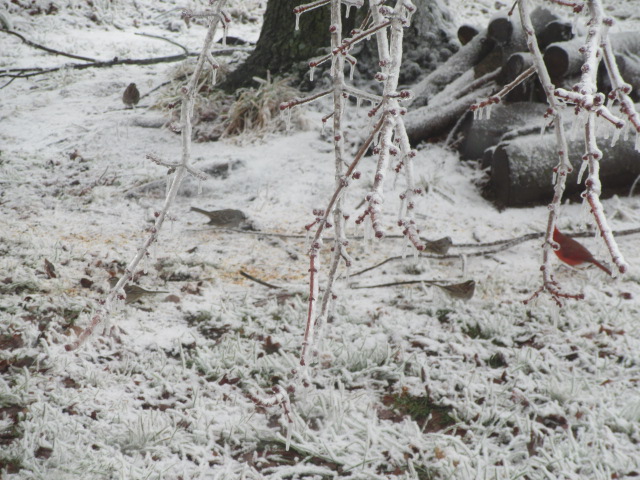
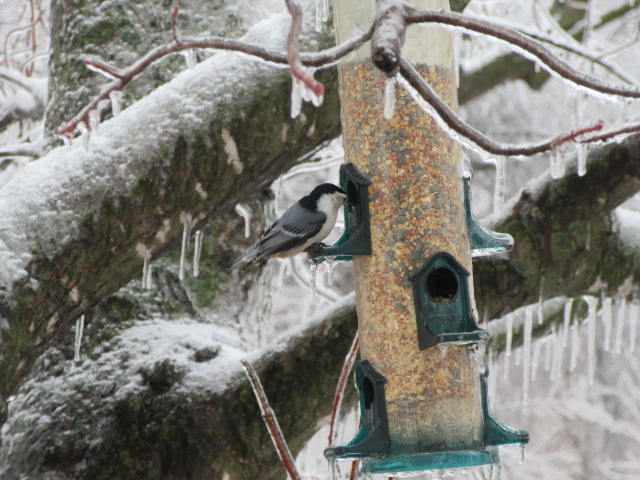

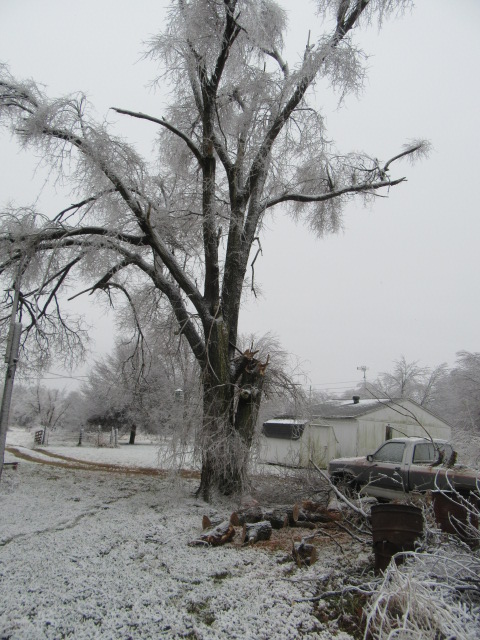
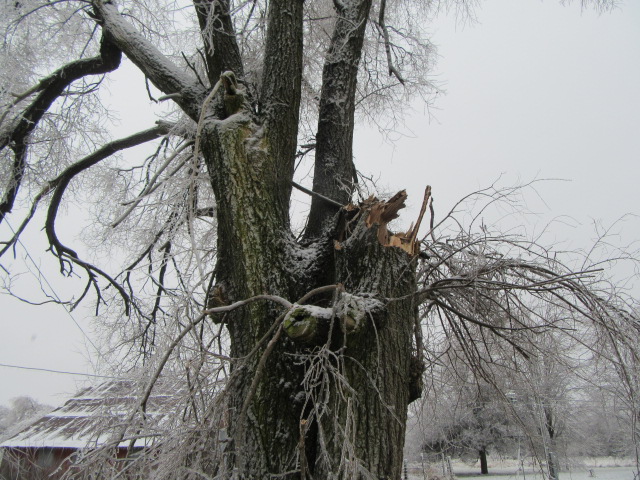
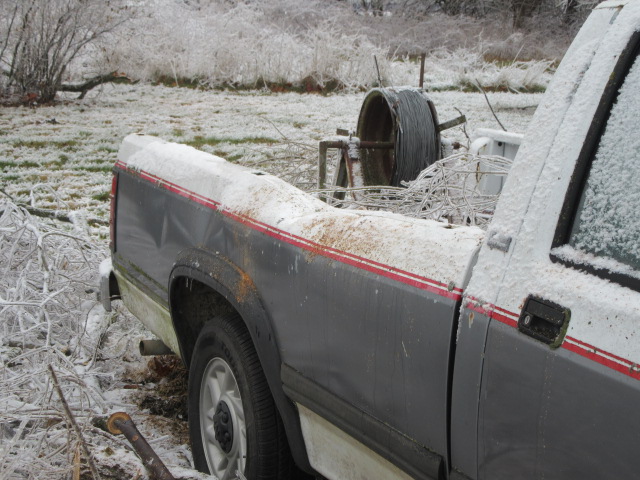





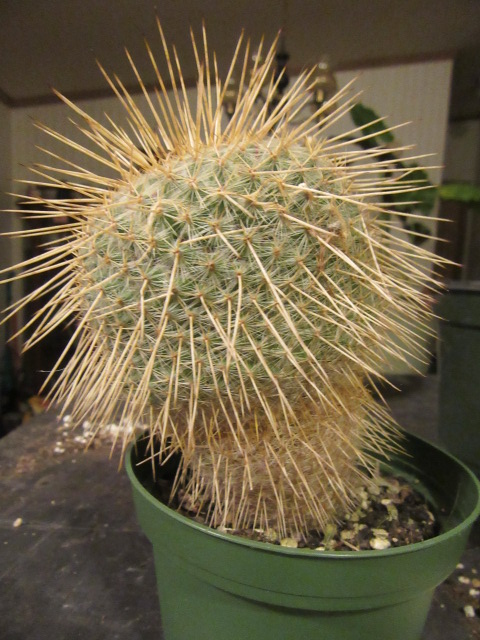
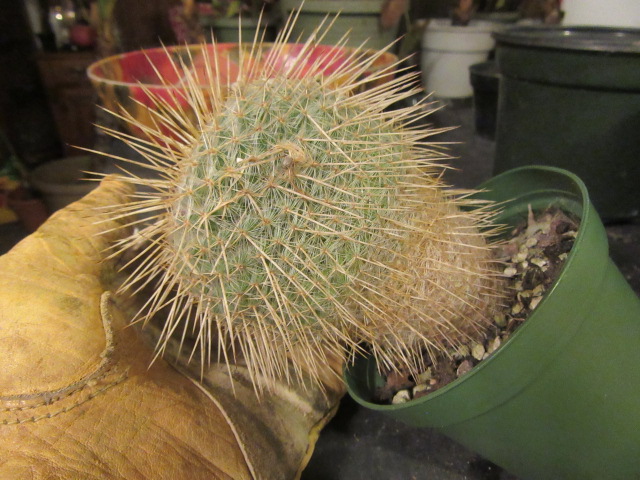


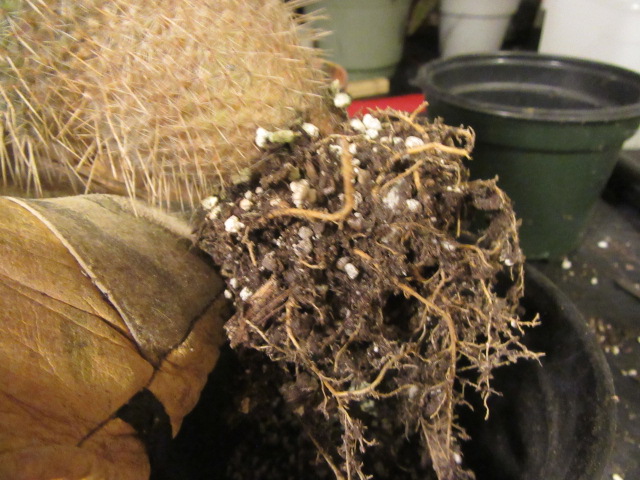



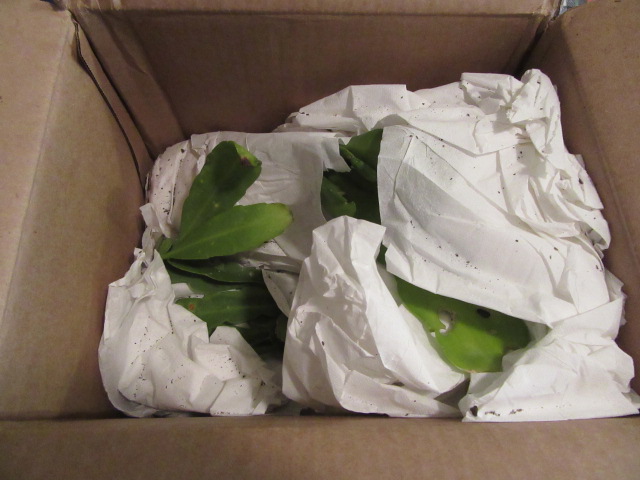


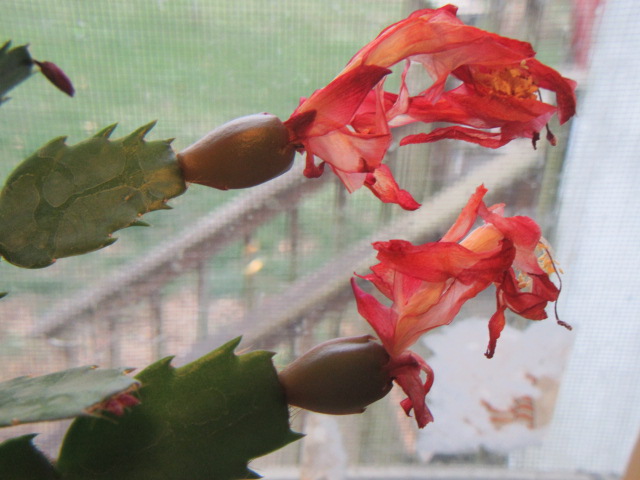
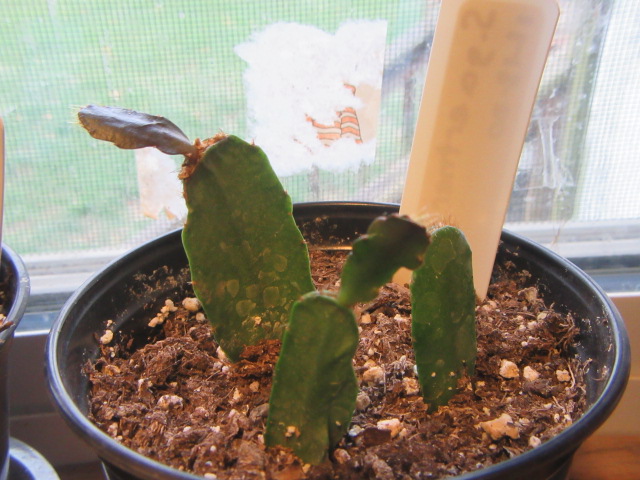
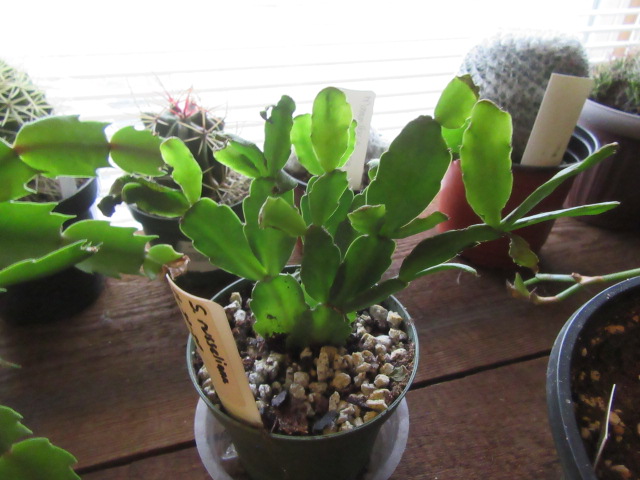
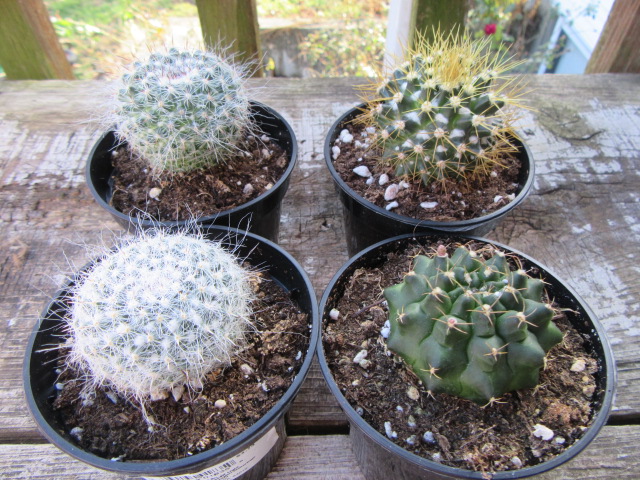
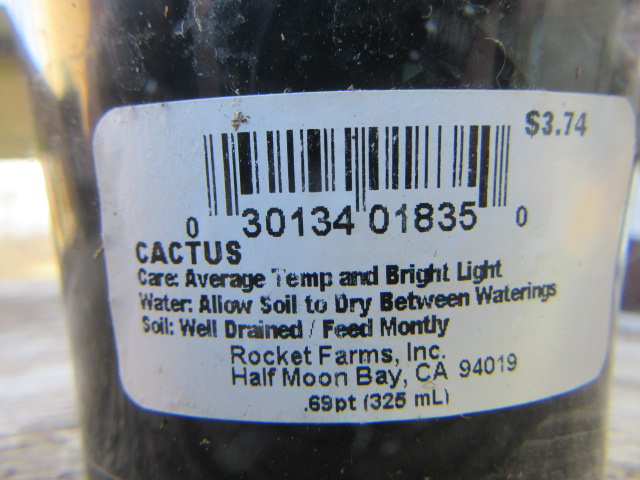

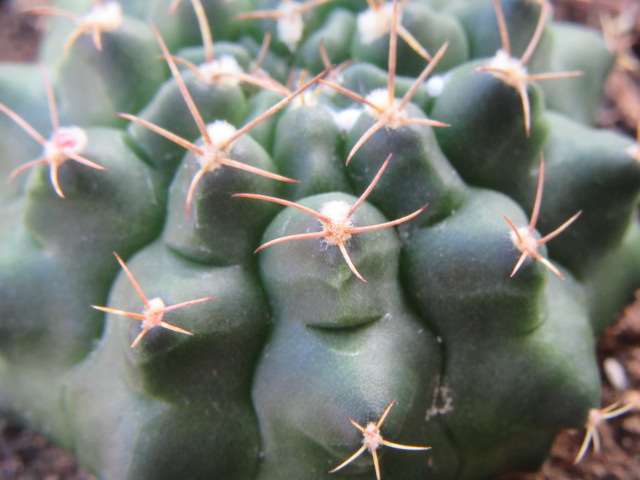
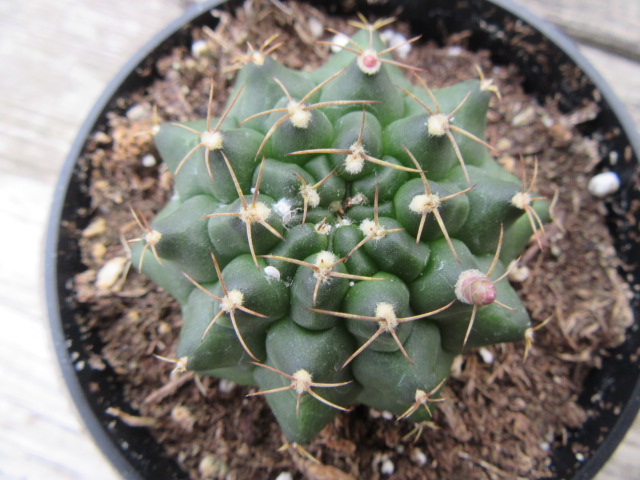


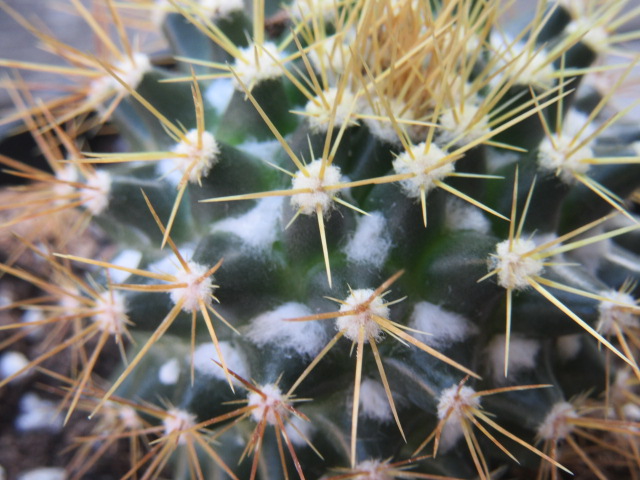

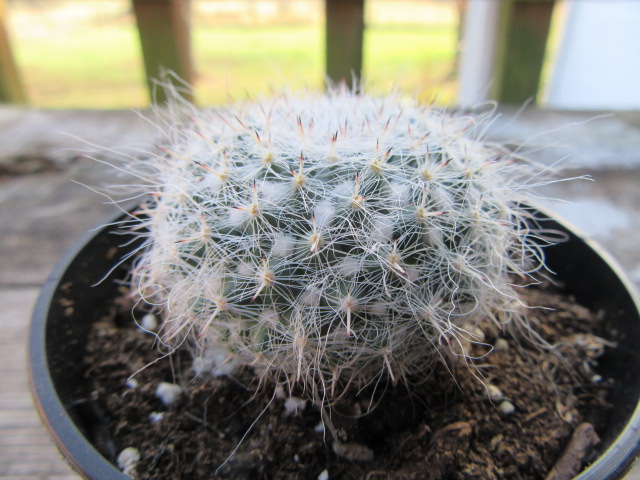


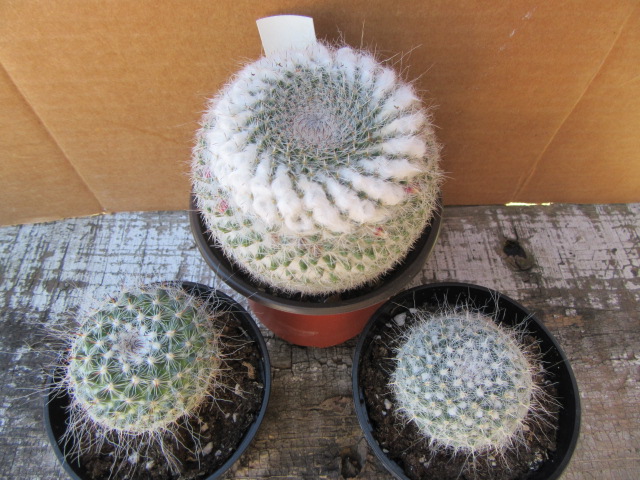


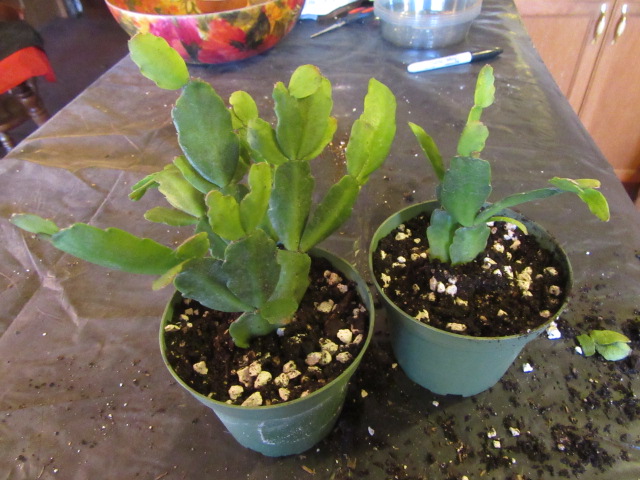

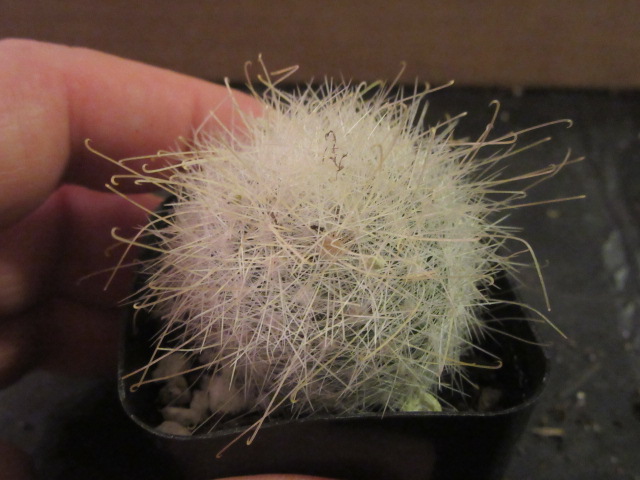

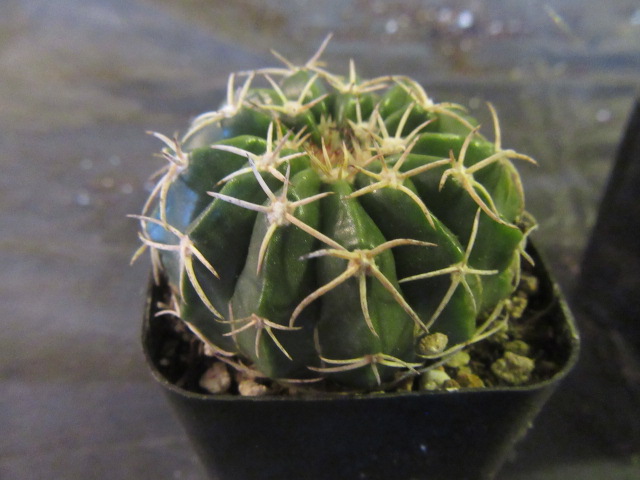

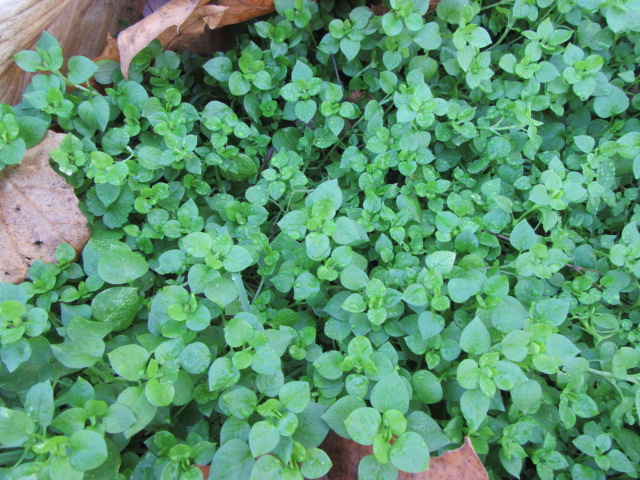


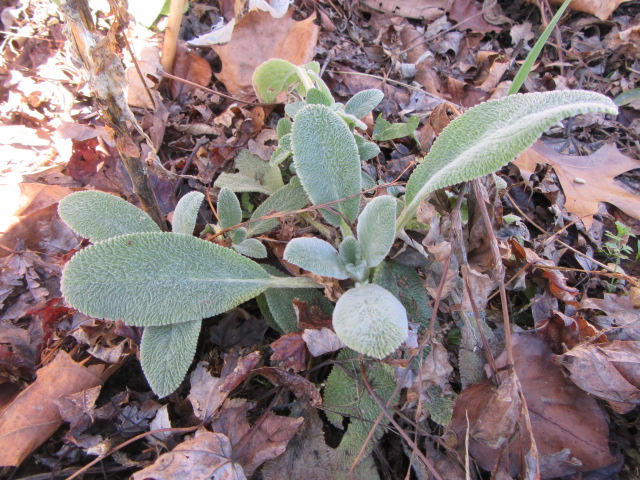
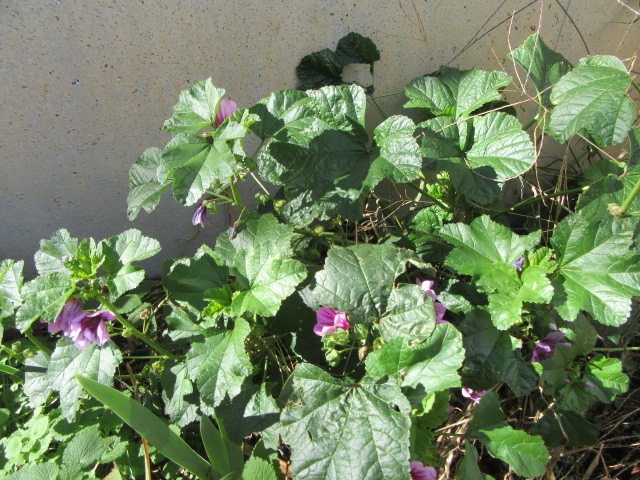

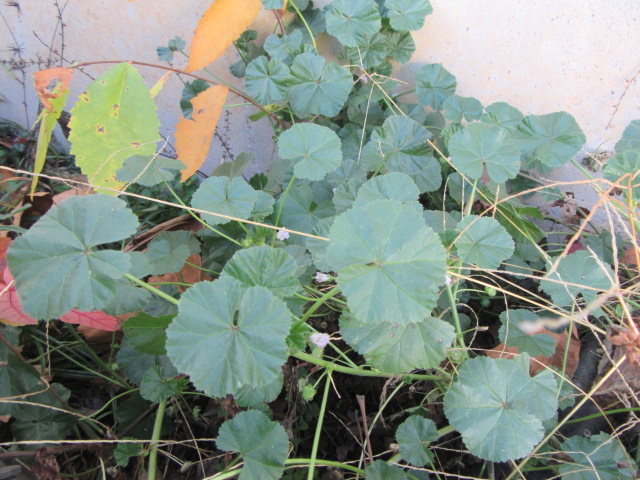
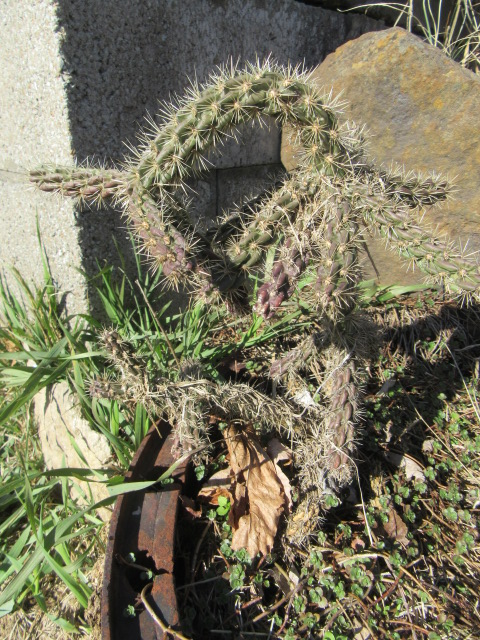
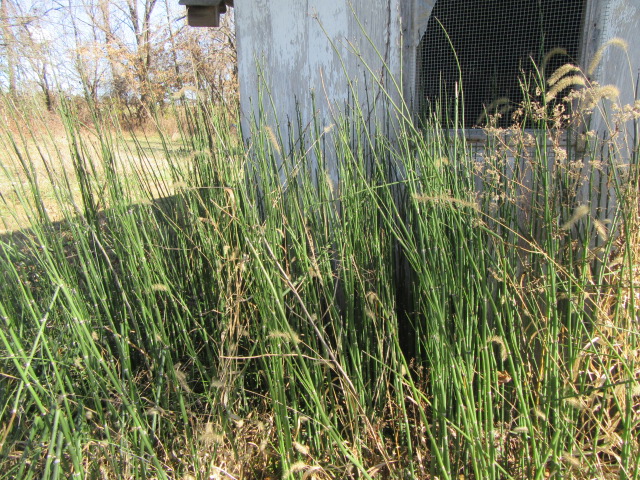
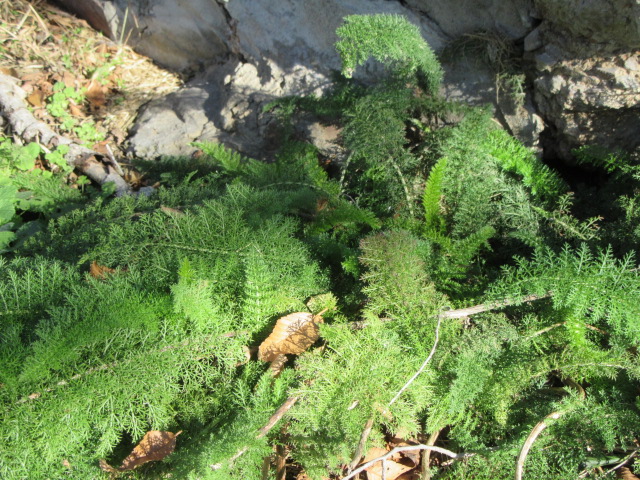

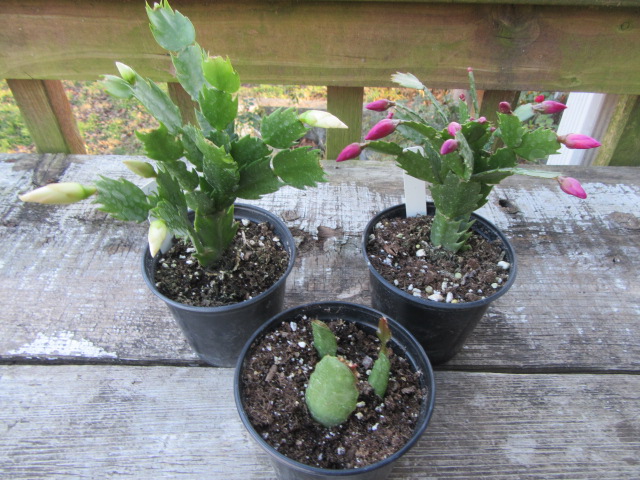

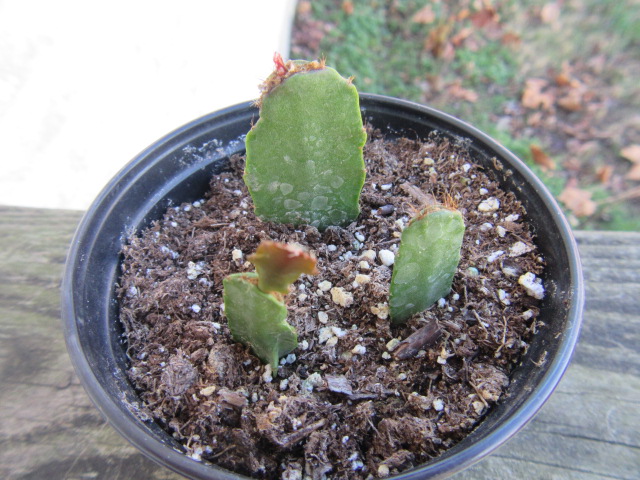

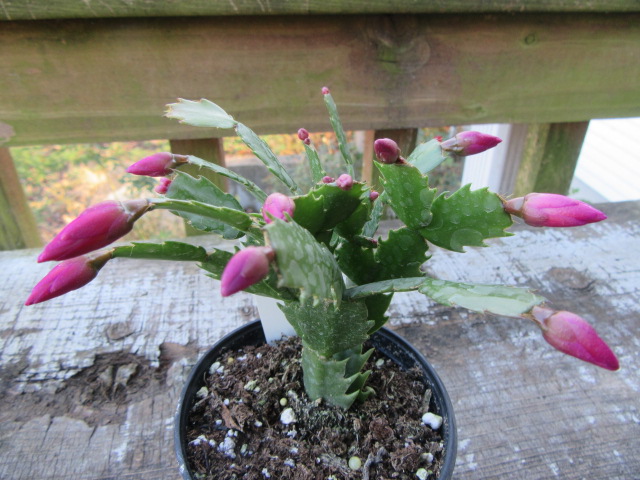


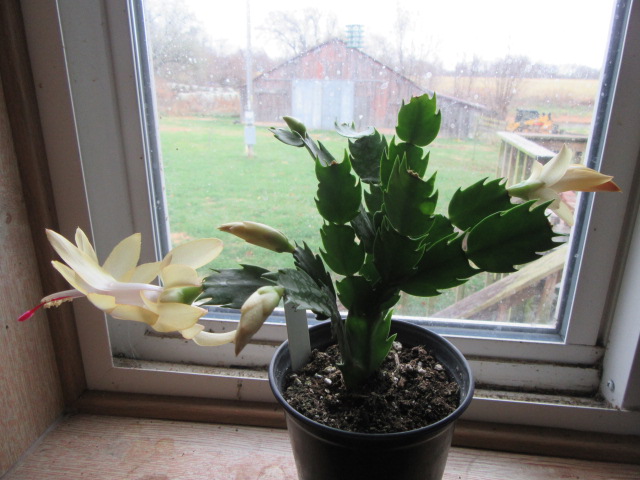

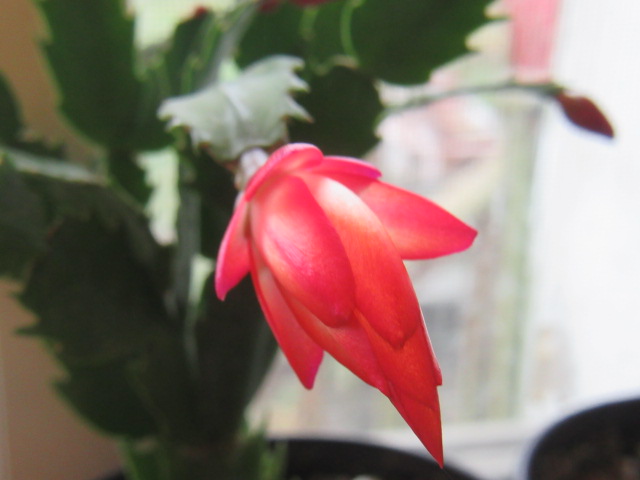
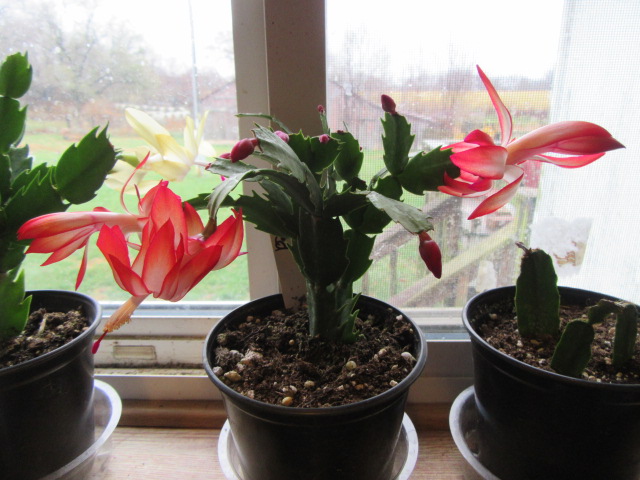

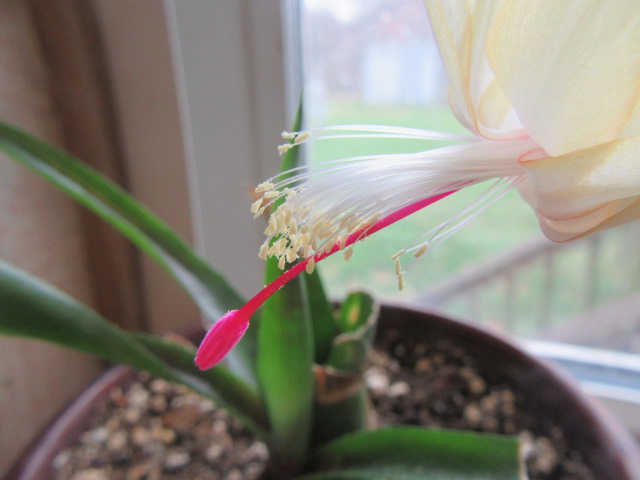


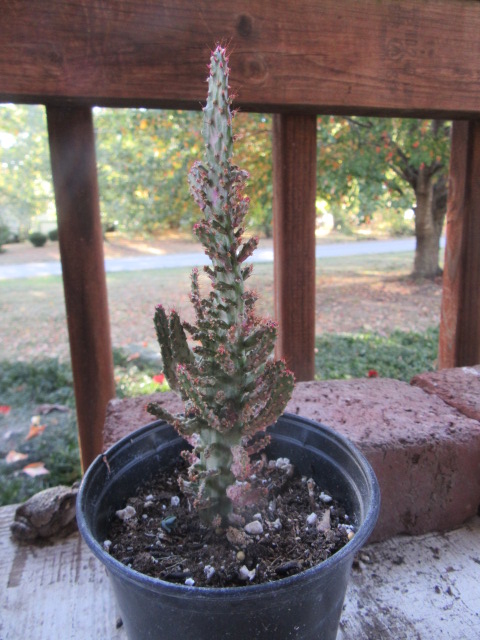


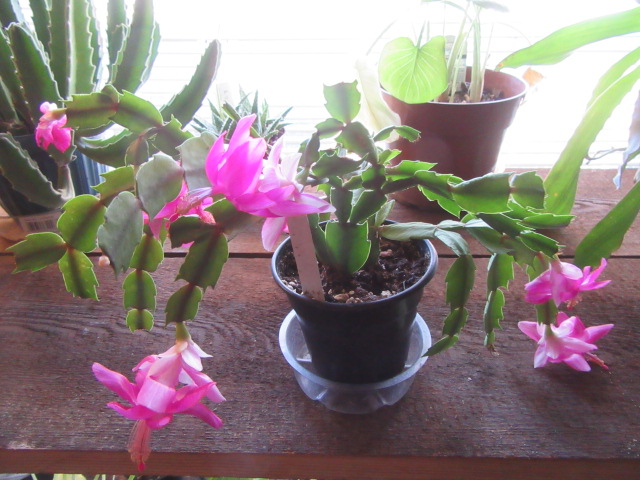


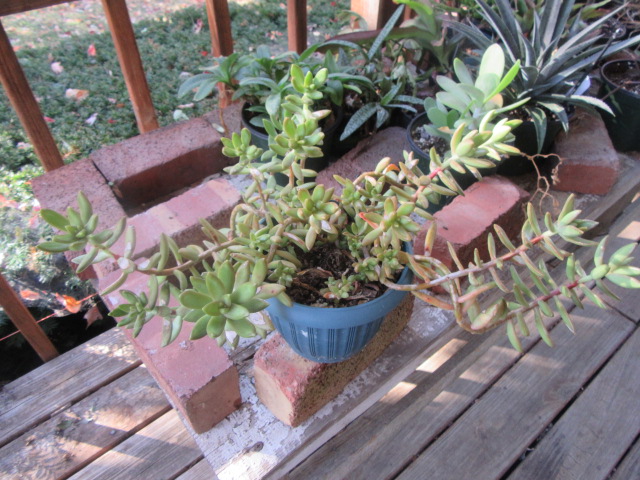


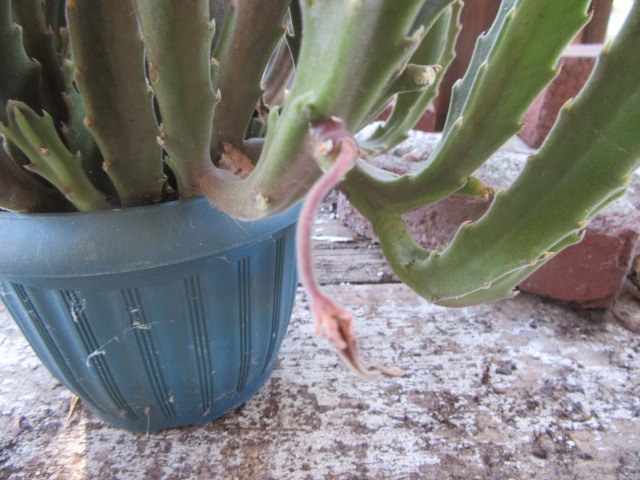
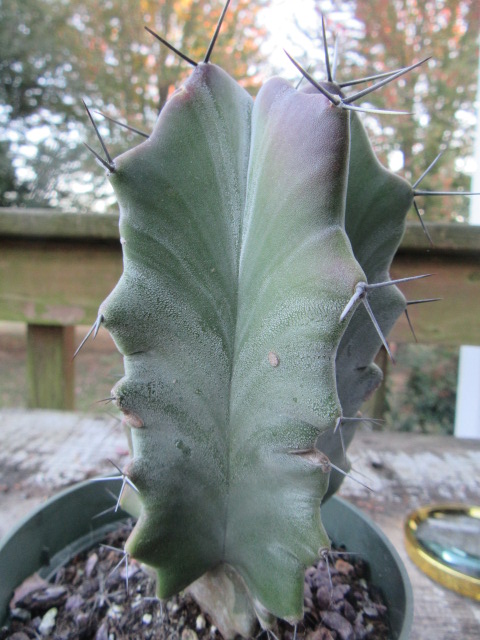
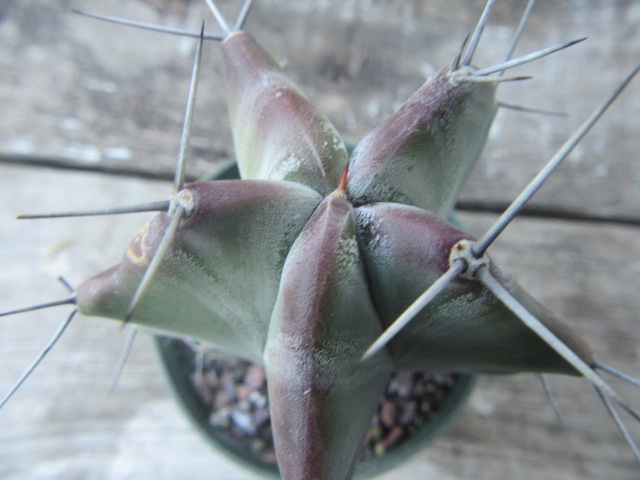
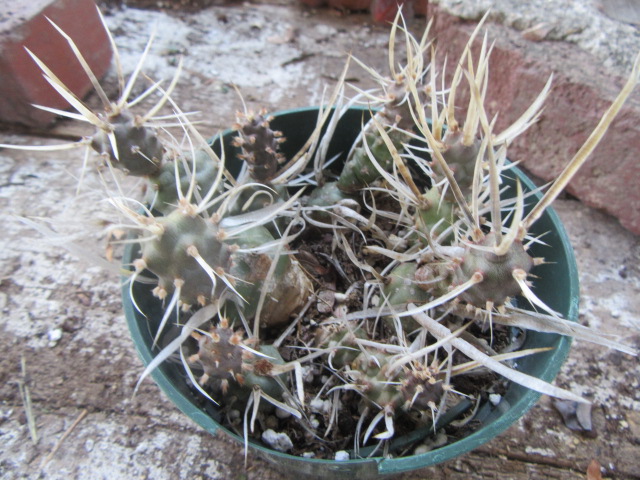


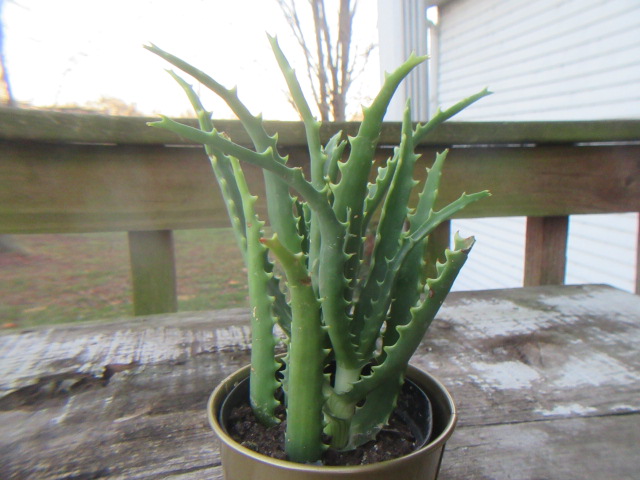


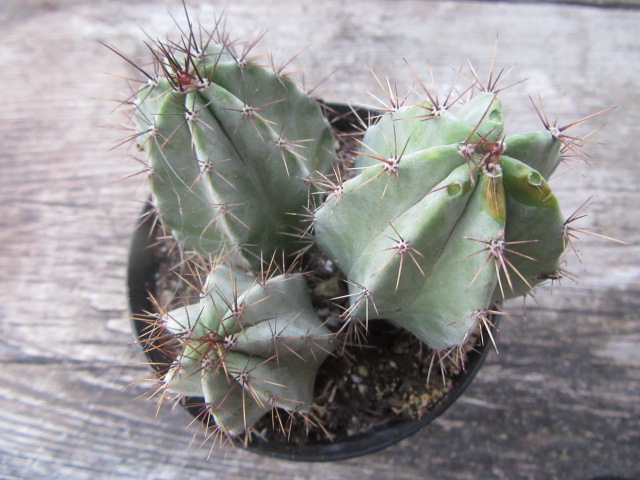
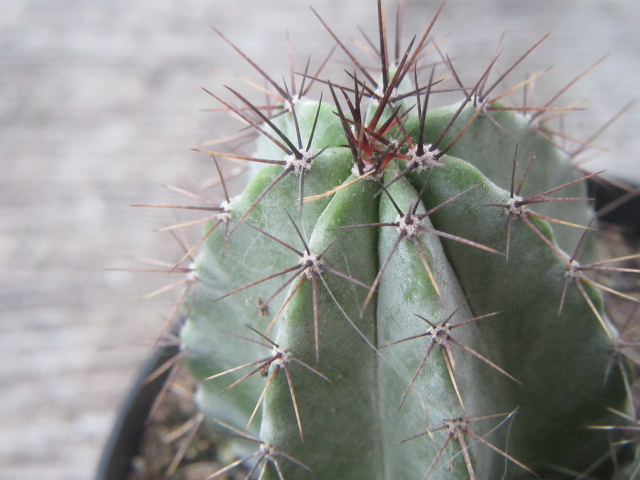
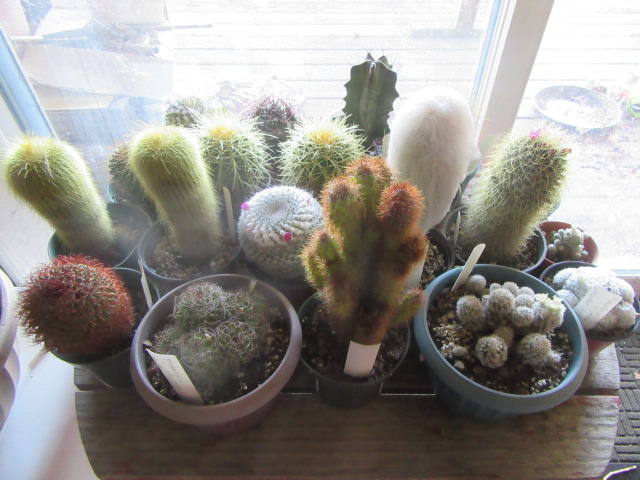
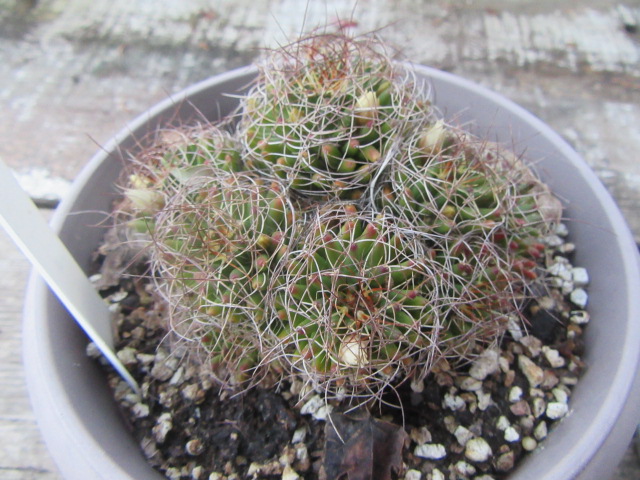

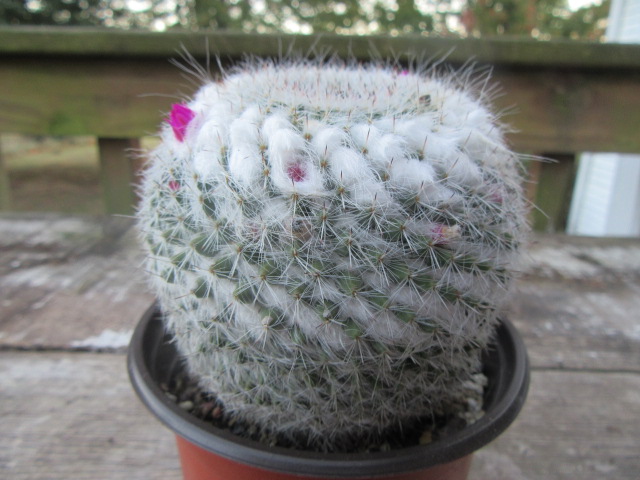

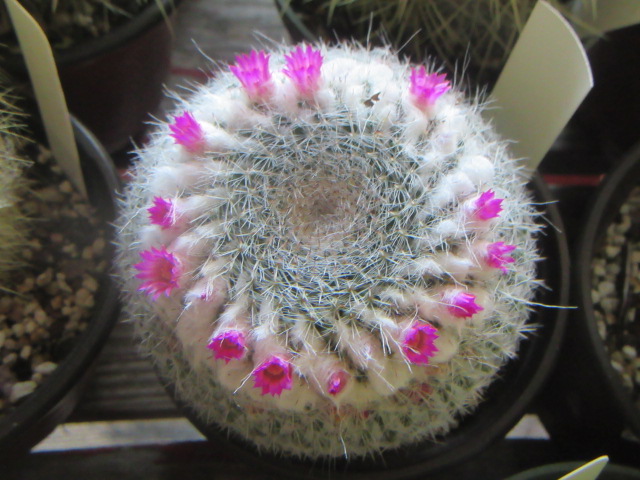


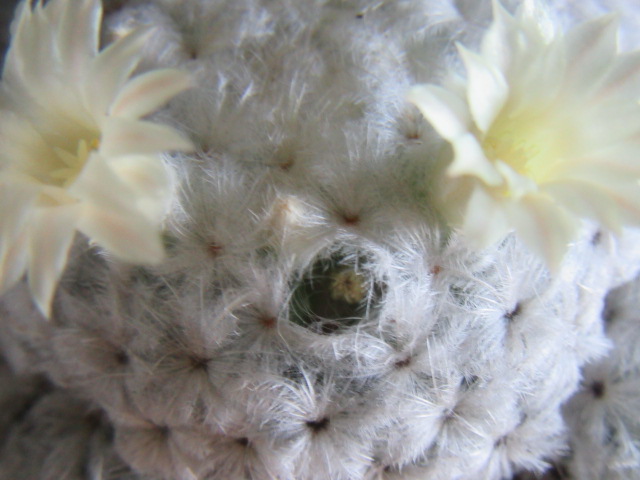

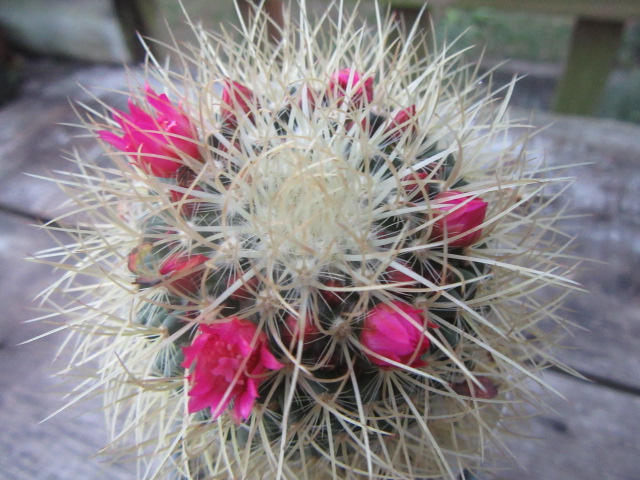

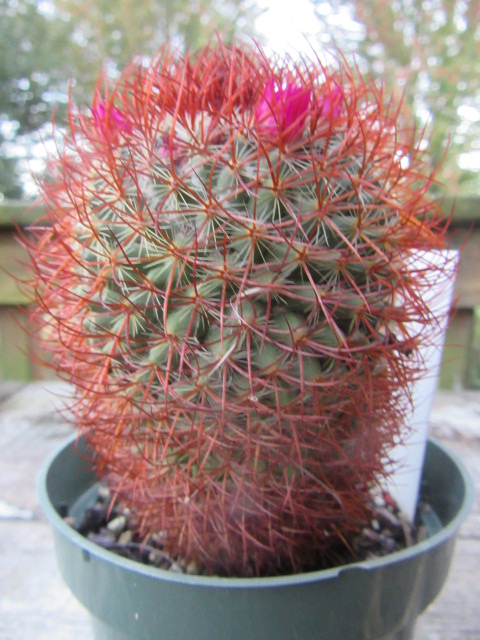
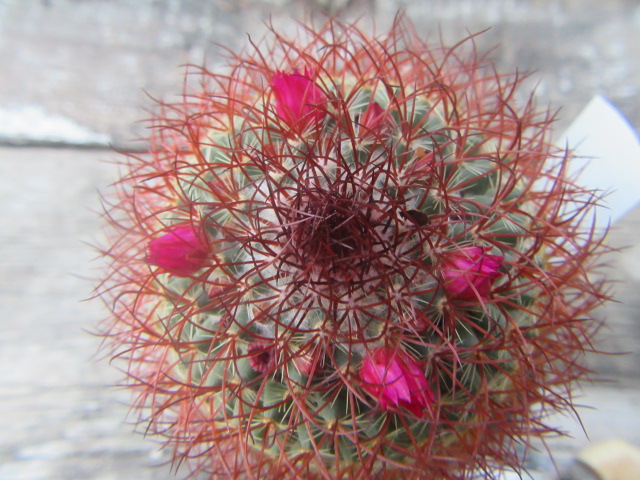
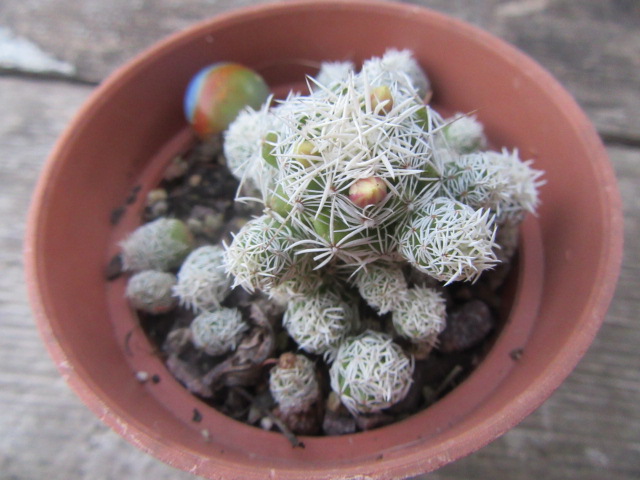

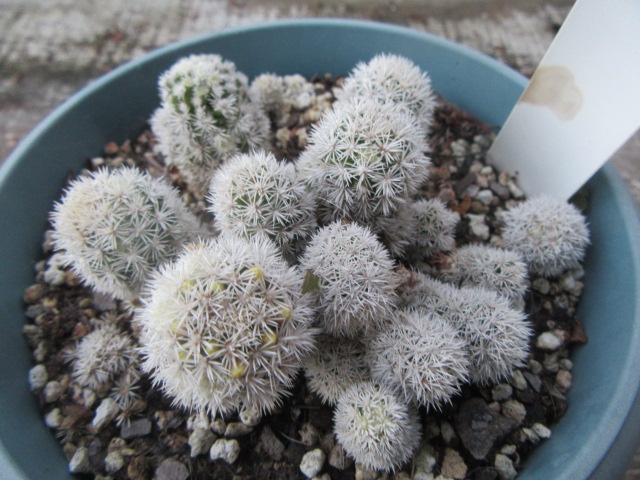
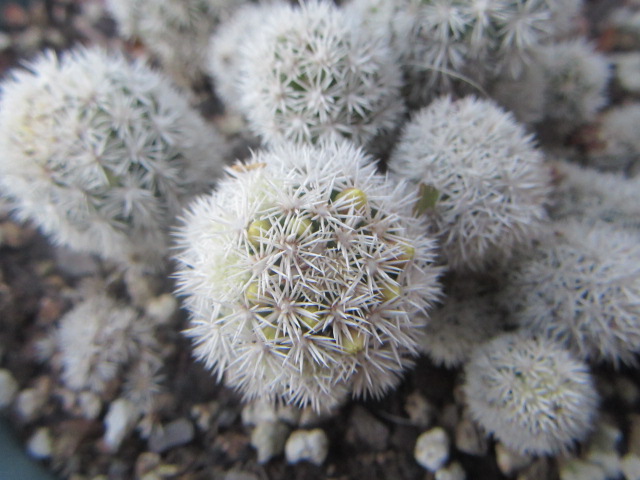


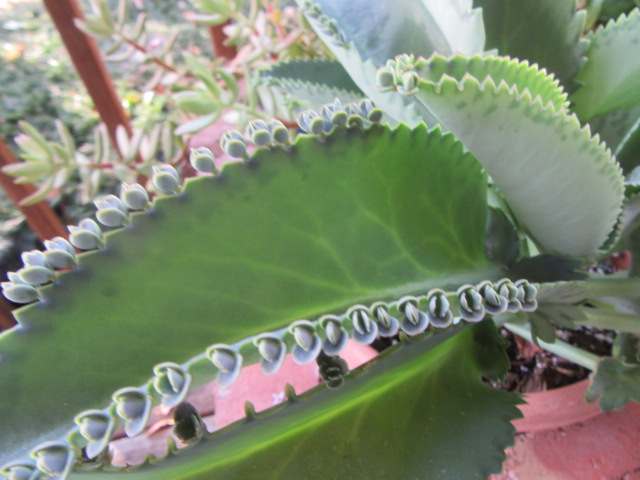
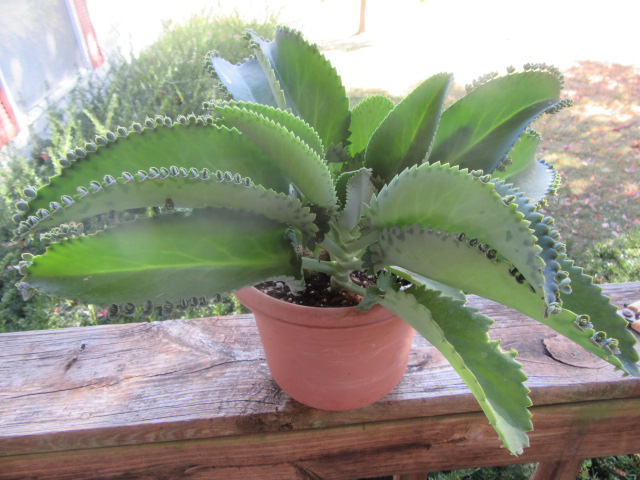


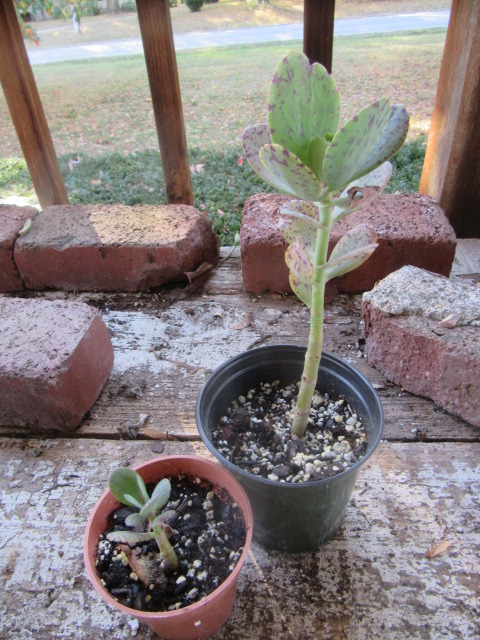
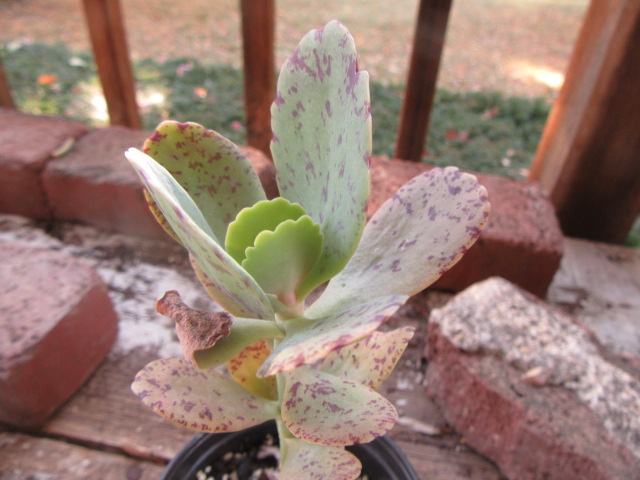


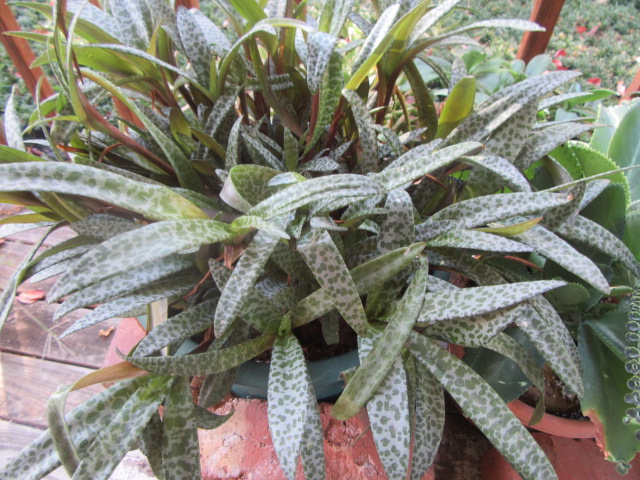
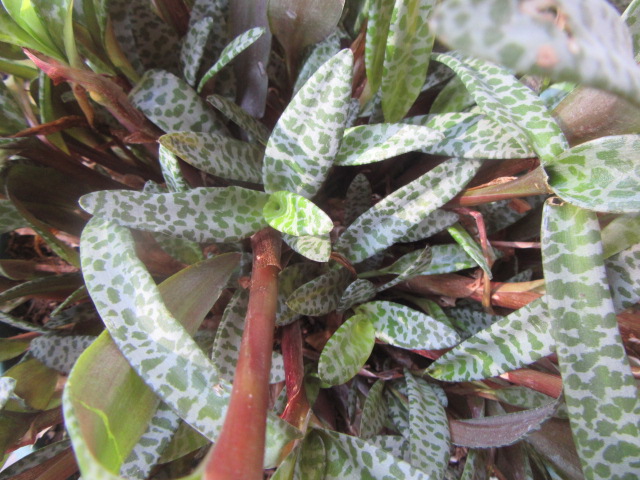
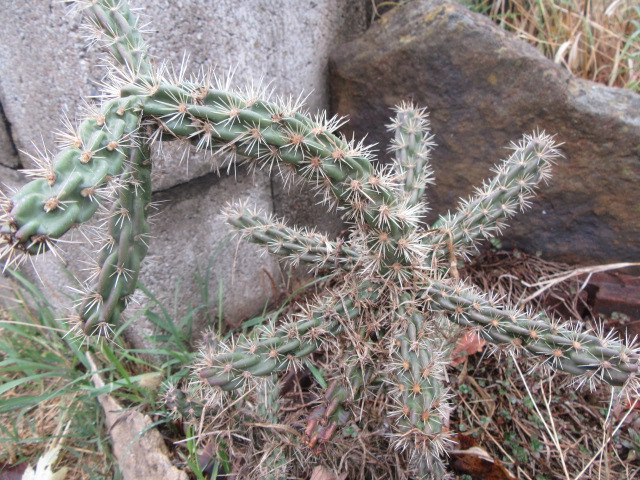


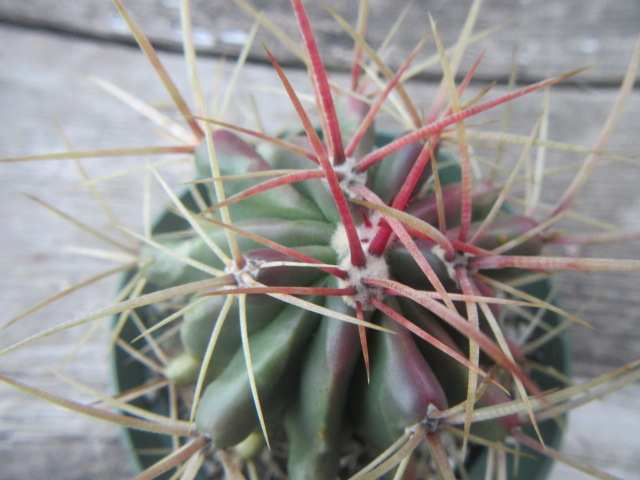


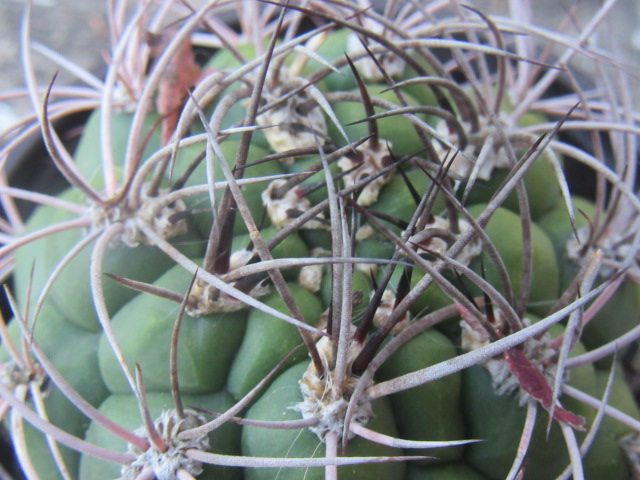

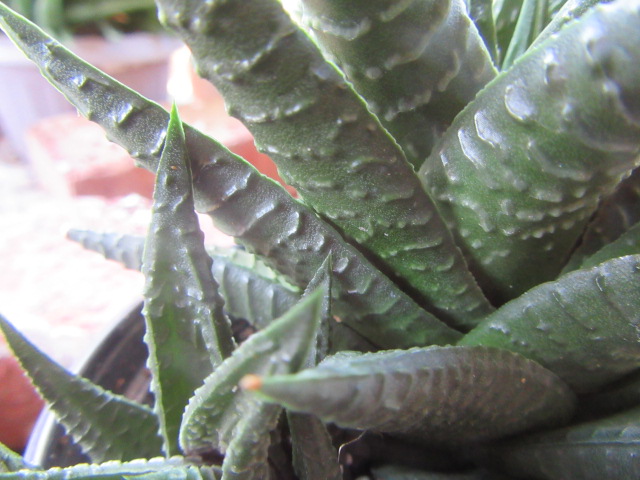
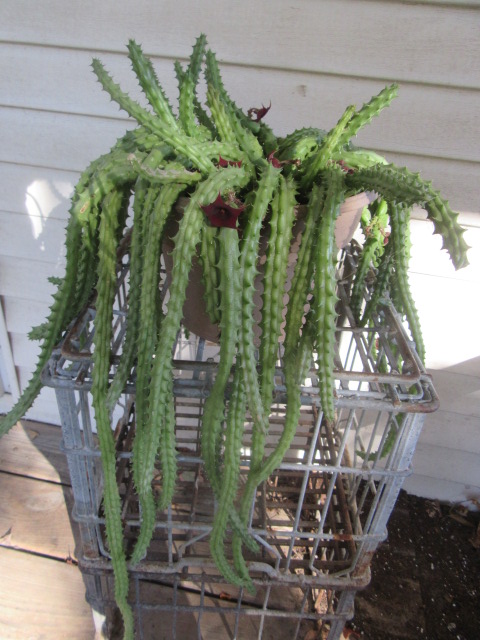
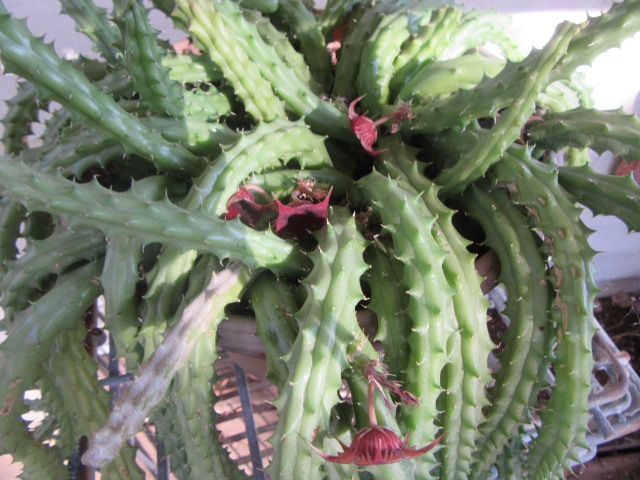
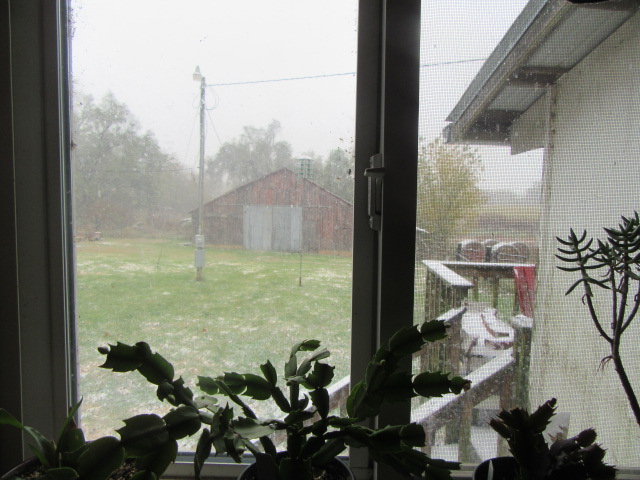
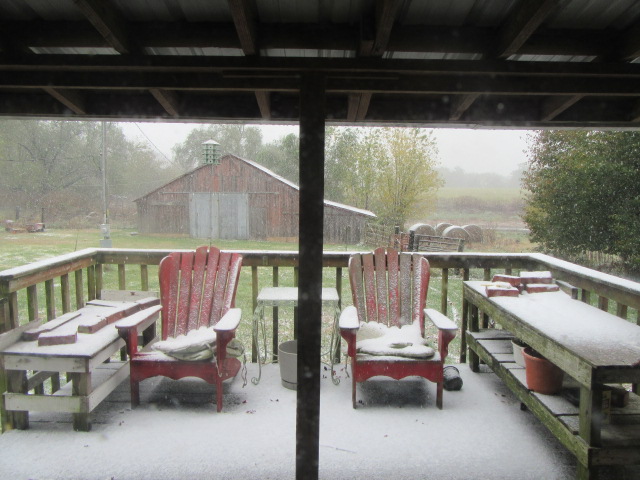

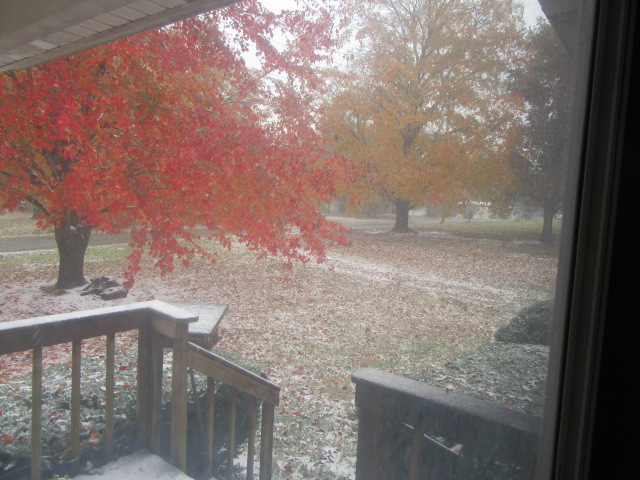
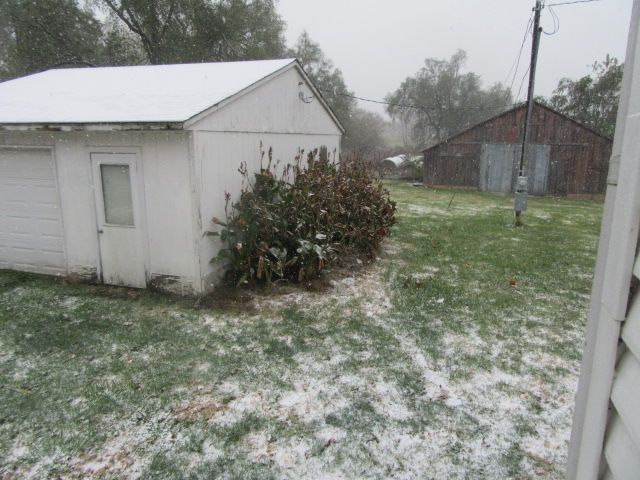
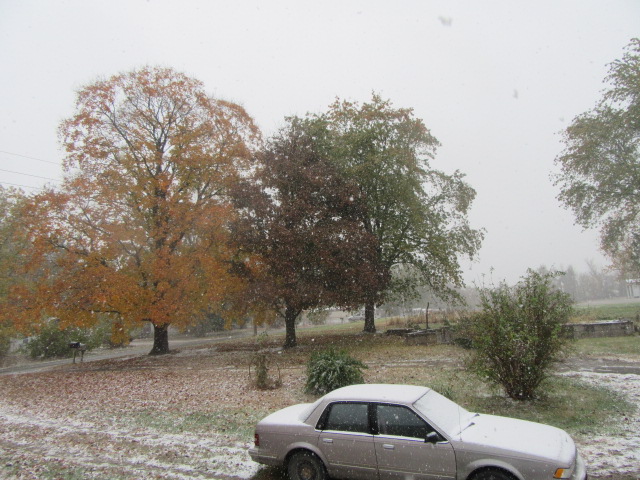
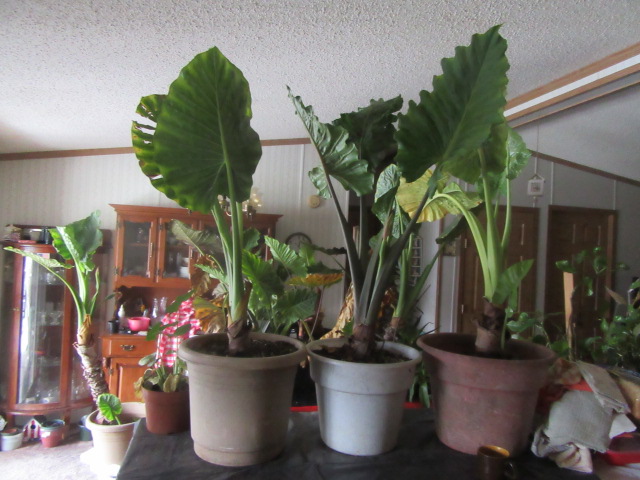

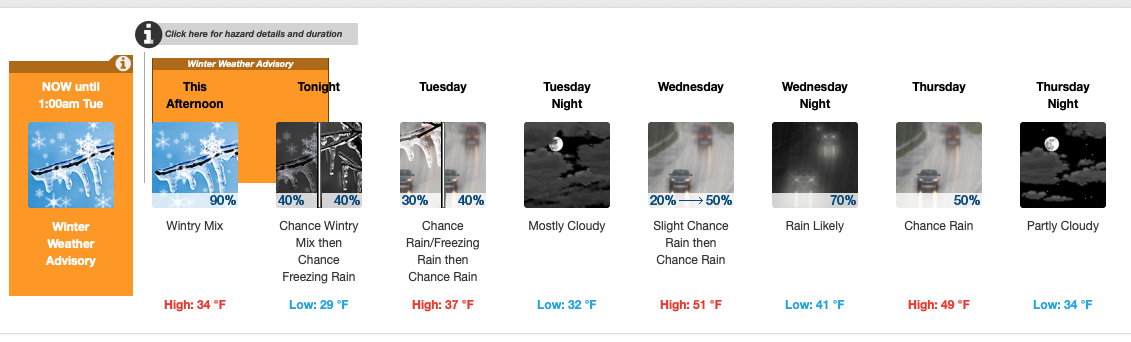

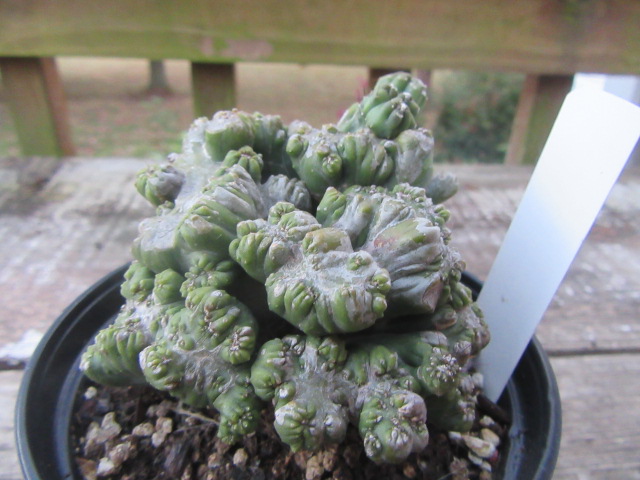


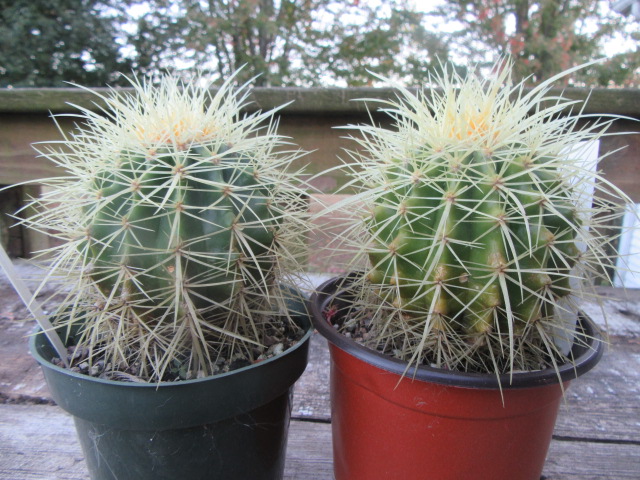
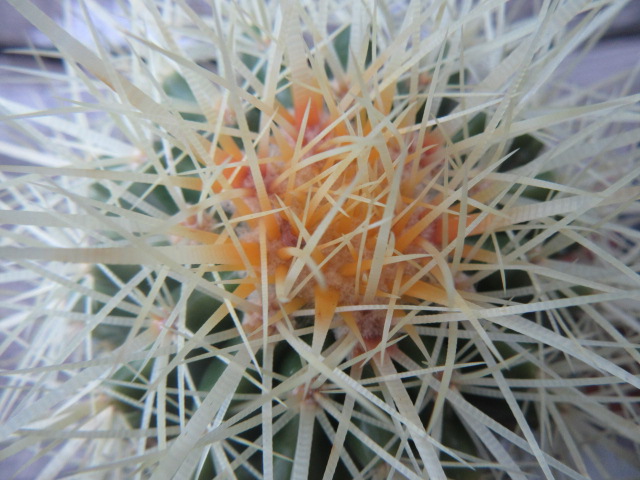

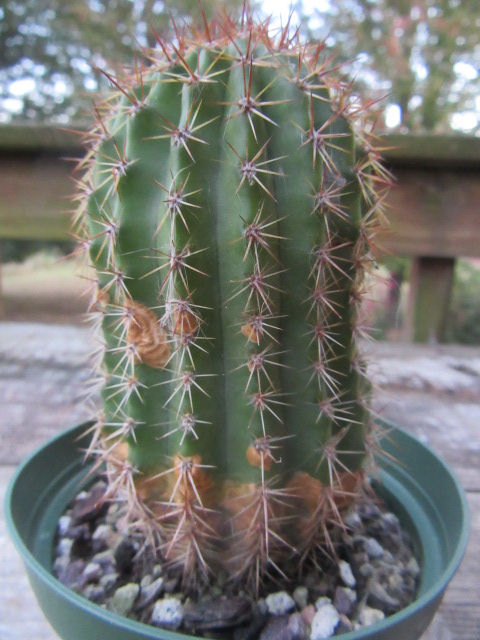





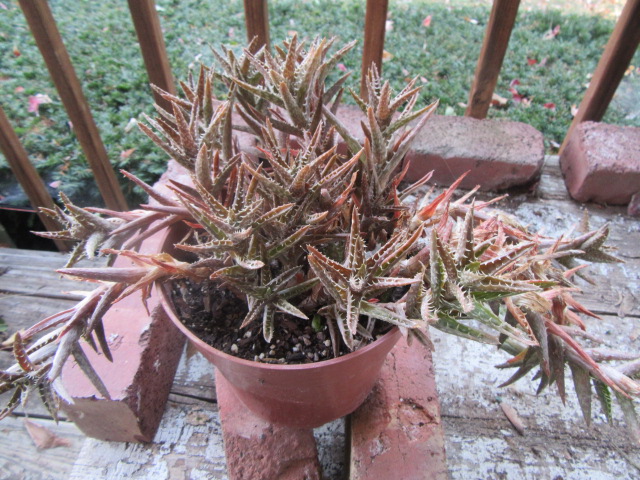

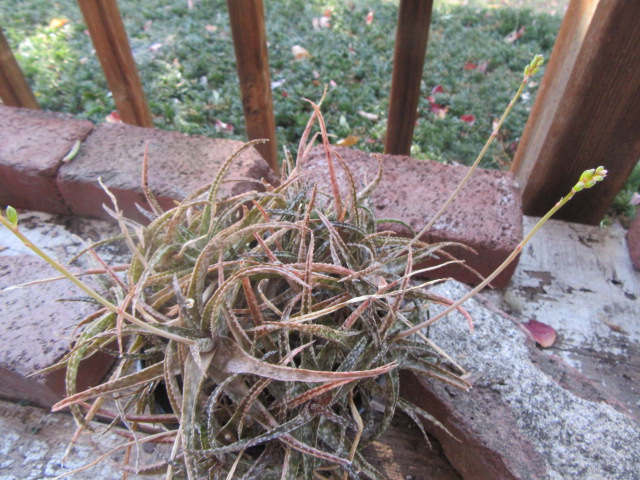
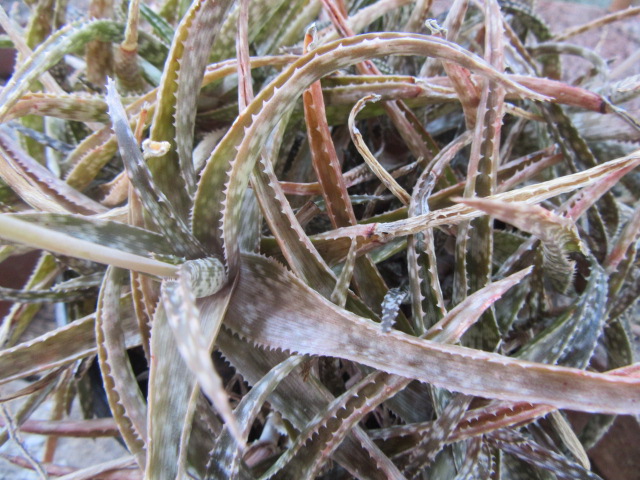
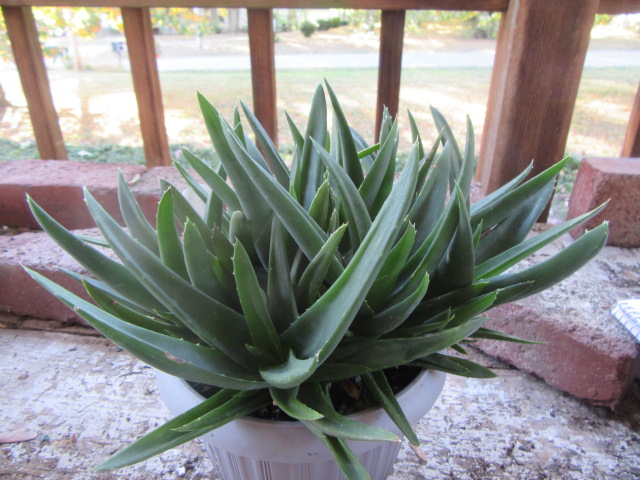
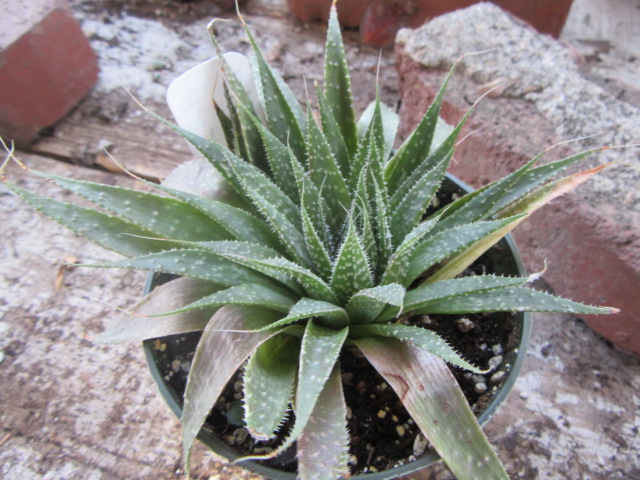

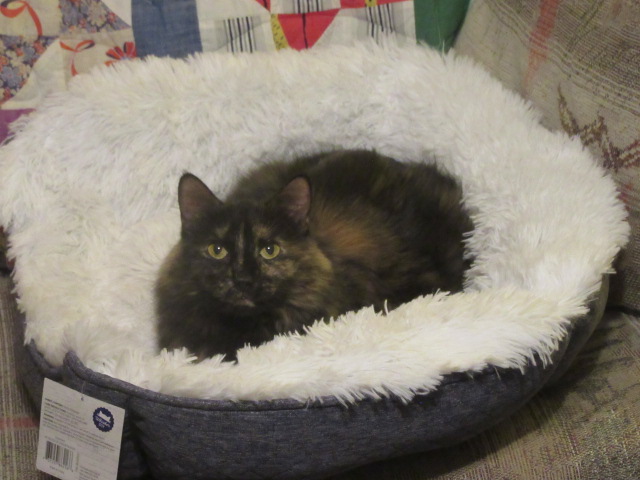



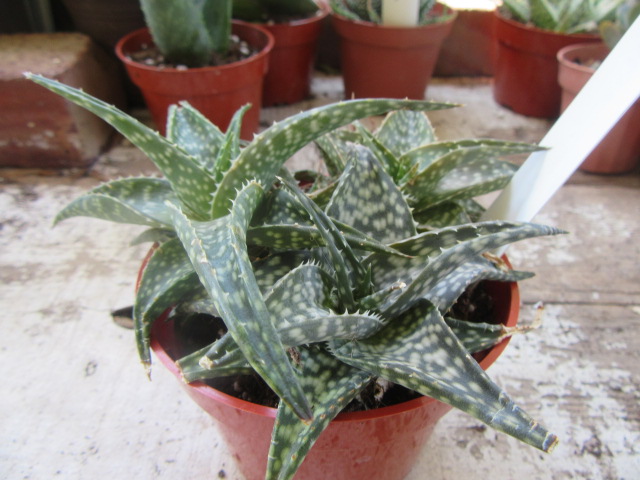









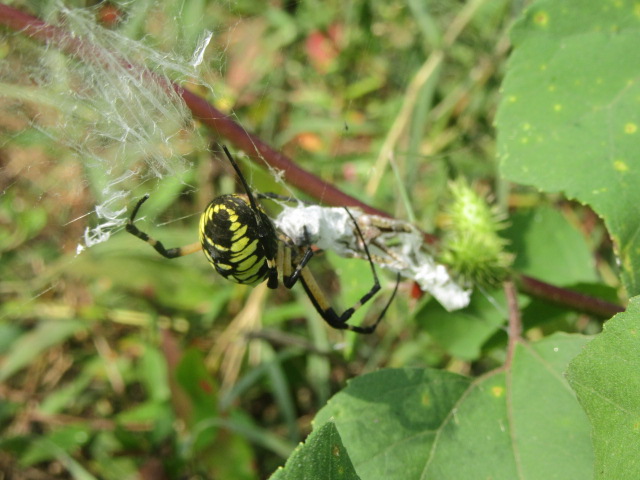


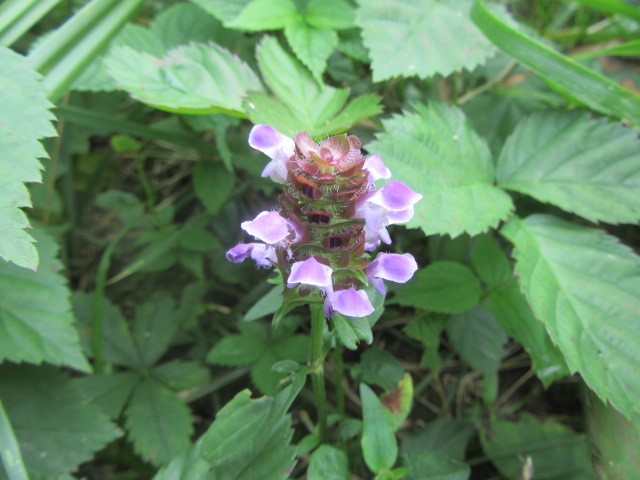

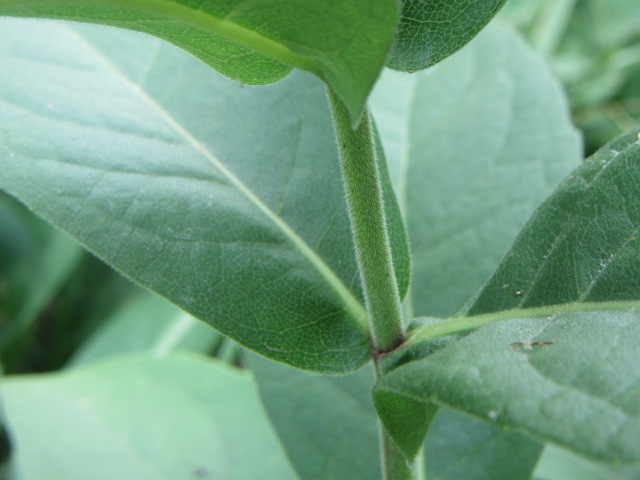


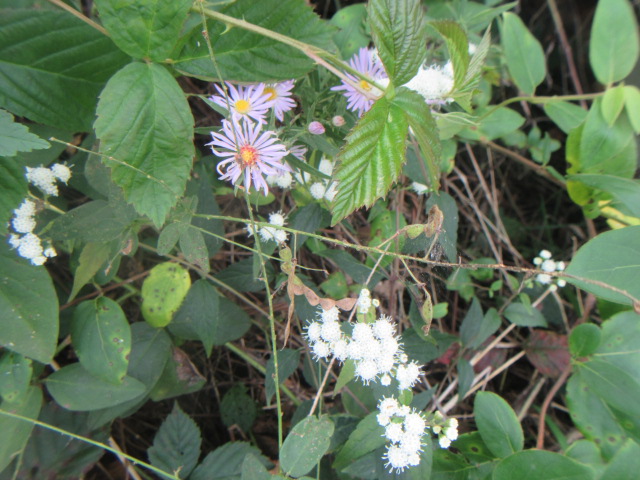


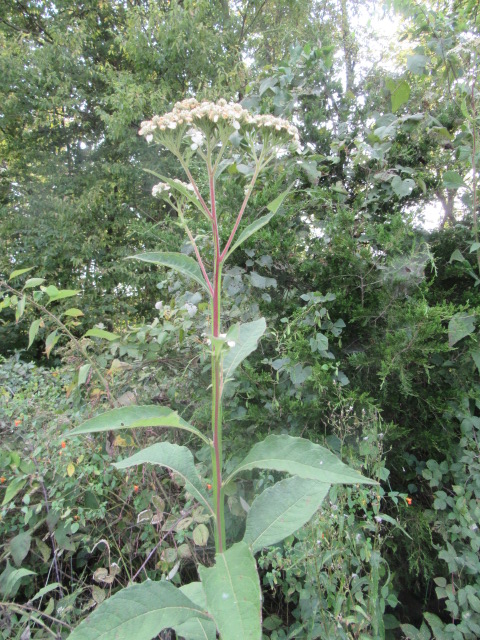





















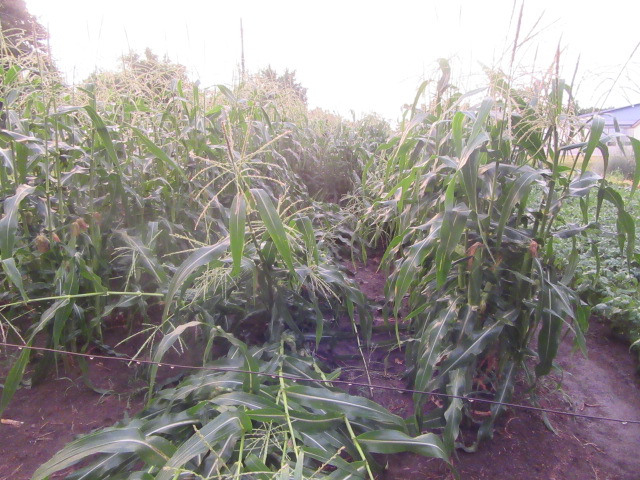
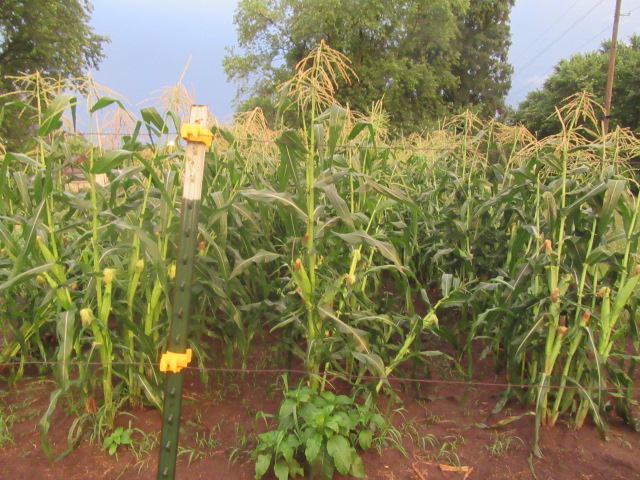
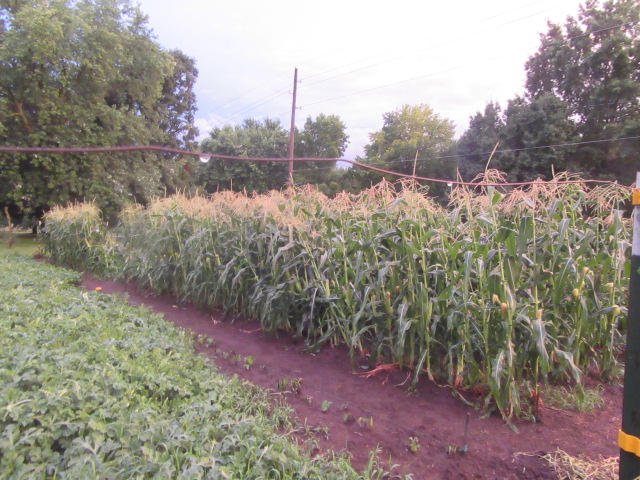
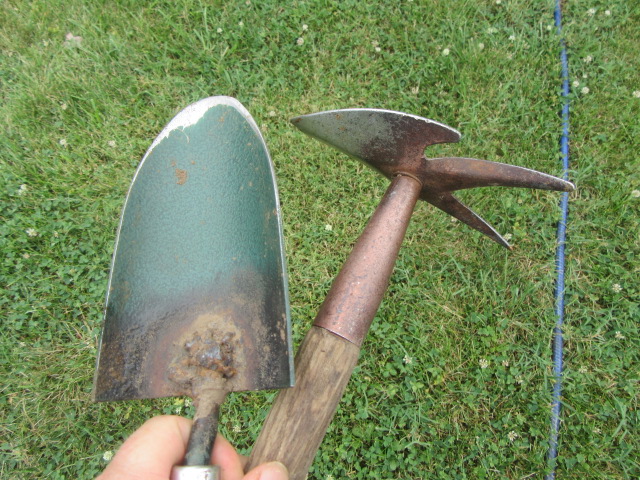



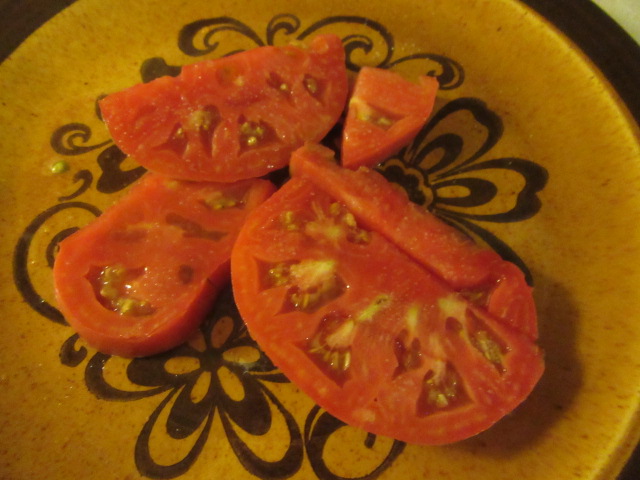
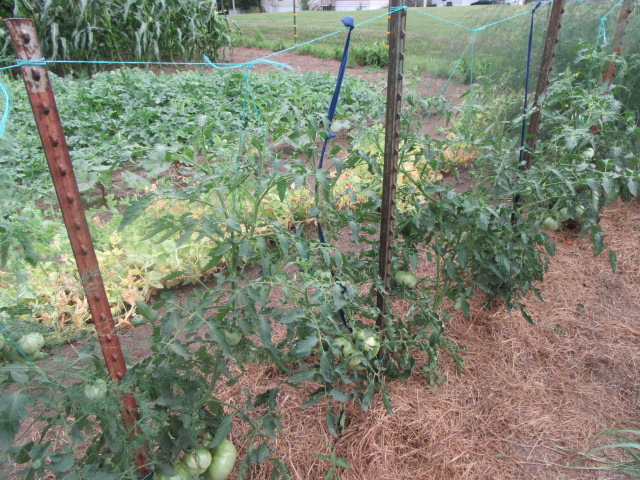

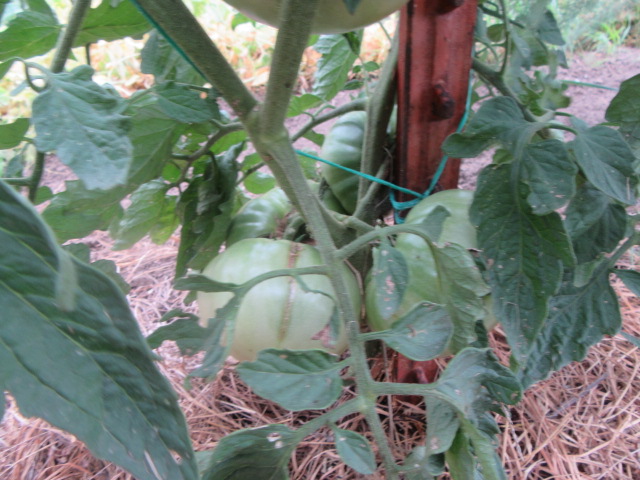

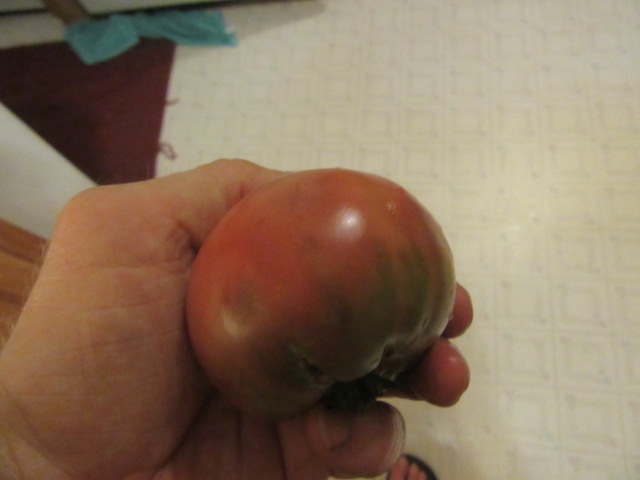






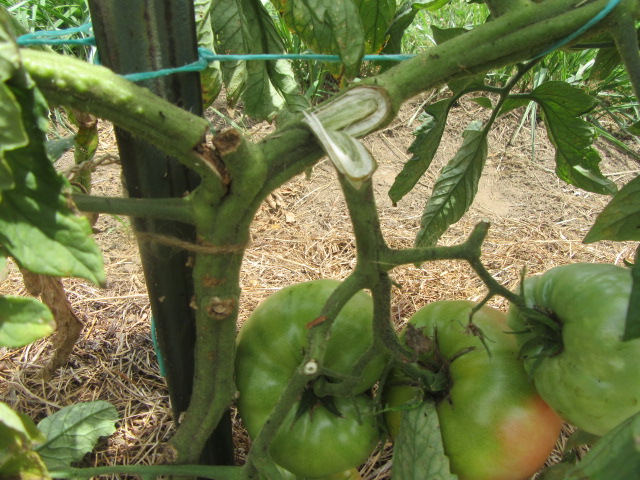
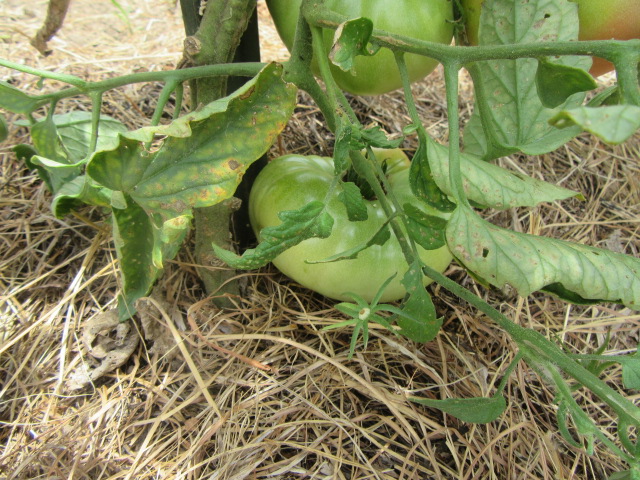
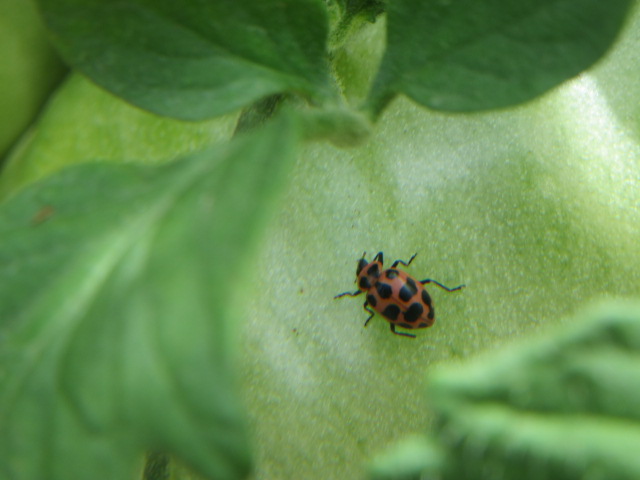

















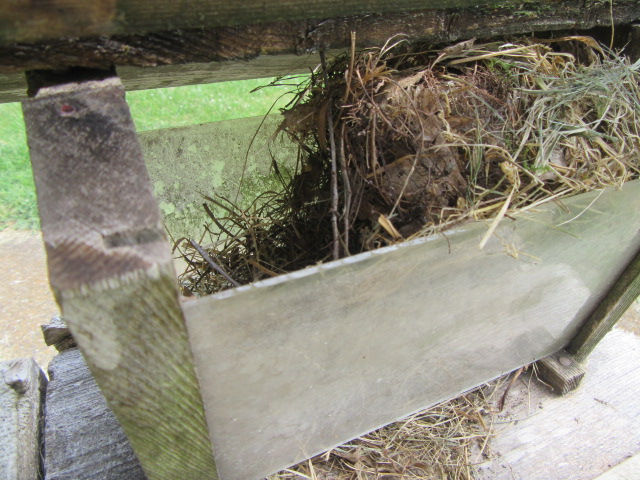

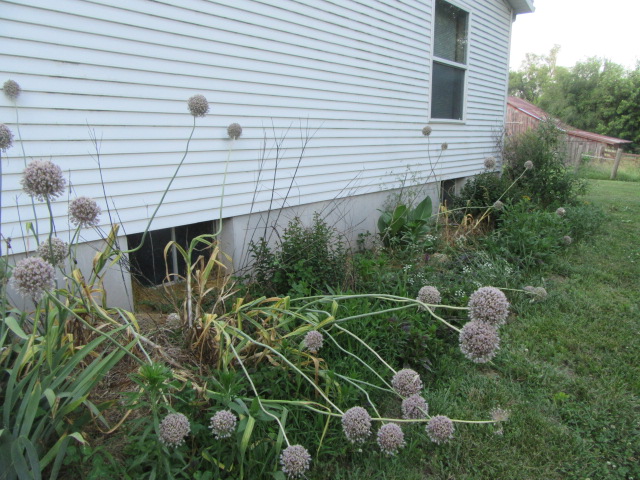
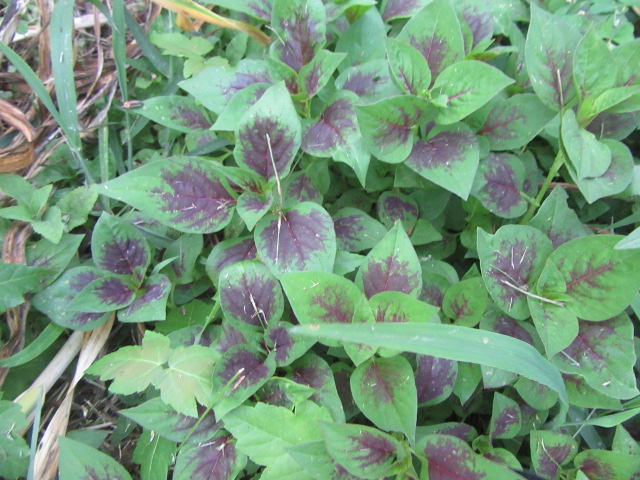
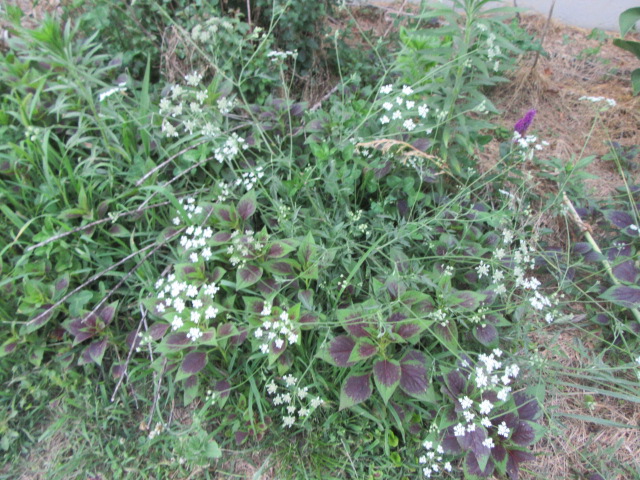
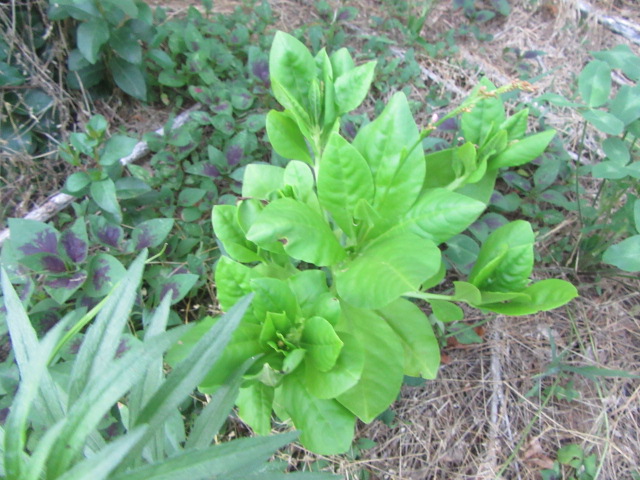

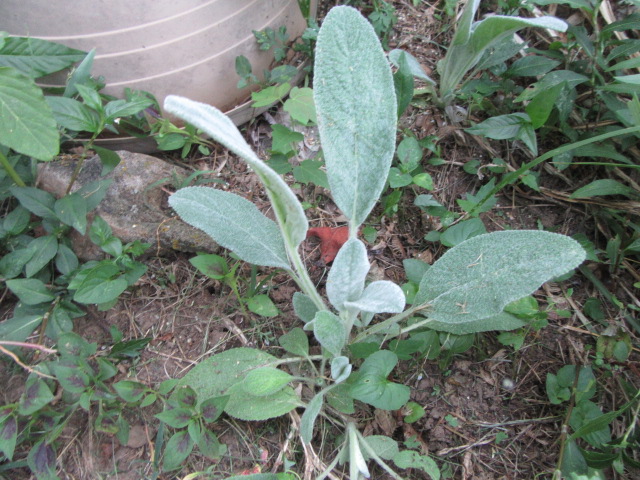

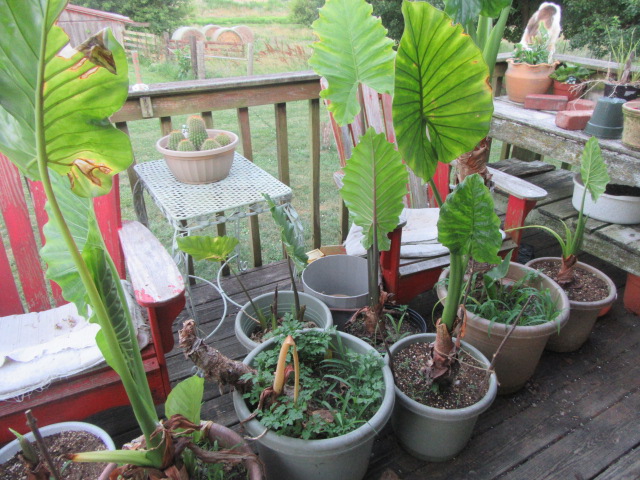
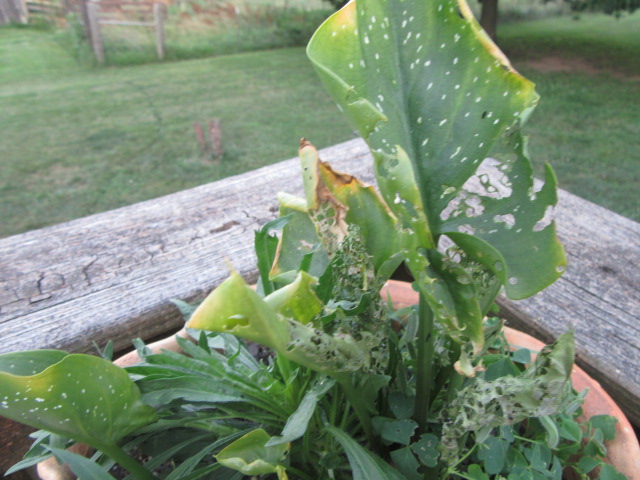
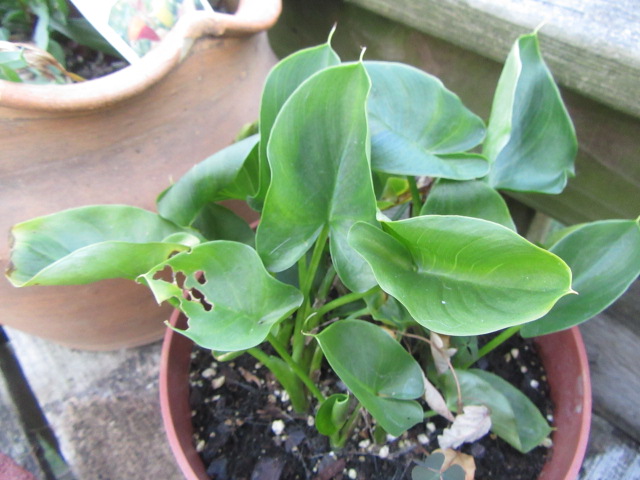
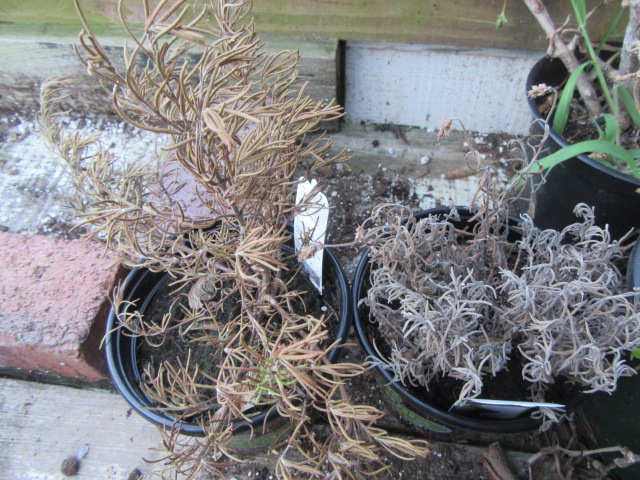

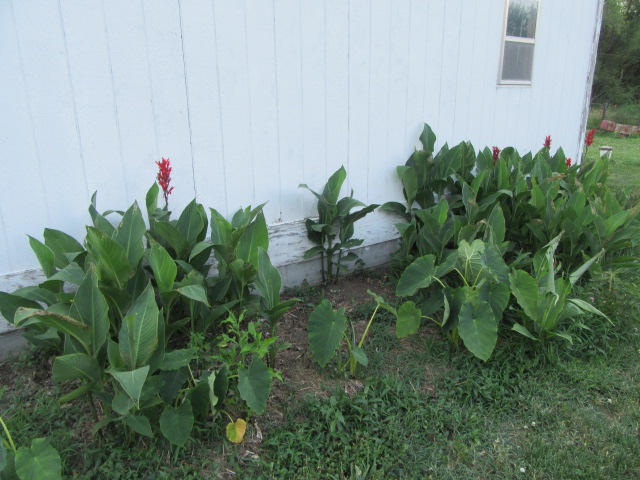
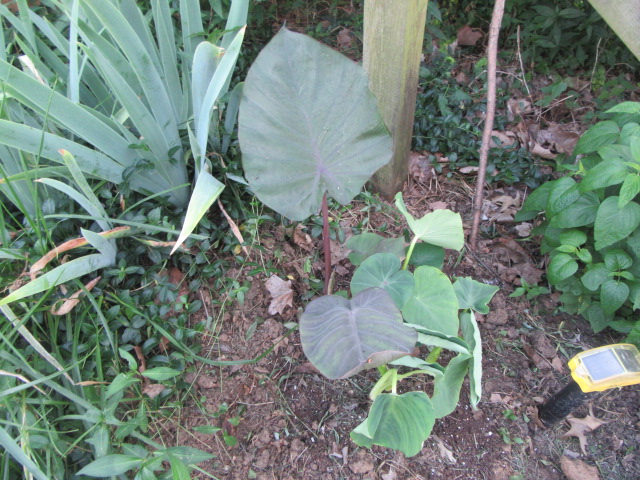
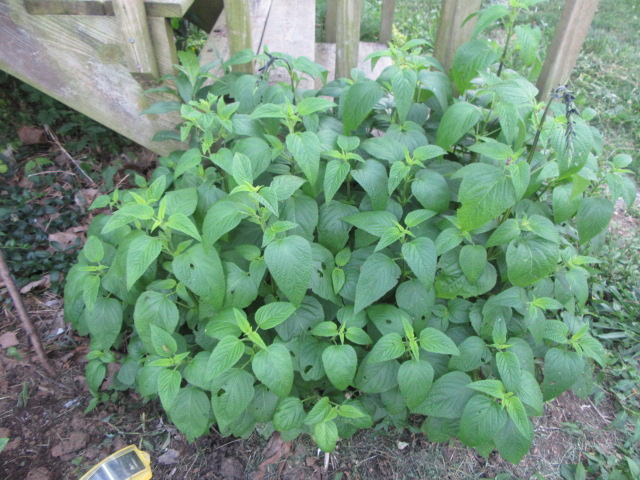

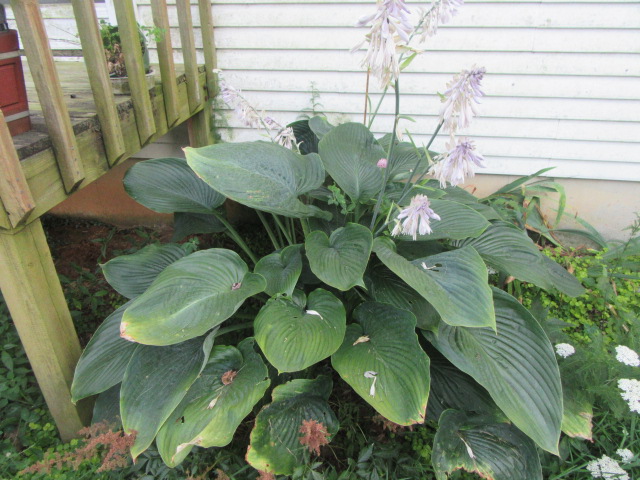

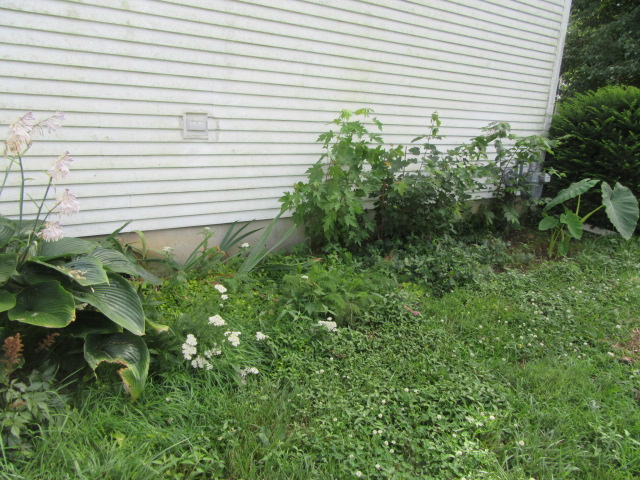
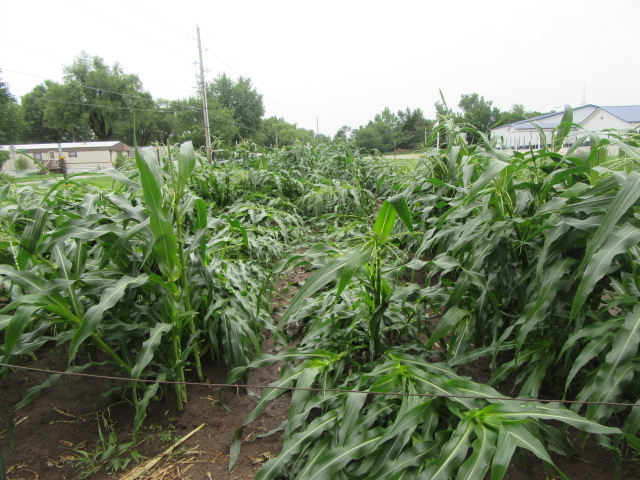

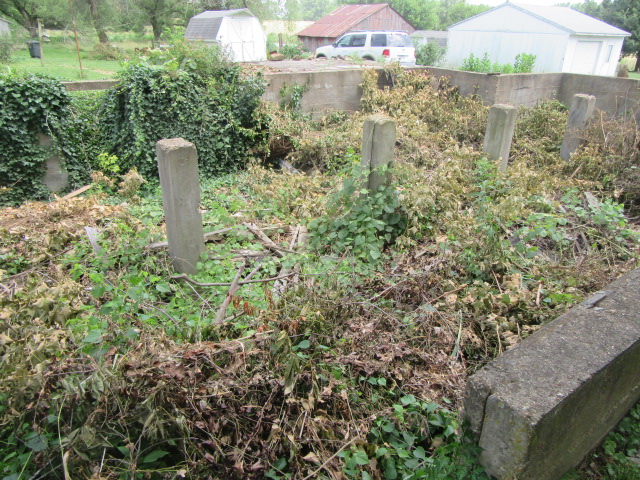

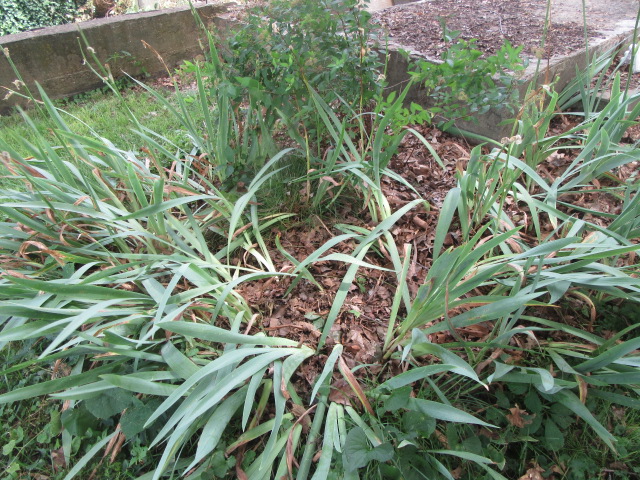

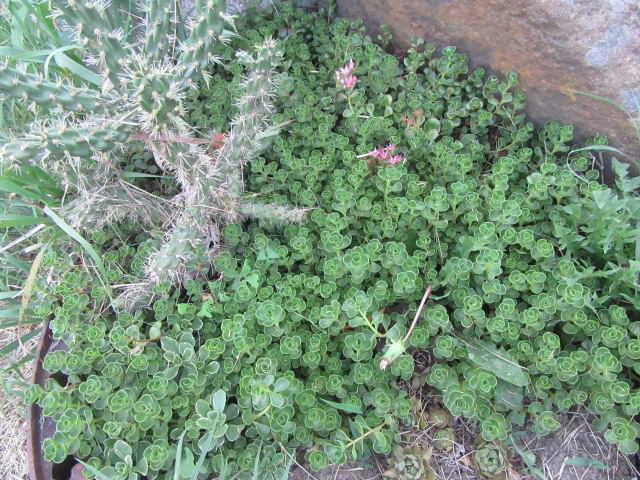
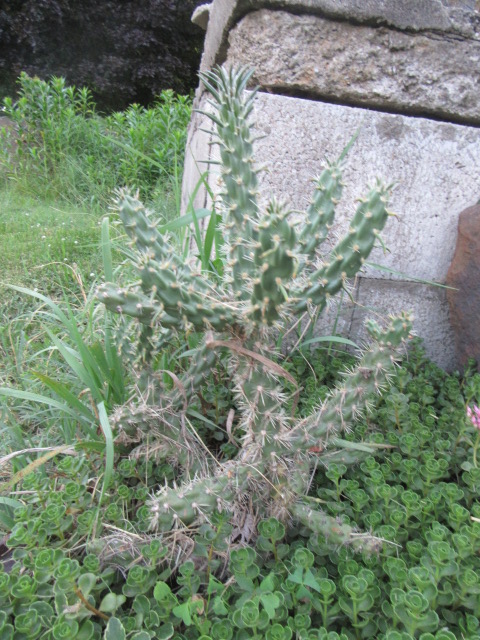

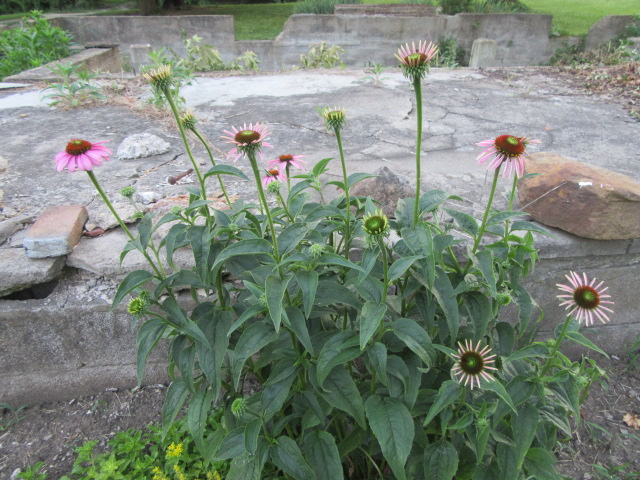
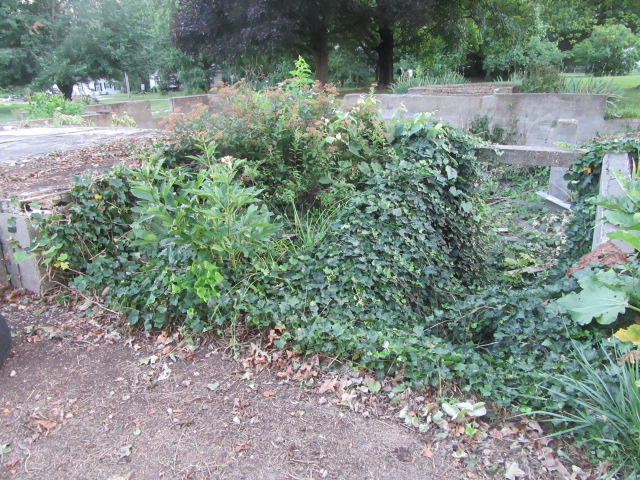
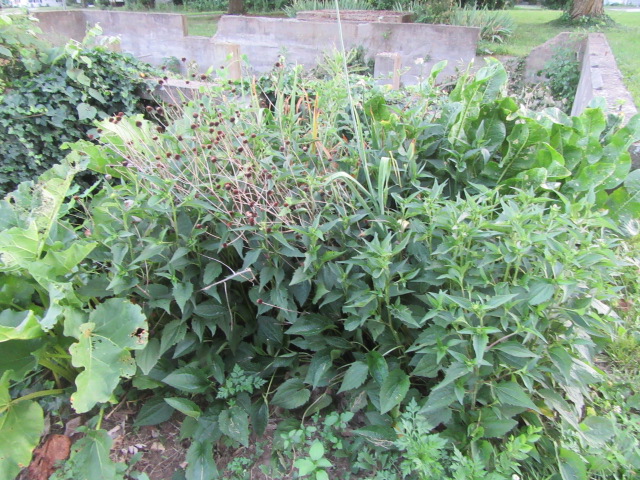
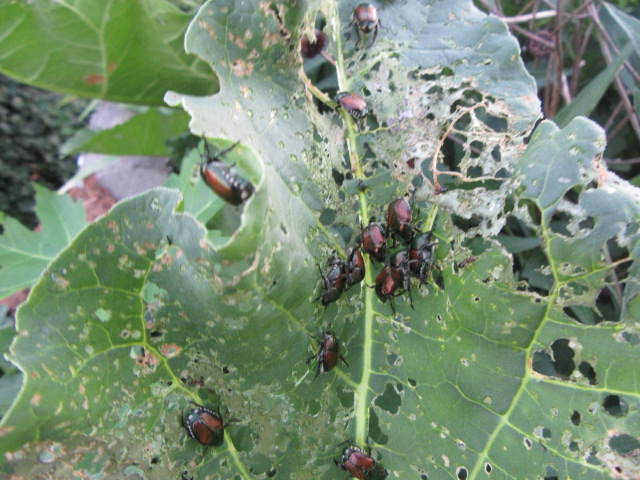

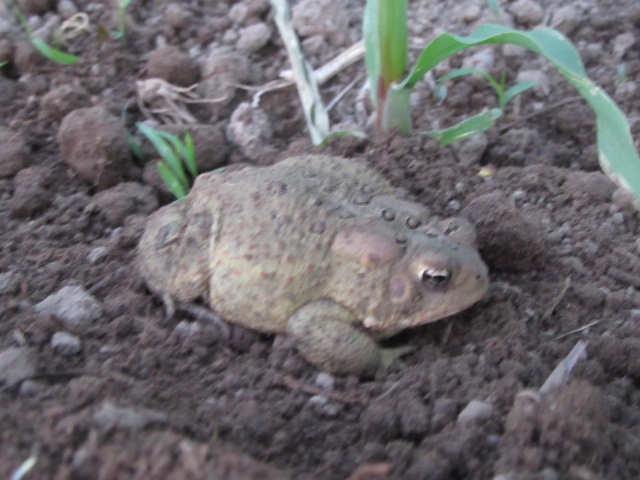



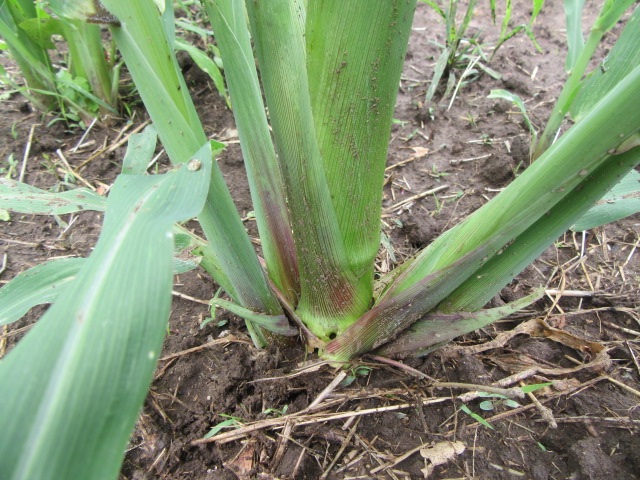

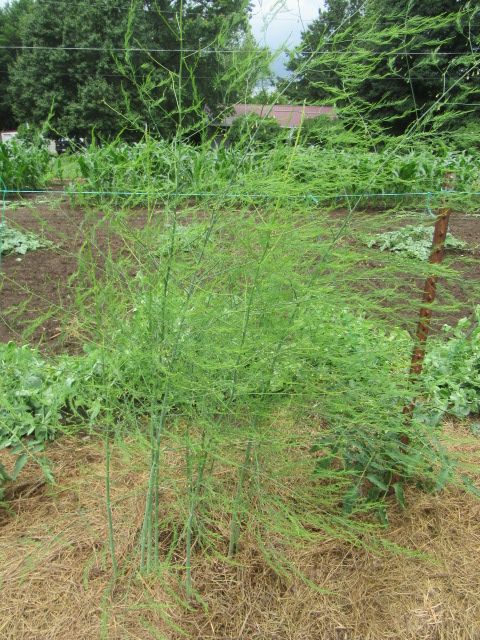
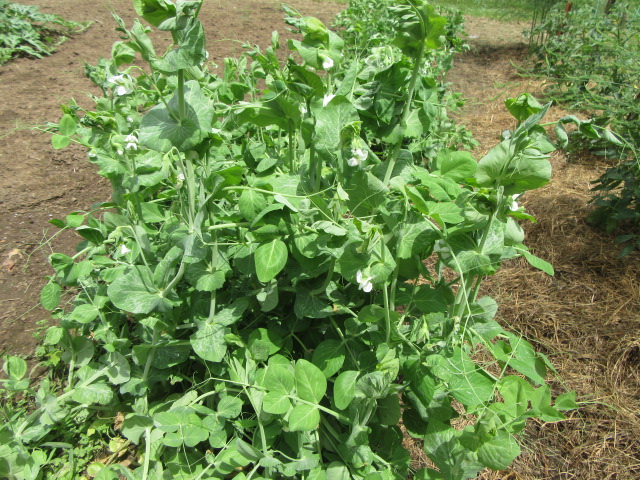


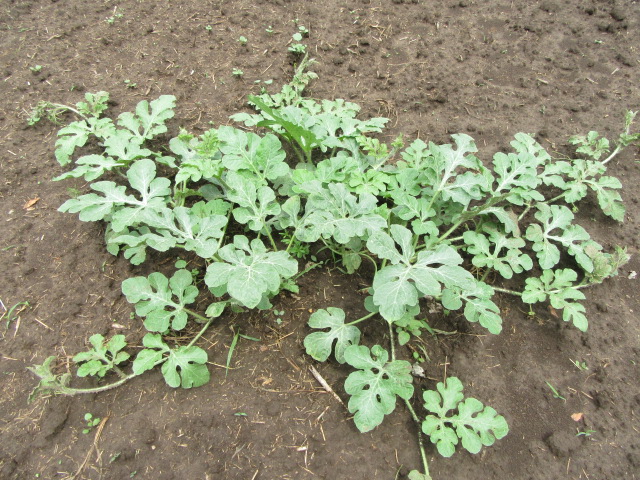
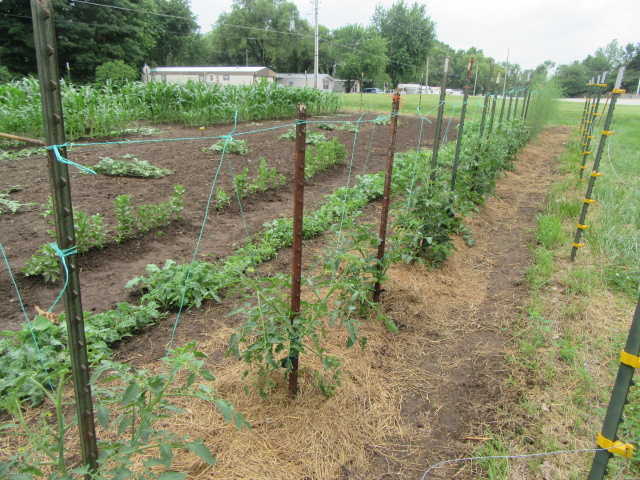
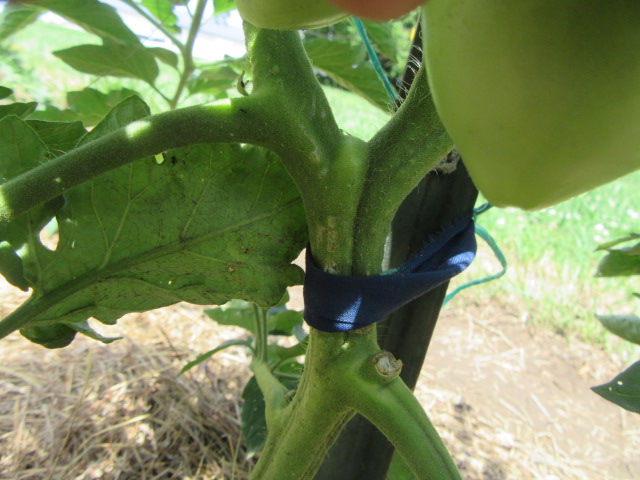
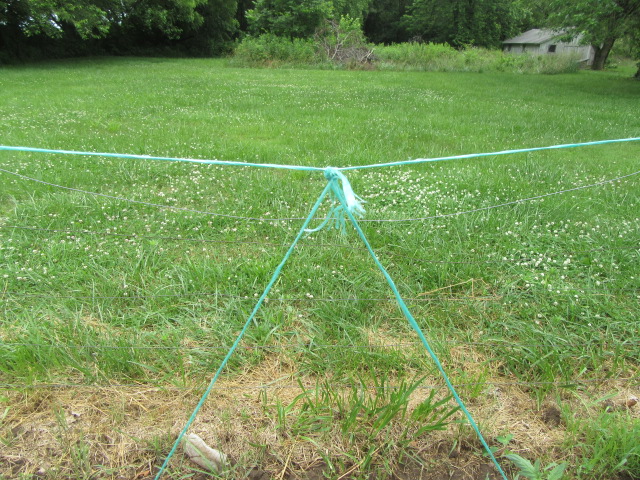
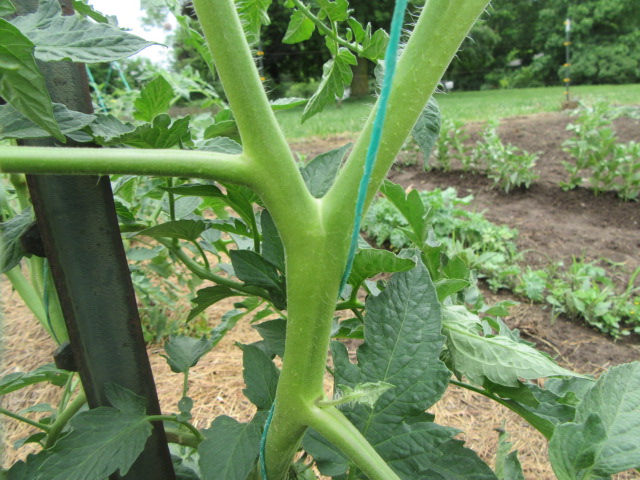
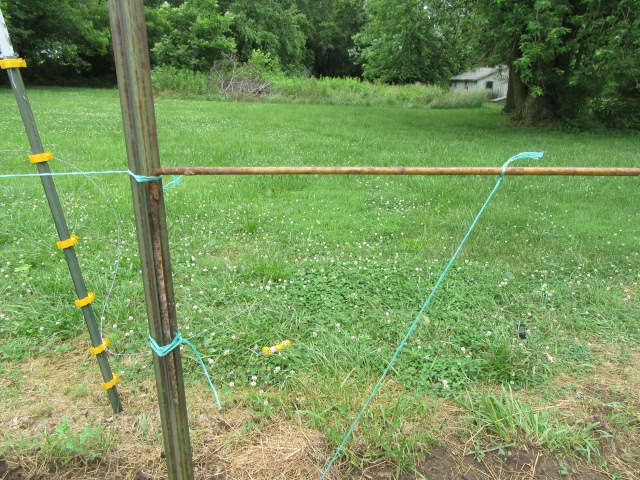
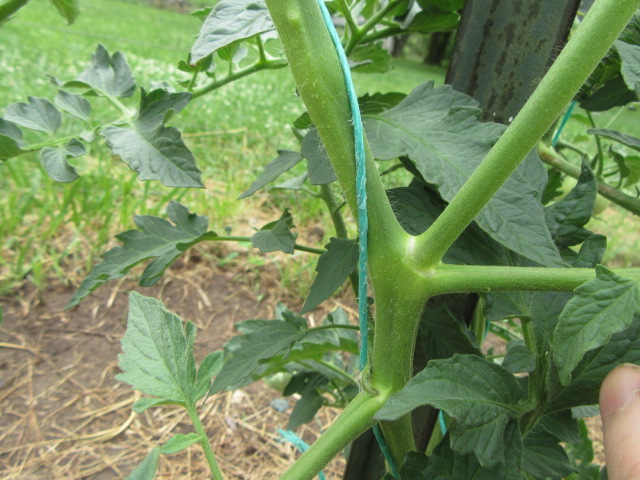

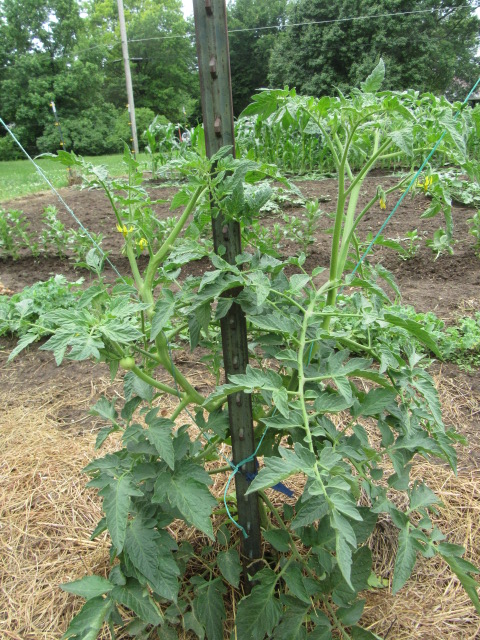







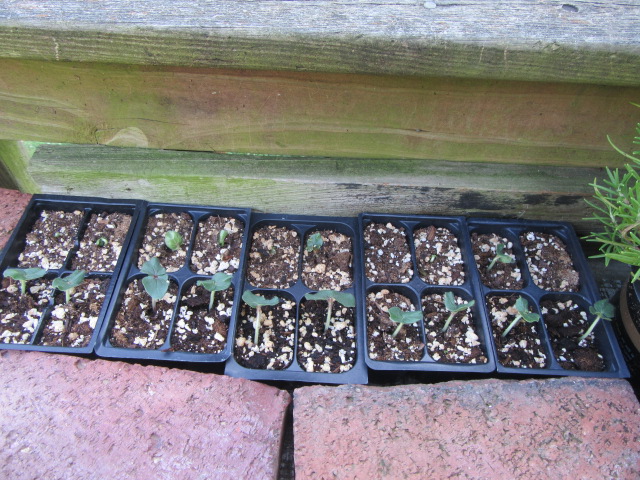
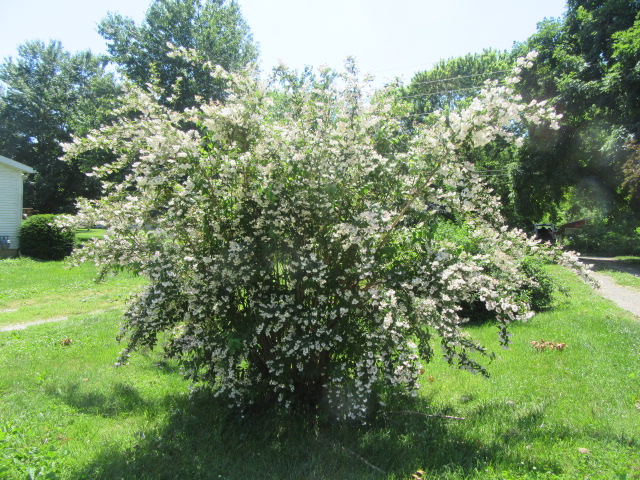
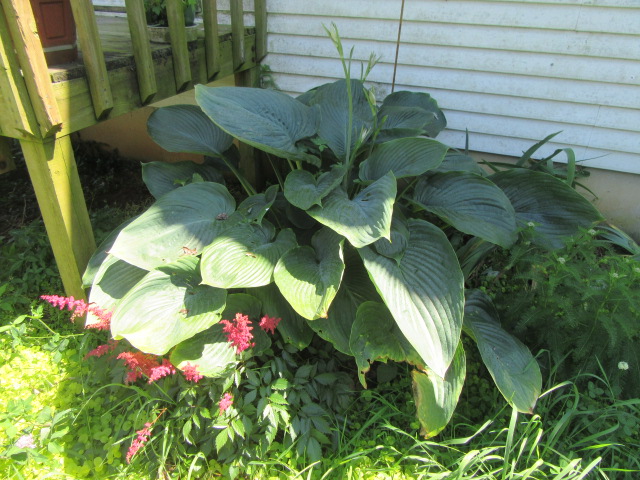
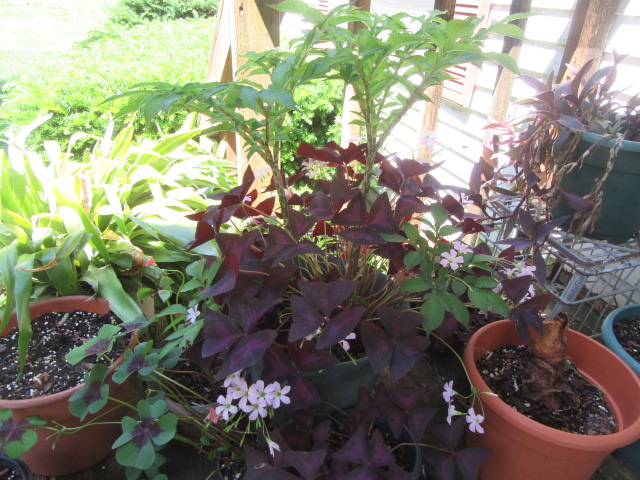







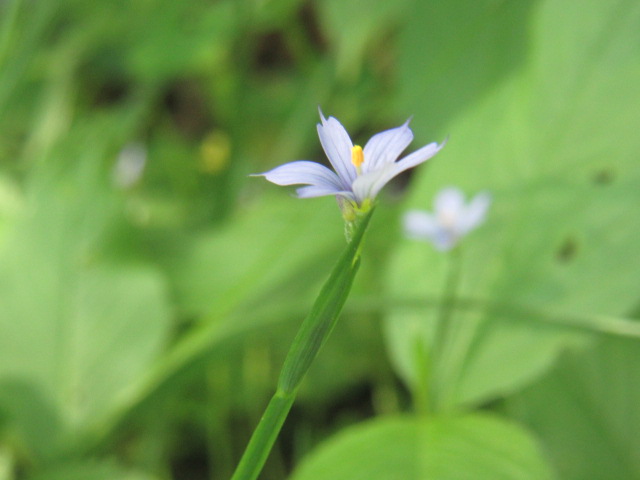


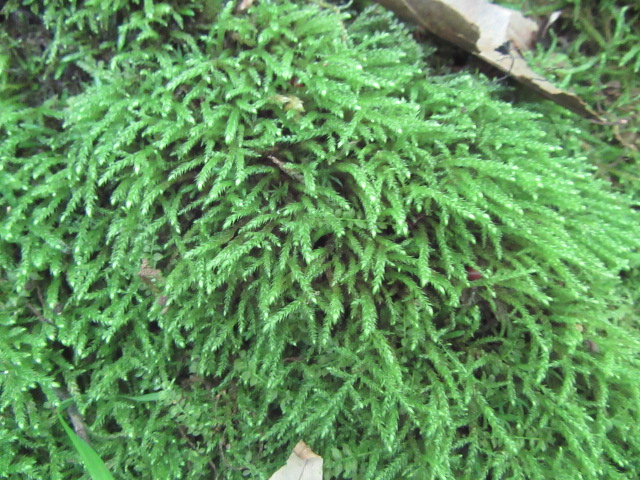
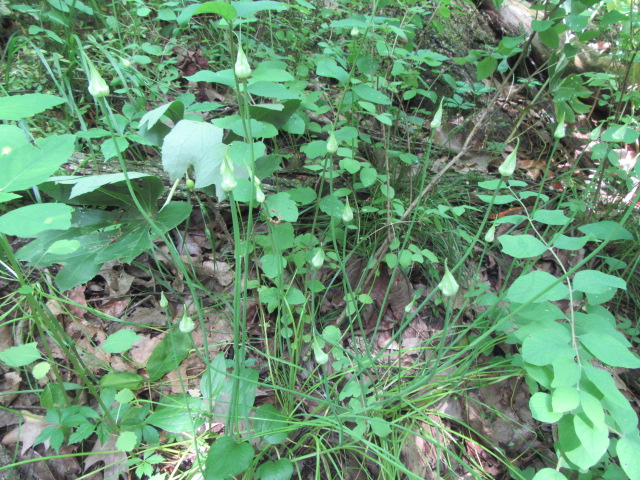

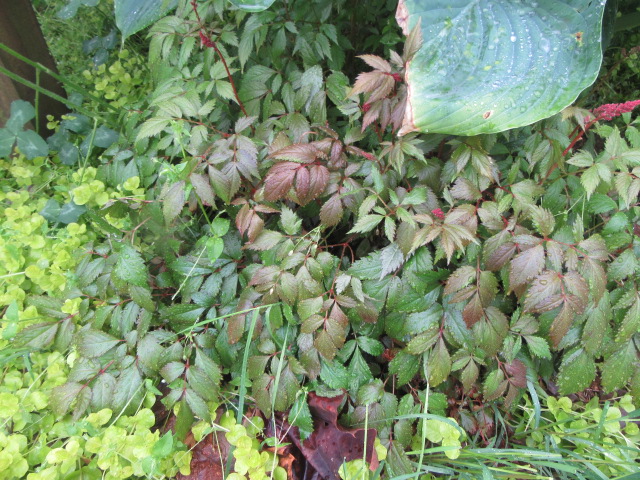
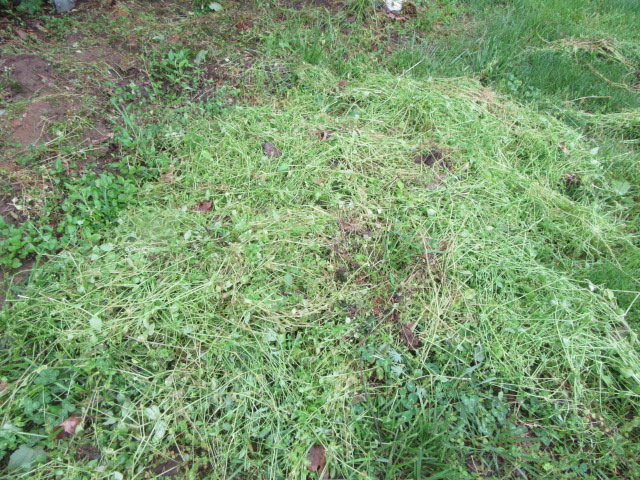

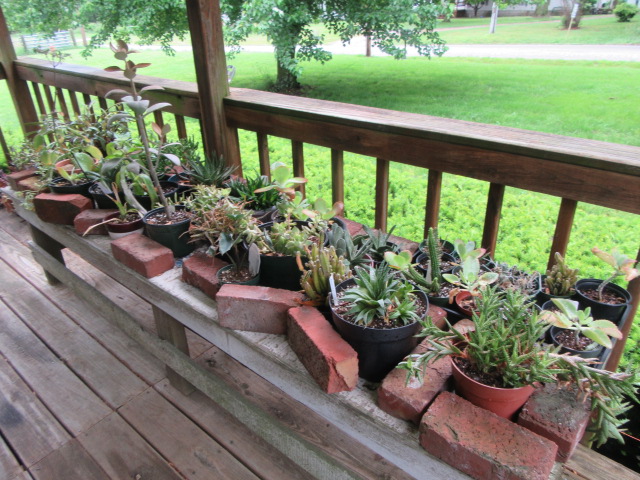
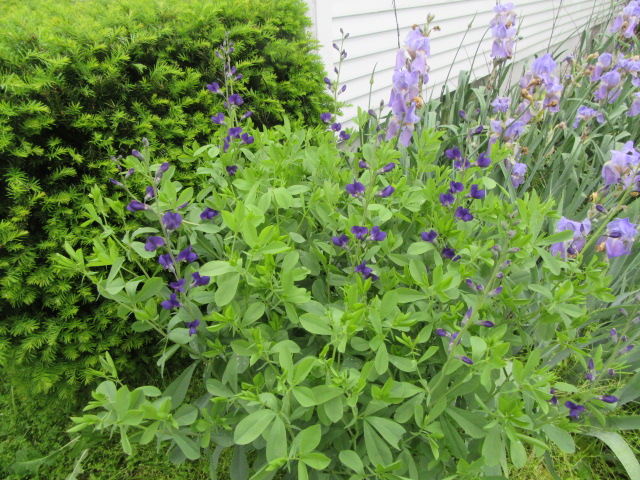
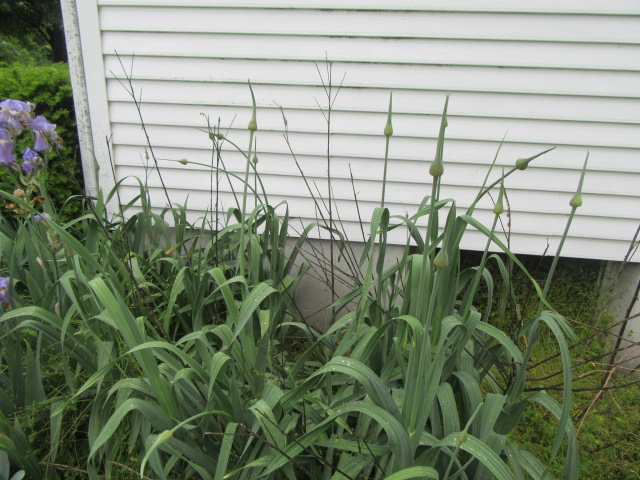
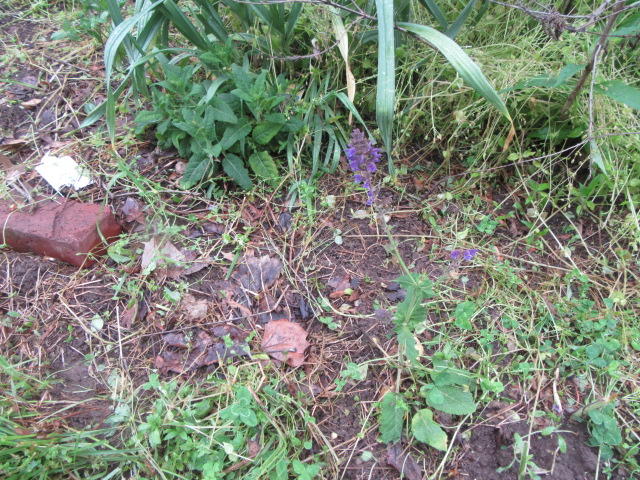



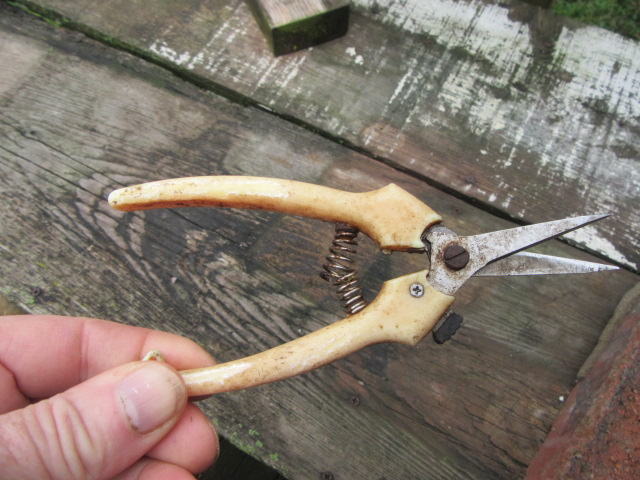
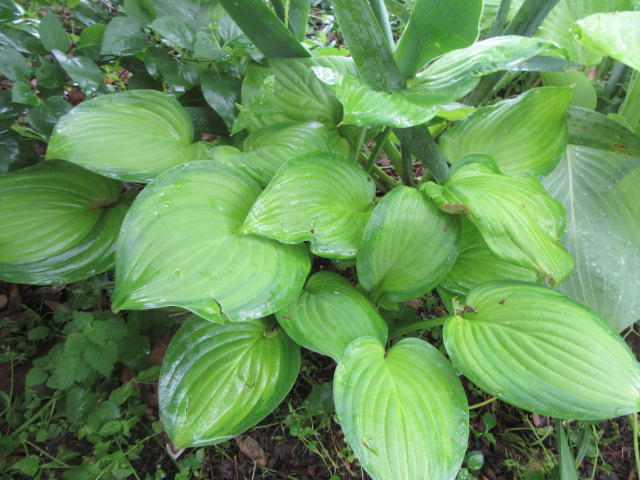
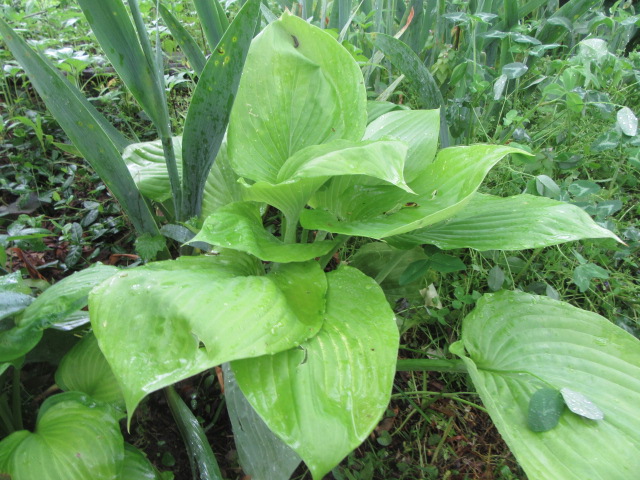



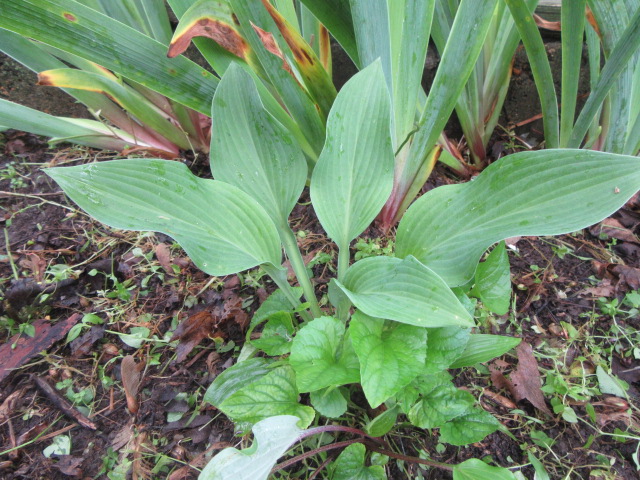

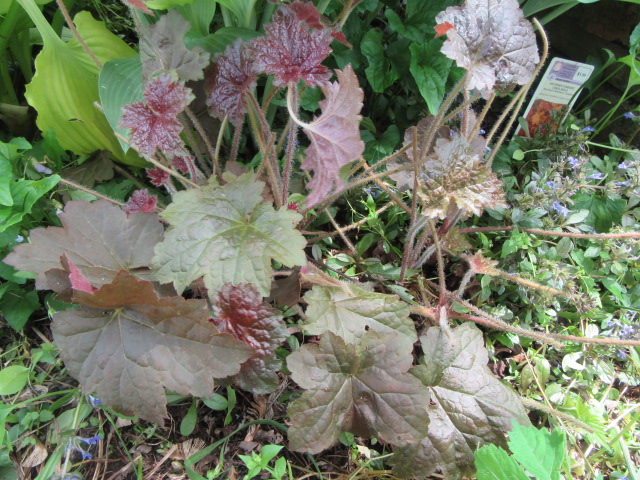
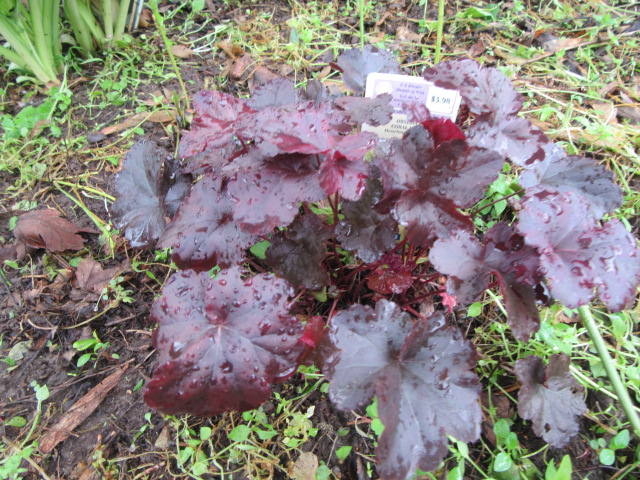
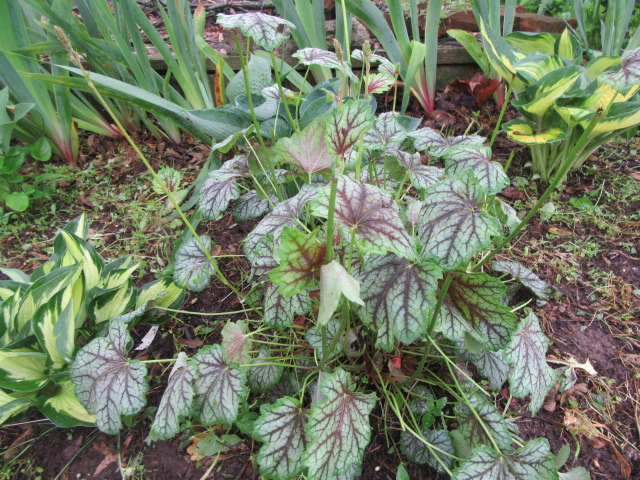

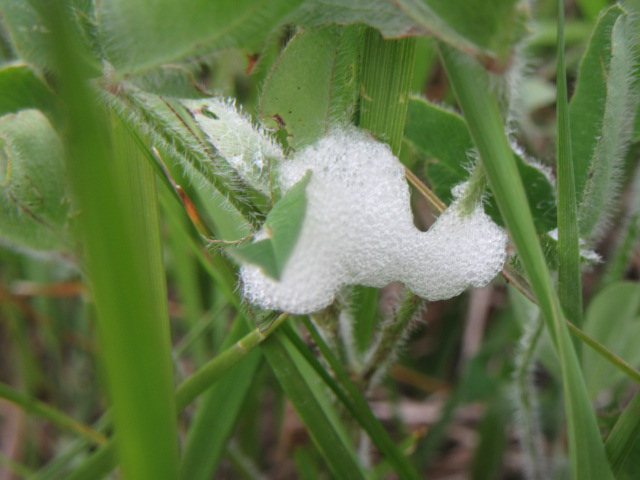
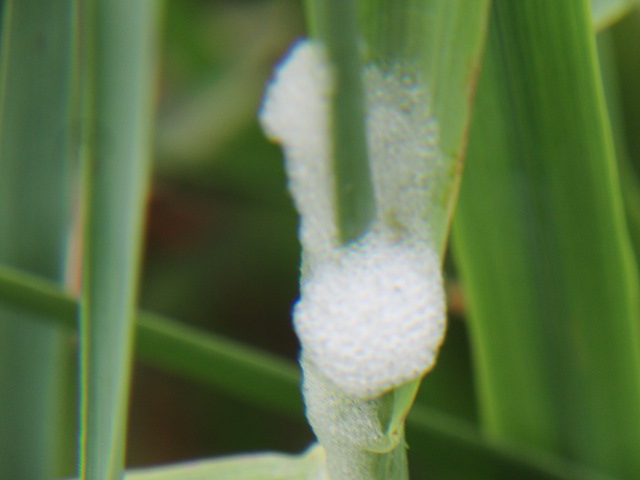
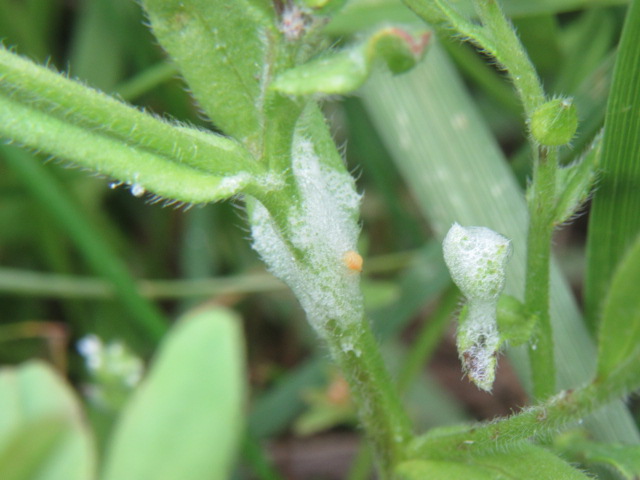

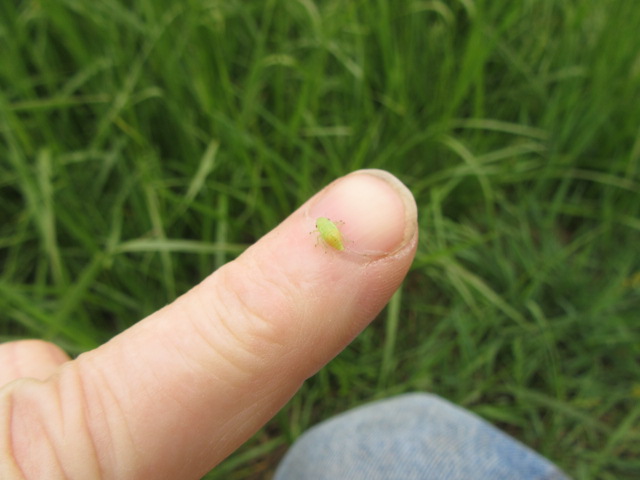

















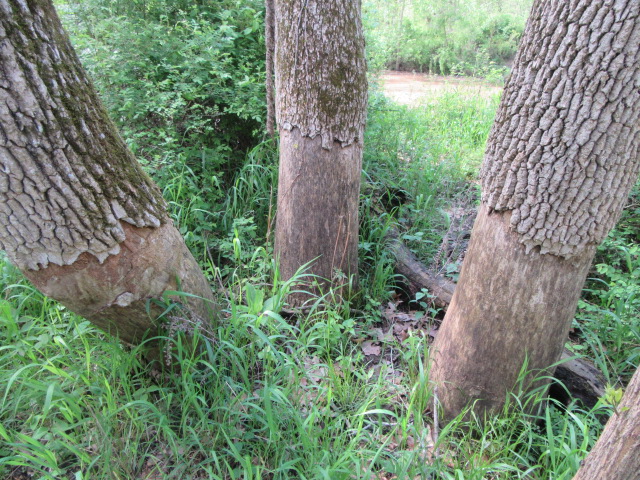


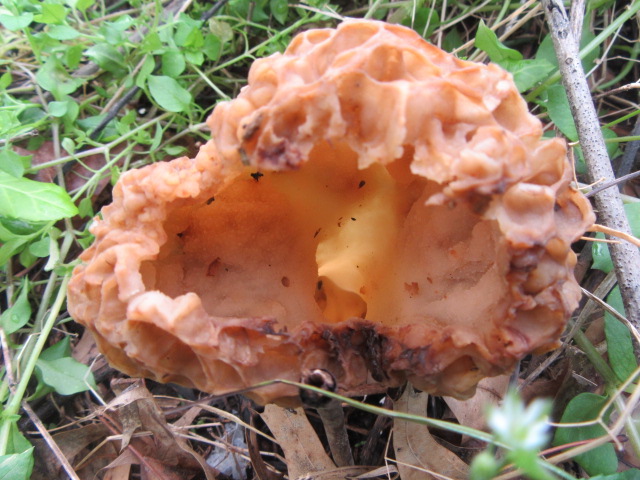
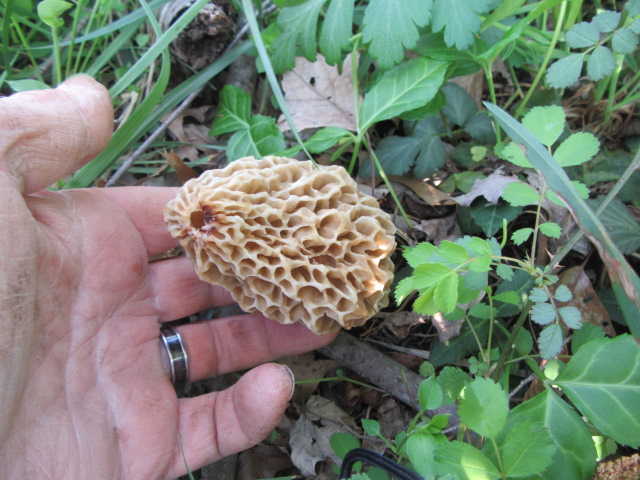


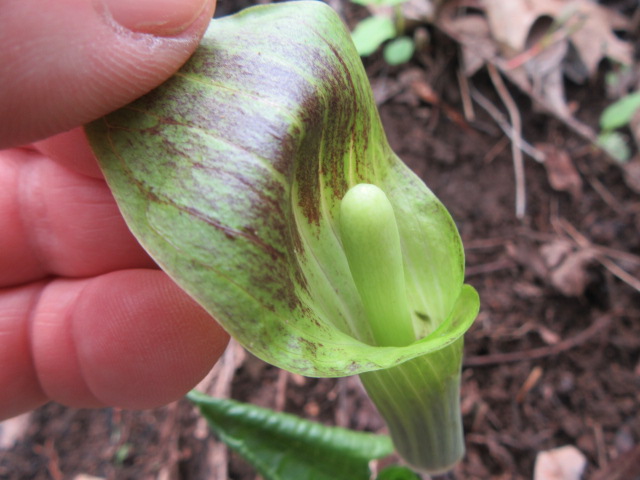


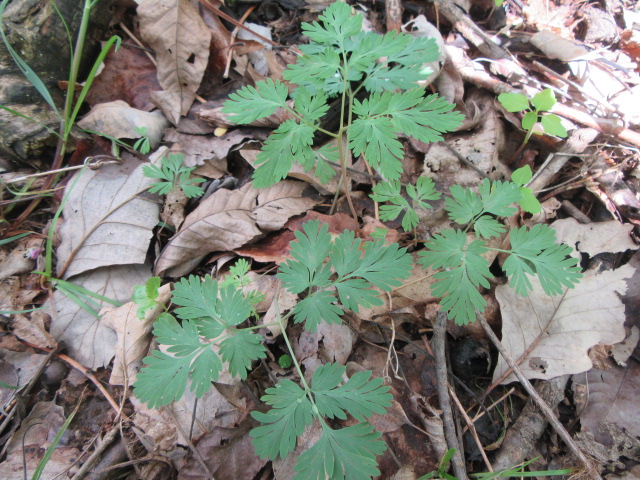
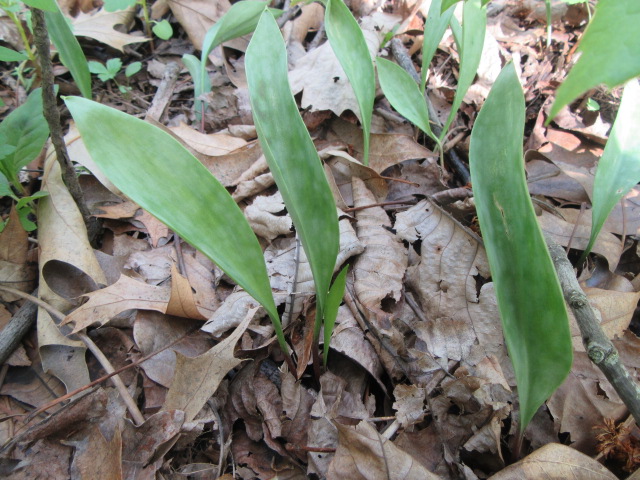


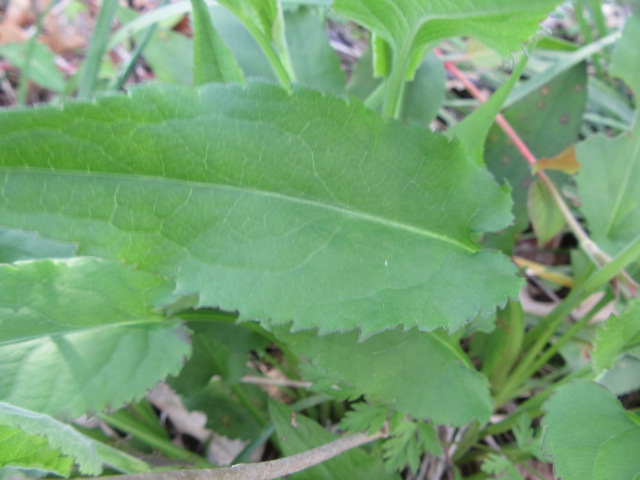

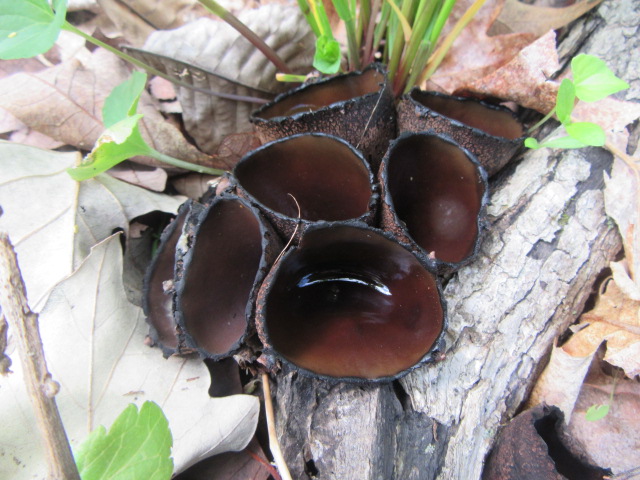

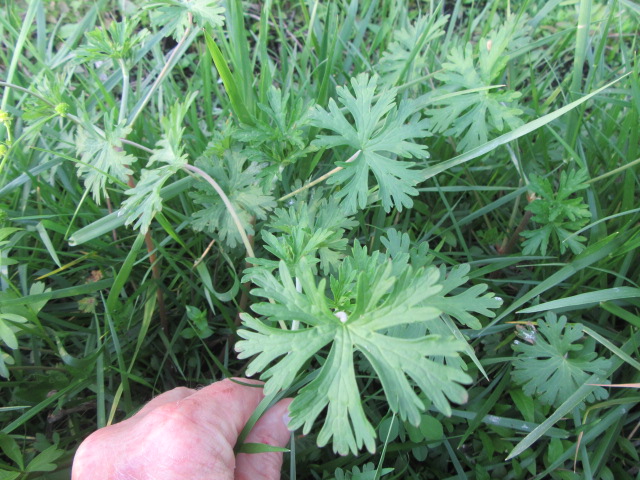


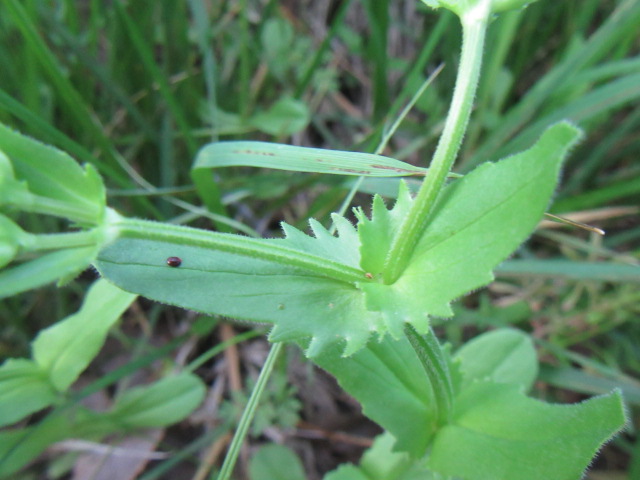


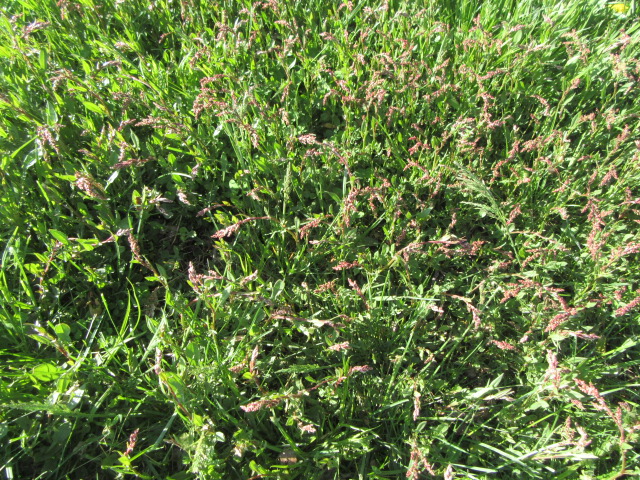


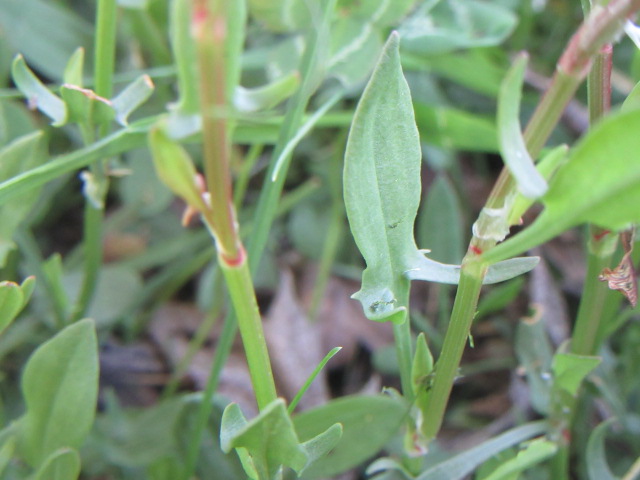
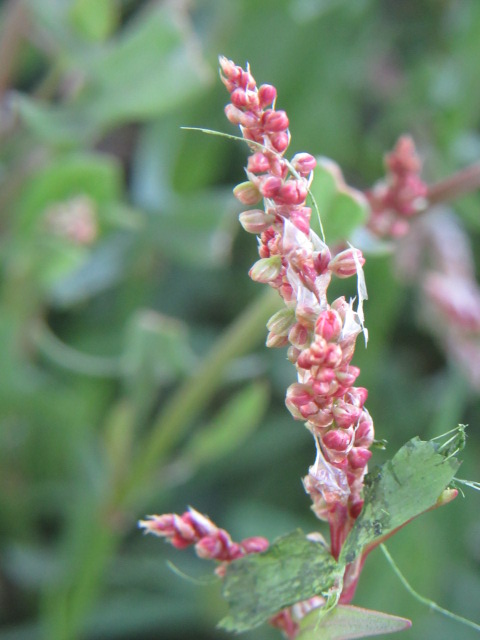

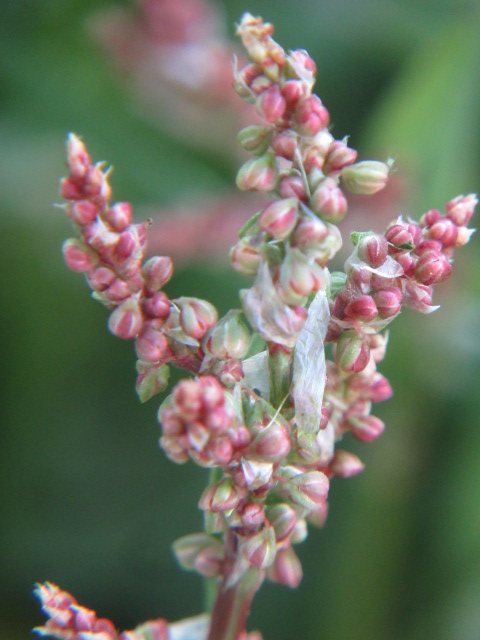
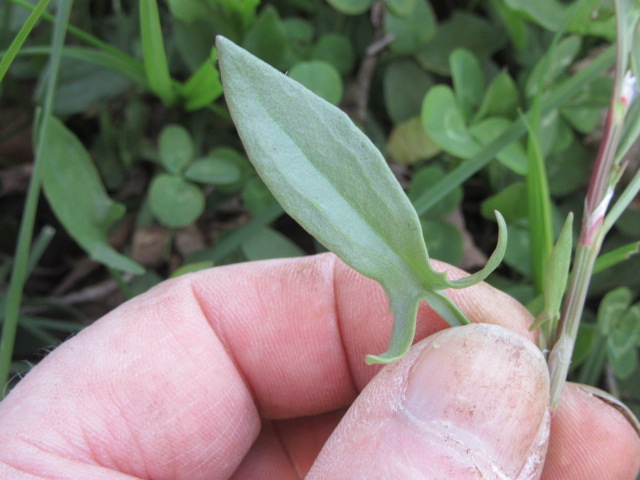

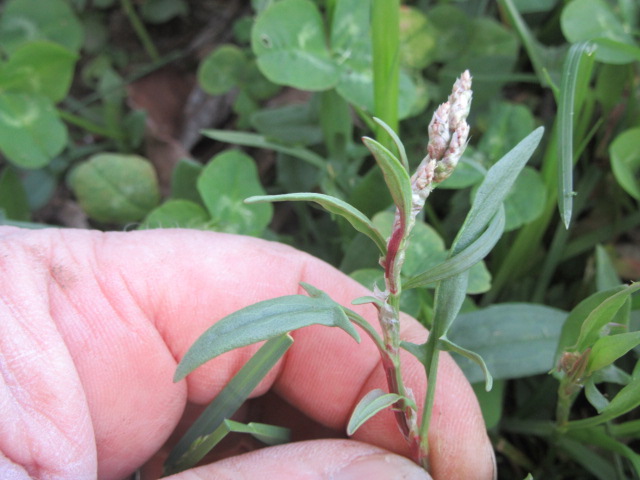




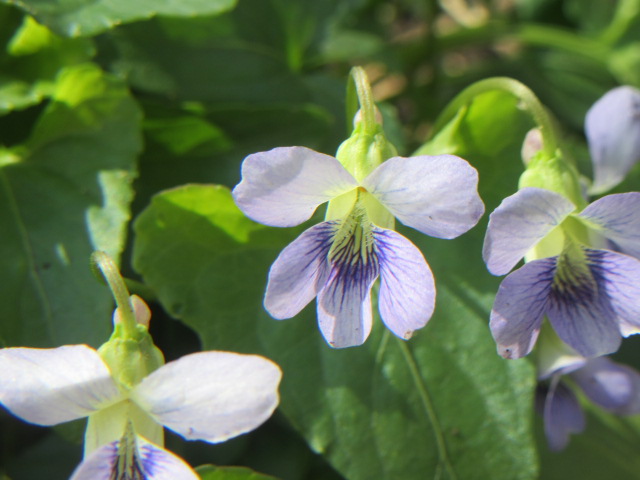
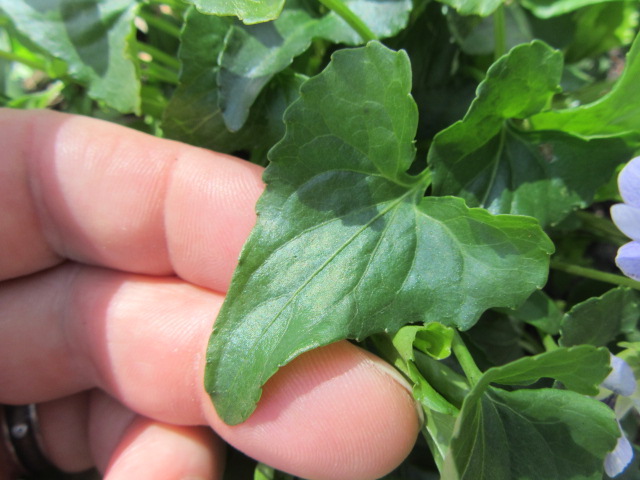


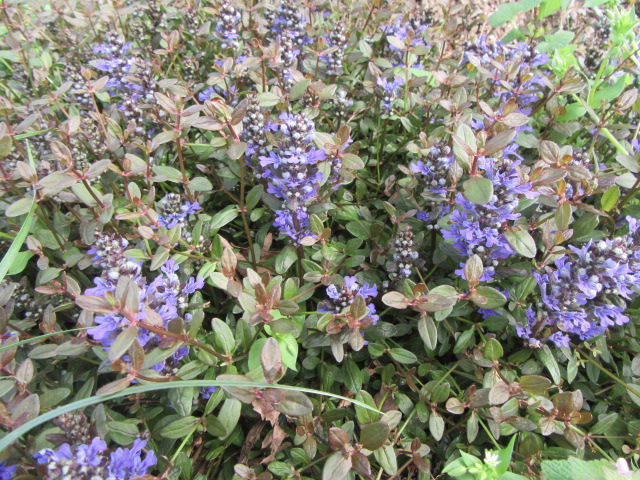
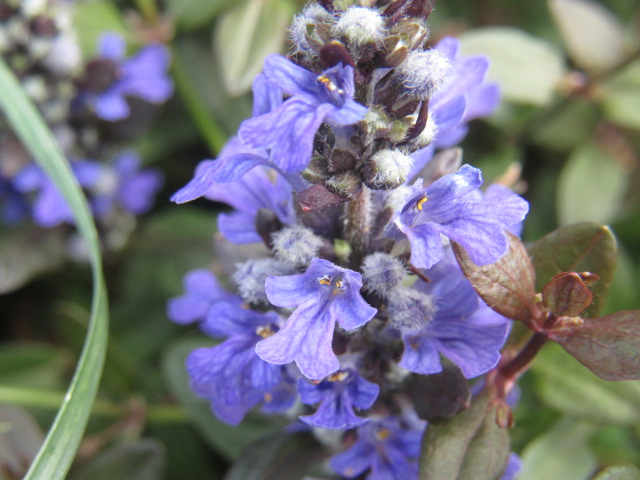
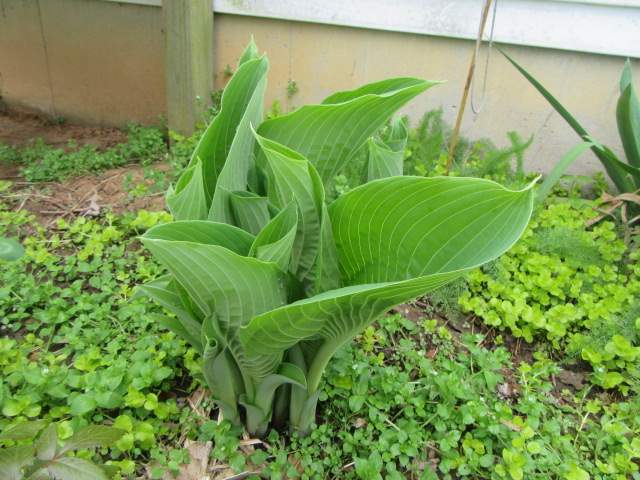


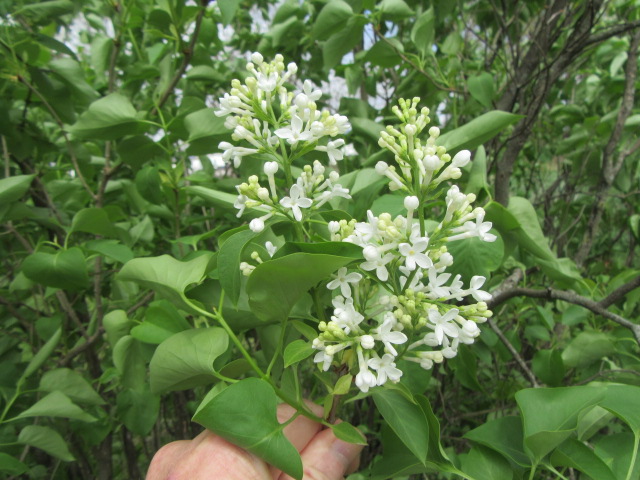
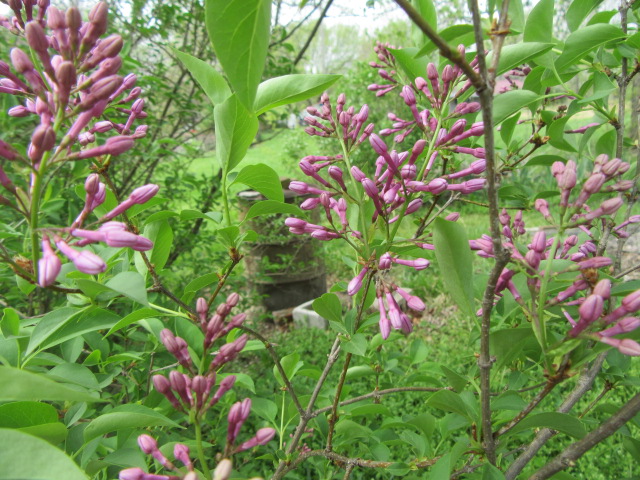

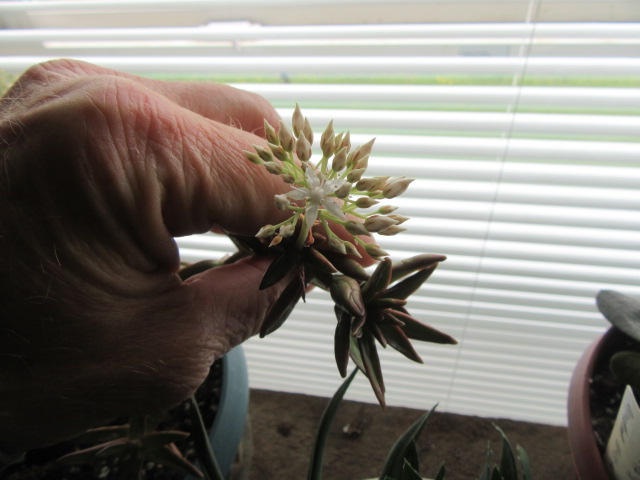


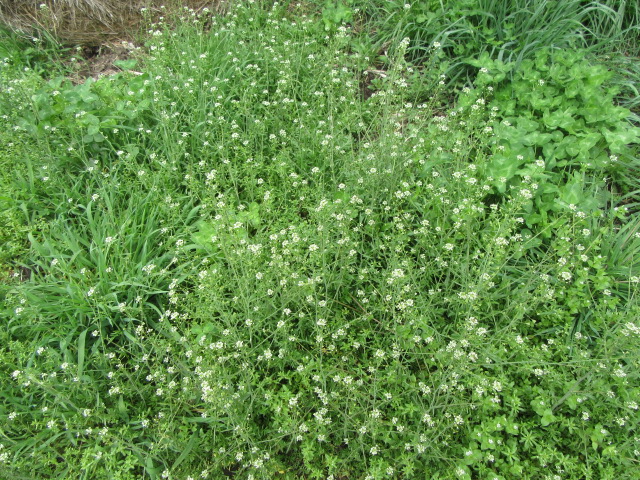


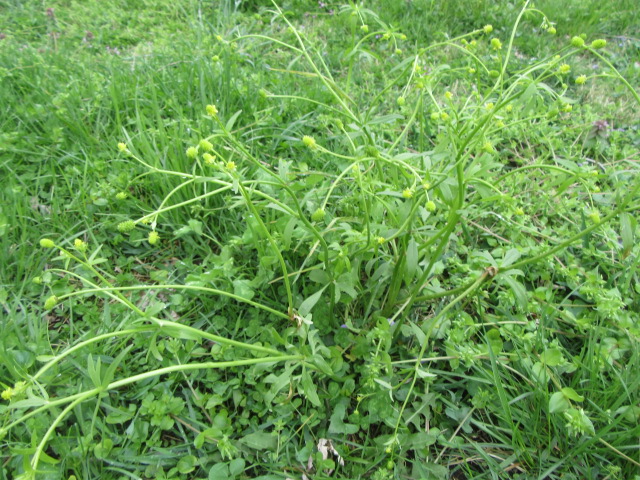


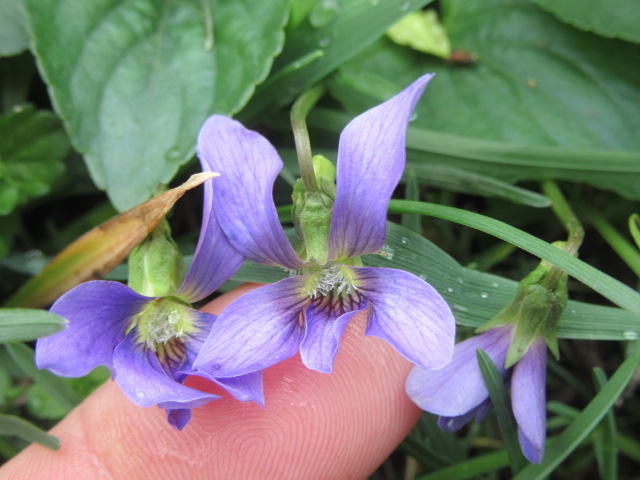
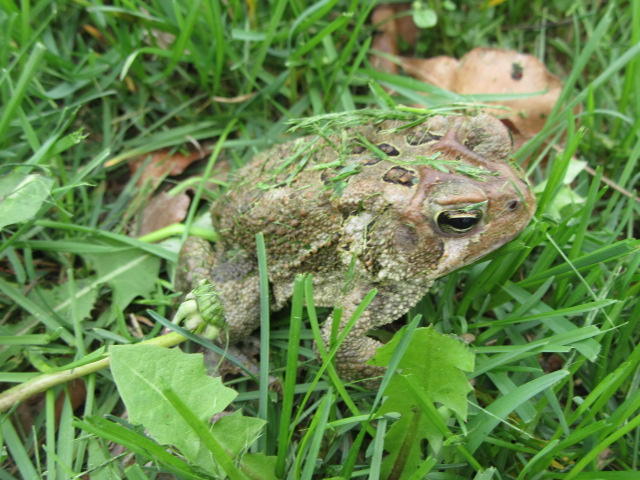
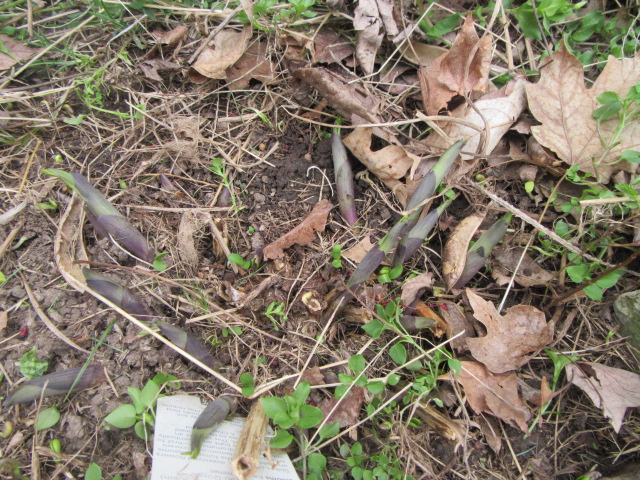
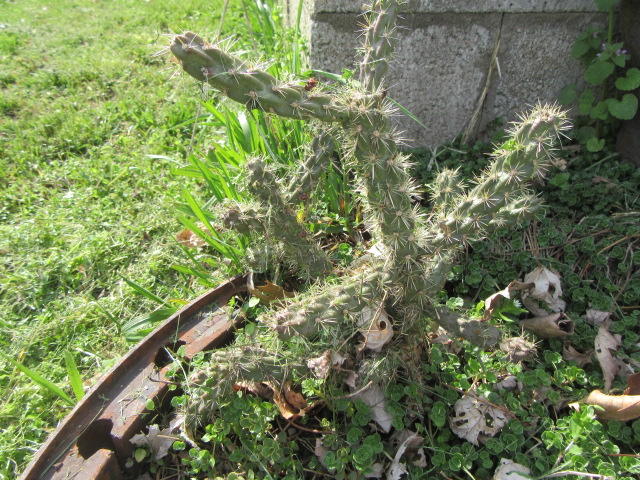
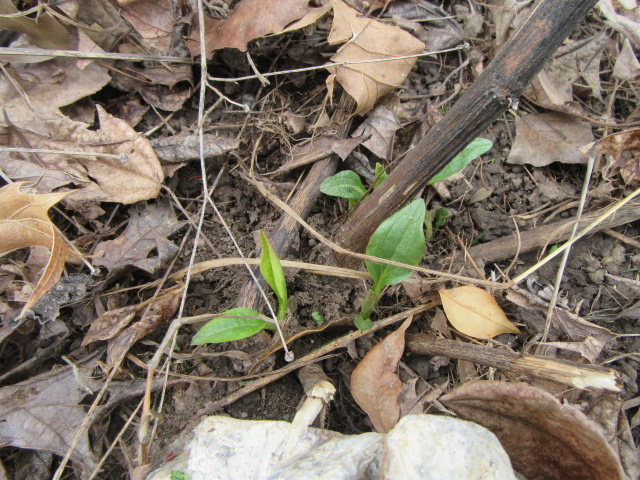
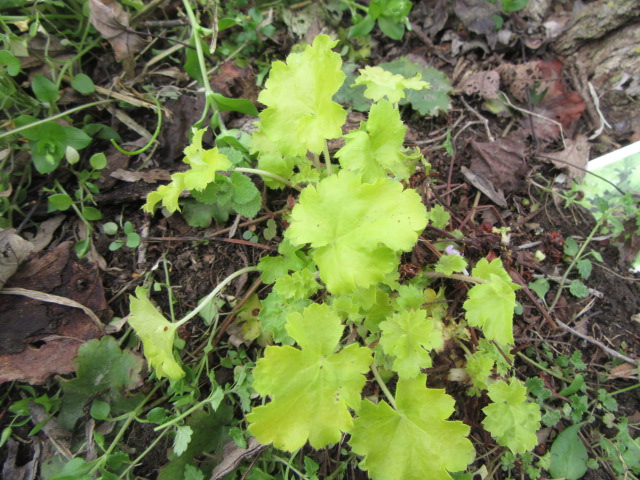
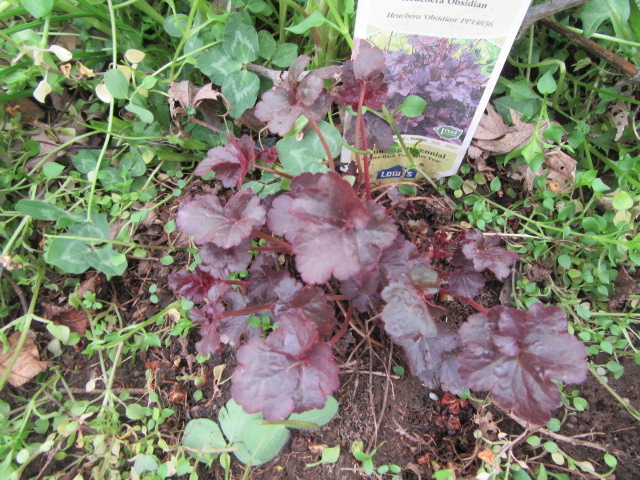

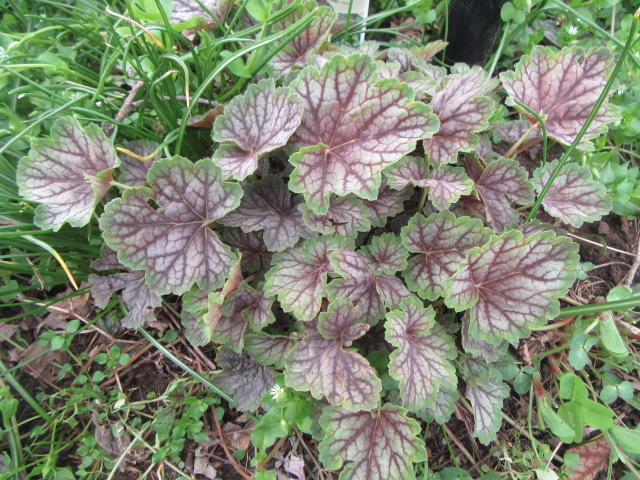

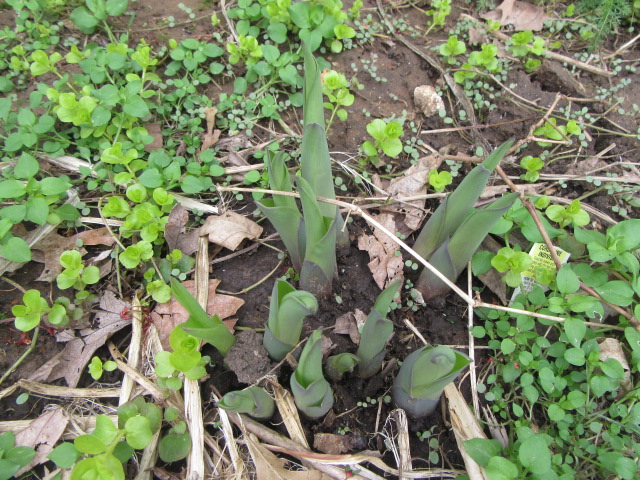
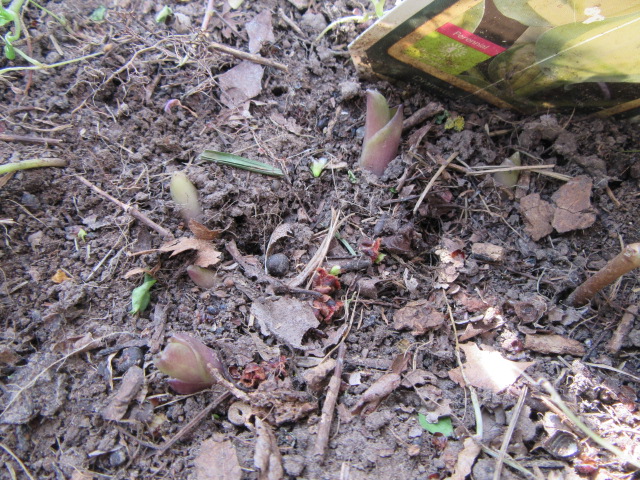
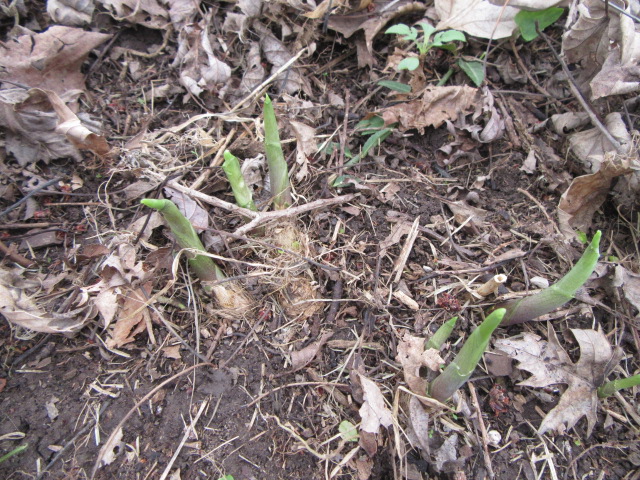
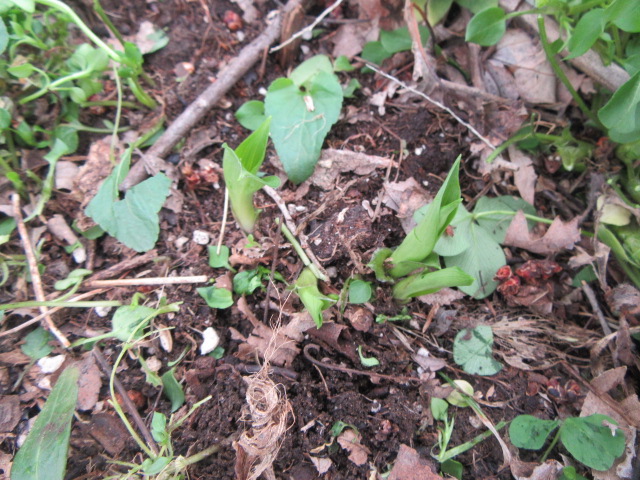
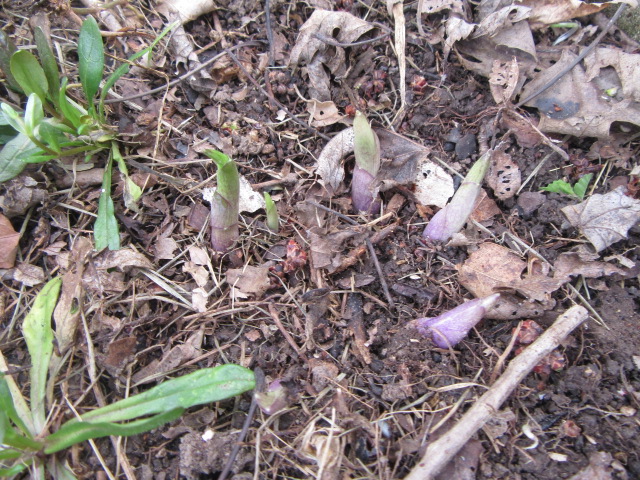
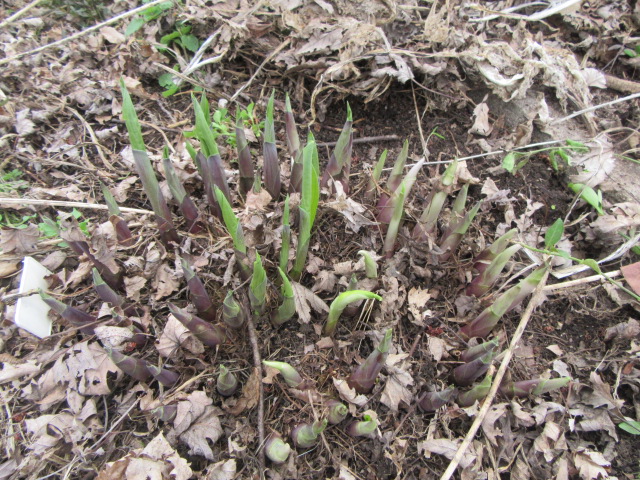

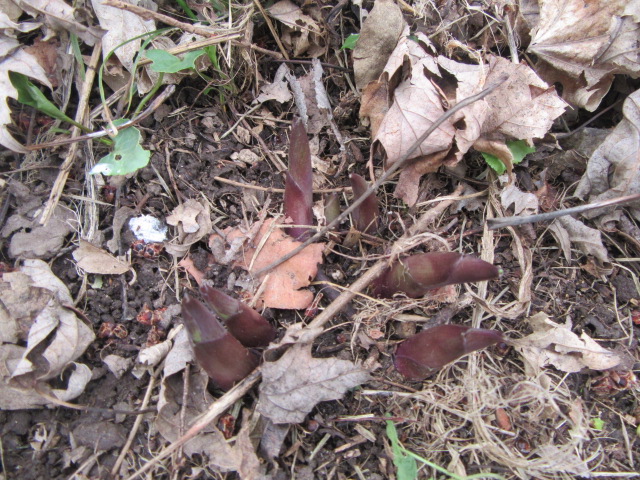
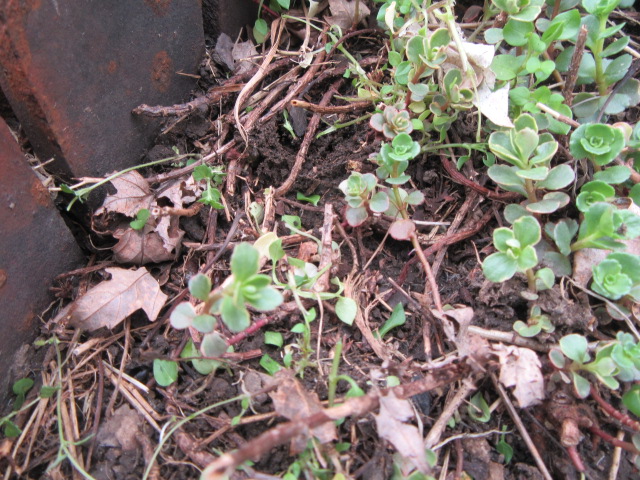
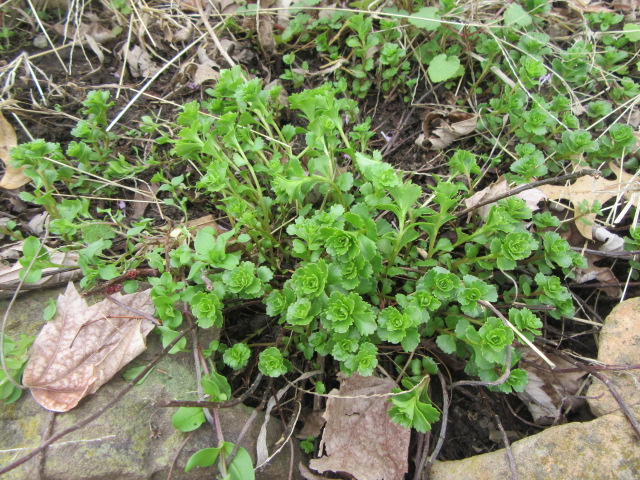
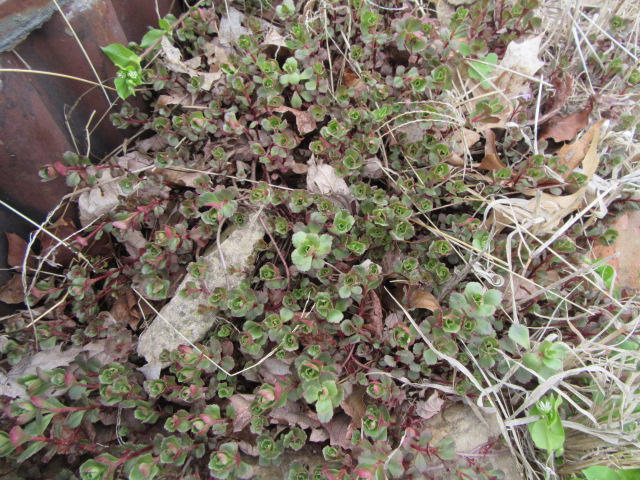
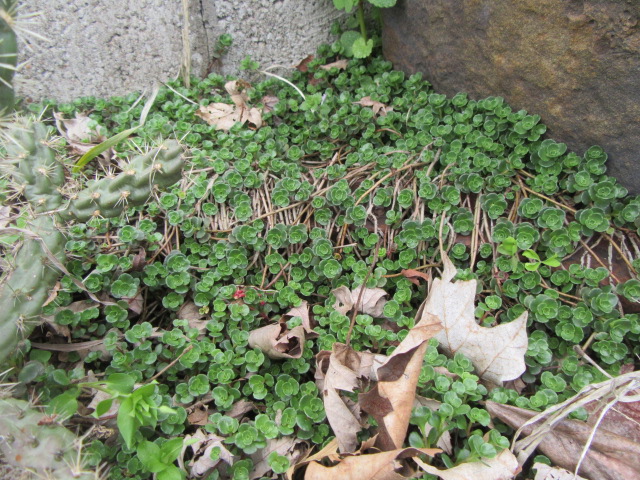
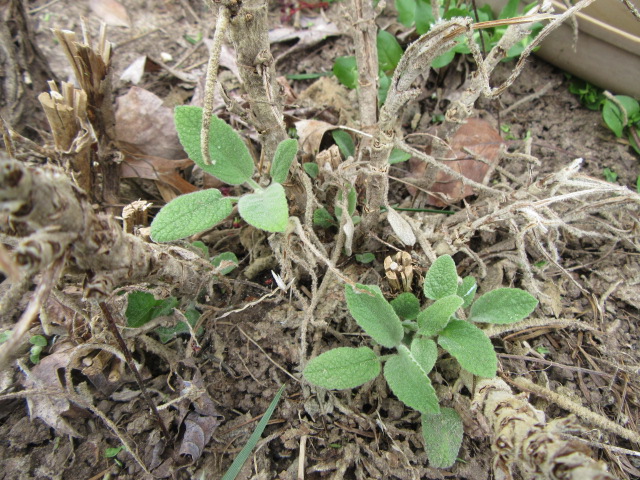
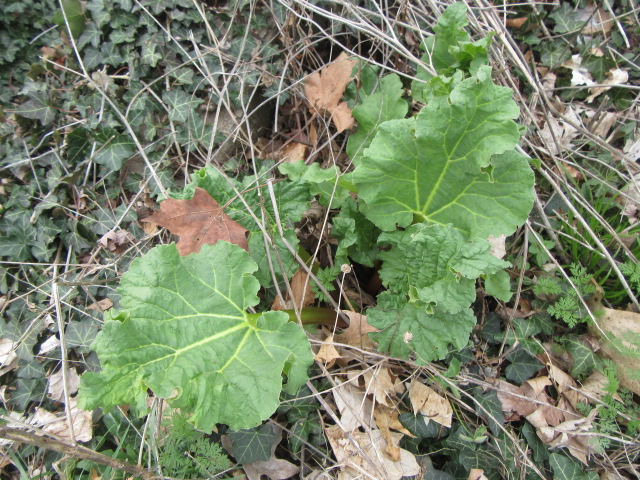
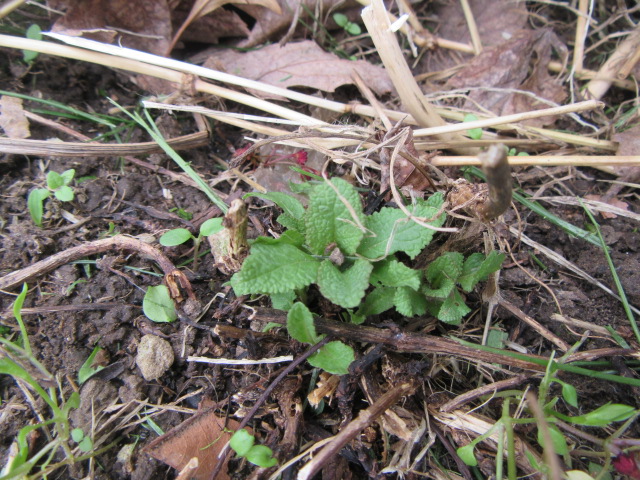
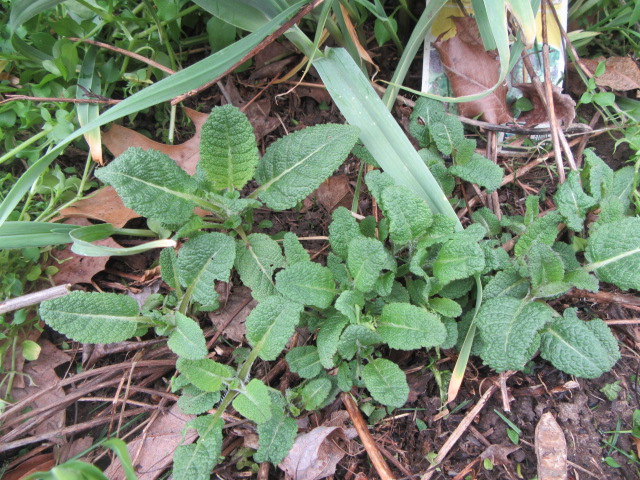
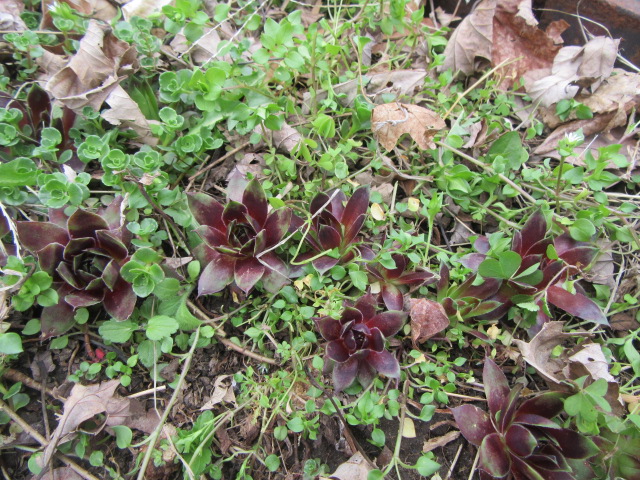






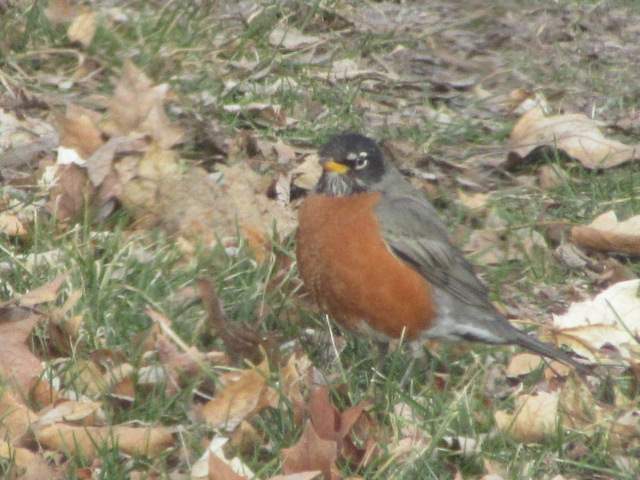
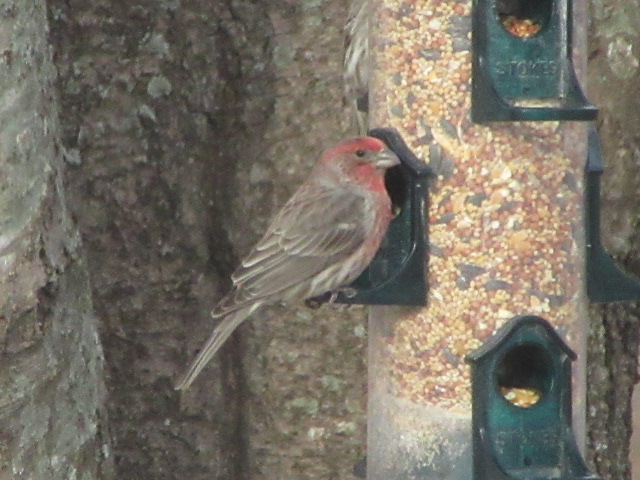
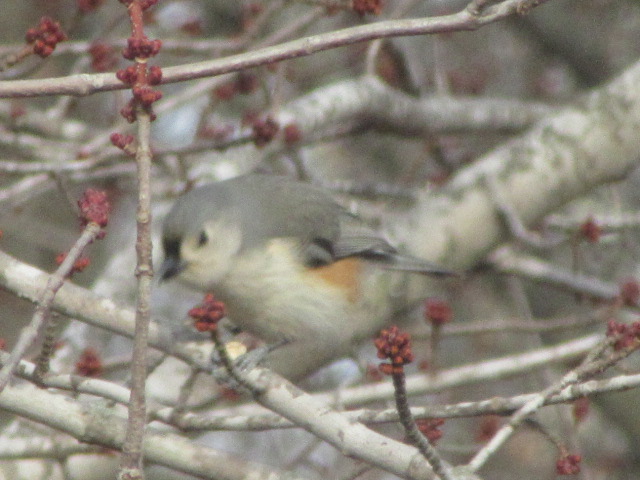
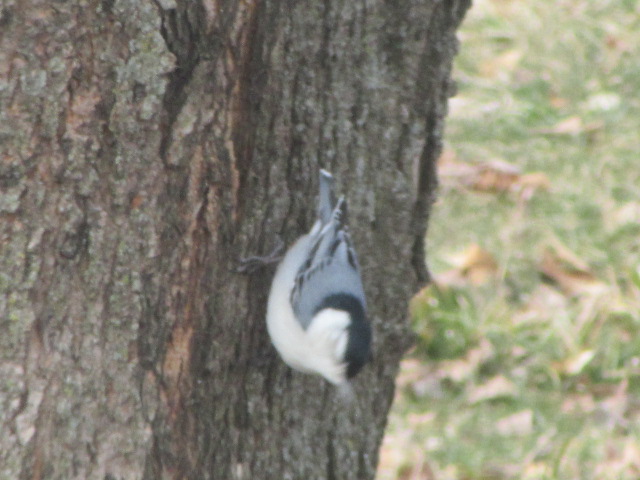
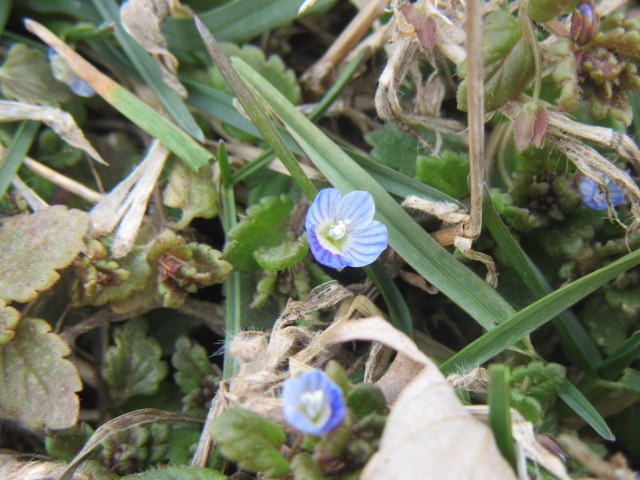
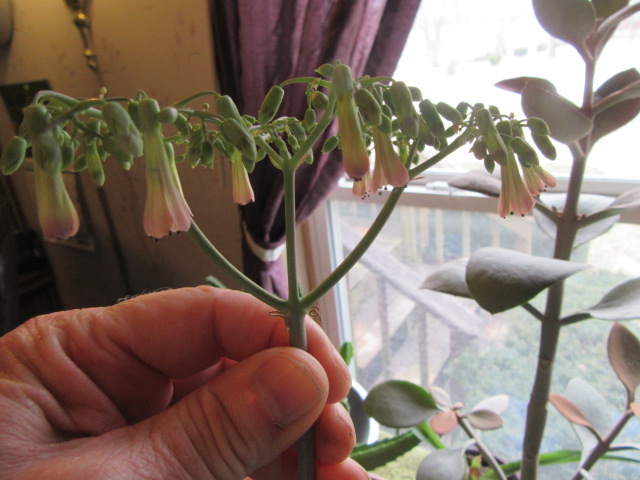
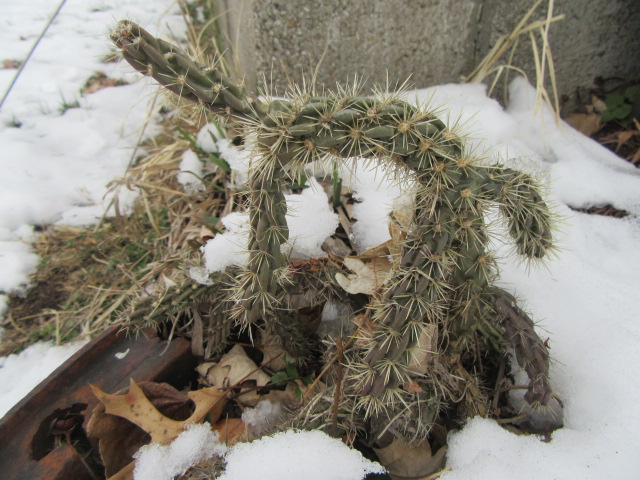





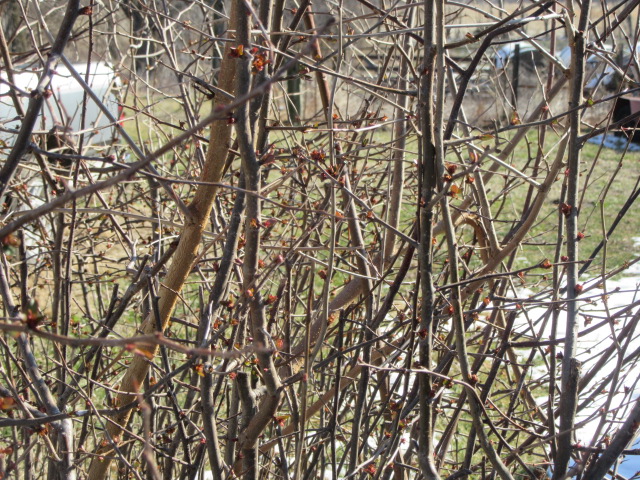
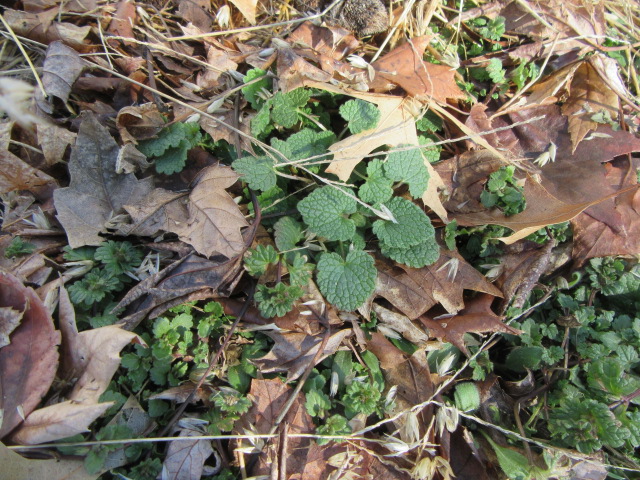
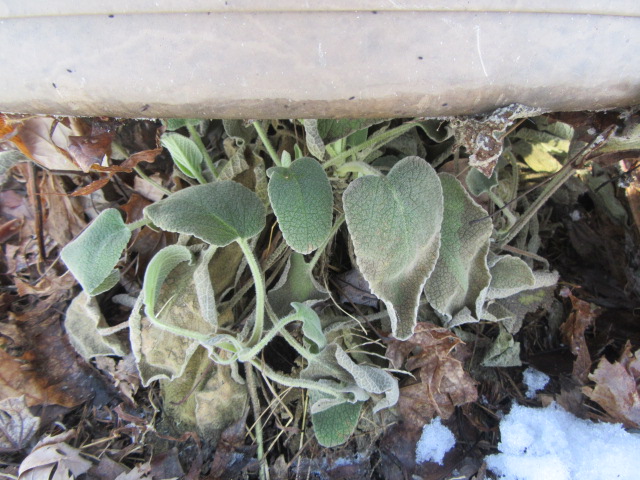
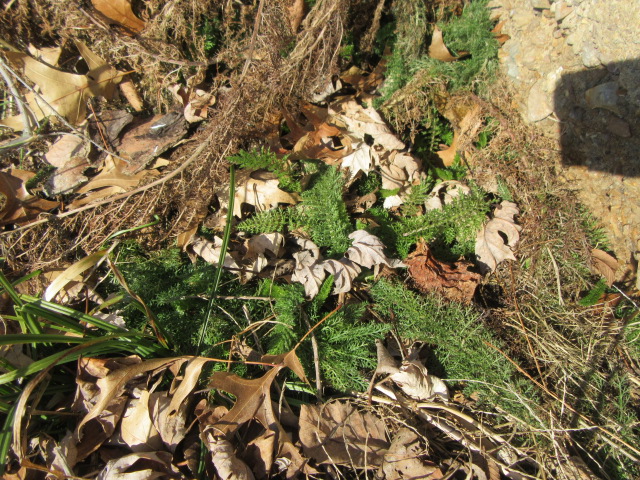

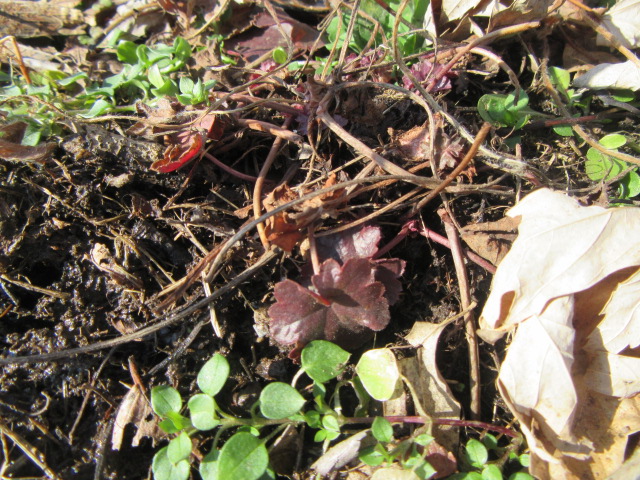
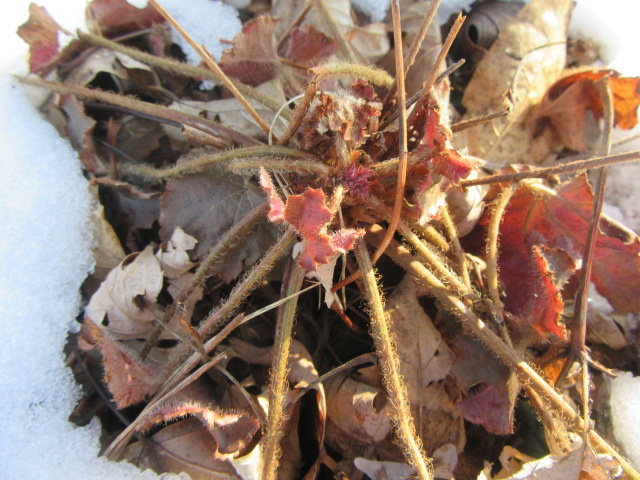
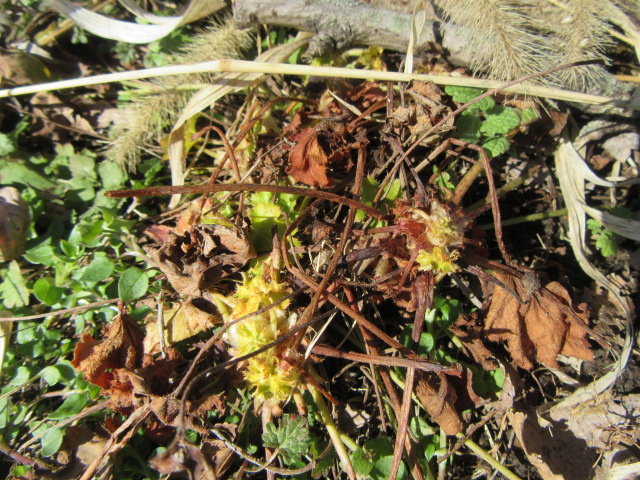
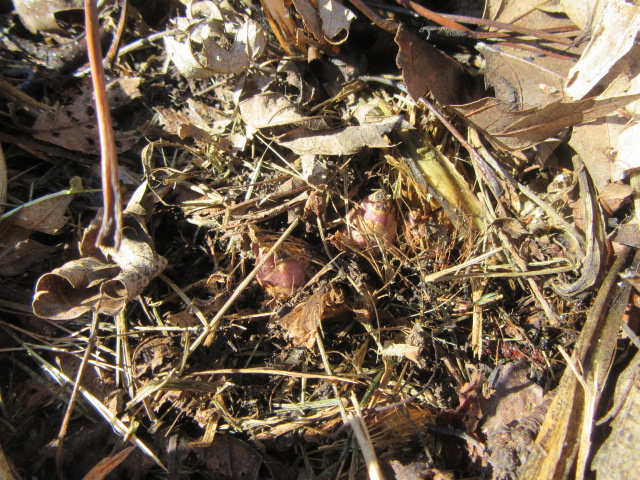
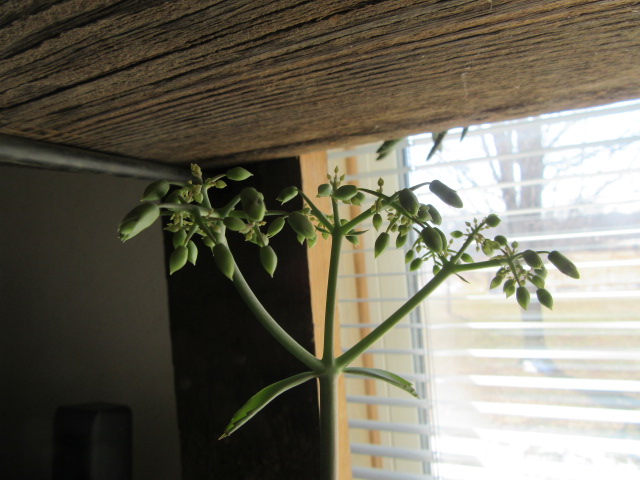
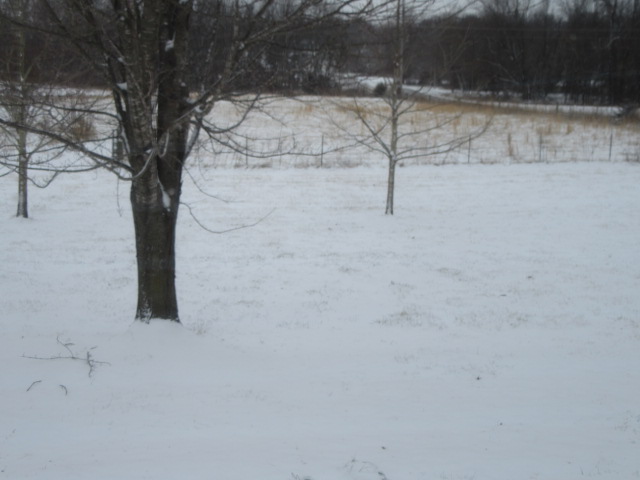
 The Belmont Rooster